Basic Addition Math Worksheets for Ages 4-7 - Page 2
69 filtered results
-
From - To
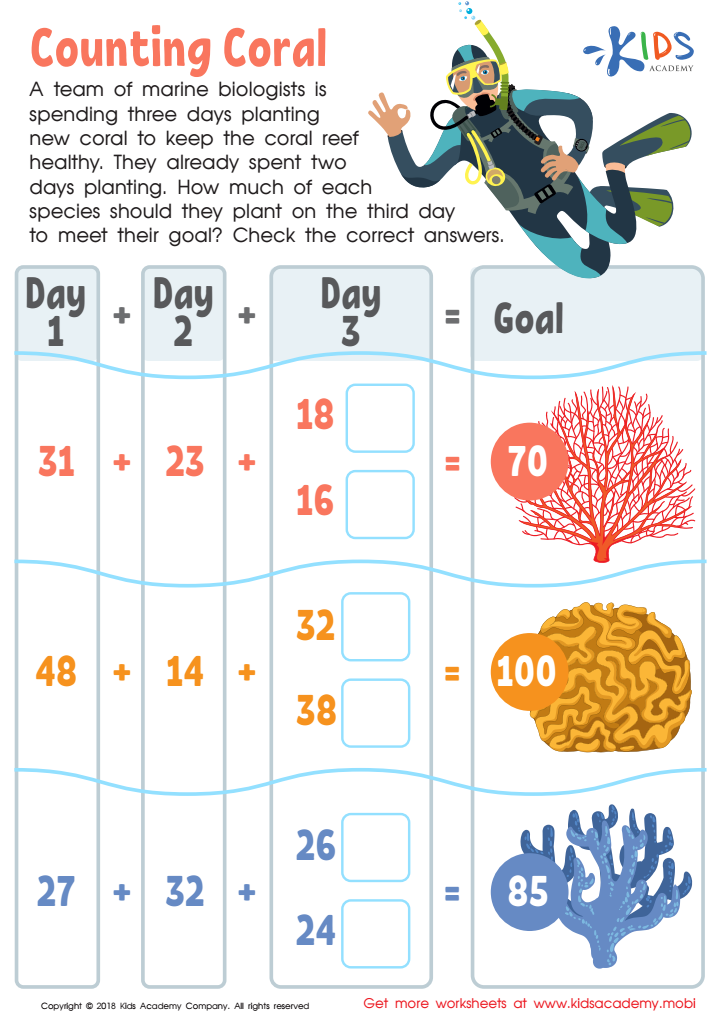
Counting Coral Worksheet
 Assign to My Students
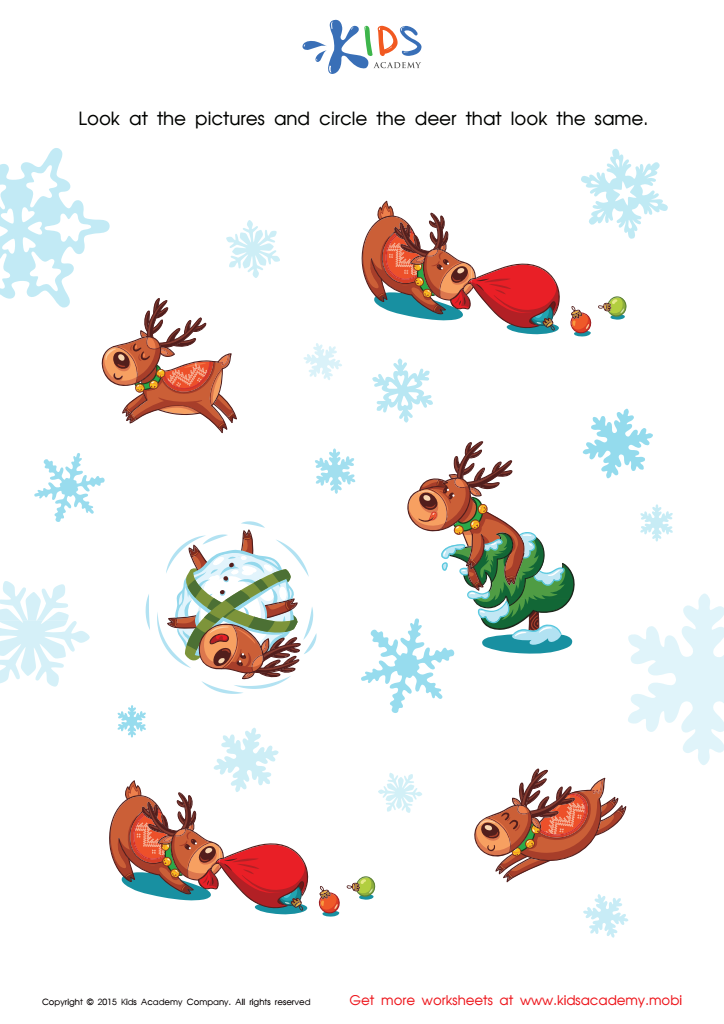
Count the Deer Worksheet
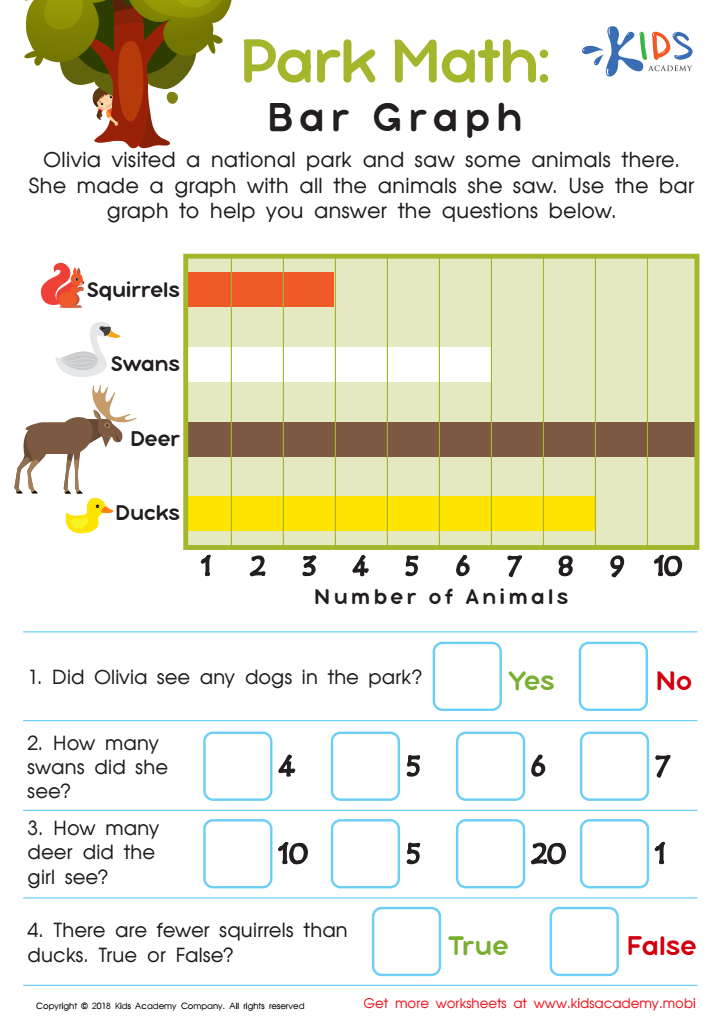
Park Math: Bar Graph Worksheet
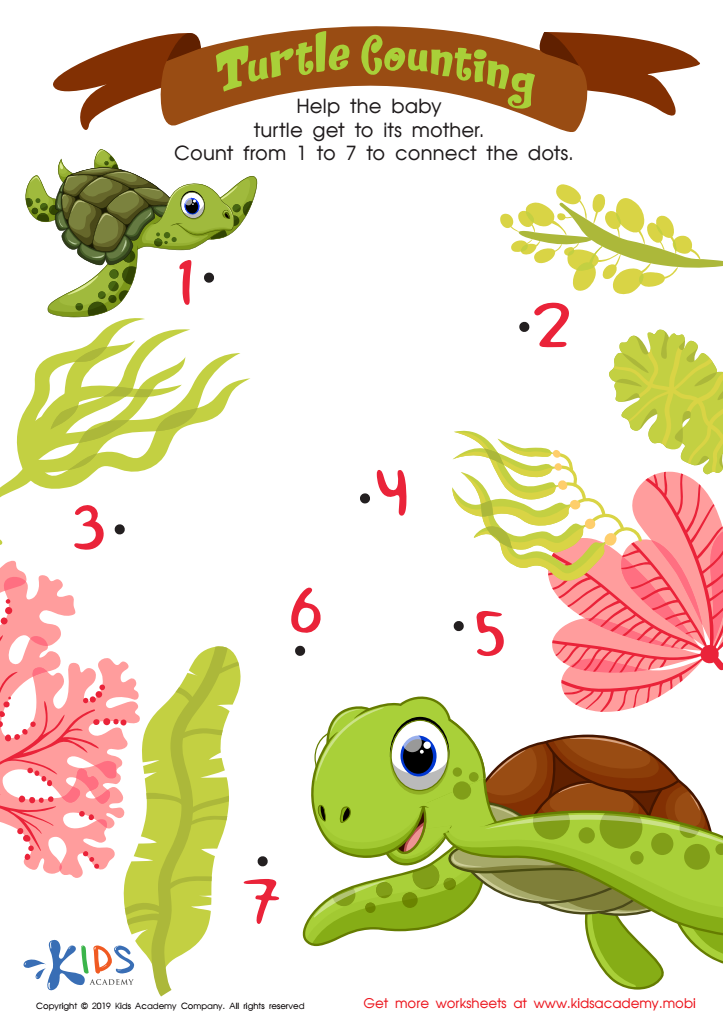
Turtle Counting Worksheet
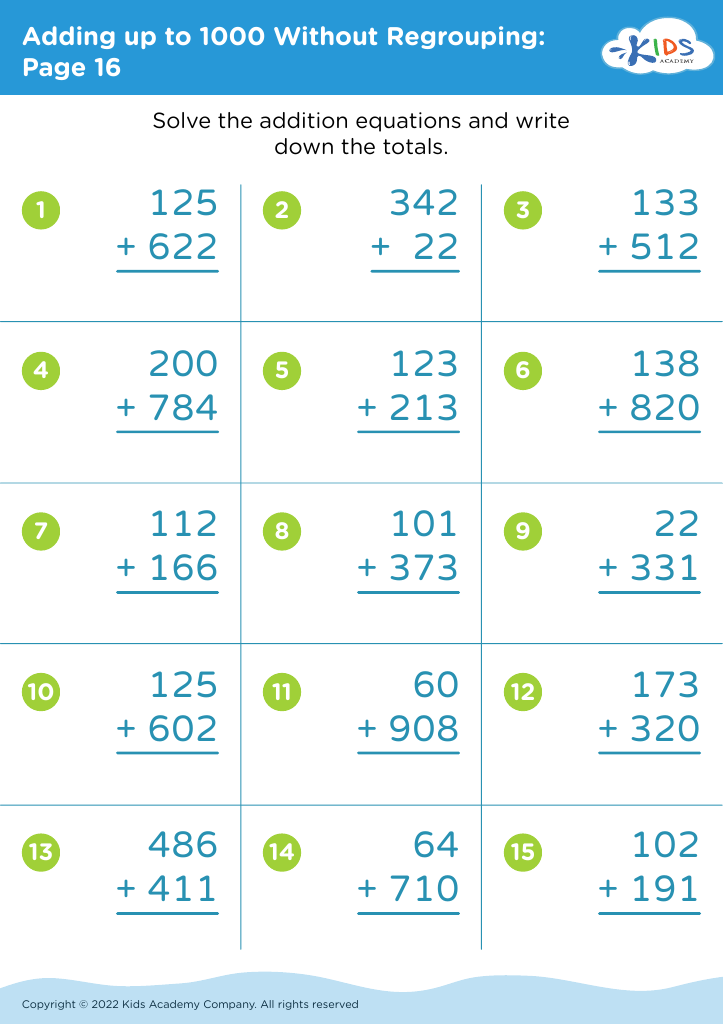
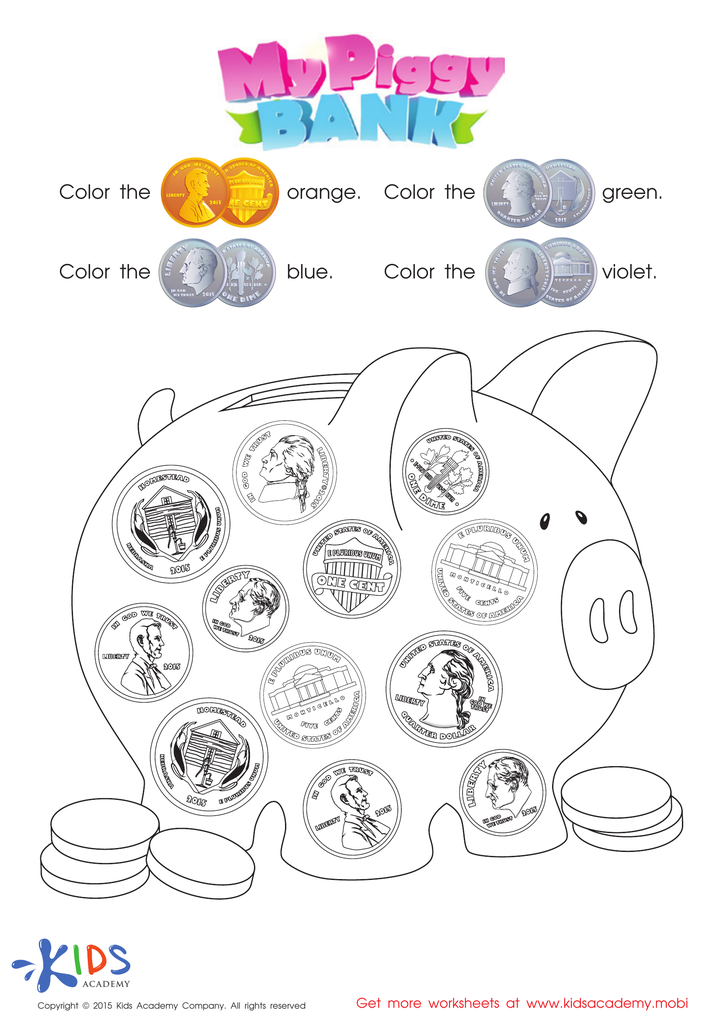
Recognizing Money Money Worksheet
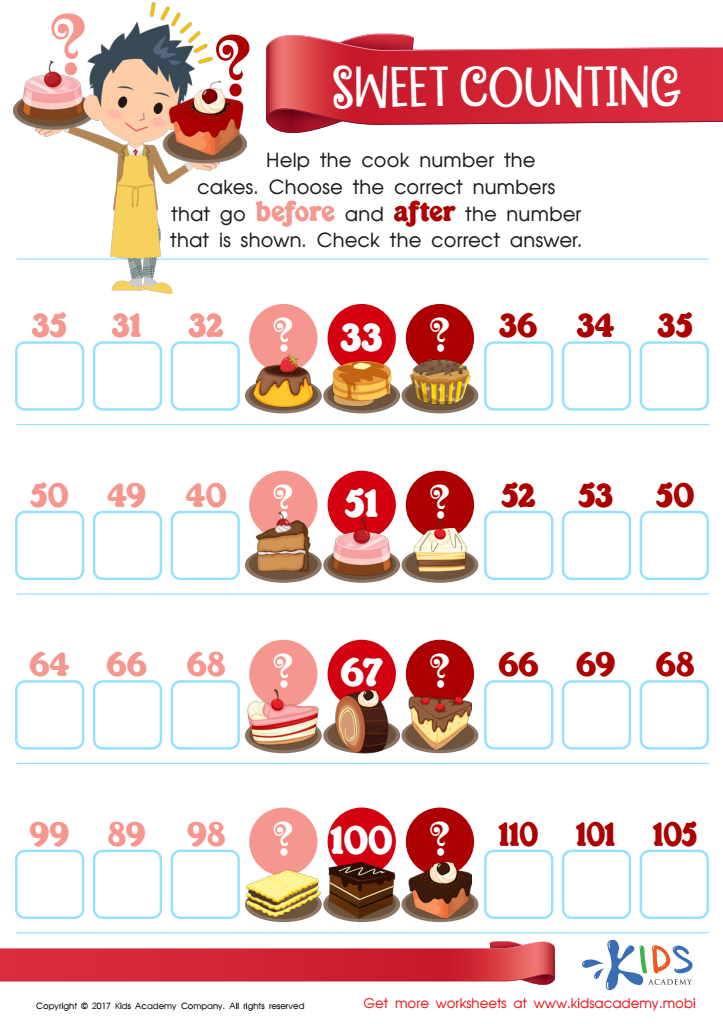
Sweet Counting - Part 1 Worksheet
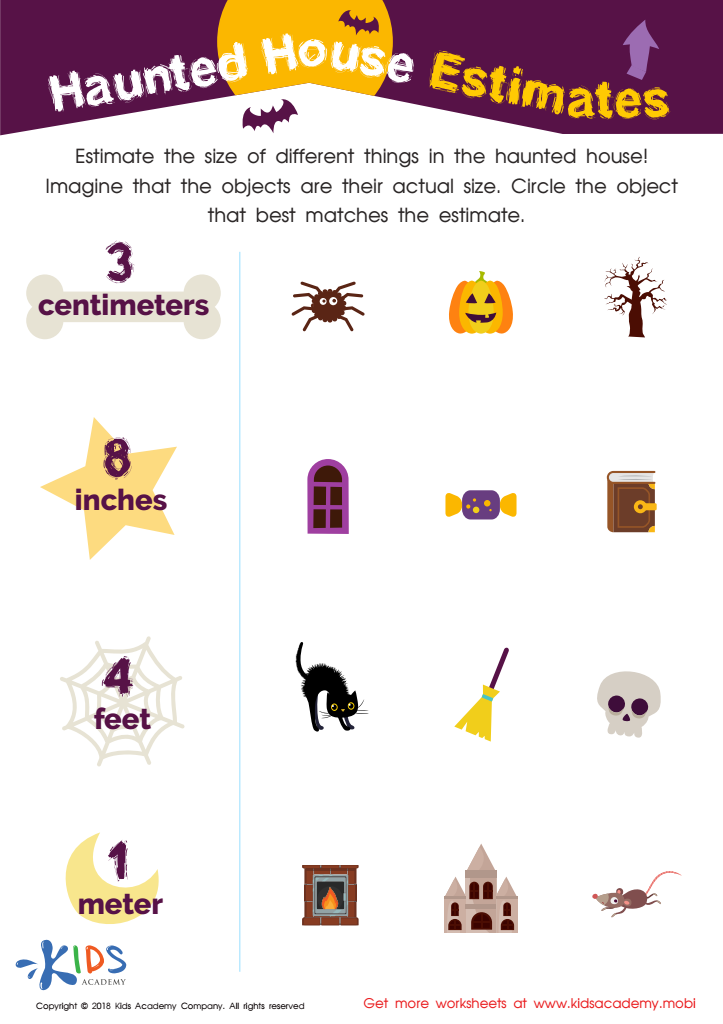
Haunted House Estimates Worksheet
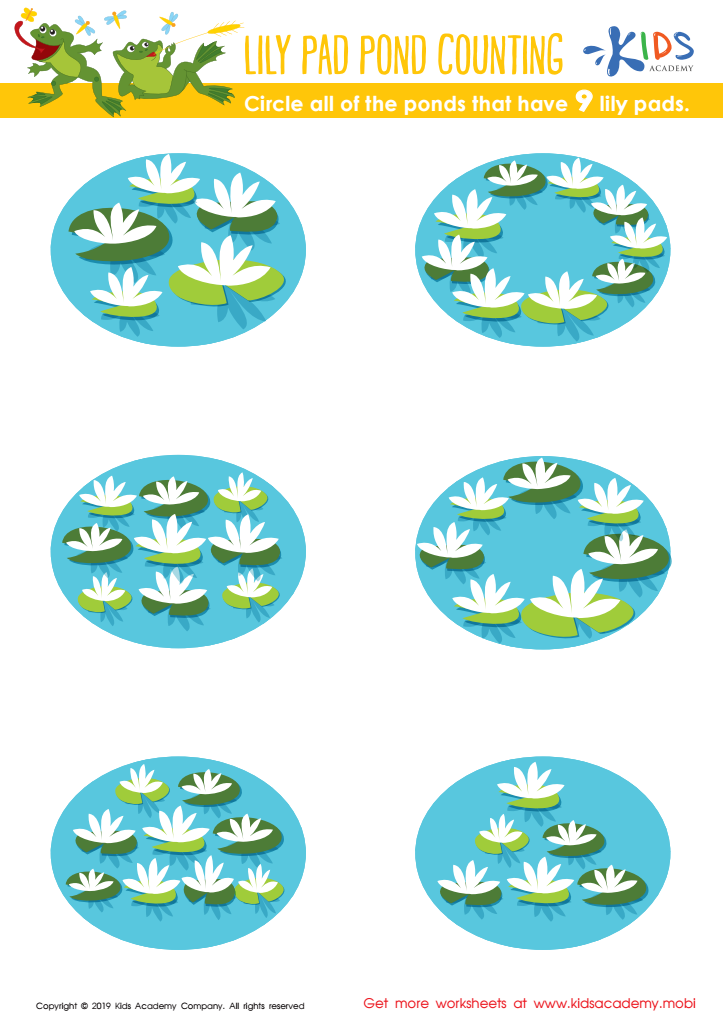
Lily Pad Pond Counting Worksheet
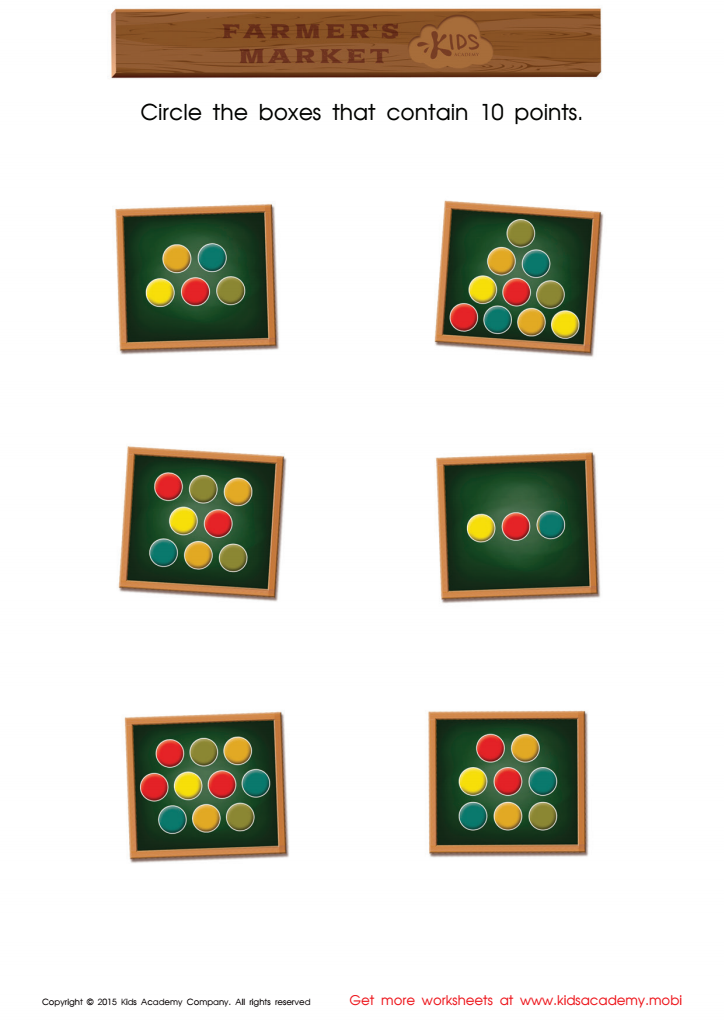
Count and Match Points 10 Math Worksheet
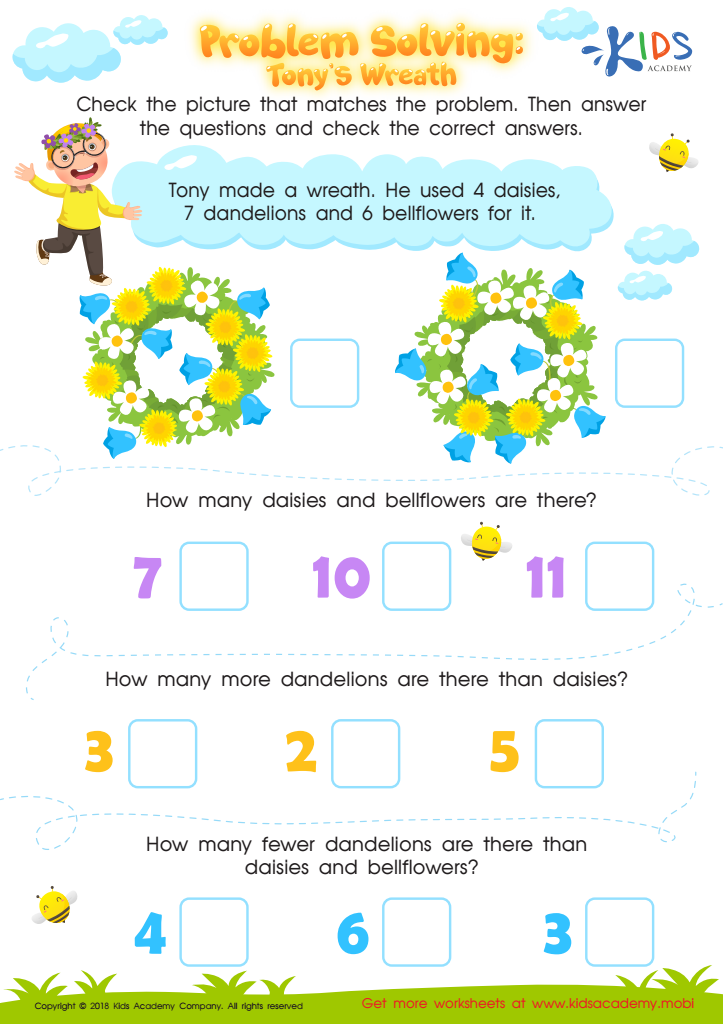
Problem Solving: Tony's Wreath Worksheet
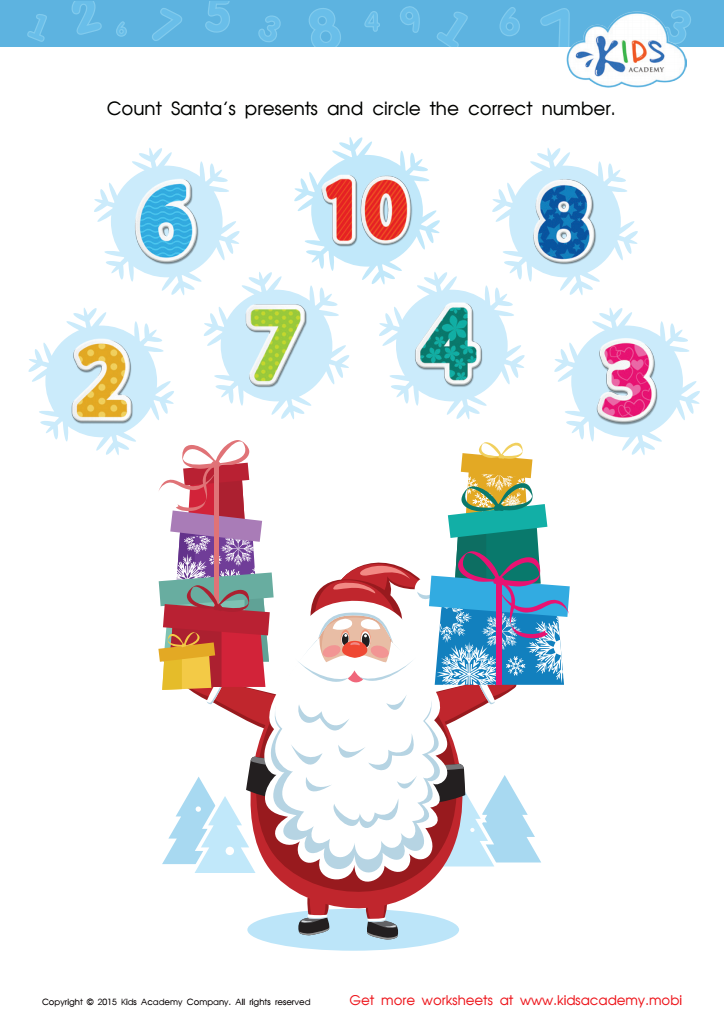
Count Santa's Presents Worksheet
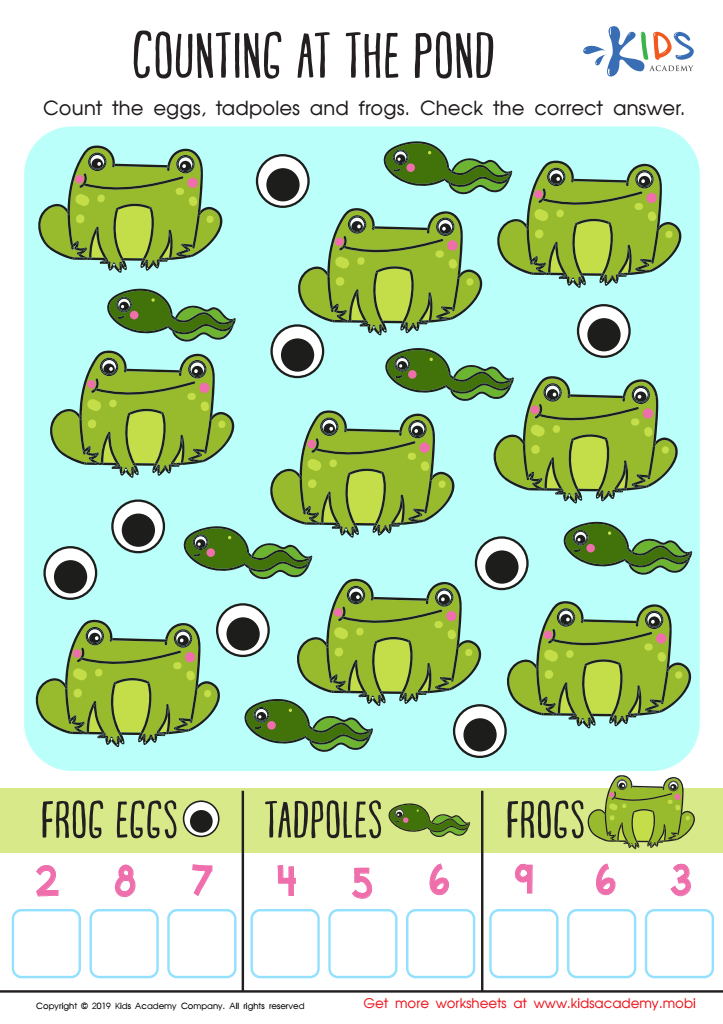
Counting at the Pond Worksheet
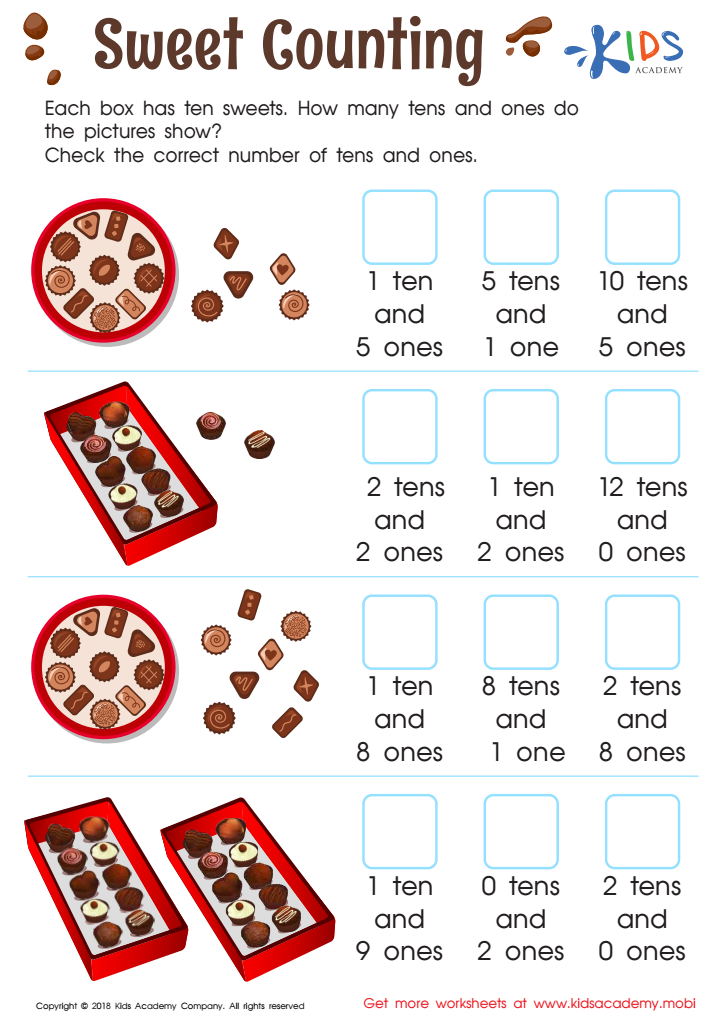
Sweet Counting - Part 2 Worksheet
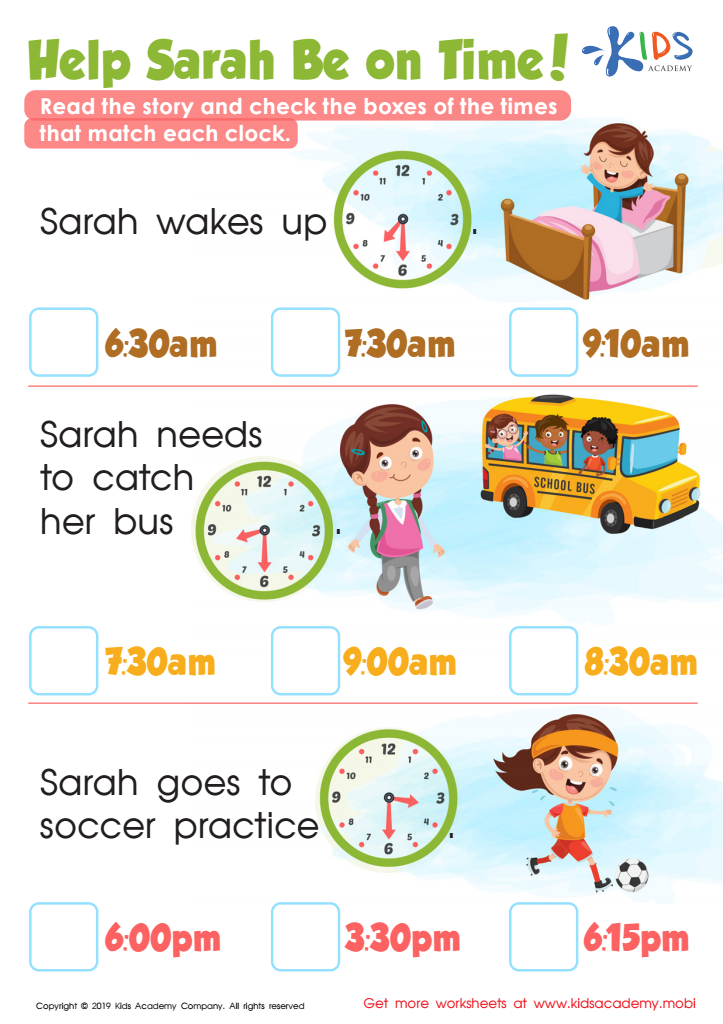
Help Sarah Be on Time! Worksheet
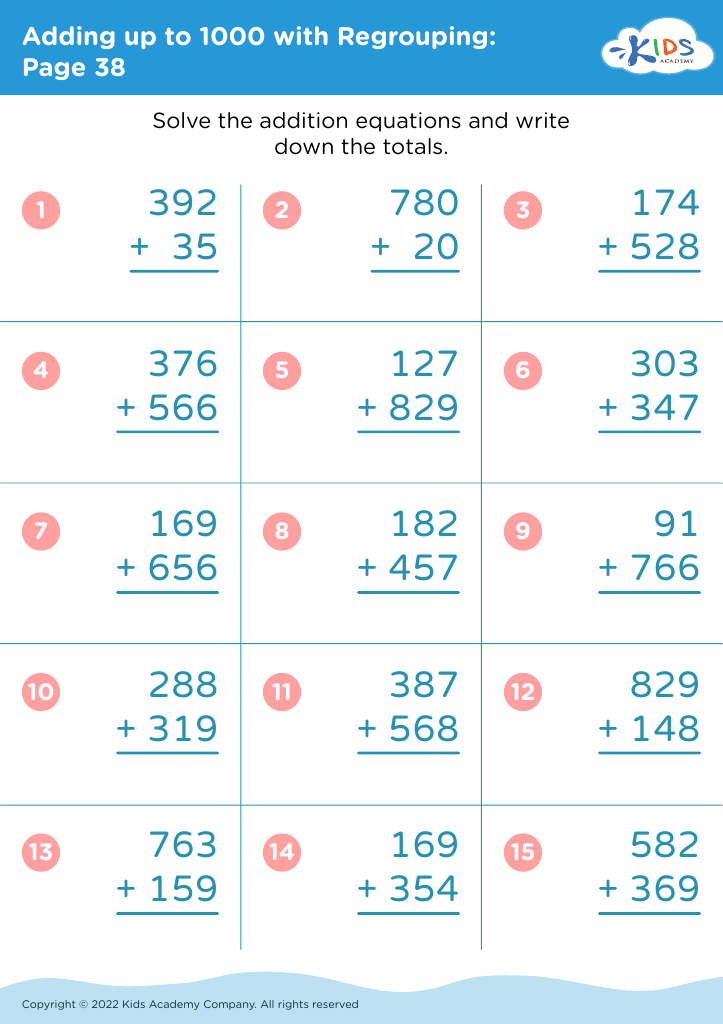
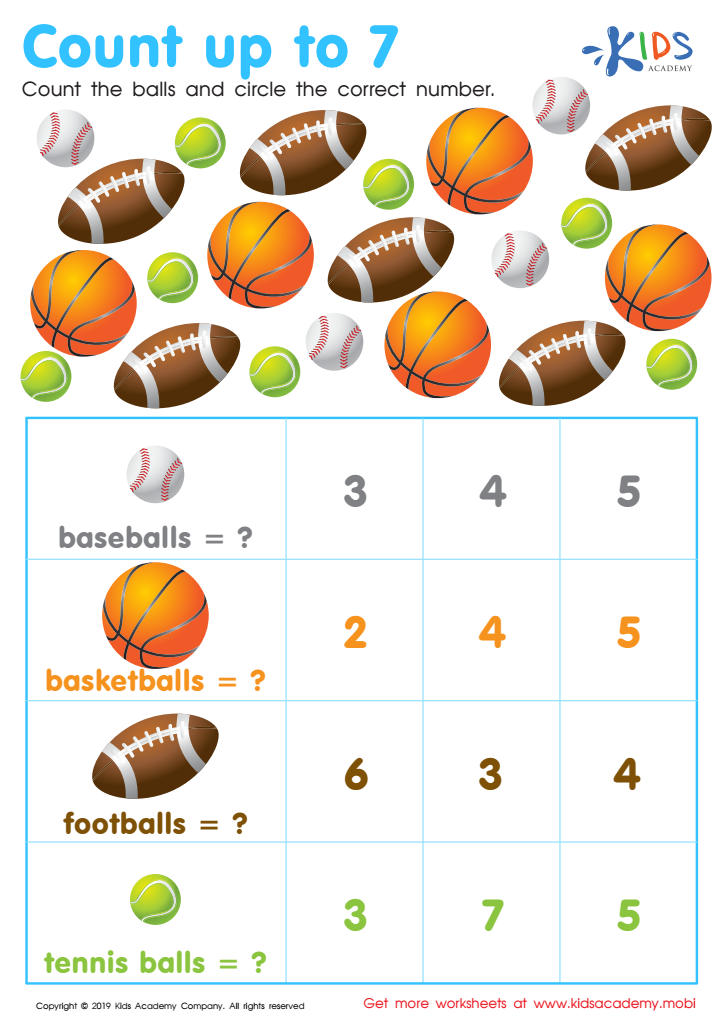
Count up to 7 Worksheet
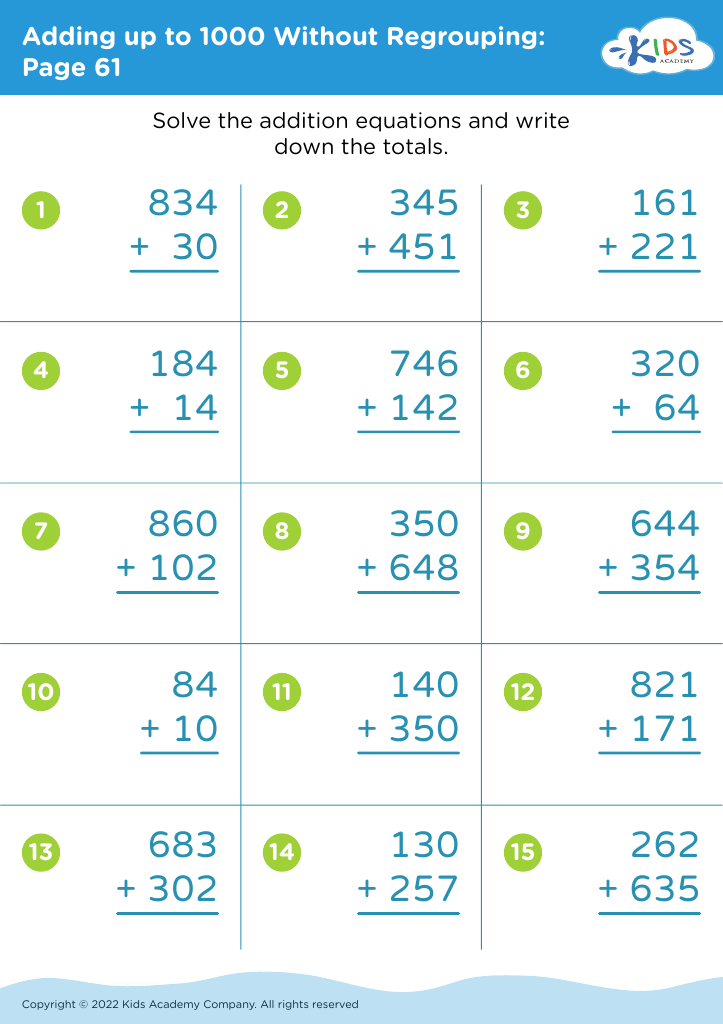
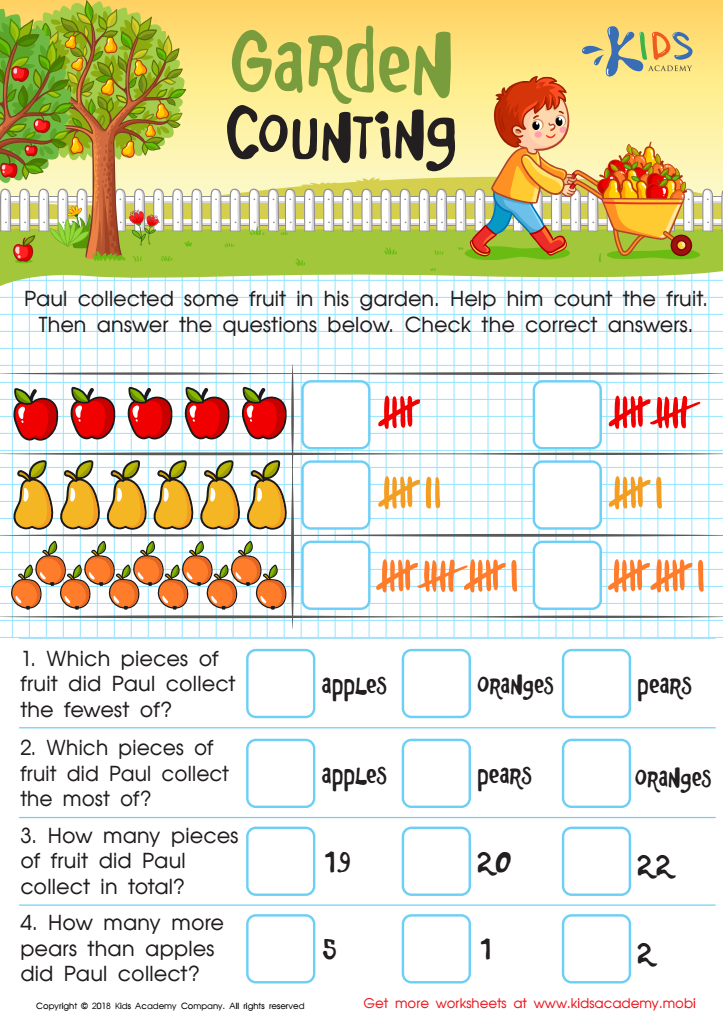
Garden Counting Worksheet
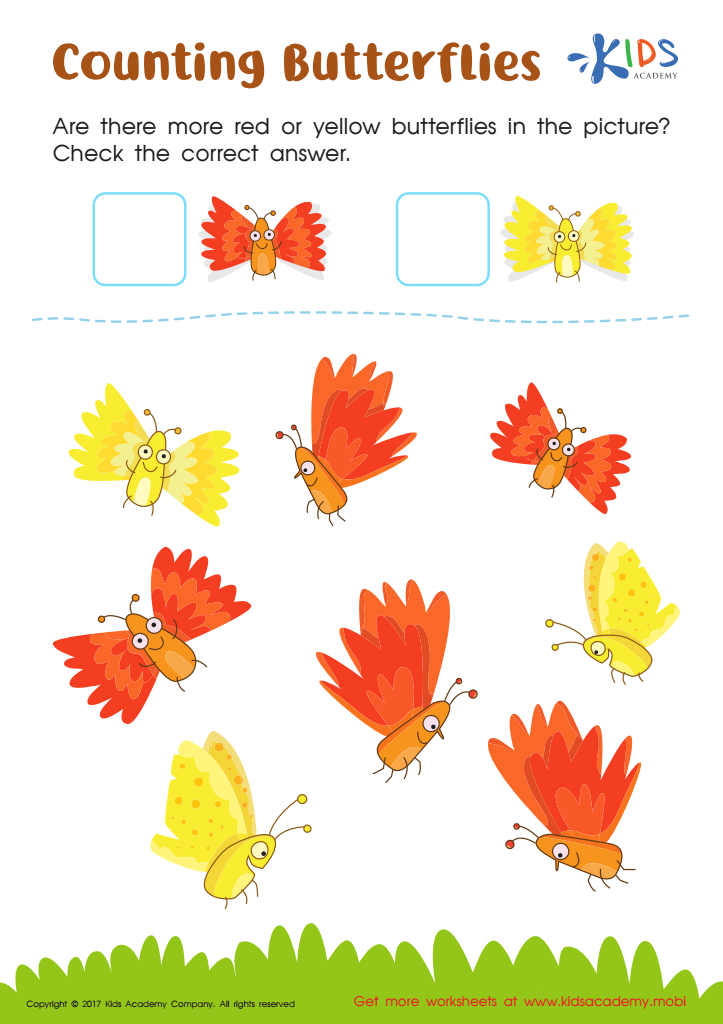
Counting Butterflies Worksheet
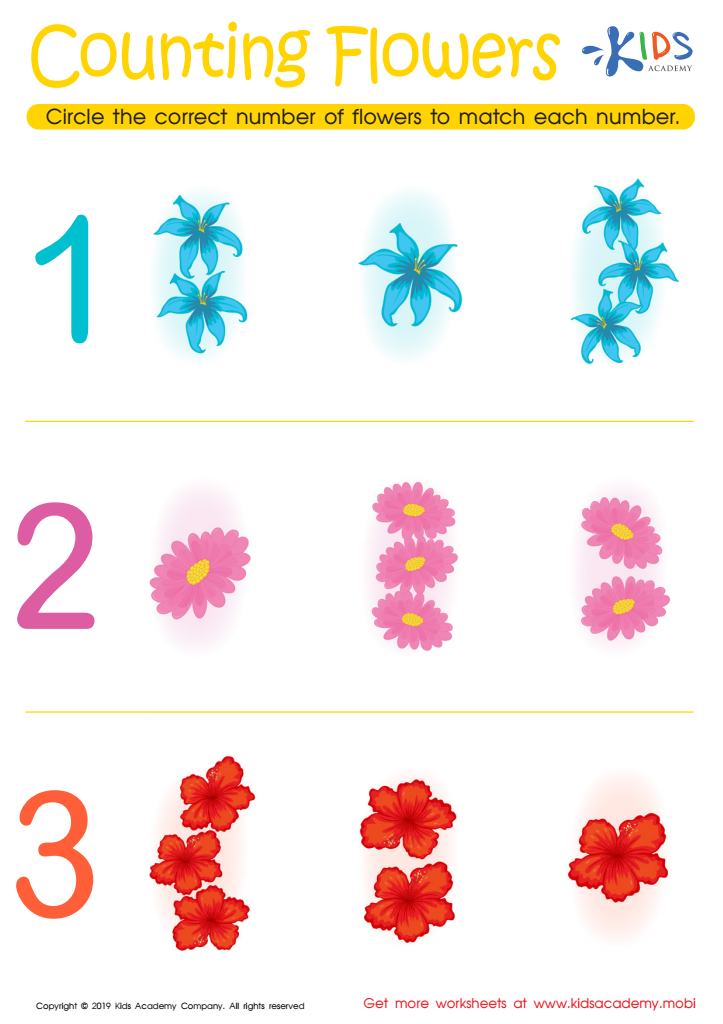
Counting Flowers Worksheet
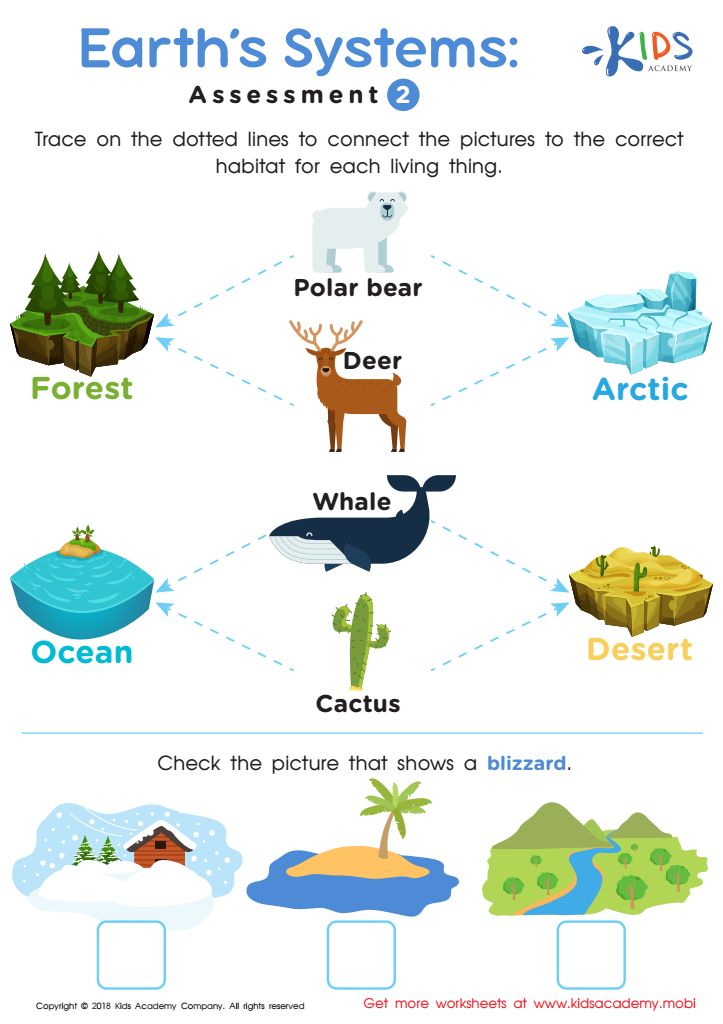
Earth's Systems: Assessment 2


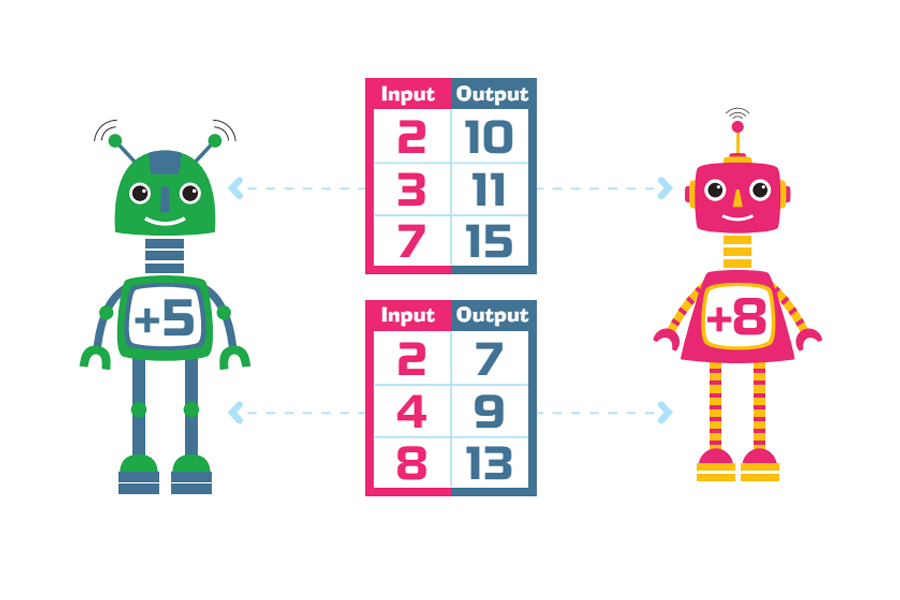





Understanding basic addition is crucial for children aged 4-7 as it lays the foundation for more advanced mathematical concepts. At this formative stage, children develop their cognitive abilities, and mastering basic addition helps enhance critical thinking and problem-solving skills. Moreover, it builds their confidence—success in learning small math problems can empower children and foster a positive attitude towards learning.
Parents and teachers play a vital role in reinforcing these skills. Engaging children with fun activities such as games, songs, and everyday situations can make math more relatable and less intimidating. By normalizing math conversations in daily life, adults can help children see the practicality of addition, from counting toys to sharing snacks.
Furthermore, basic addition is interconnected with various life skills. It helps children navigate through finances, understand time, and develop spatial awareness. Early math skills are also predictive of later academic success, reinforcing the importance of solid foundations.
Investing time and effort into helping children grasp these concepts not only nurtures academic competence but also prepares them for a lifetime of learning and growth. By prioritizing math education, adults can empower young learners to thrive in both academics and in their personal lives.








