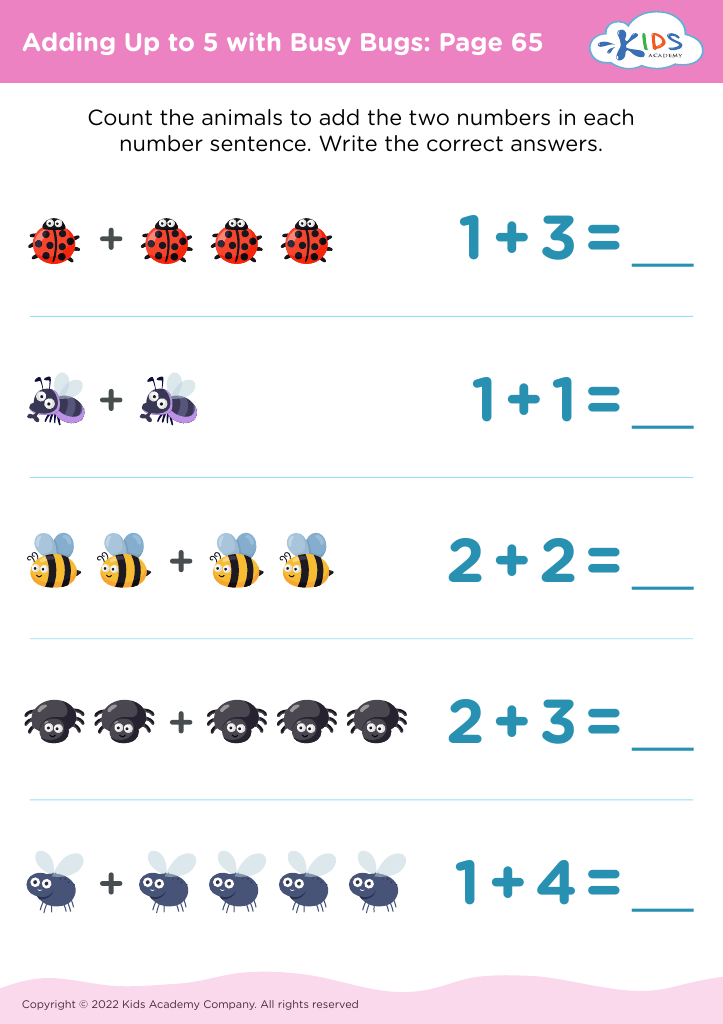
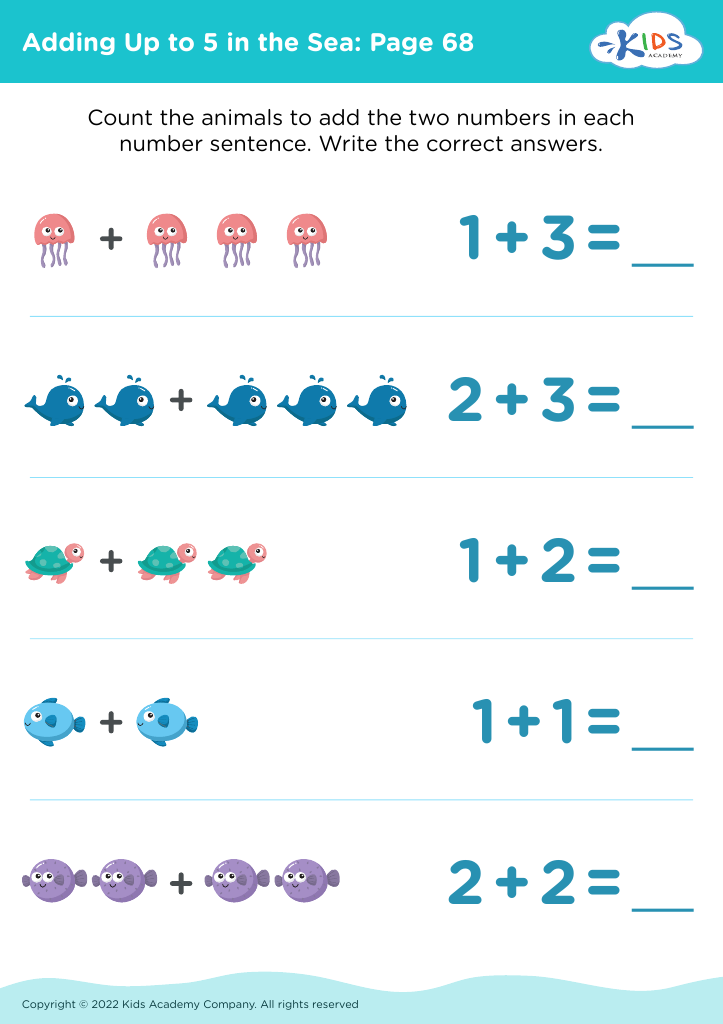
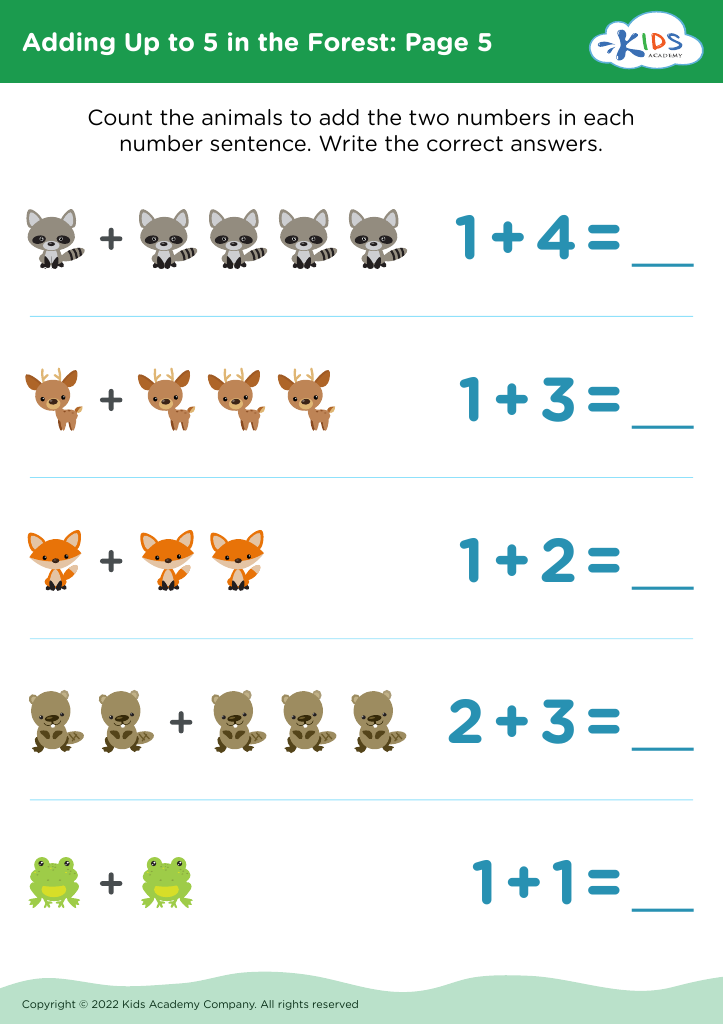
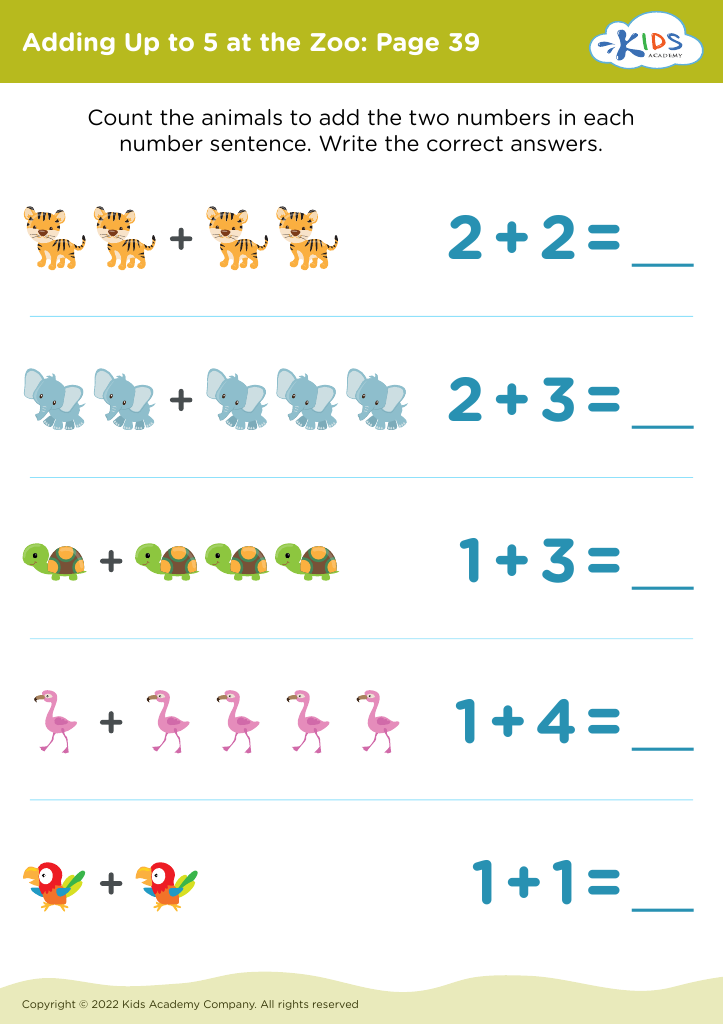








Parents and teachers should care deeply about basic arithmetic for children aged 4-7, as early mathematical skills are critical not just for succeeding at higher levels of education, but for everyday life. At this tender age, children’s brains are incredibly receptive to new information, and foundational math skills form a bedrock for cognitive development. Learning concepts like counting, addition, and subtraction improve logical thinking and problem-solving abilities.
Introducing arithmetic early also instills confidence and reduces anxiety around the subject in later years. When kids see math as a fun and manageable challenge, they are likely to approach more complex problems with a positive mindset. Moreover, early math proficiency is linked to future academic success across multiple subjects. Skills like recognizing patterns, sequencing, and understanding the concept of quantity, directly influence literacy as well.
For teachers, integrating basic arithmetic into playful activities can make learning enjoyable, ensuring children aren’t overwhelmed. For parents, it provides valuable opportunities for bonding and observing their child’s development firsthand.
In essence, setting a strong mathematical foundation during these early years paves the way for lifelong learning and logical reasoning, making it an essential focus for both educators and parents.








