Basic Math Skills Math Worksheets for Ages 4-7 - Page 3
160 filtered results
-
From - To
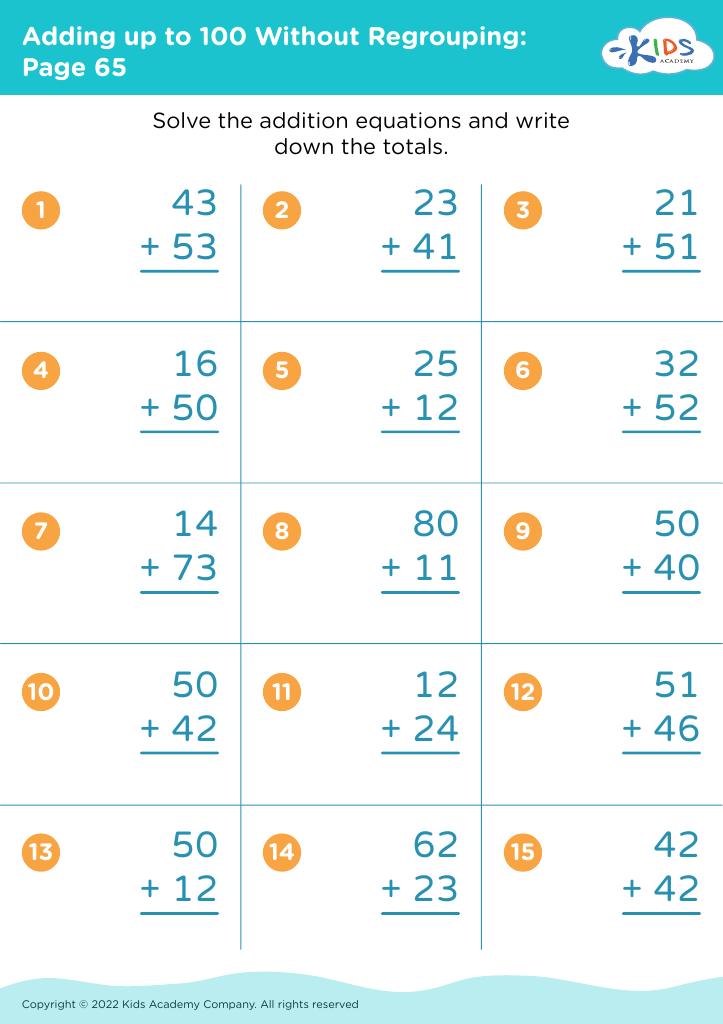
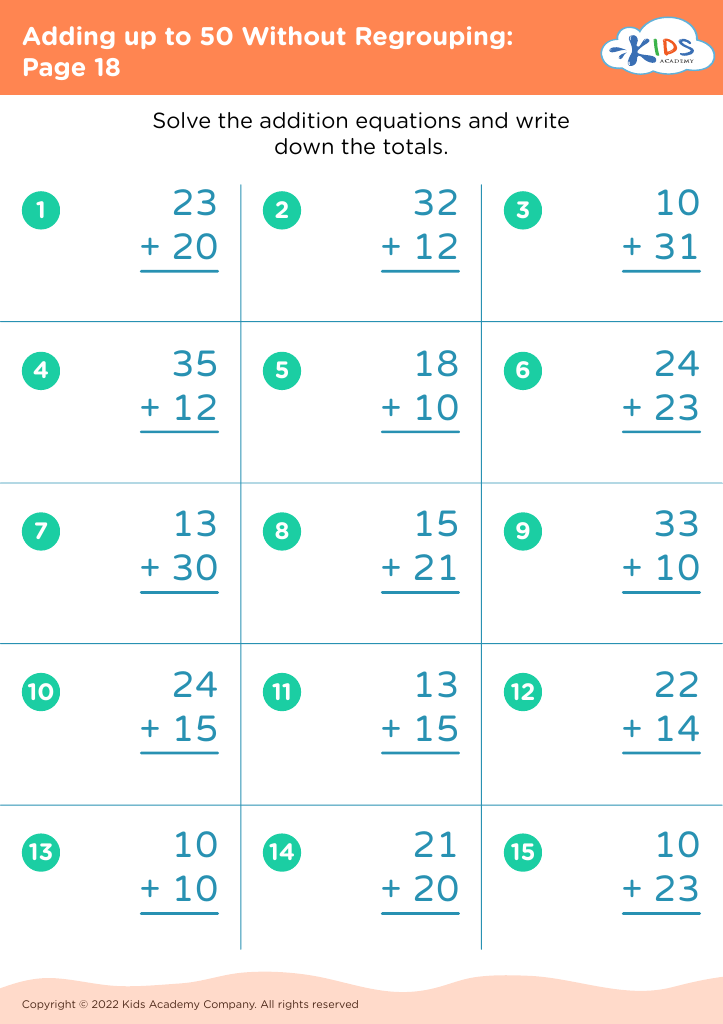
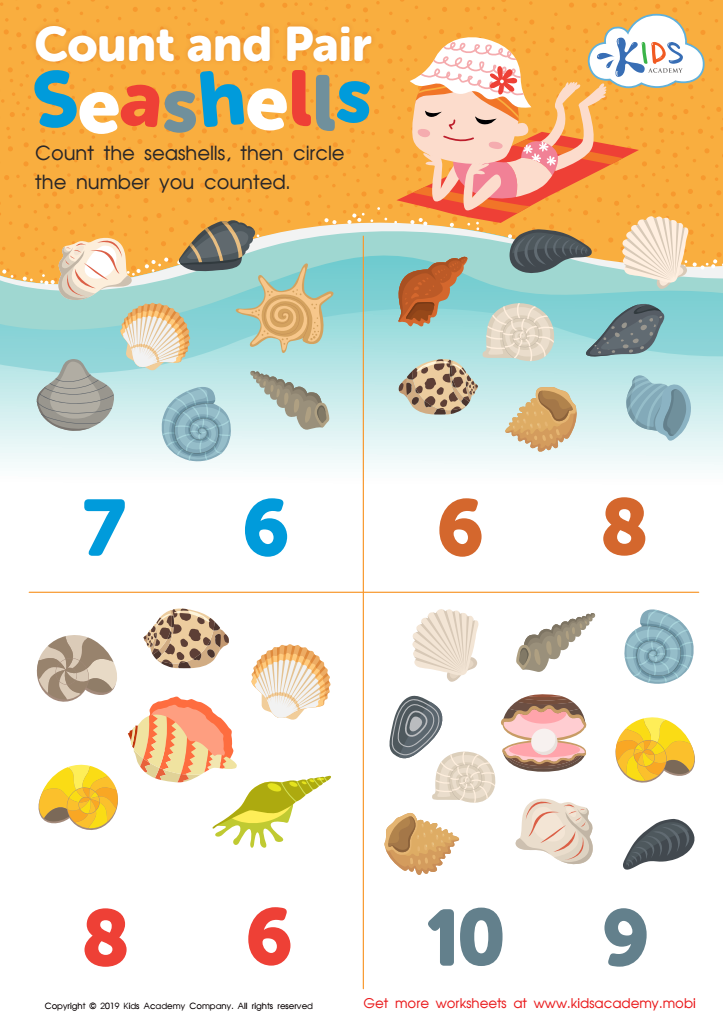
Count and Pair Seashells Worksheet
 Assign to My Students
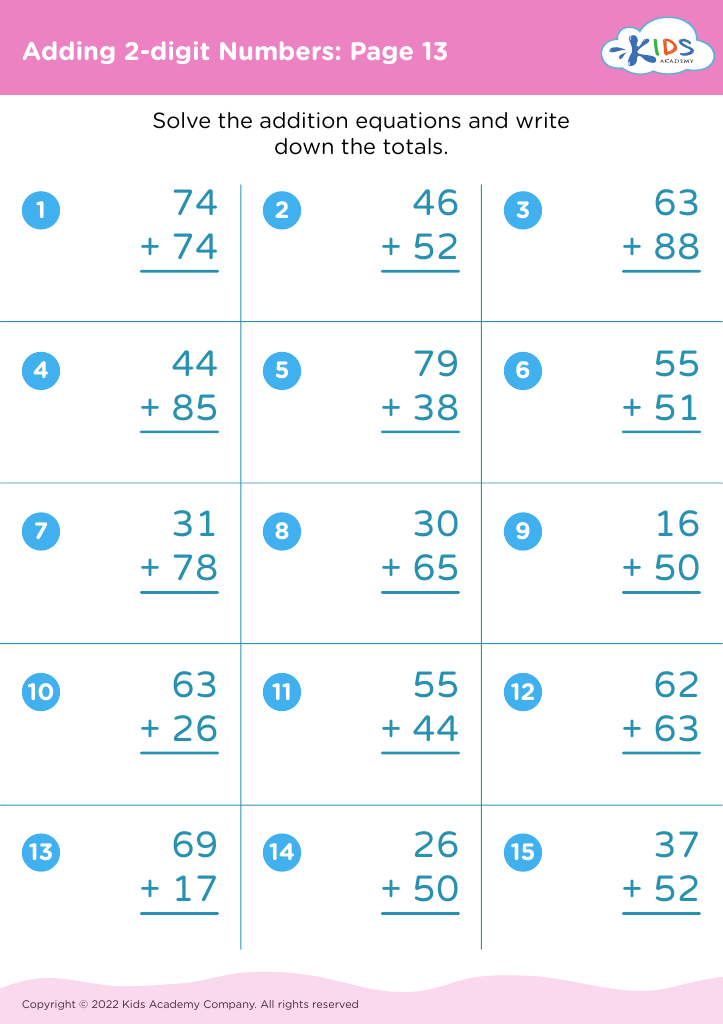
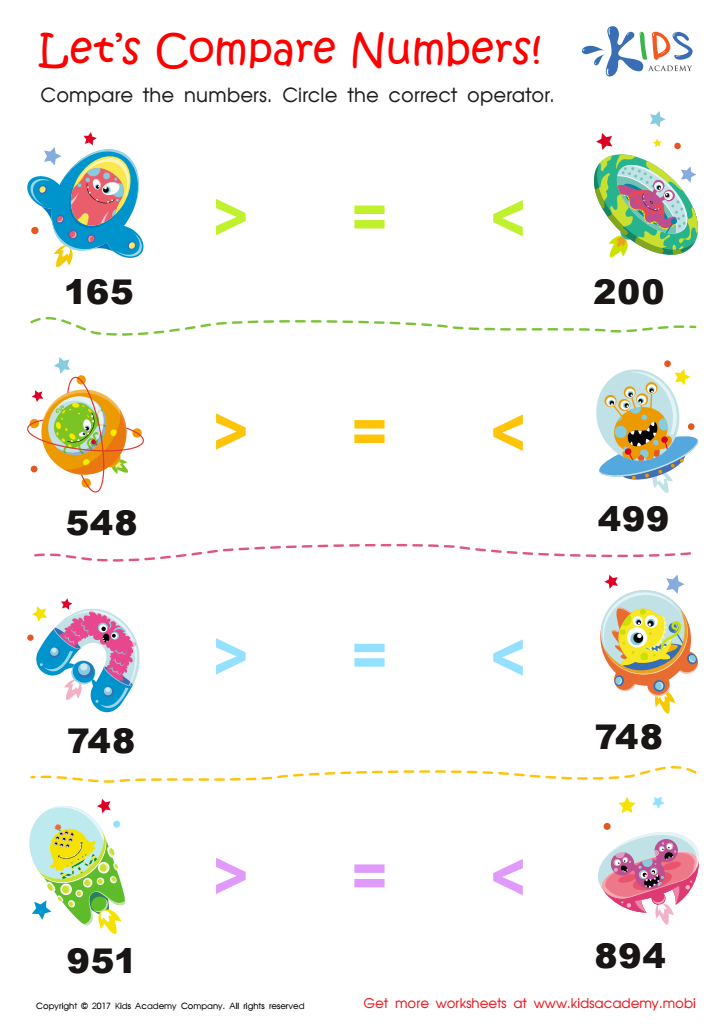
Comparing Numbers Worksheet for 2nd Grade
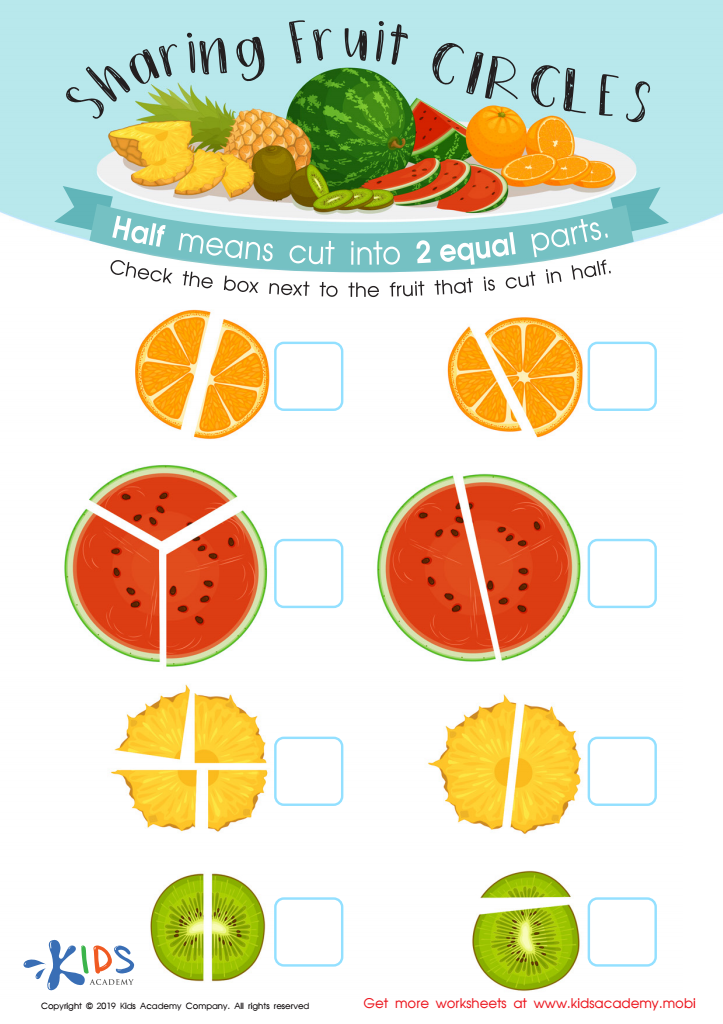
Sharing Fruit Circles Worksheet
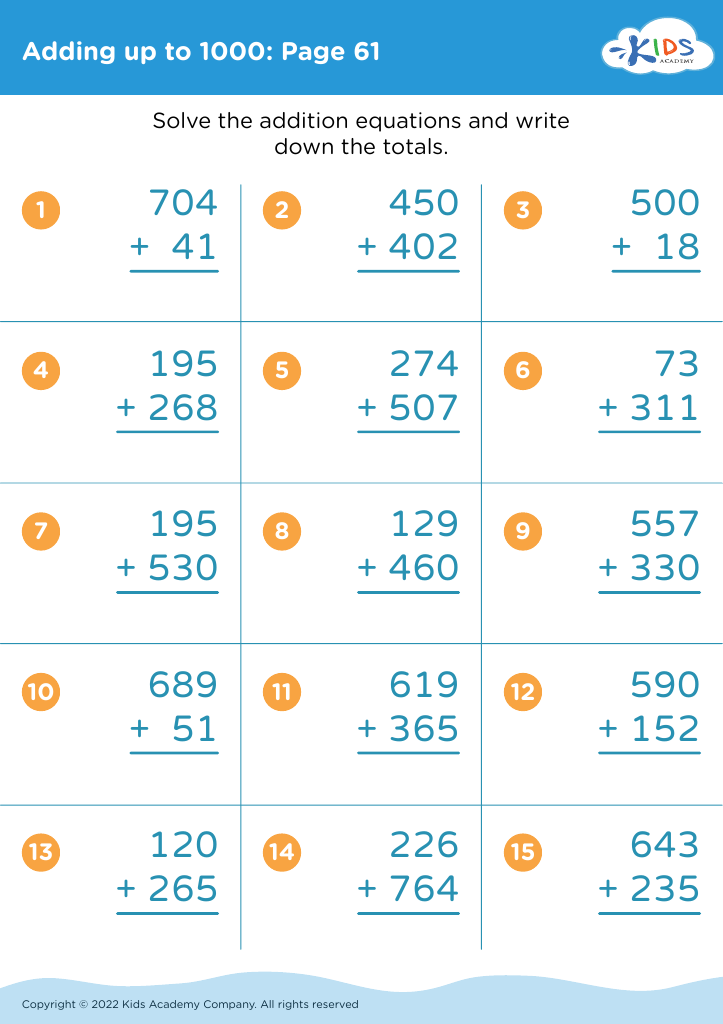
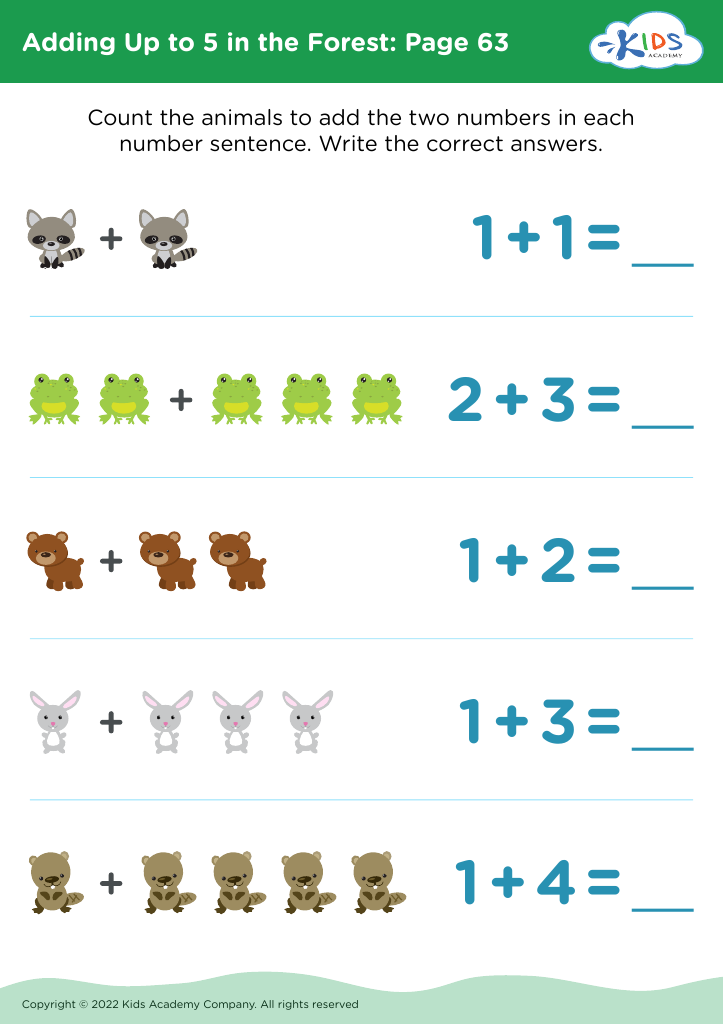
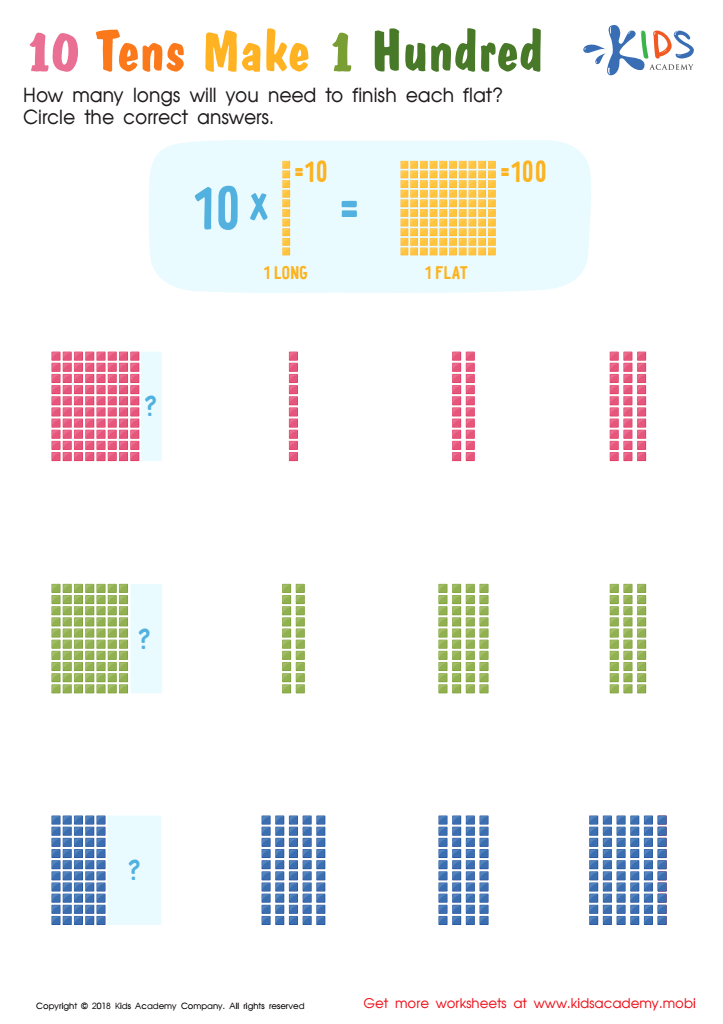
10 Tens Make 1 Hundred Worksheet
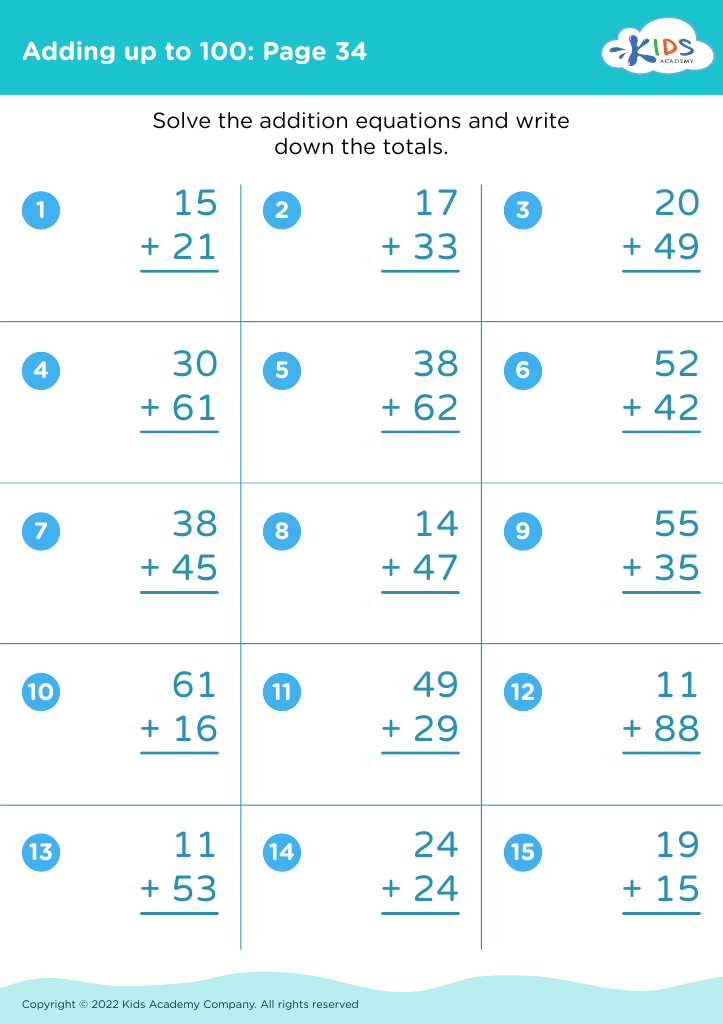
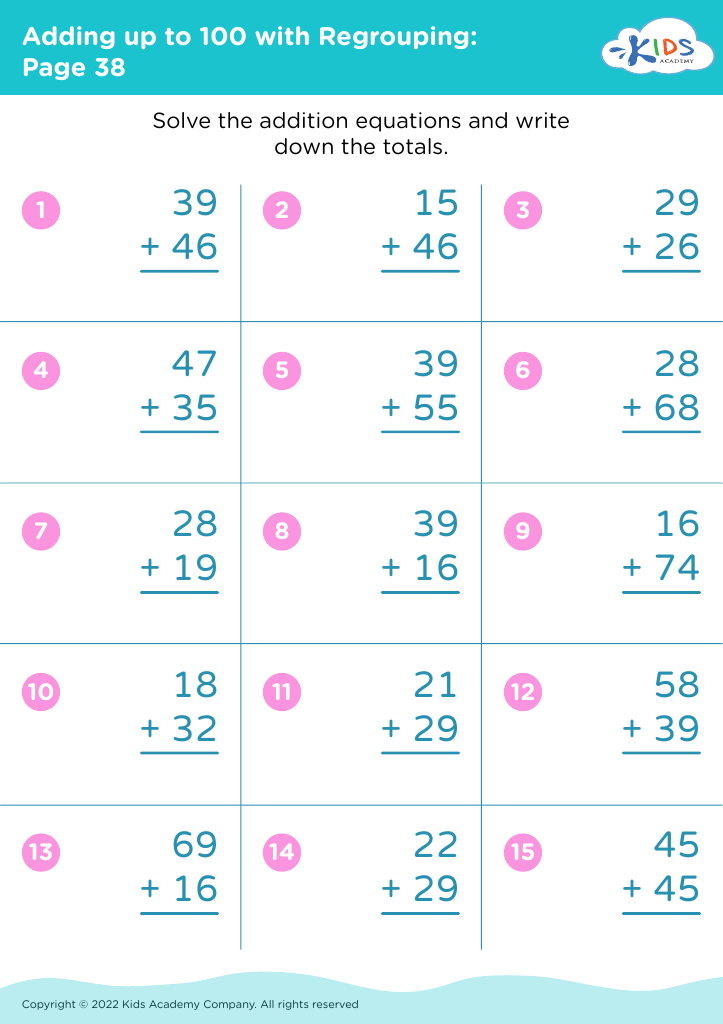
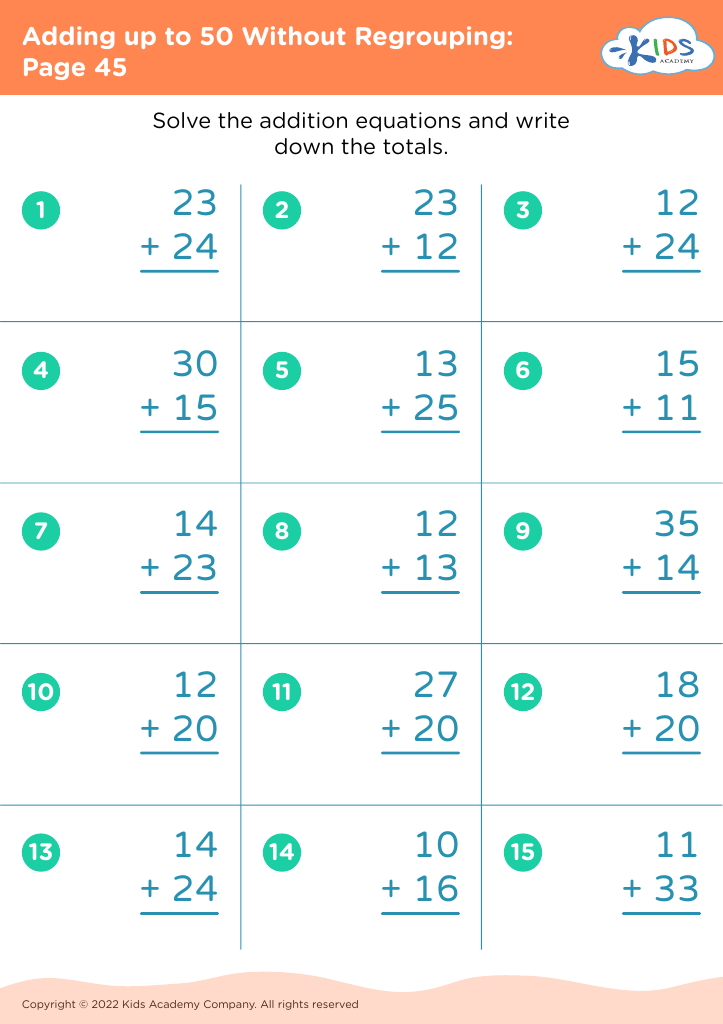
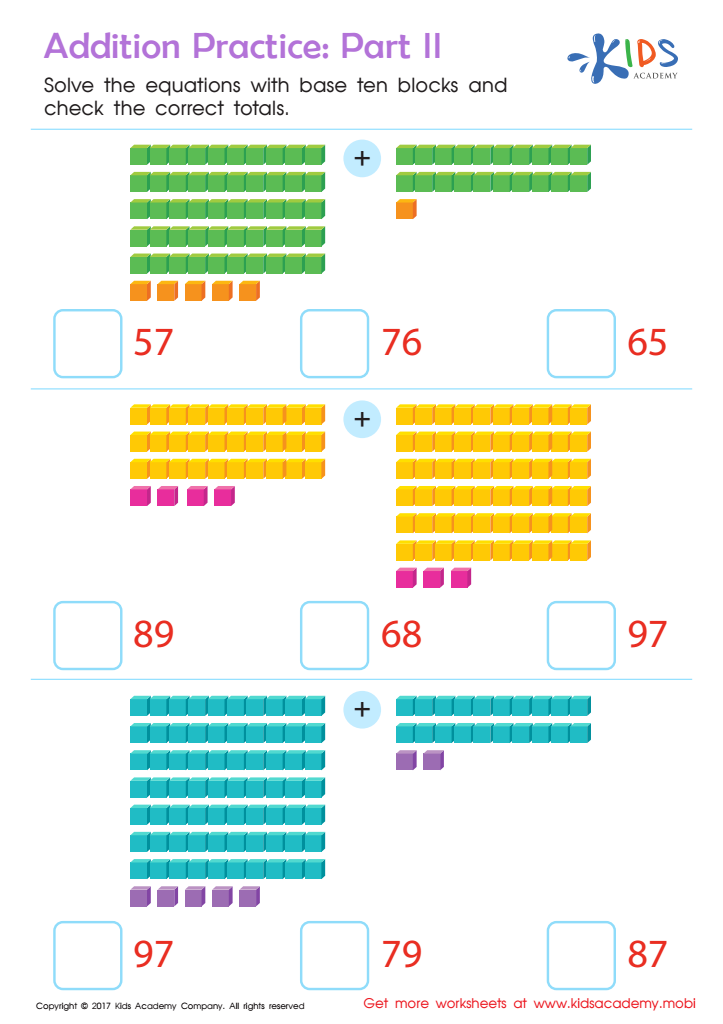
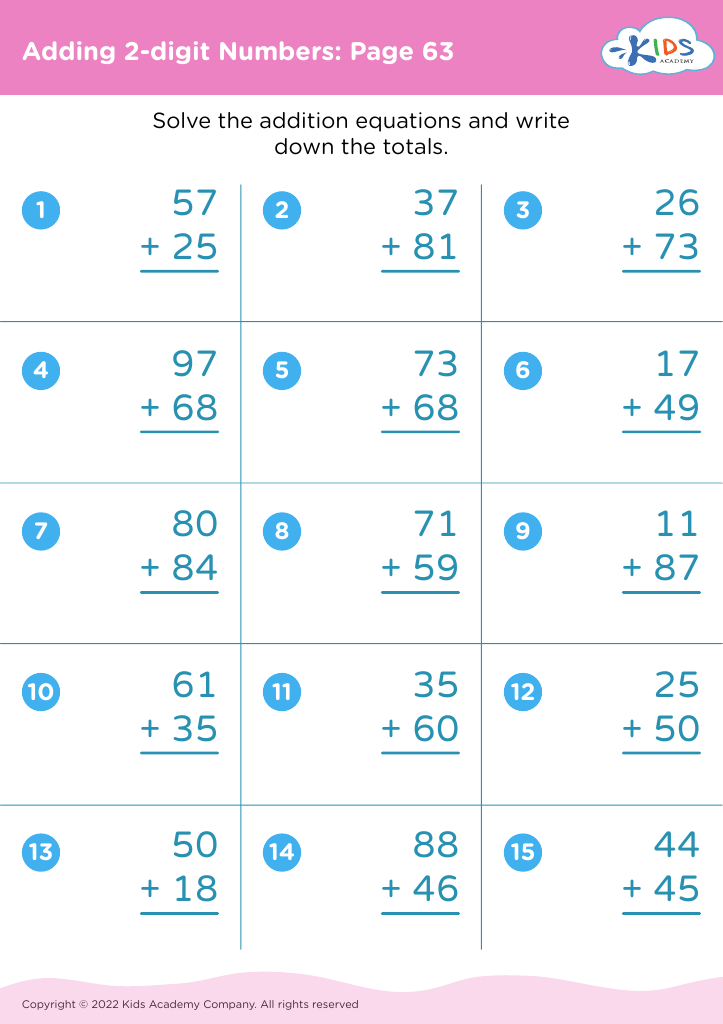
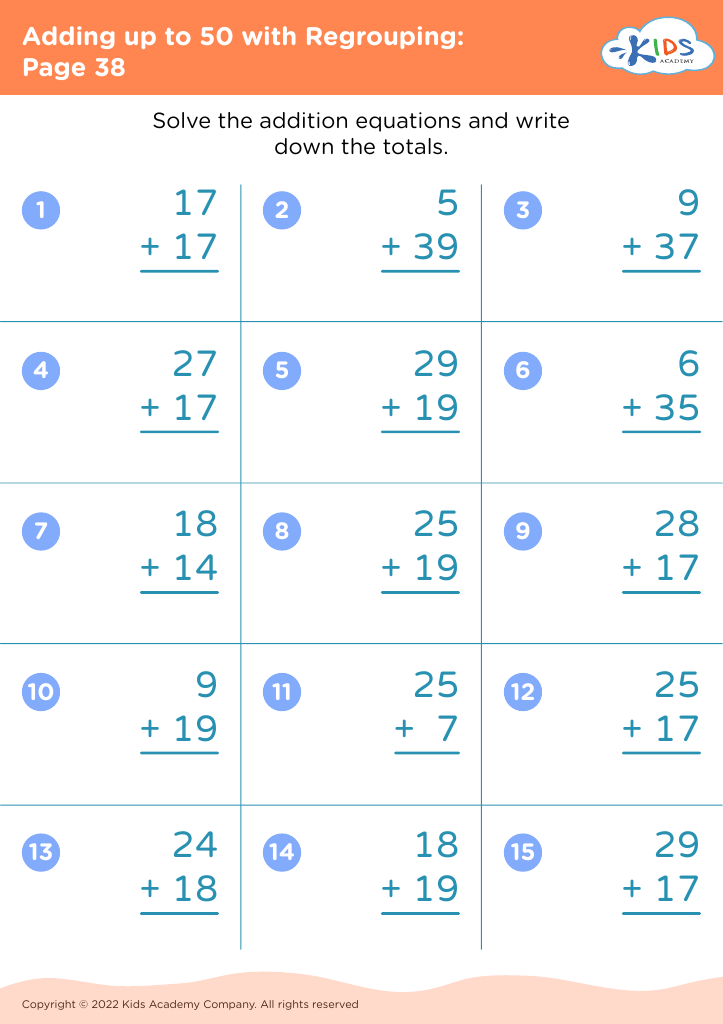
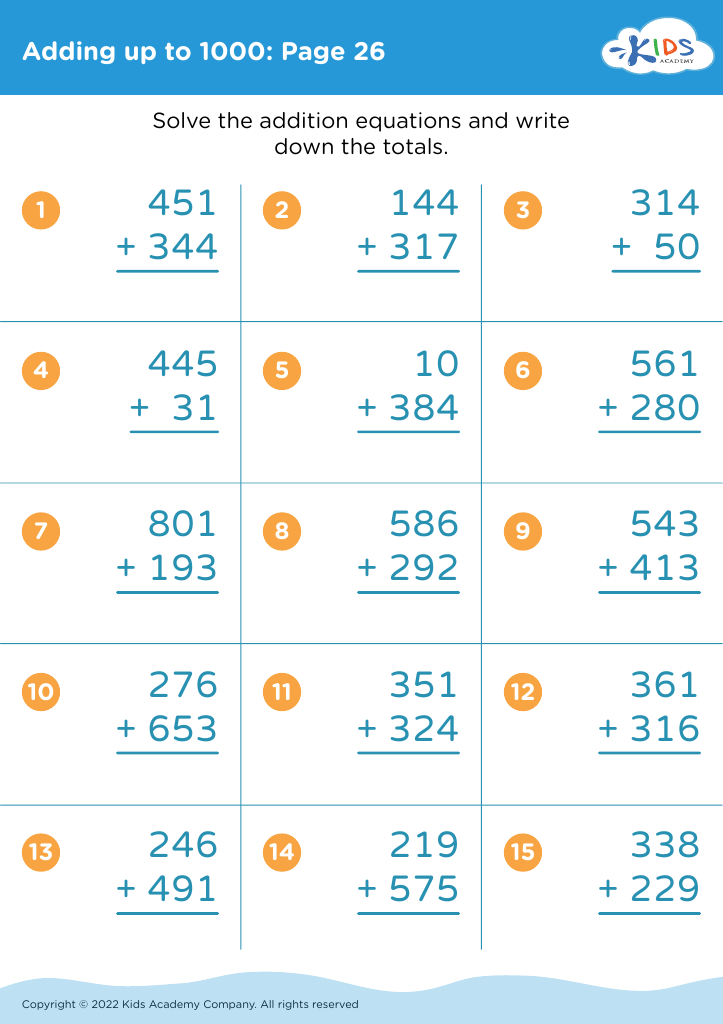
Addition Practice Sheet: Part 2
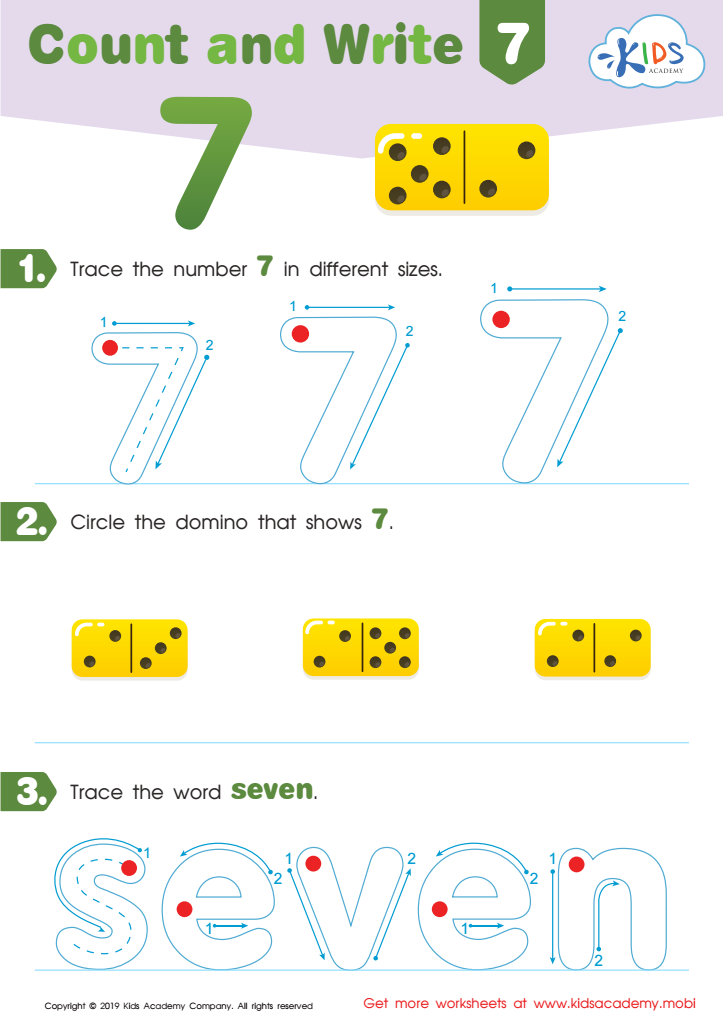
Count and Write 7 Worksheet
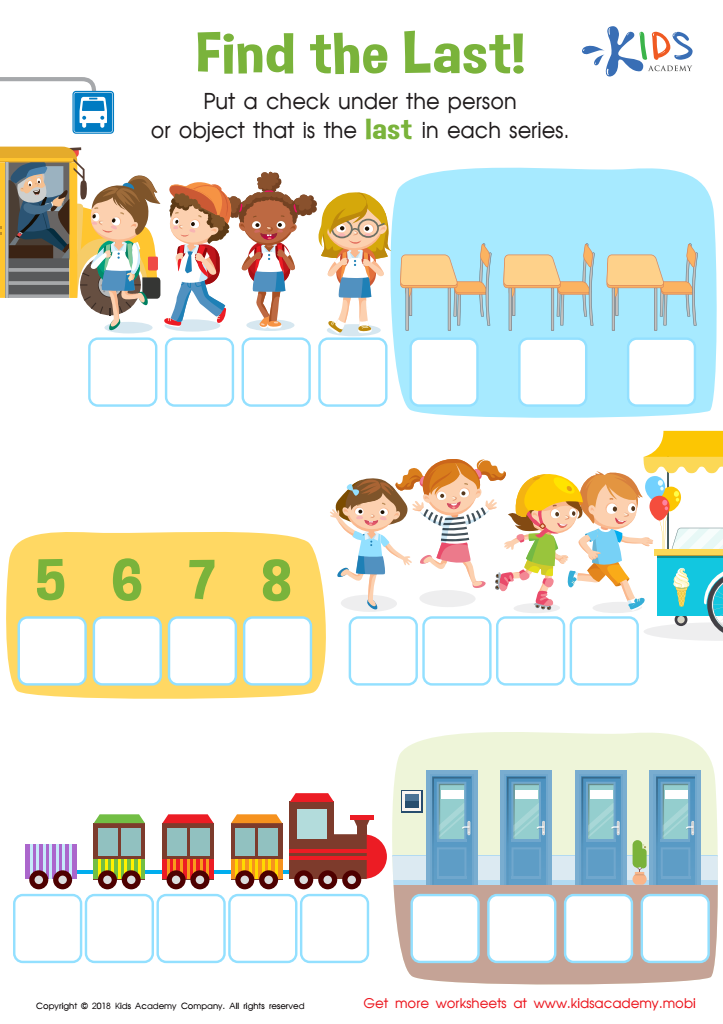
Find the Last! Worksheet
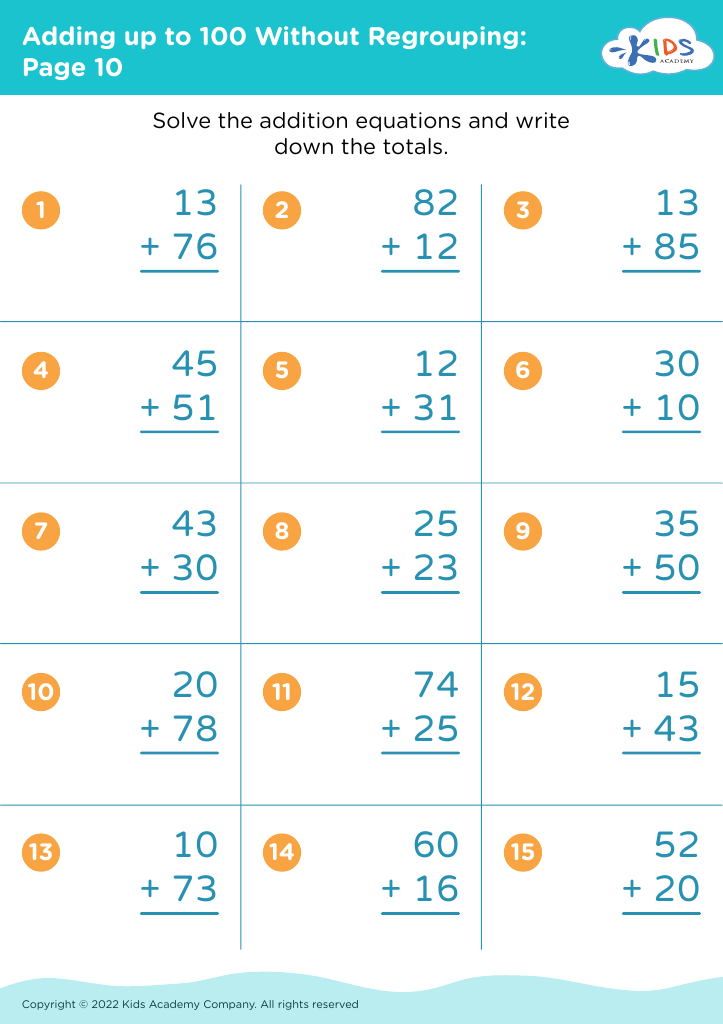
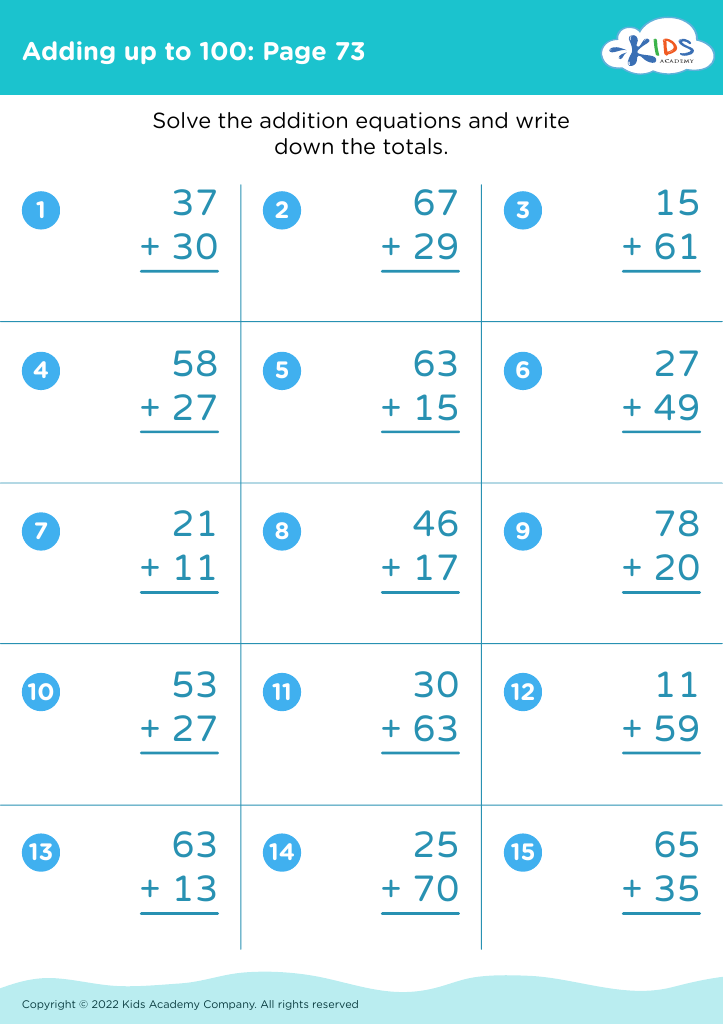
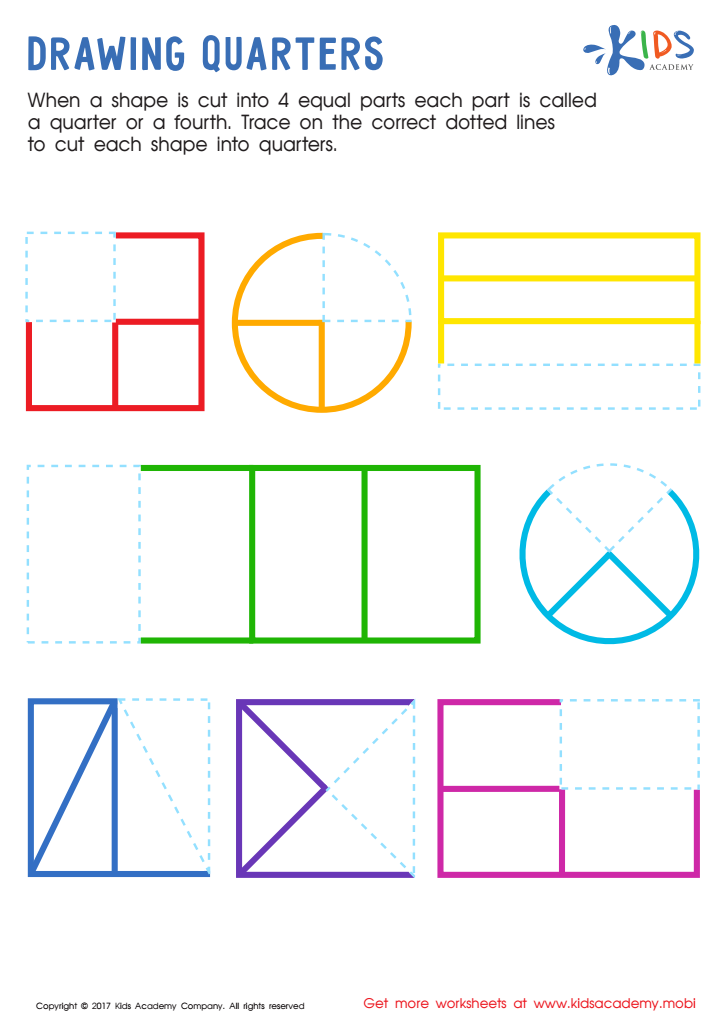
Drawing Quarters Worksheet
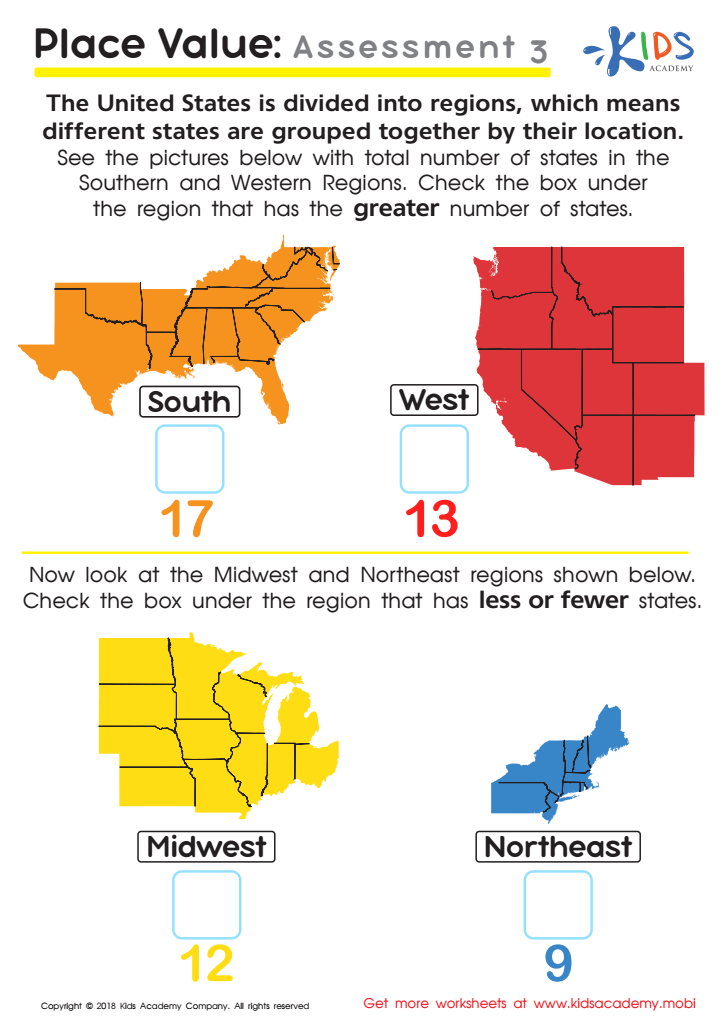
Place Value: Assessment 3 Worksheet







Parents and teachers should prioritize basic math skills for children ages 4-7 because these foundational skills set the stage for future learning and help develop critical thinking abilities. At this age, children are naturally curious; introducing math concepts through engaging activities can foster an early love for numbers and problem-solving.
Mastering basic math skills, such as counting, addition, and subtraction, can enhance a child’s confidence and ability to tackle more complex math topics later on. As children learn to identify shapes, recognize patterns, and understand measurement, they develop analytical skills that are critical for everyday life.
Moreover, a strong mathematical foundation supports academic success across subjects, particularly in science and literacy, as many concepts overlap. Encouraging collaboration and communication through math games also helps children develop social skills, patience, and teamwork.
Furthermore, early math skills contribute to cognitive development and promote logical reasoning, which are crucial not only in school but also in future careers. In a rapidly changing world, where technology and data play significant roles, strong math skills are increasingly important for later educational and career opportunities. Hence, investing time in math during these formative years is essential for a child's holistic development.








