Color Identification Math Worksheets for Ages 4-7 - Page 2
45 filtered results
-
From - To
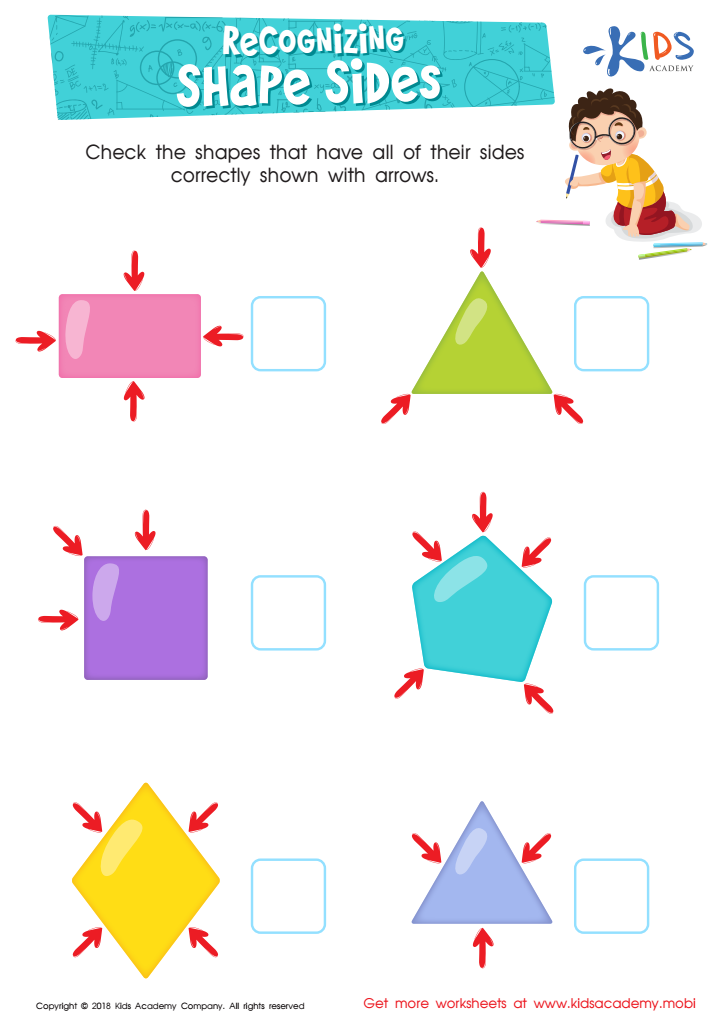
Recognizing Shape Sides Worksheet
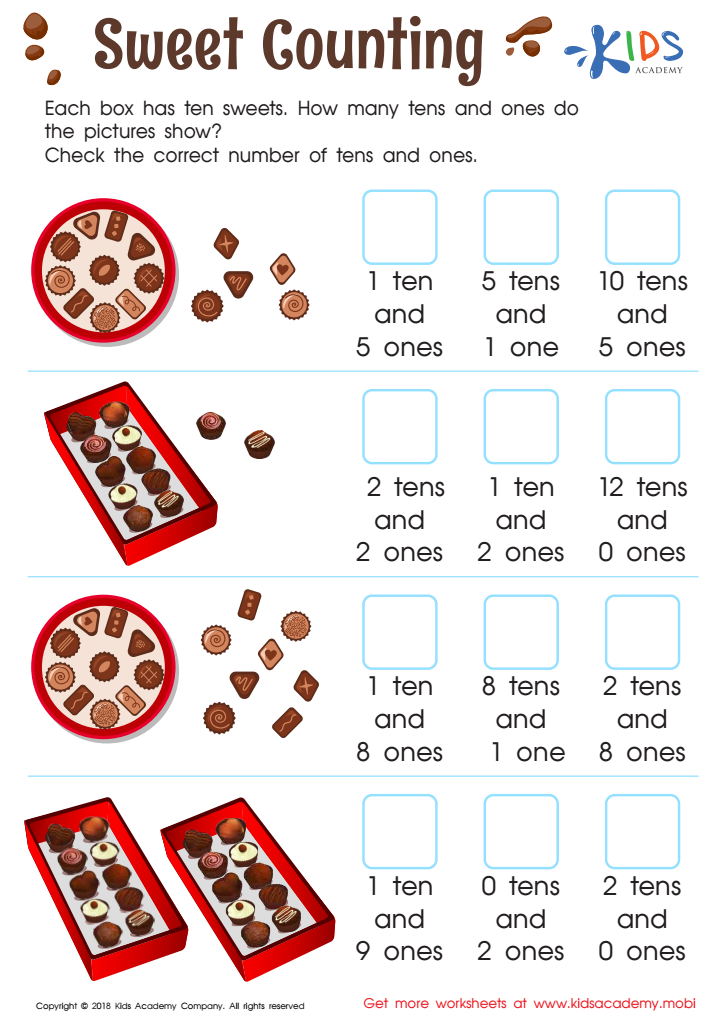
Sweet Counting - Part 2 Worksheet
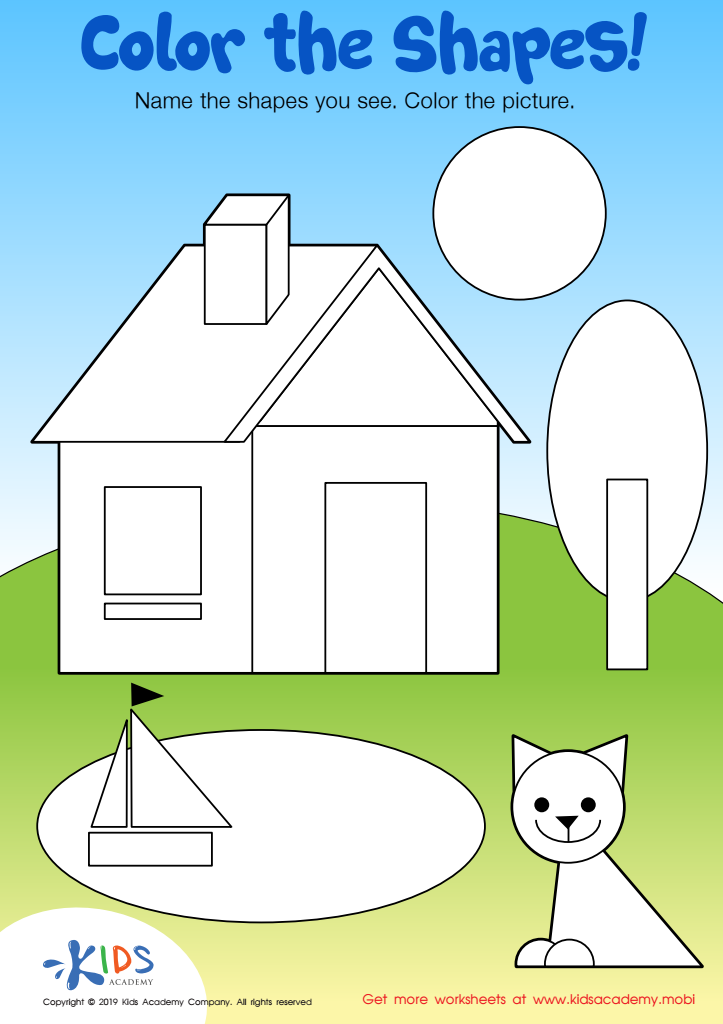
Color the Shapes Worksheet
 Assign to My Students
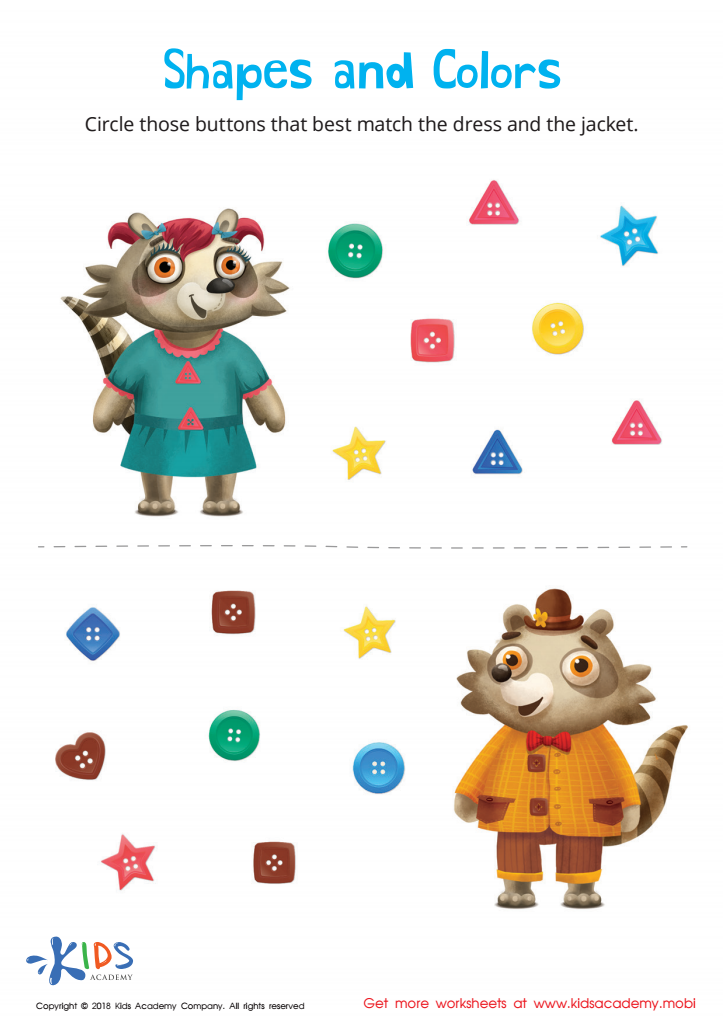
Shapes and Colors Worksheet
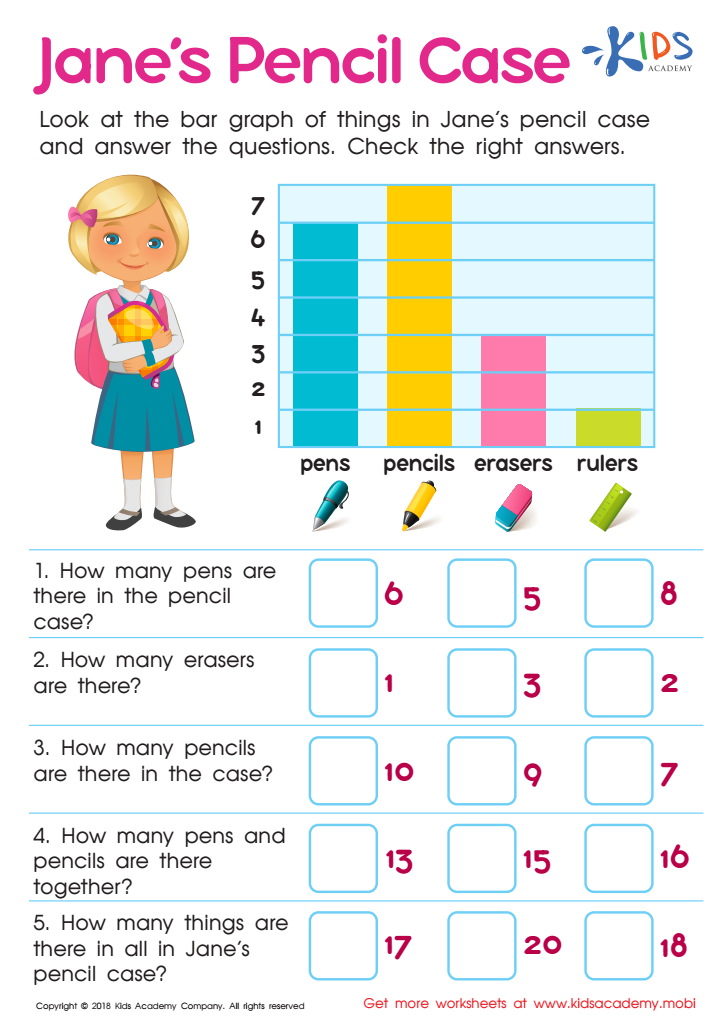
Jane's Pencil Case Worksheet
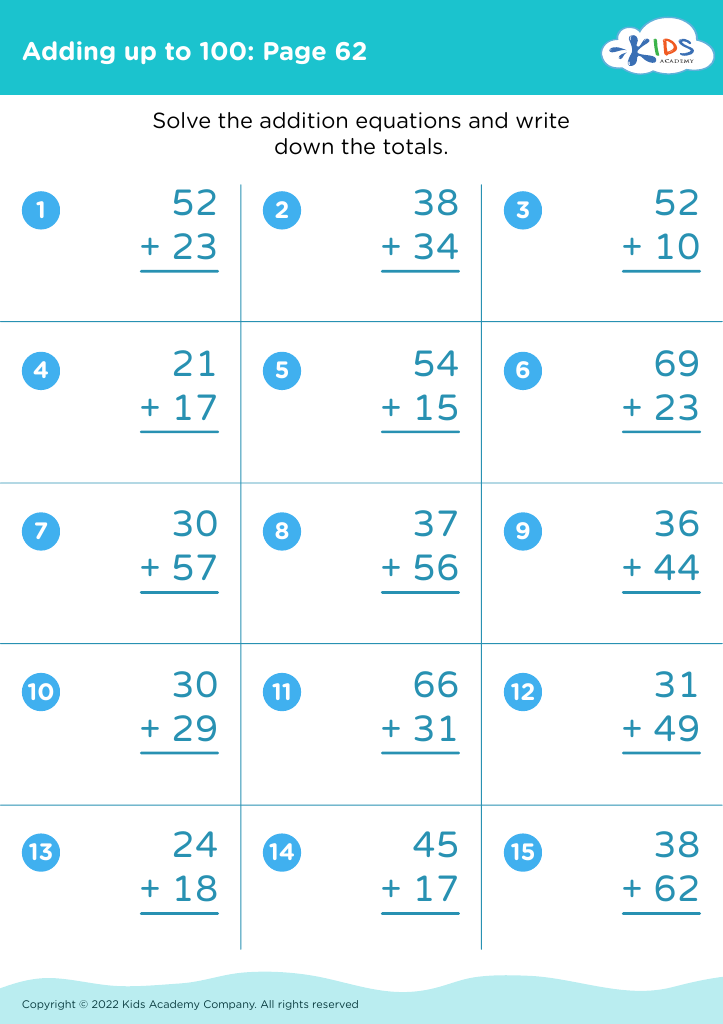
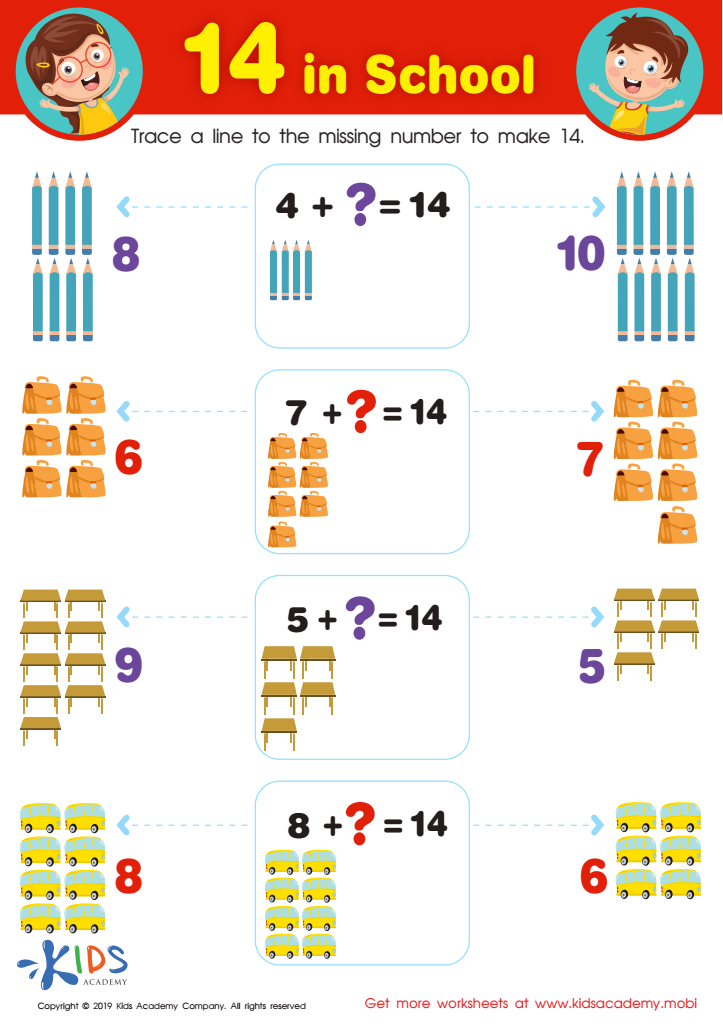
14 in School Worksheet
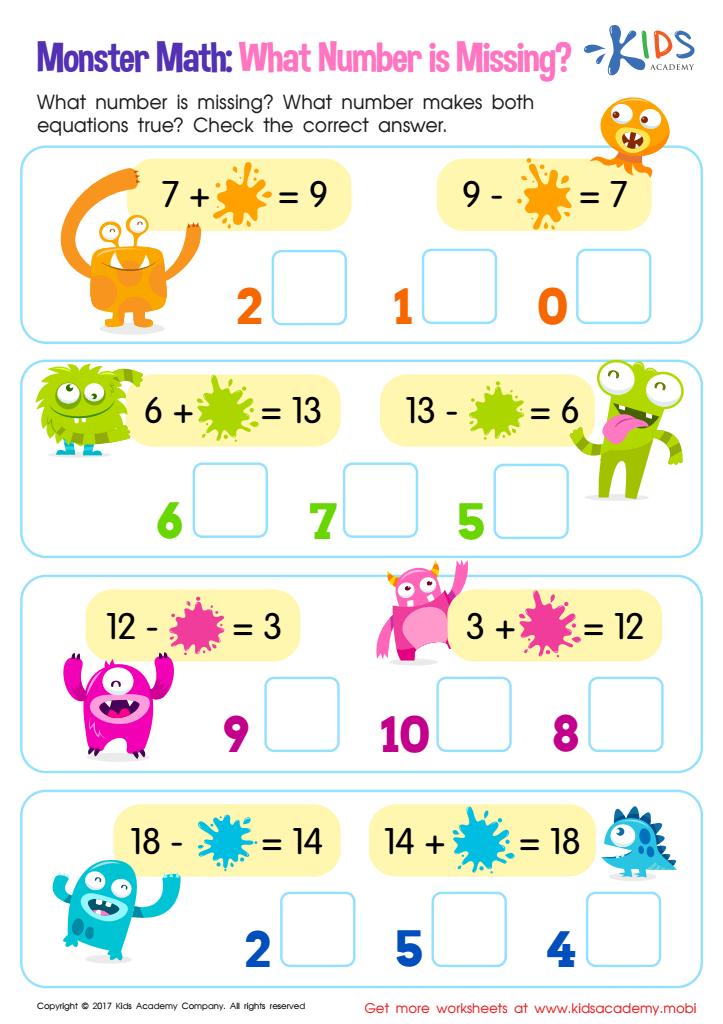
Missing Number: Monster Math Worksheet
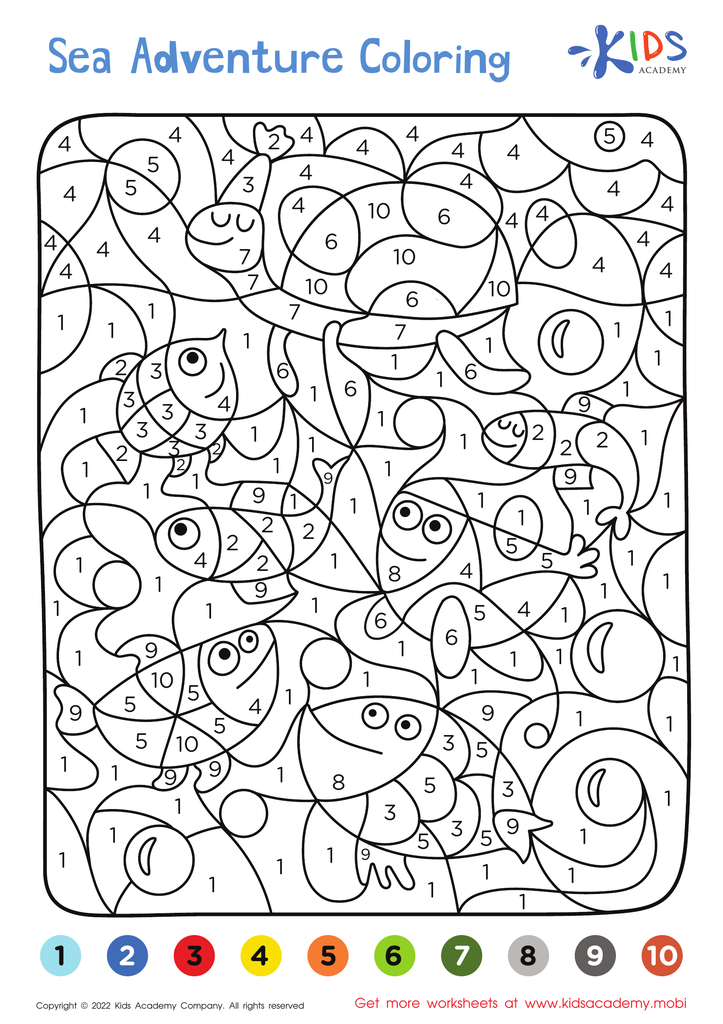
Sea Adventure – Coloring by Numbers
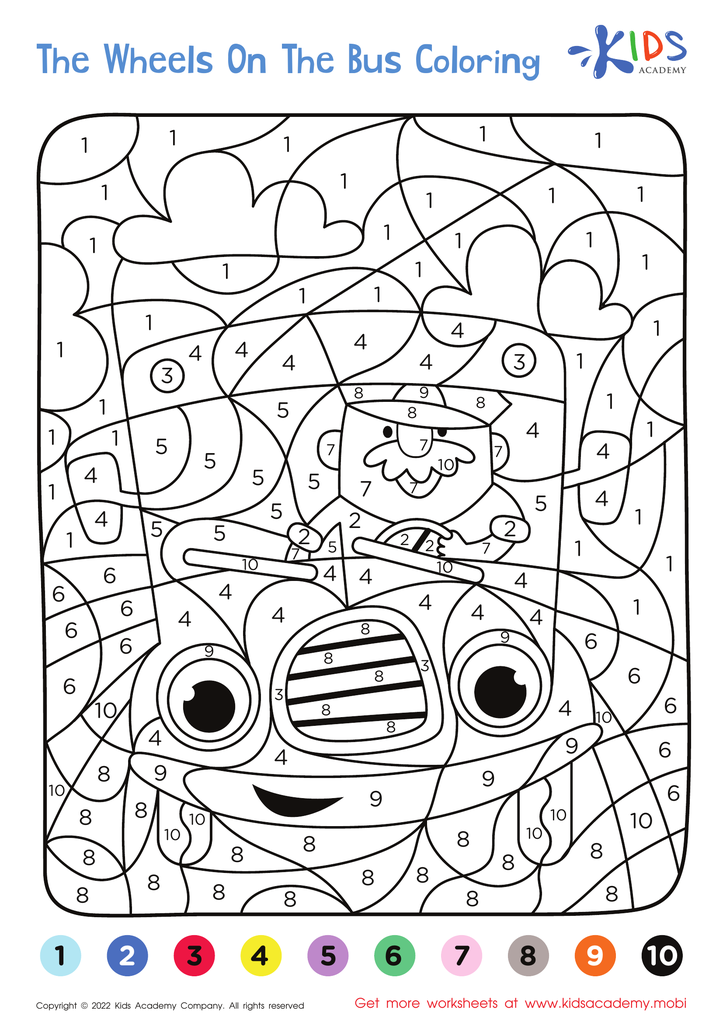
Wheels on the Bus – Coloring by Numbers
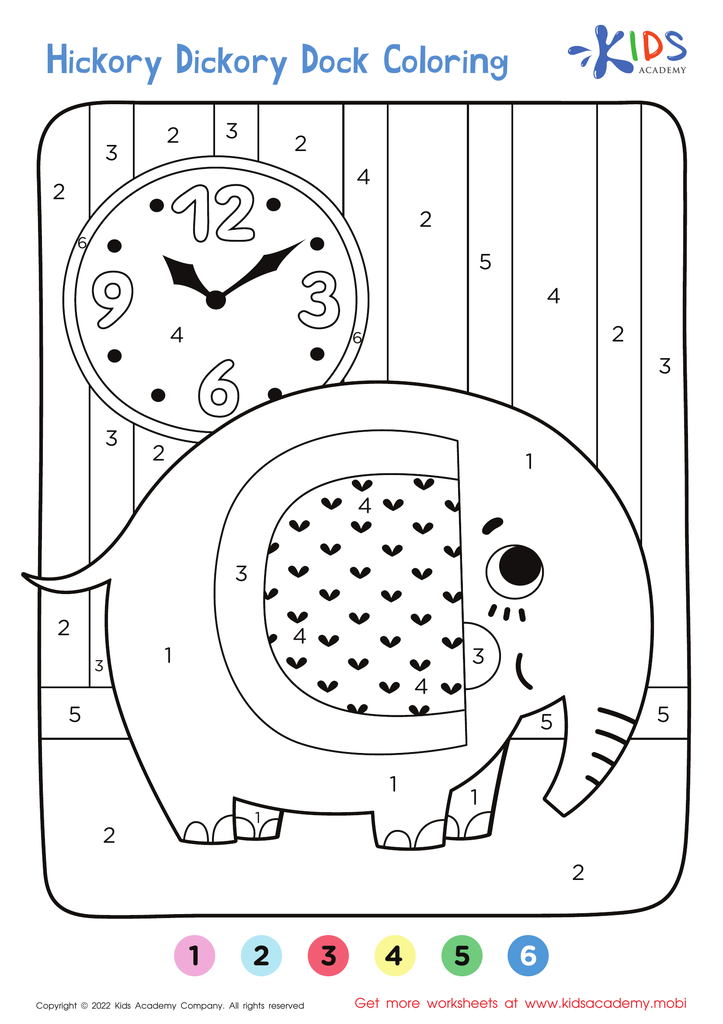
Hickory Dickory Dock – Coloring by Numbers
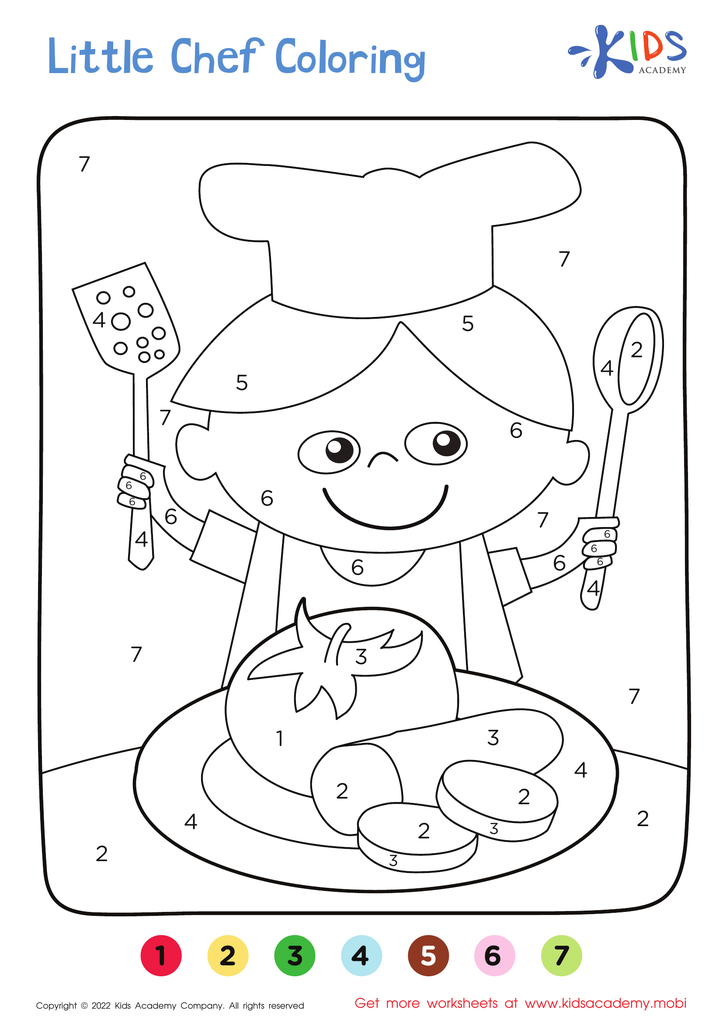
Little Chef – Coloring by Numbers
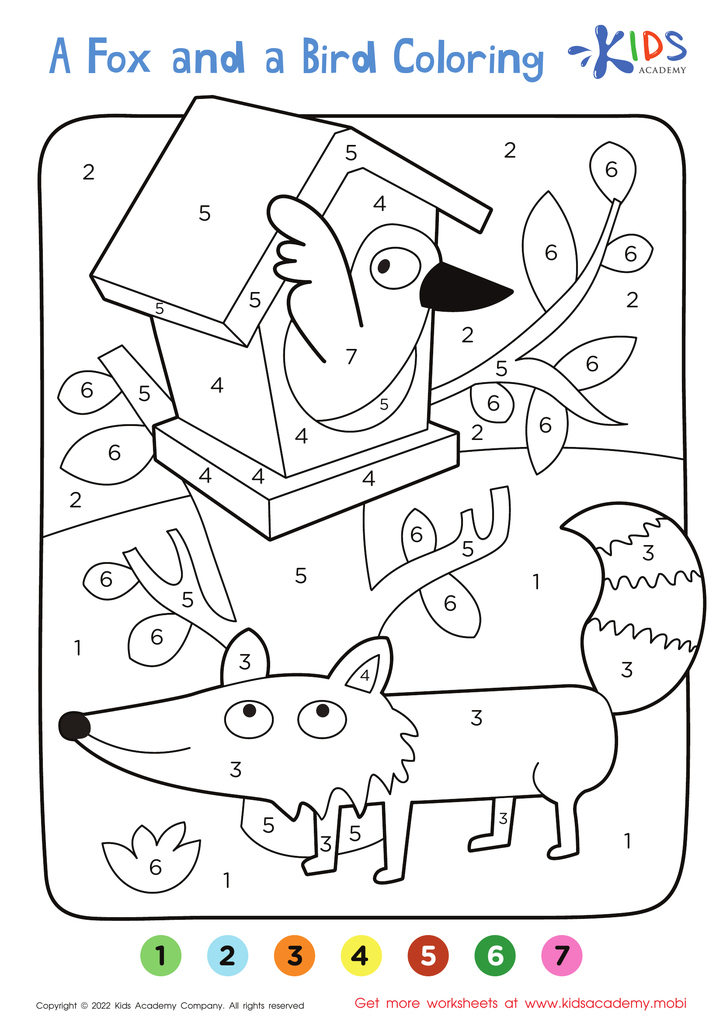
A Fox and a Bird – Coloring by Numbers


.jpg)





Color identification is a fundamental aspect of early childhood education that intertwines with various concepts in math. For children aged 4-7, recognizing and naming colors is not just about art or play; it serves as a building block for mathematical understanding. By engaging in color identification activities, children strengthen their ability to categorize and sort objects, which fosters critical thinking skills.
Parents and teachers should care about color identification math because it lays the groundwork for more complex mathematical concepts such as patterns, measurements, and data analysis. When children learn to identify different colors, they can group and compare items, recognize patterns based on color arrangements, and even understand basic addition and subtraction by counting colored objects.
Moreover, color identification enhances children's vocabulary and language skills through discussions about colors, shades, and associations. Integrating color identification into math-based activities makes learning fun and interactive, capturing children's attention and making complex ideas more accessible.
Thus, supporting and encouraging color identification in early years sets the stage for a solid mathematical foundation, cultivates curiosity, and enriches cognitive development, which ultimately contributes to a lifelong love for learning.








