Color recognition Math Worksheets for Ages 4-7 - Page 2
36 filtered results
-
From - To
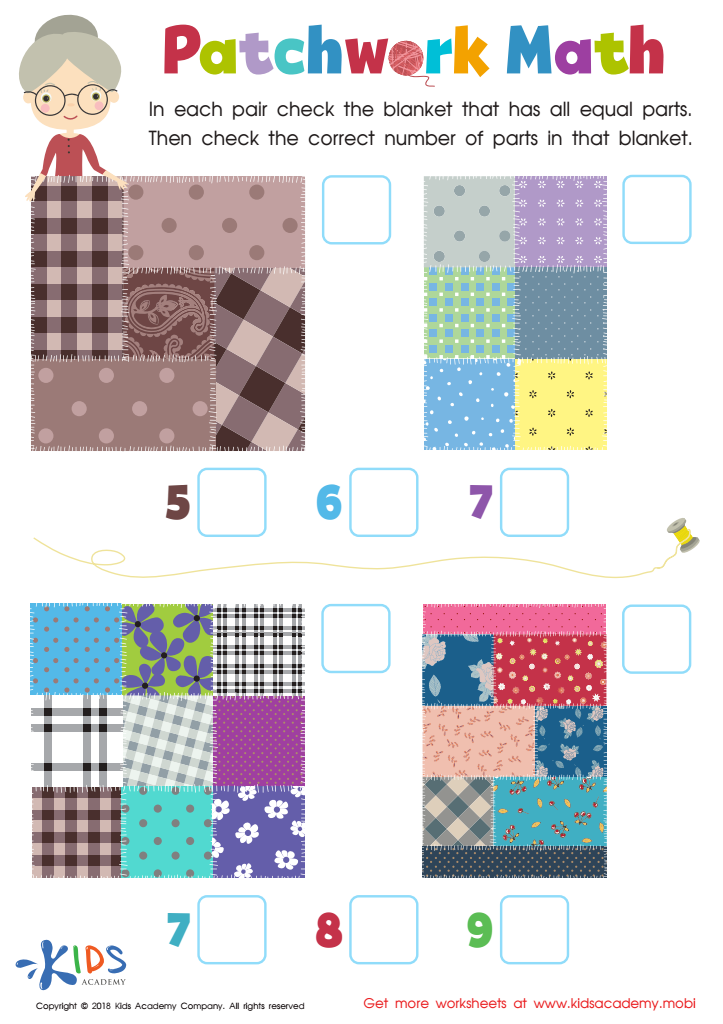
Patchwork Math Worksheet
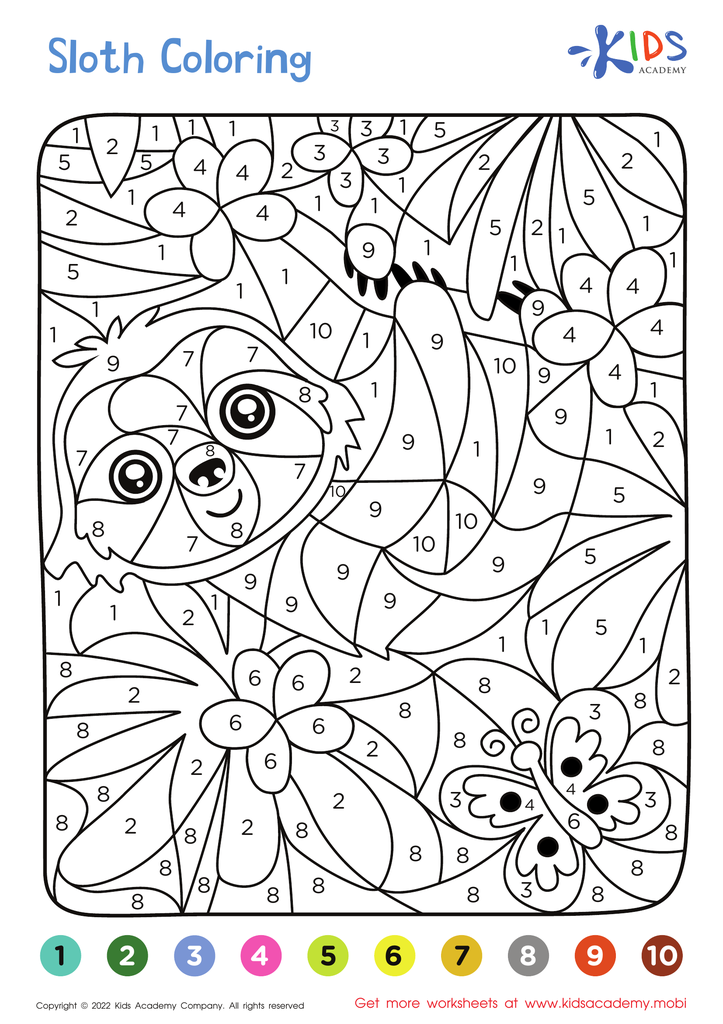
Sloth – Coloring by Numbers
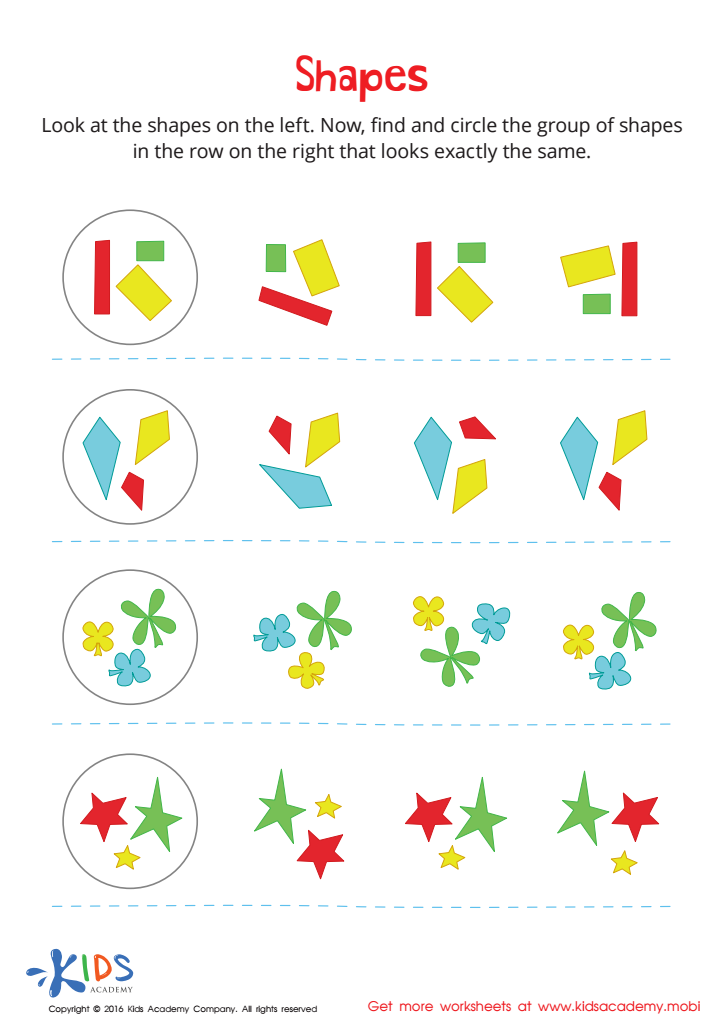
Shapes Worksheet
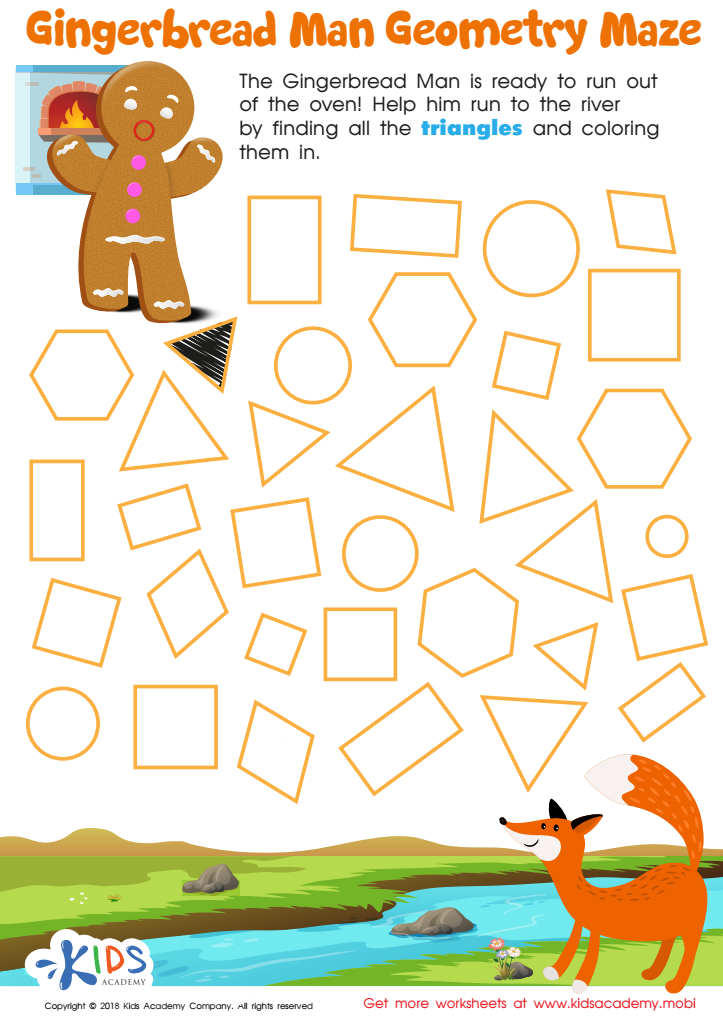
Gingerbread Man Geometry Maze Worksheet
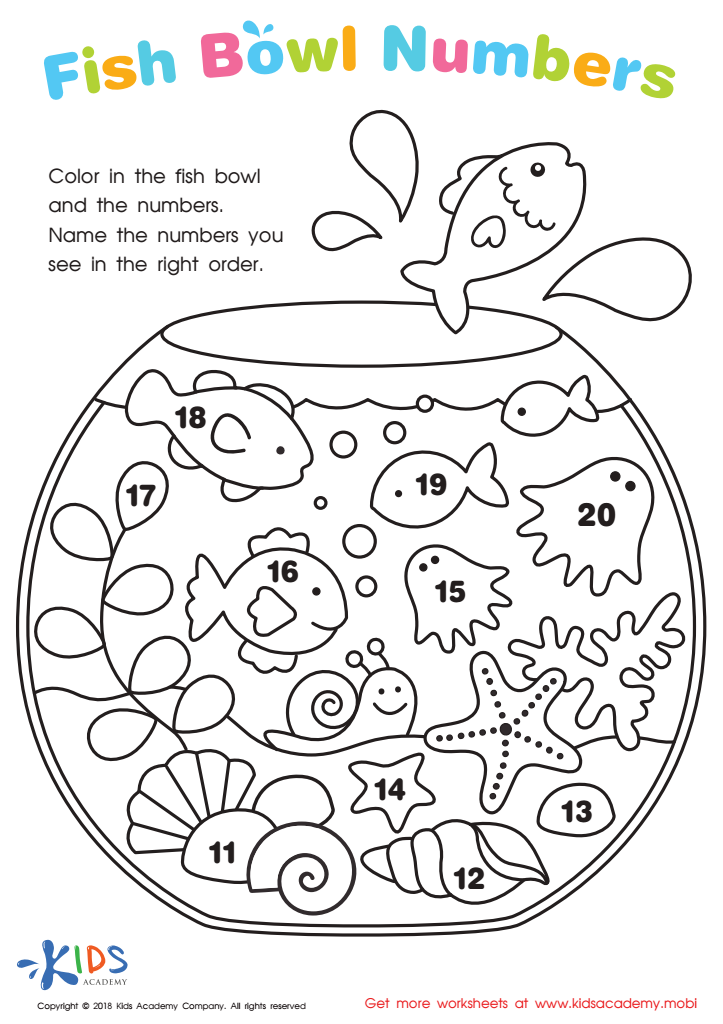
Fish Bowl Numbers Worksheet
 Assign to My Students
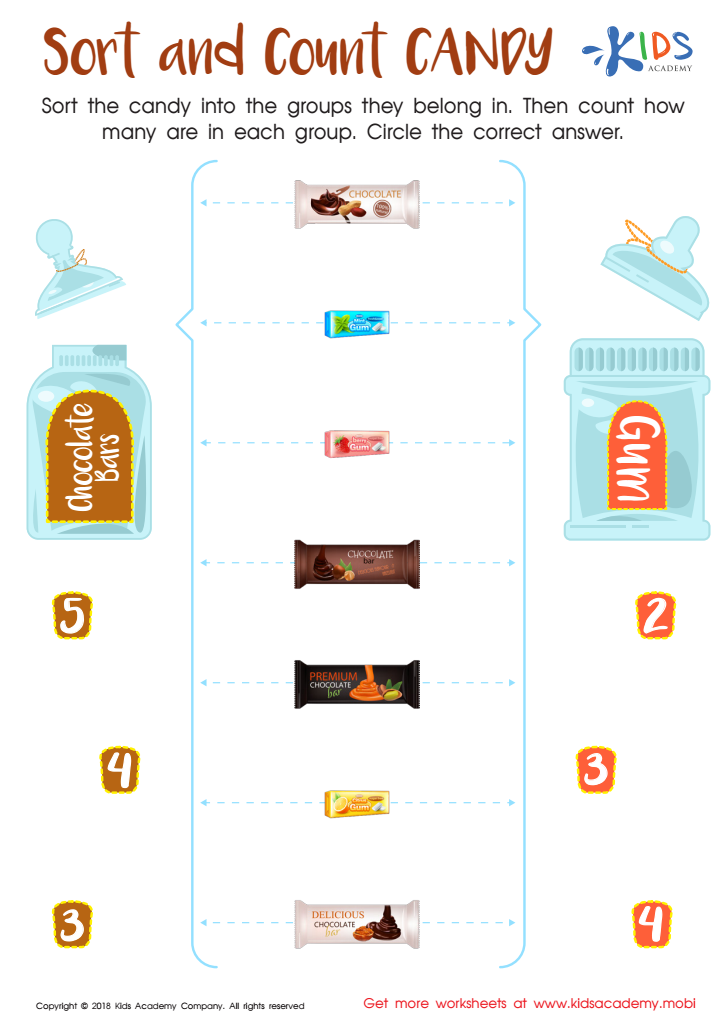
Sort and Count Candy Worksheet
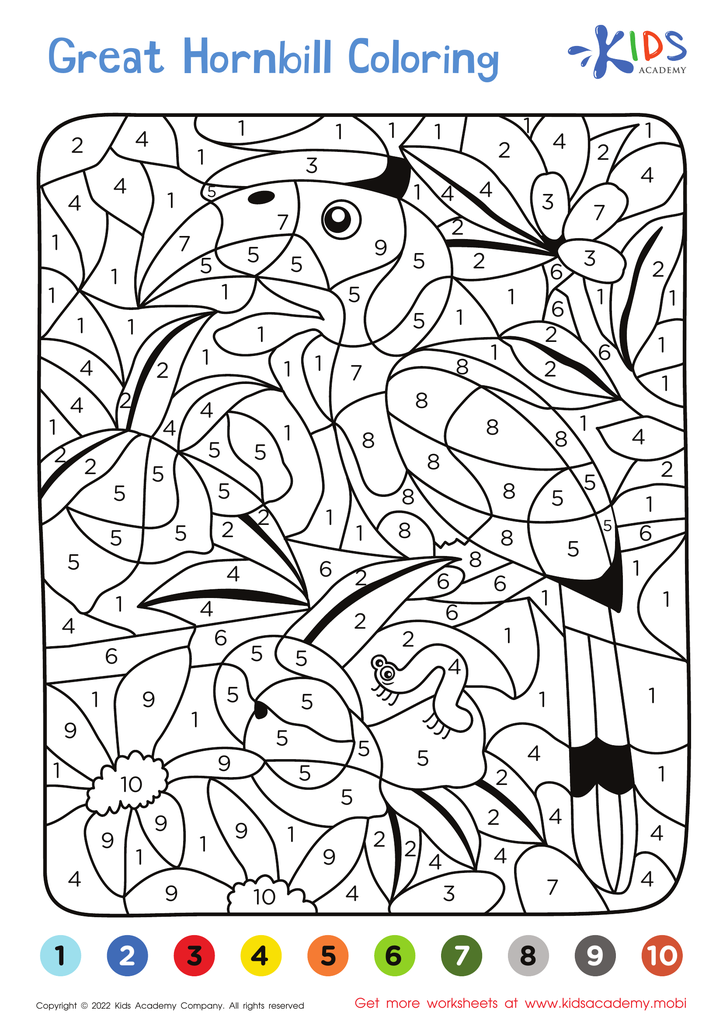
Great Hornbill – Coloring by Numbers
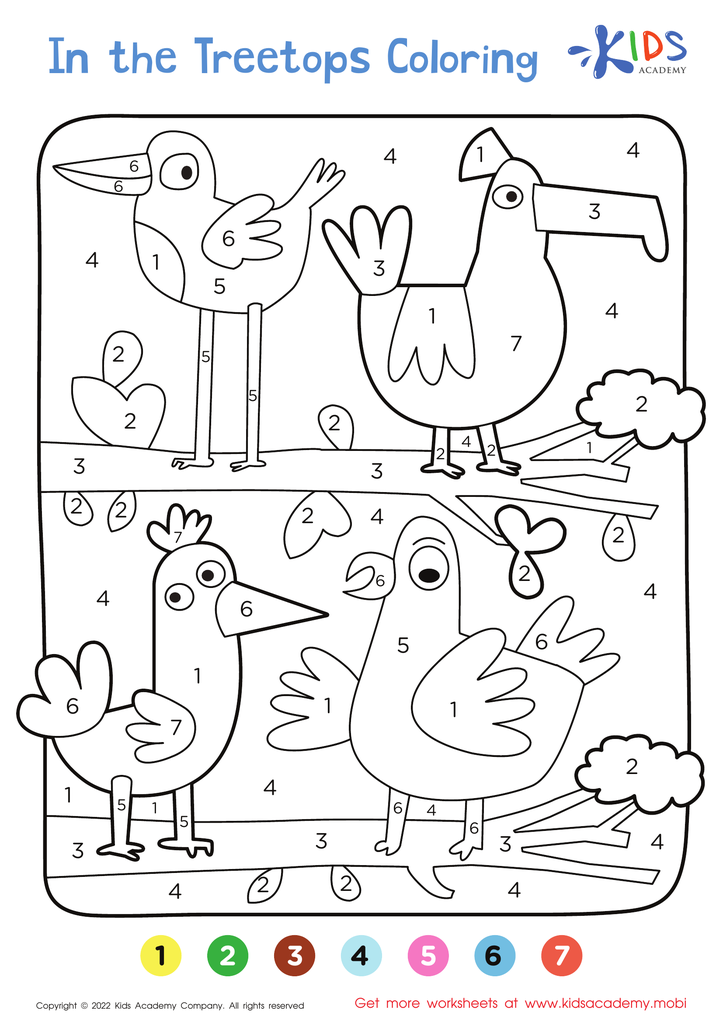
In the Treetops – Coloring Page
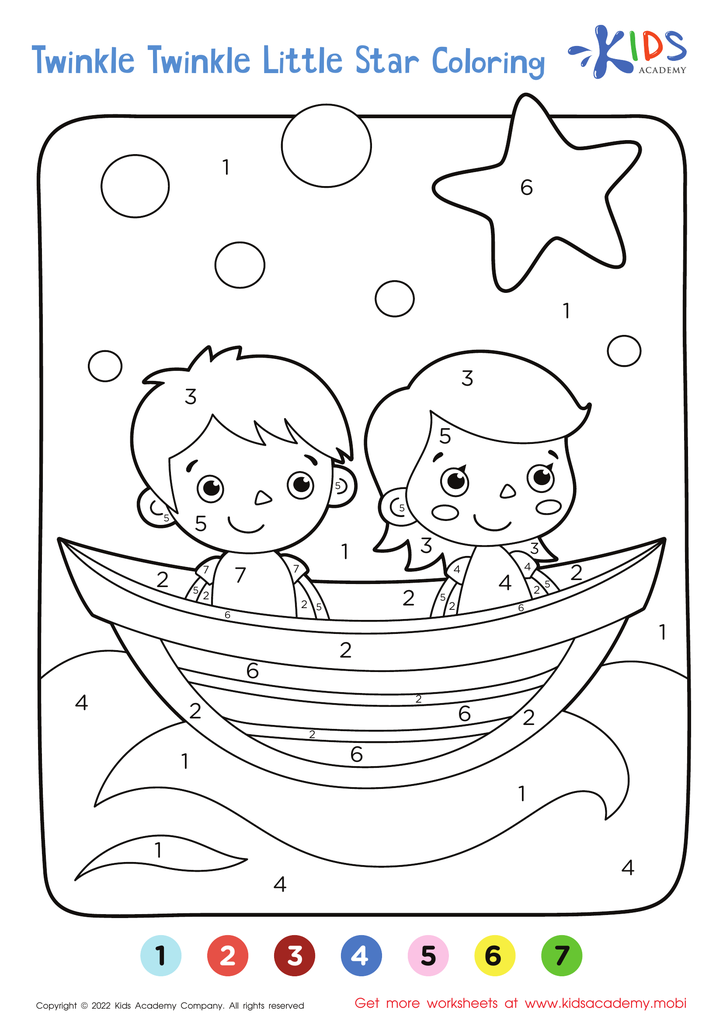
Twinkle, Twinkle, Little Star – Coloring by Numbers
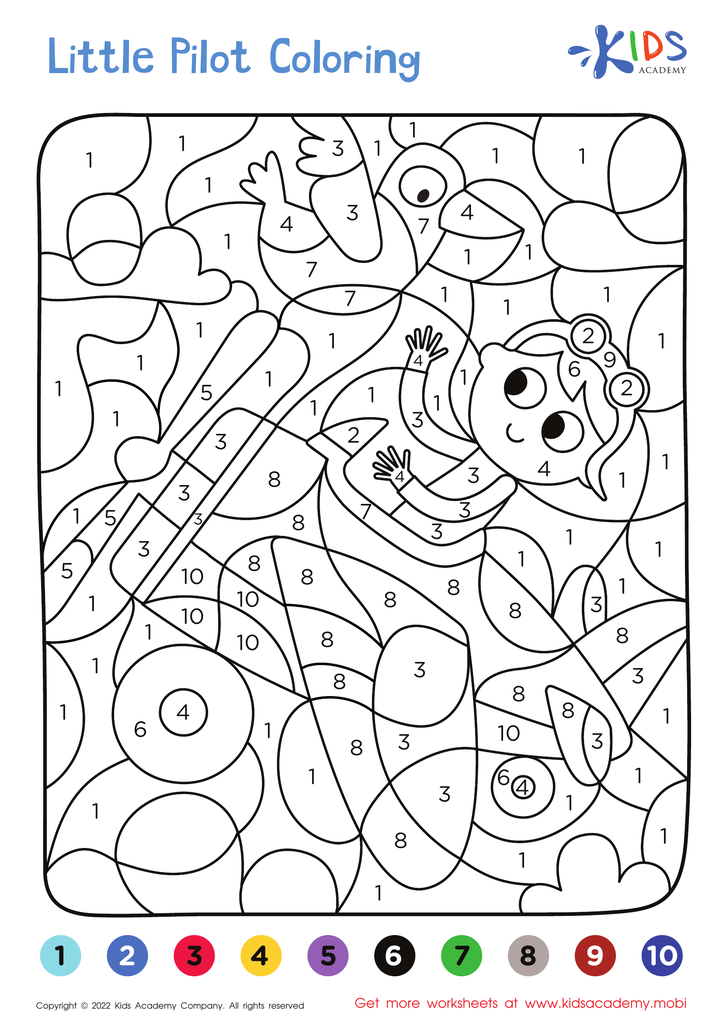
Little Pilot – Coloring by Numbers
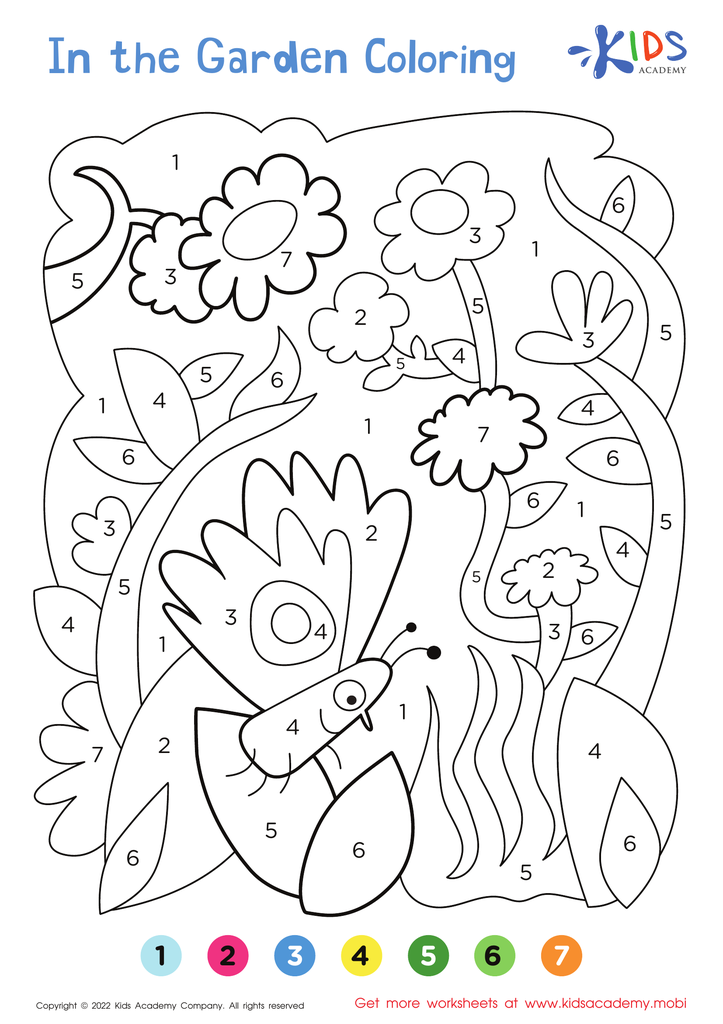
In the Garden – Coloring by Numbers
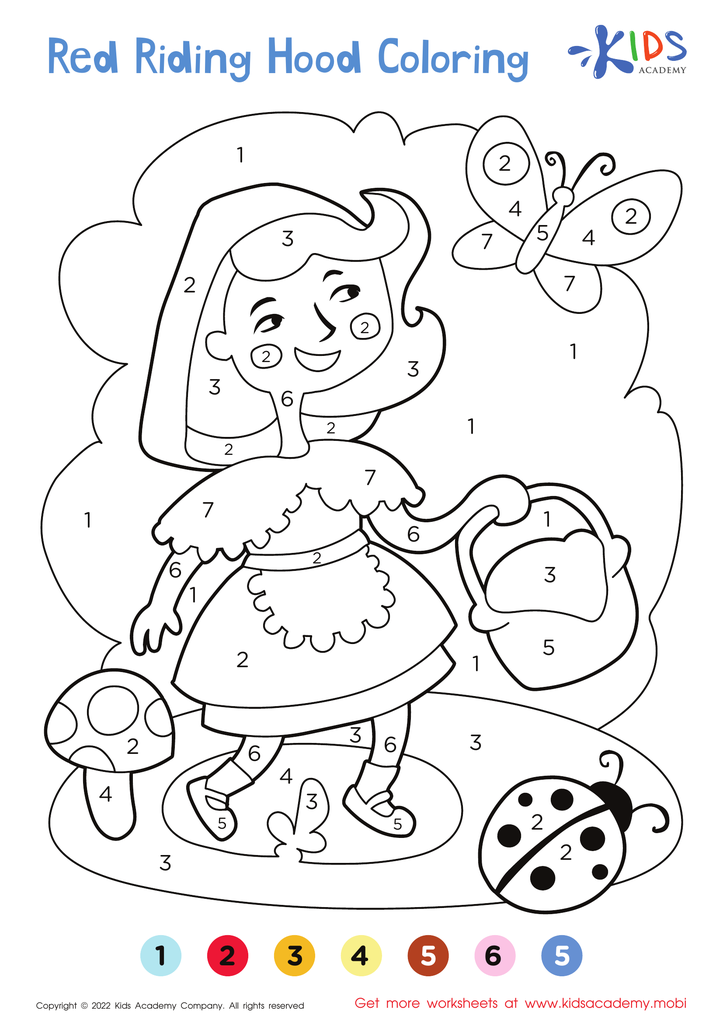
Little Red Riding Hood – Coloring by Numbers




.jpg)



Color recognition is a foundational skill that plays a crucial role in the mathematical development of children aged 4-7. At this developmental stage, children learn to categorize, sort, and make connections, which are essential skills for understanding more complex mathematical concepts later. Recognizing colors helps children identify patterns, understand quantity, and enhance their ability to classify objects based on various attributes.
Moreover, incorporating color recognition into math lessons makes learning engaging and interactive. For instance, teachers and parents can utilize colorful objects to teach counting, addition, and subtraction, allowing children to visualize numbers in a concrete manner. This multi-sensory approach caters to various learning styles and aids memory retention.
Additionally, fostering color recognition in this age group cultivates critical thinking and problem-solving skills, which are necessary for advanced mathematical reasoning. Engaging children in activities that combine colors with math prepares them for future academic success and supports cognitive development. Ultimately, caring about color recognition in math allows parents and teachers to establish a strong educational foundation, encouraging a love for learning that extends beyond arithmetic into lifelong skills.








