Developing analytical thinking Math Worksheets for Ages 4-7
4 filtered results
-
From - To
Enhance your child's problem-solving skills with our "Developing Analytical Thinking Math Worksheets" designed specifically for ages 4-7. These engaging worksheets provide fun and challenging exercises that cultivate critical thinking and reasoning abilities through interactive math activities. By incorporating patterns, sequences, and logical puzzles, children will learn to analyze and approach math challenges creatively. Ideal for both home and classroom use, these worksheets empower young learners to explore essential math concepts while building confidence in their analytical skills. Join us in nurturing a strong foundation in mathematics and cognitive development! Explore the worksheets today and inspire your child's love for learning!

Less Than Worksheet
 Assign to My Students
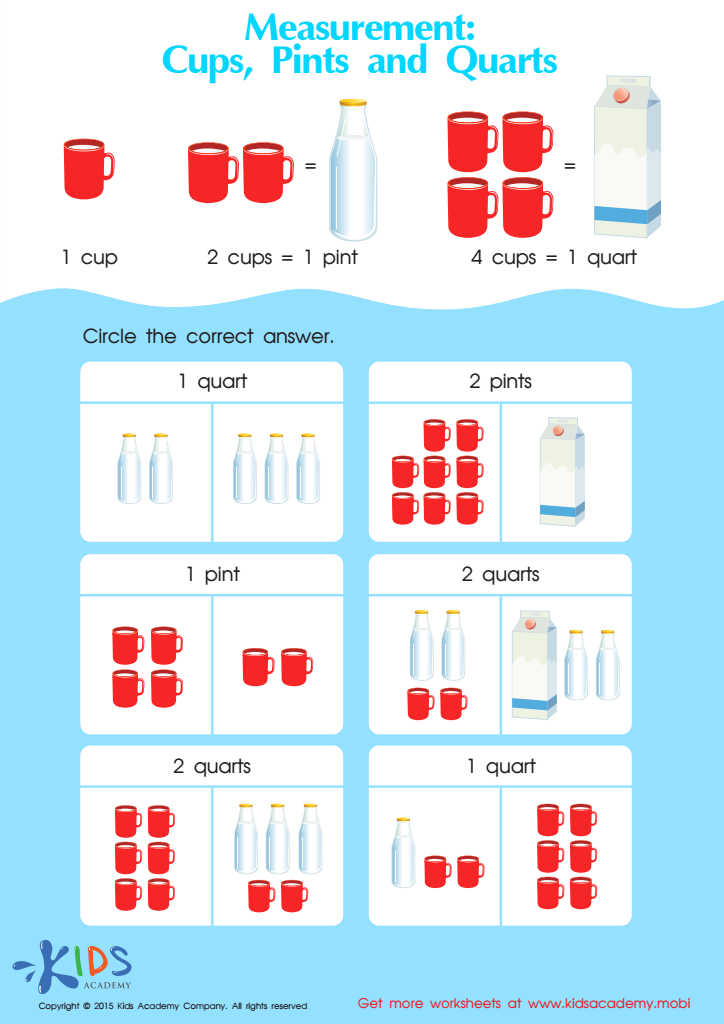
Cups, Pints and Quarts Worksheet
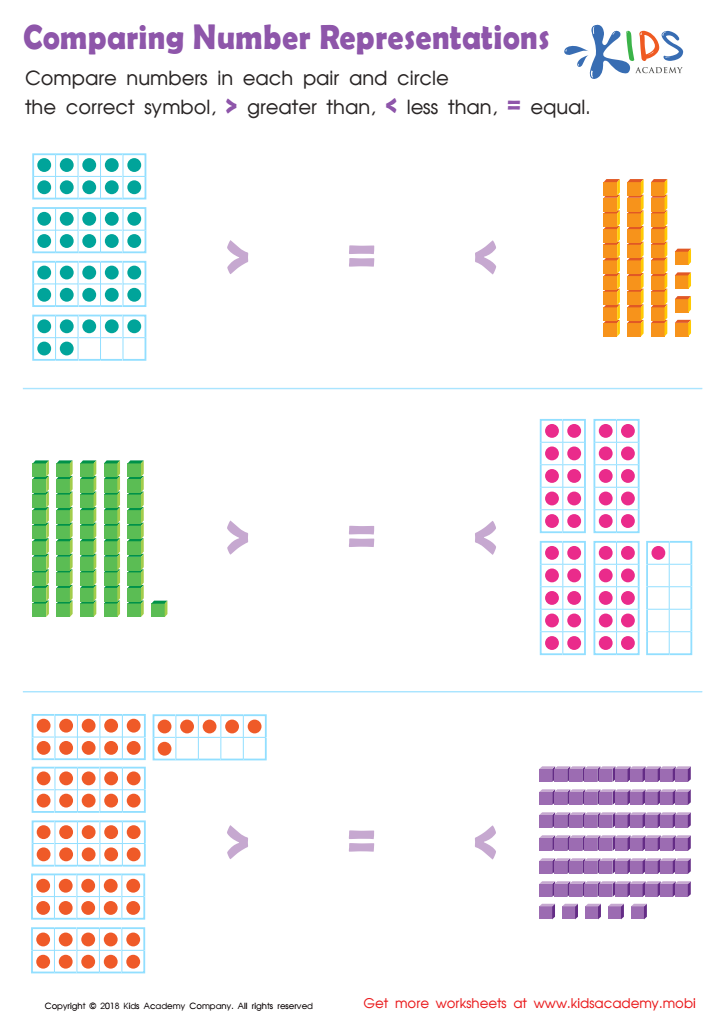
Comparing Number Representations Worksheet
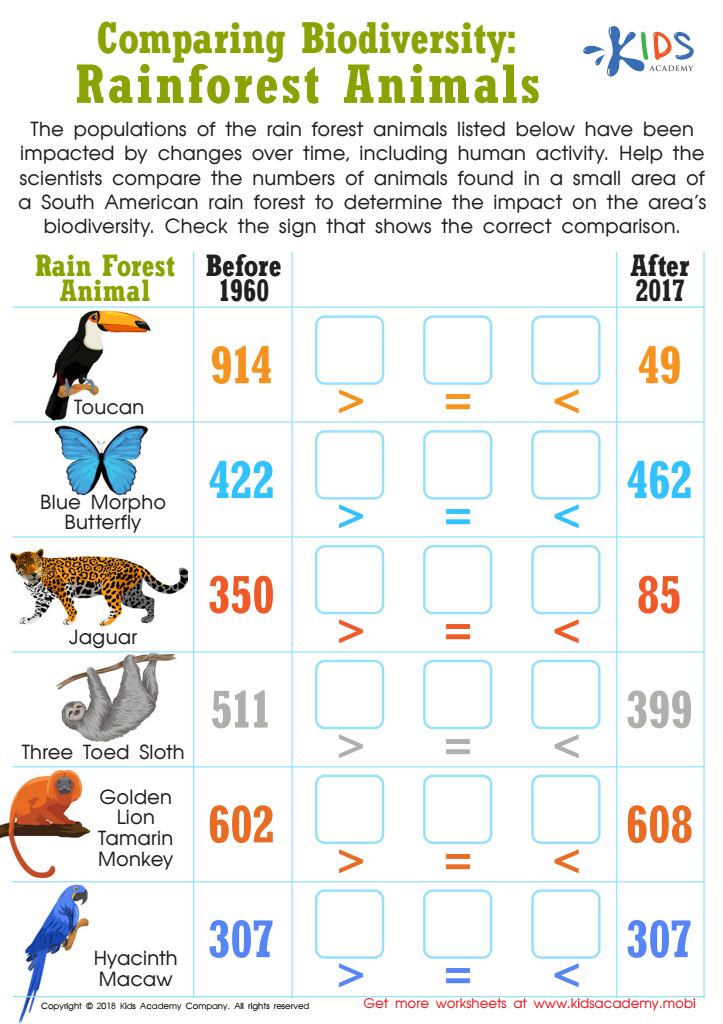
Comparing Biodiversity: Rainforest Animals Worksheet








Developing analytical thinking in mathematics for ages 4-7 is crucial as it lays the foundation for future academic success and cognitive development. At this stage, children are naturally curious and eager to explore, making it an ideal time to introduce mathematical concepts in a fun and engaging way. Strong analytical thinking skills enable children to solve problems, recognize patterns, and make connections, which are essential abilities not only in math but across all subjects.
Teachers and parents have a significant role in nurturing these skills. When children engage in tasks like sorting, classifying, or even simple puzzles, they develop critical thinking and reasoning abilities. This process encourages them to ask questions, devise solutions, and reflect on their thinking. Fostering these skills early on can enhance a child's confidence in their ability to tackle more complex math topics later in life.
Moreover, analytical thinking in math promotes resilience and perseverance, as children learn to approach challenges systematically. In an increasingly data-driven society, analytical skills are more important than ever. Investing time and resources in developing these mathematical abilities will better prepare children for future educational pursuits and real-world challenges, ensuring they become problem solvers in a complex world.








