
Enhancing comprehension Math Worksheets for Ages 4-7
3 filtered results
Difficulty Level
Grade
Age
-
From - To
Subject
Activity
Standards
Discover our engaging Enhancing Comprehension Math Worksheets designed for children ages 4-7! These worksheets aim to build foundational math skills through fun and interactive activities that promote understanding and retention. Tailored for young learners, they combine visual aids, practical examples, and colorful illustrations to make learning enjoyable. Each activity encourages critical thinking and problem-solving, helping kids grasp basic concepts such as addition, subtraction, shapes, and patterns. Perfect for home or classroom use, our worksheets support early education while enhancing comprehension and confidence in math. Explore our collection today to boost your child's arithmetic skills in a playful way!
Favorites
With answer key
Interactive
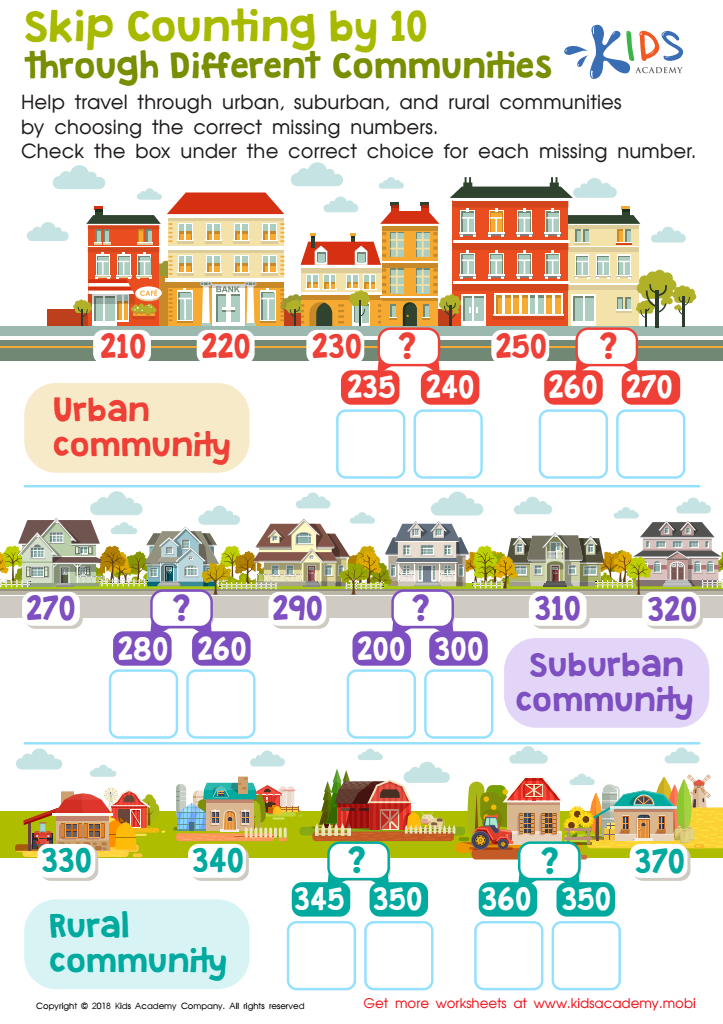
Skip Counting by 10 through Different Communities Worksheet
This free PDF worksheet helps students practice skip counting and 'making a ten', essential for math efficiency and accuracy. Students explore different types of communities (urban, suburban and rural) whilst honing their skills. A great combo of social studies and math!
 Assign to My Students
Skip Counting by 10 through Different Communities Worksheet
Worksheet
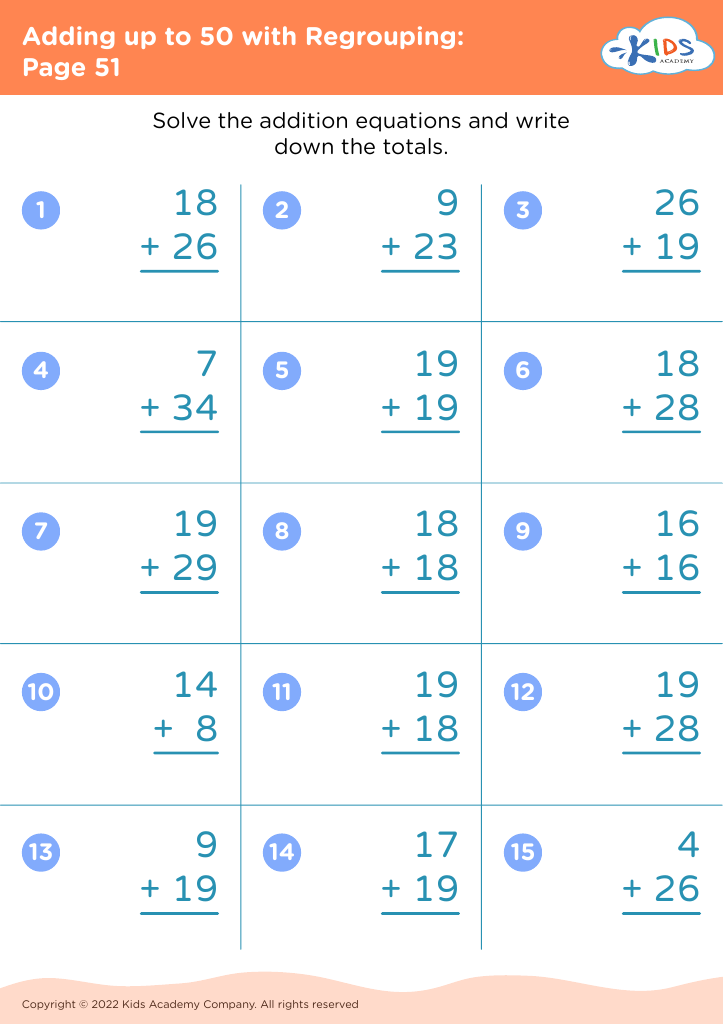
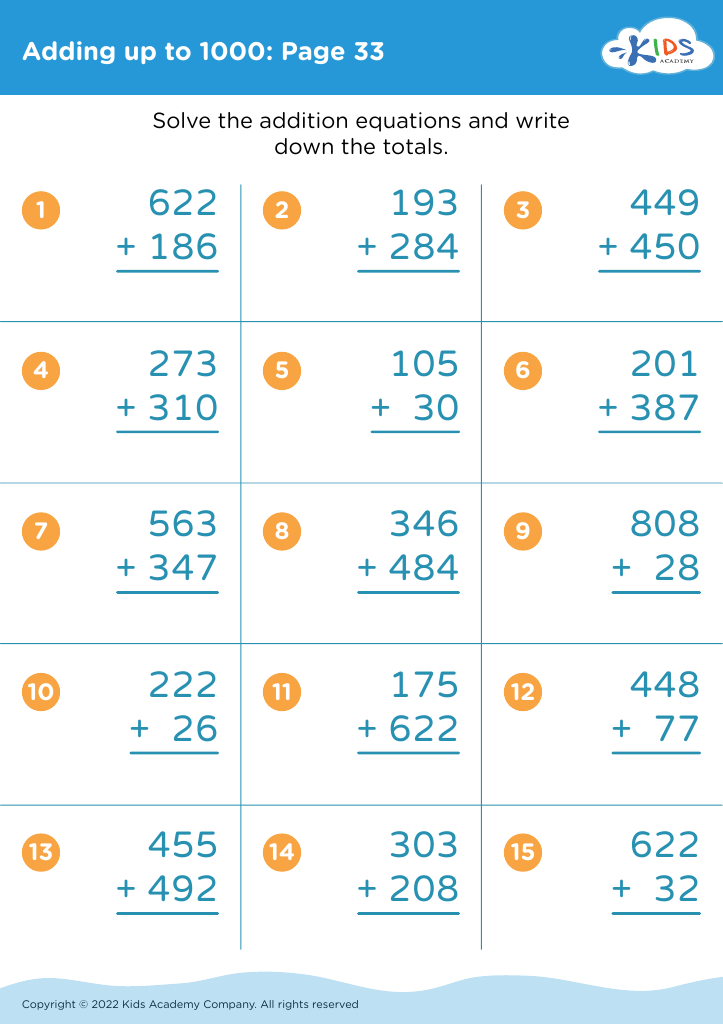
Join Kids Academy for Free
Who is primarily going to use this learning content?




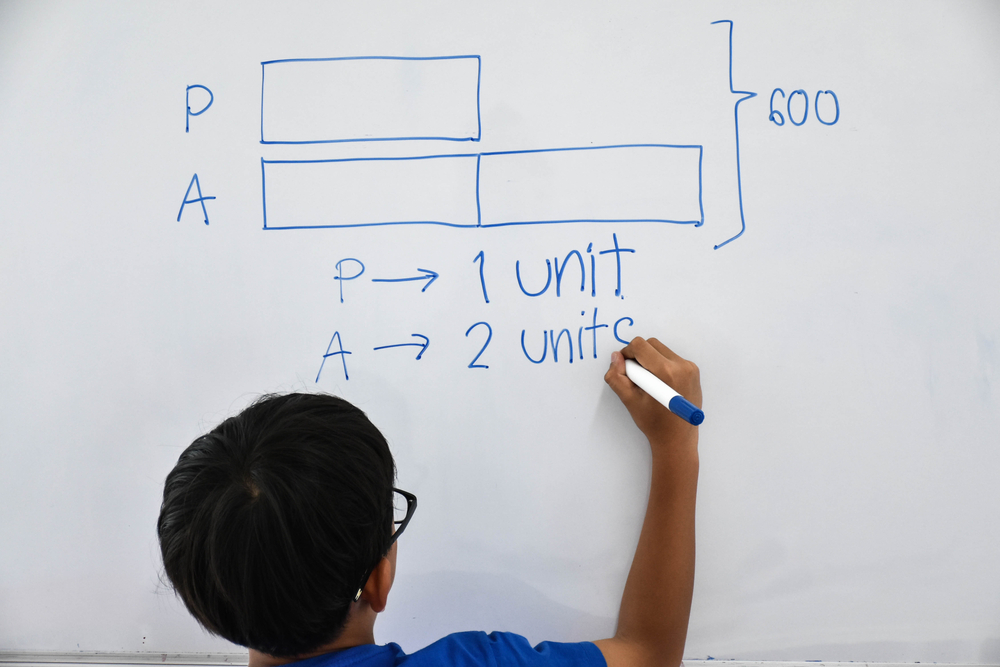

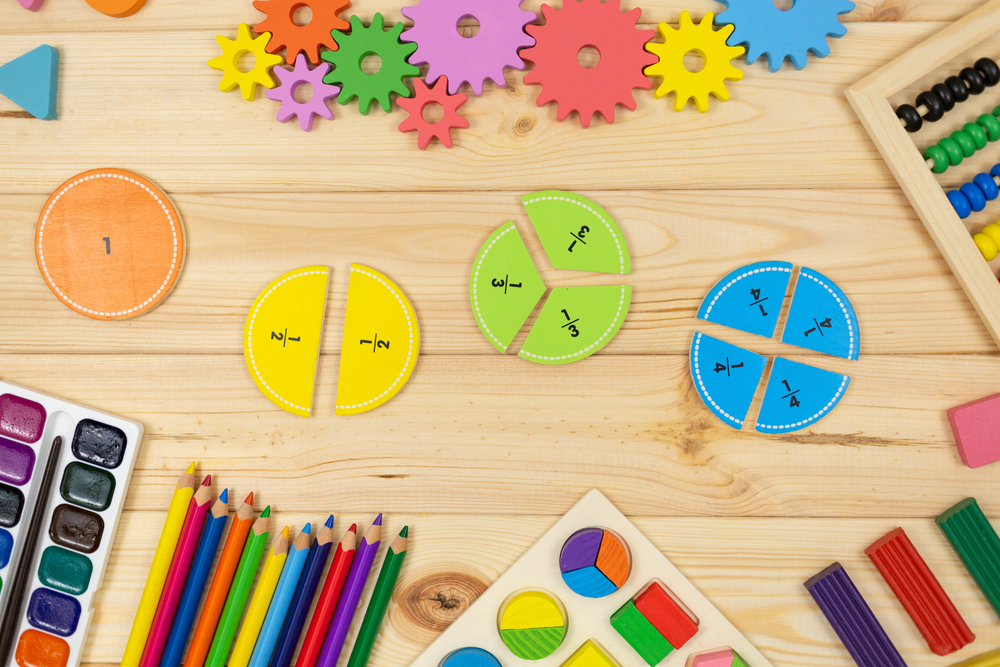
Enhancing comprehension in math for children aged 4-7 is crucial for several reasons. During these formative years, children develop foundational skills that significantly impact their future academic success. Math comprehension goes beyond memorizing facts; it involves understanding concepts, recognizing patterns, and applying reasoning skills, which are critical for overall cognitive development.
By prioritizing math comprehension, parents and teachers help children cultivate a positive attitude toward the subject. Early positive experiences in math can decrease anxiety and build confidence, making them more willing to tackle math challenges later on. Moreover, strong comprehension skills promote critical thinking, which is essential in various subjects and real-life situations.
Additionally, math comprehension during these crucial years supports language development. Children learn to articulate their thought processes, enhancing both their vocabulary and communication skills. Parents and teachers can easily incorporate math-related activities through everyday experiences, ensuring learning is engaging and relevant.
In summary, investing in math comprehension for young learners not only sets a strong academic foundation but also fosters essential life skills, encouraging a lifelong appreciation for learning and problem-solving.








