Fine Motor Skills Math Worksheets for Ages 4-7 - Page 9
199 filtered results
-
From - To
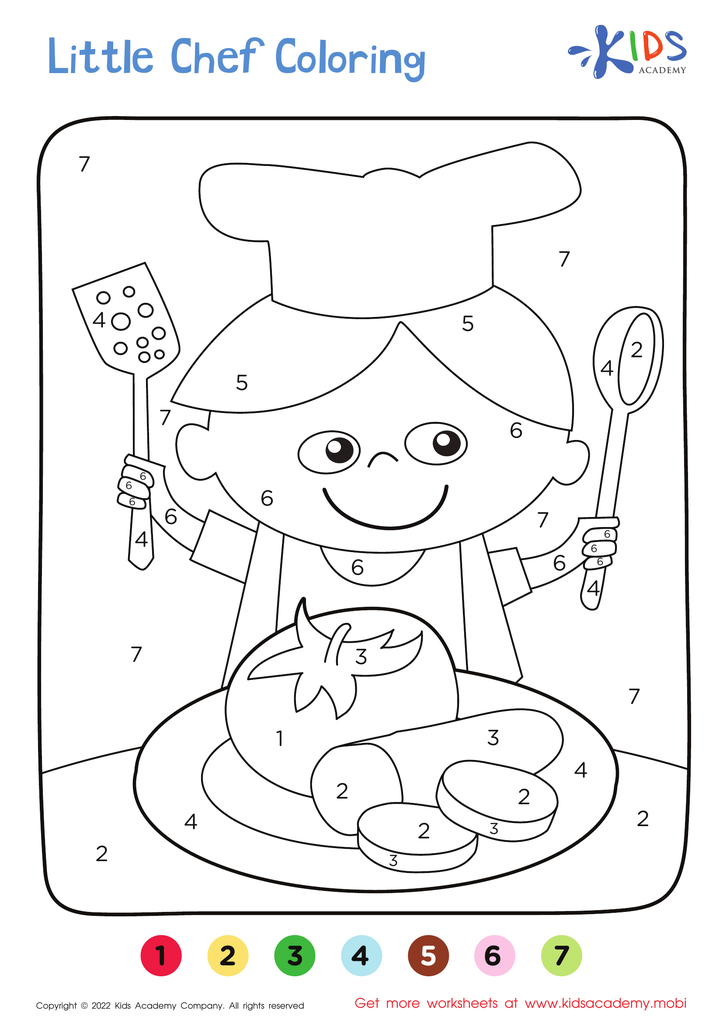
Little Chef – Coloring by Numbers
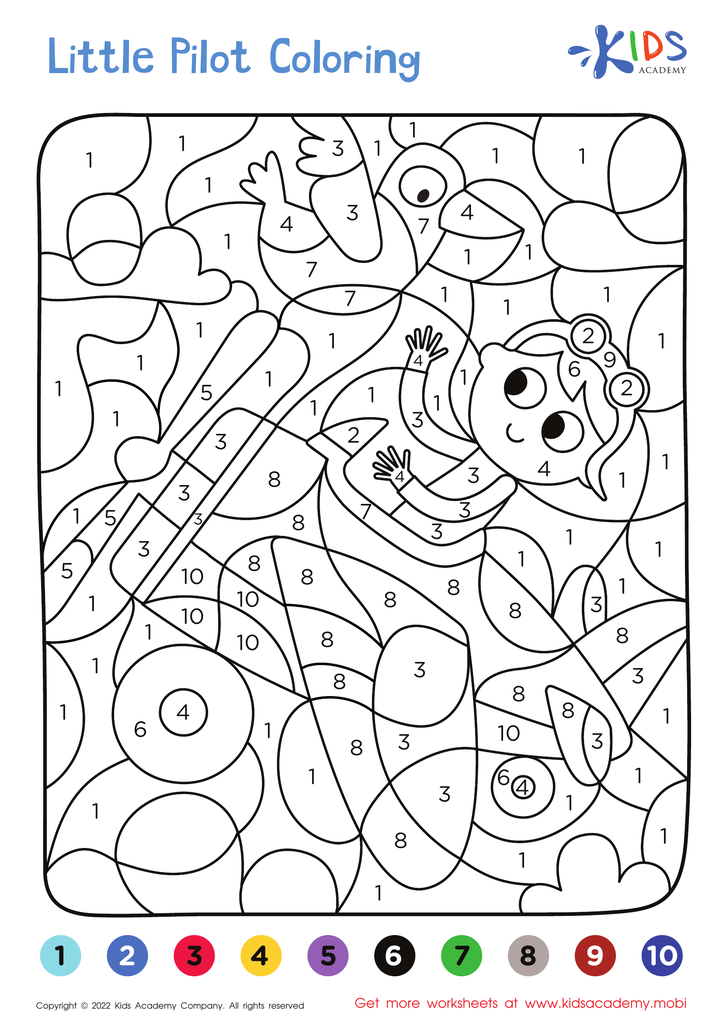
Little Pilot – Coloring by Numbers
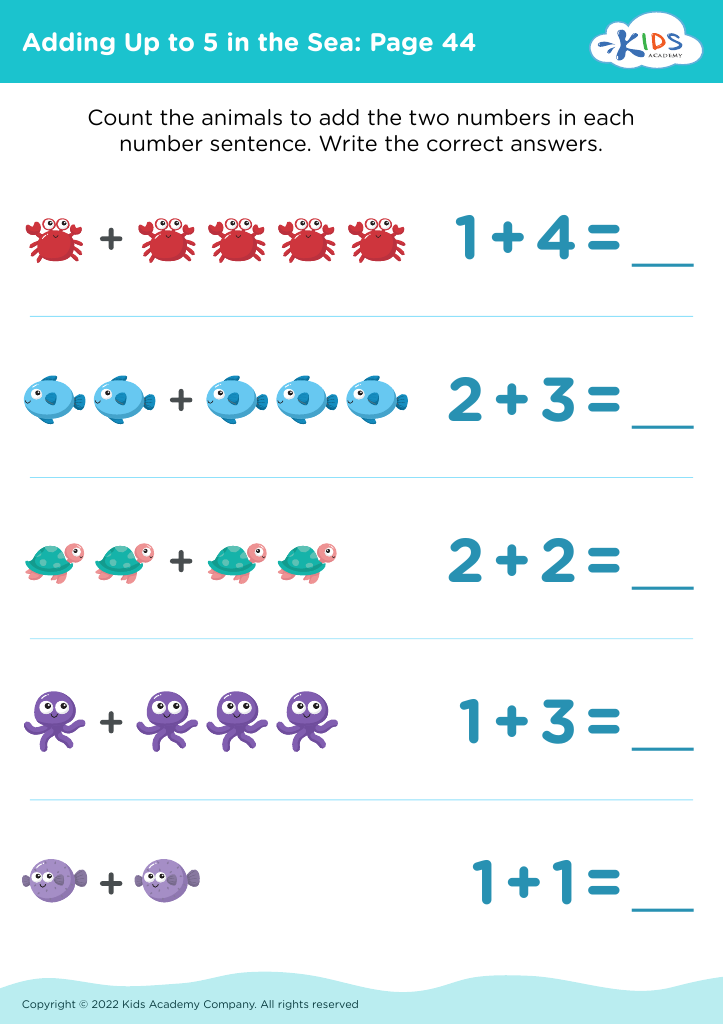
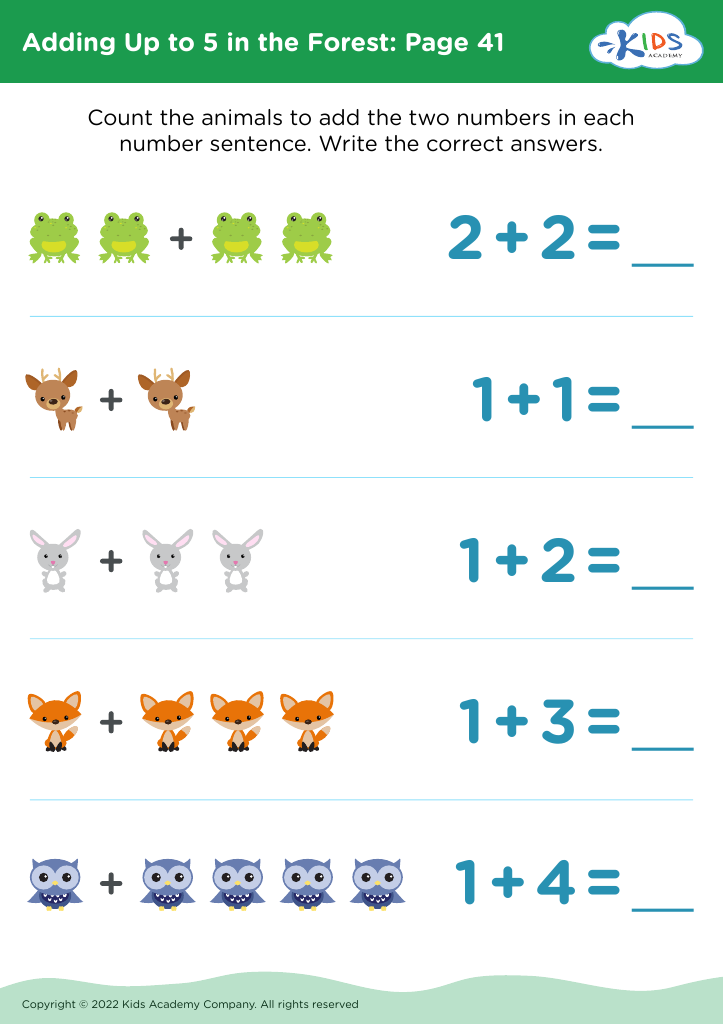
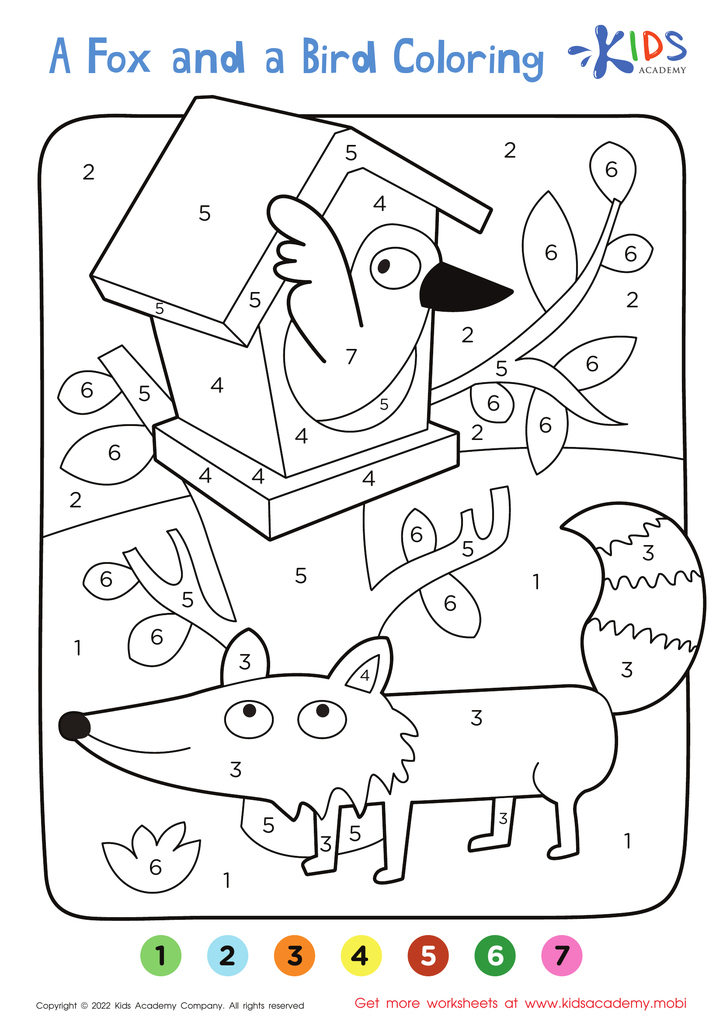
A Fox and a Bird – Coloring by Numbers
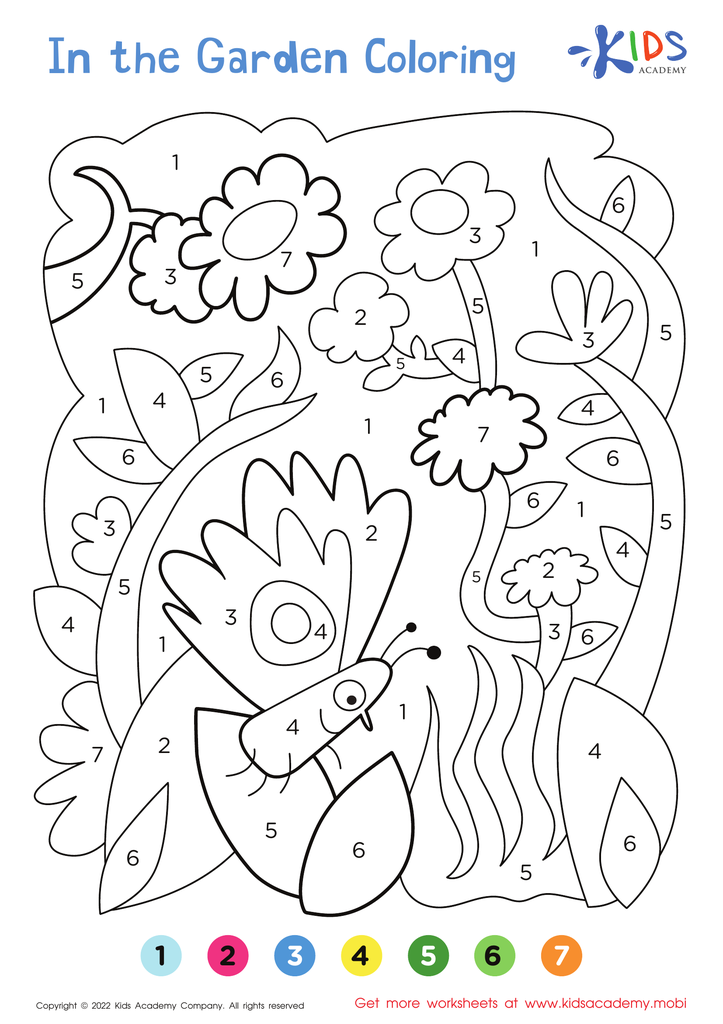
In the Garden – Coloring by Numbers
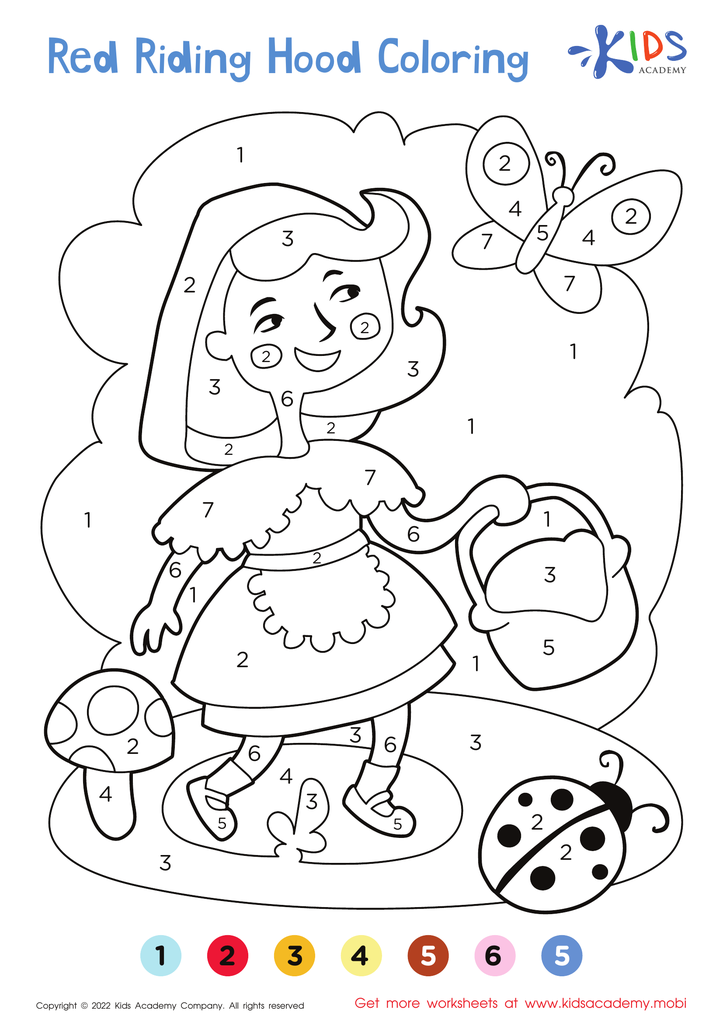
Little Red Riding Hood – Coloring by Numbers








Parents and teachers should care about fine motor skills development in children ages 4-7, particularly in relation to math, because these skills are foundational for both academic success and everyday life. Fine motor skills encompass the coordination of small muscles, especially in the hands and fingers, which are essential for tasks such as writing, cutting, and manipulating objects. In math, fine motor skills play a crucial role as children engage in hands-on activities like counting with blocks, drawing shapes, or completing puzzles.
These activities not only teach mathematical concepts but also enhance critical thinking and problem-solving skills. When children use their hands to explore mathematical ideas, they develop cognitive connections that facilitate deeper understanding. Furthermore, fine motor skills are linked to later literacy skills; improved writing abilities help children express their understanding of math concepts effectively.
Encouraging fine motor skill development through math-related activities helps to build confidence and independence in young learners. Parents and teachers can create a supportive environment by offering engaging, hands-on math experiences that foster both fine motor skills and math proficiency, ultimately setting the stage for lifelong learning and a positive attitude toward education.








