Check out this FREE Trial Lesson on Math for age 4-7!

Short and Long Vowel Sort

Favorites
With answer key
Interactive
  • 4-7
  • Fraction simplification
  • Math
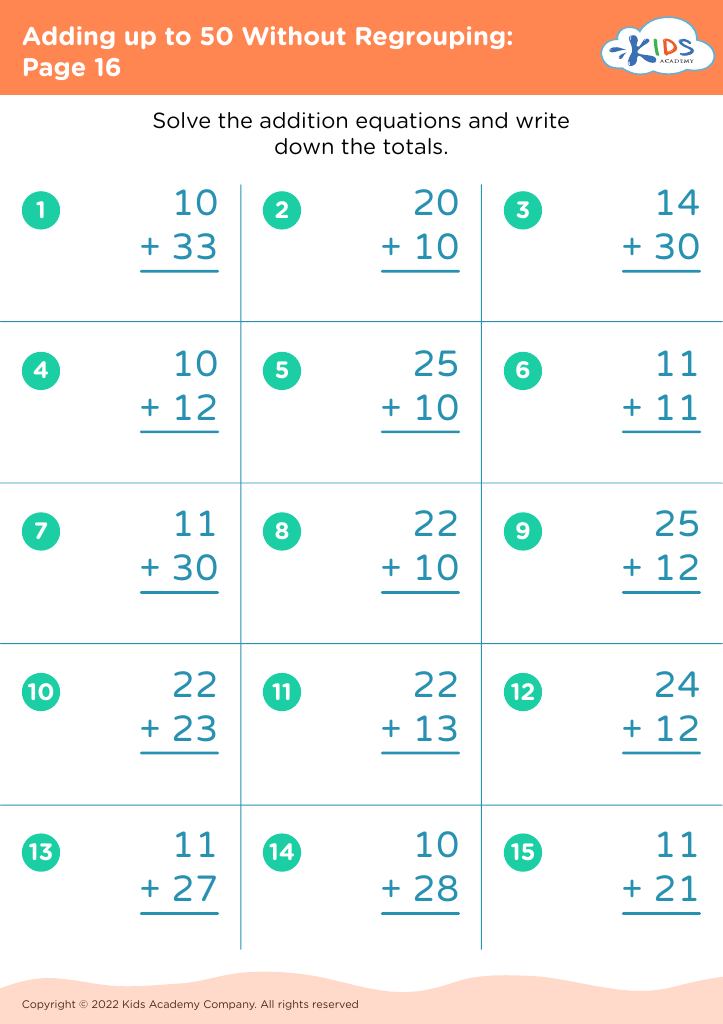
Adding up to 50 Without Regrouping: Page 16
Worksheet
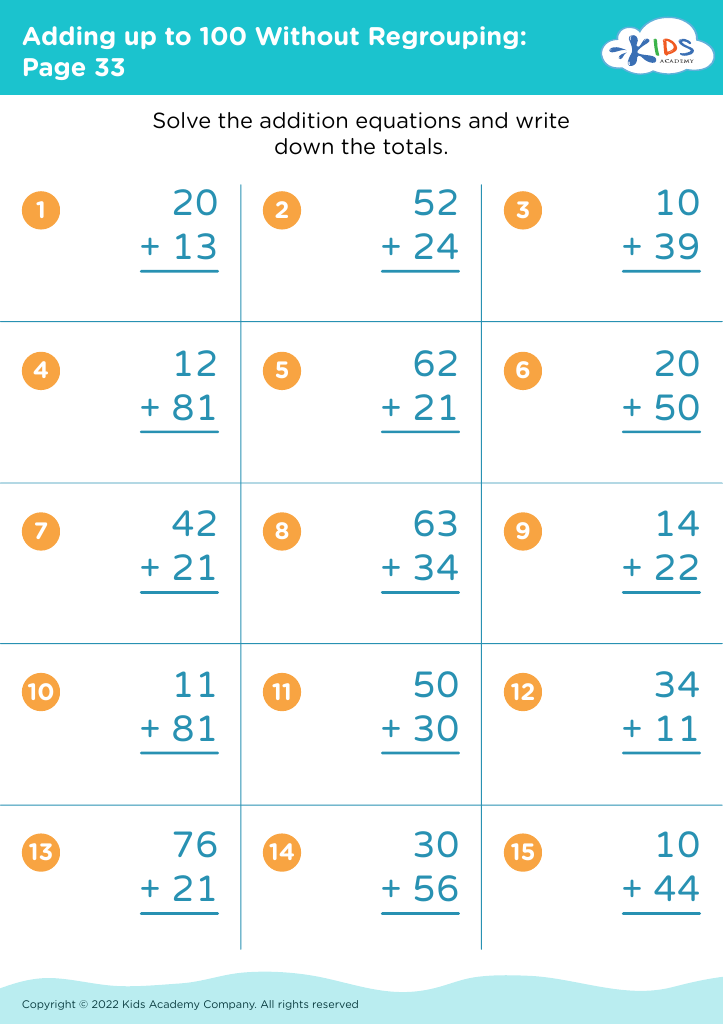
Adding up to 100 Without Regrouping: Page 33
Worksheet
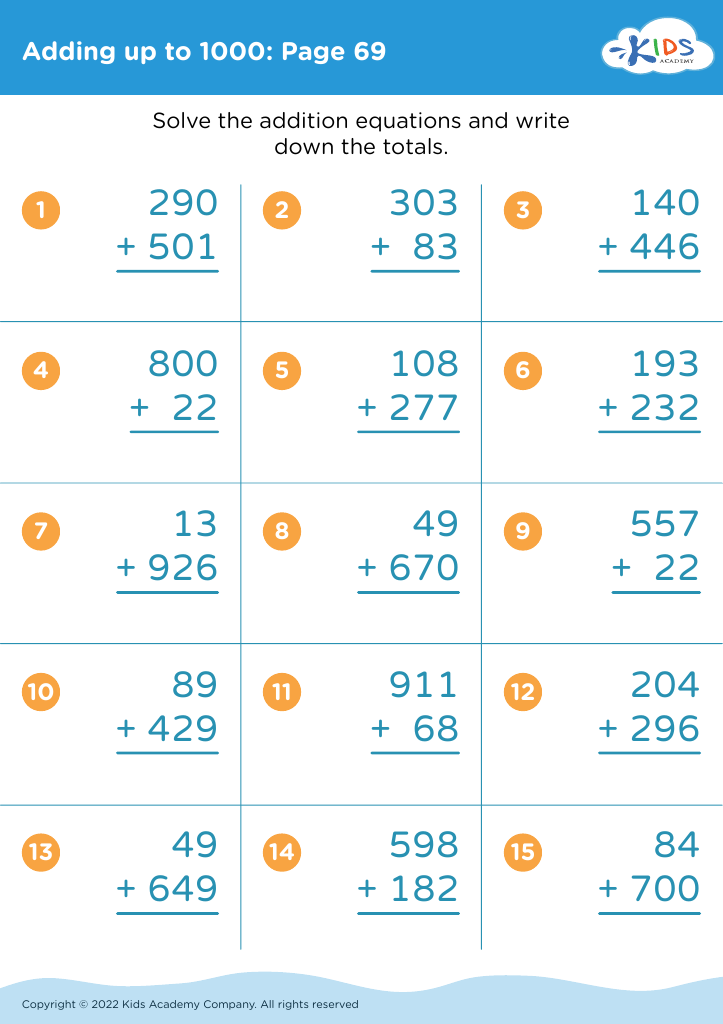
Adding up to 1000: Page 69

Adding up to 1000: Page 69

Adding up to 1000: Page 69
Worksheet
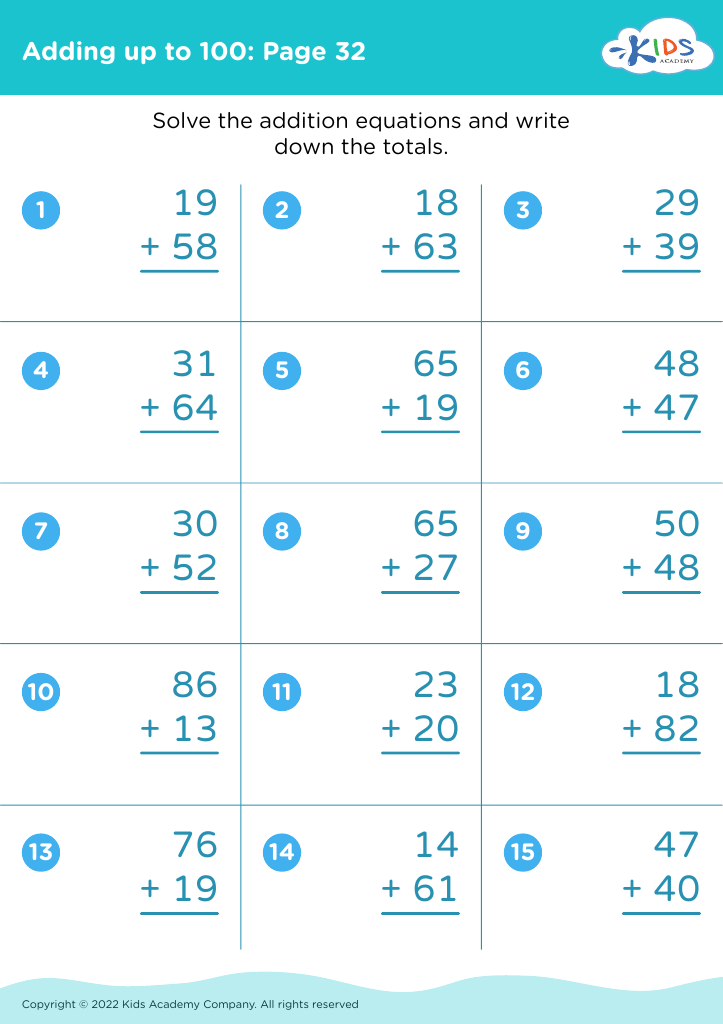
Adding up to 100: Page 32

Adding up to 100: Page 32

Adding up to 100: Page 32
Worksheet
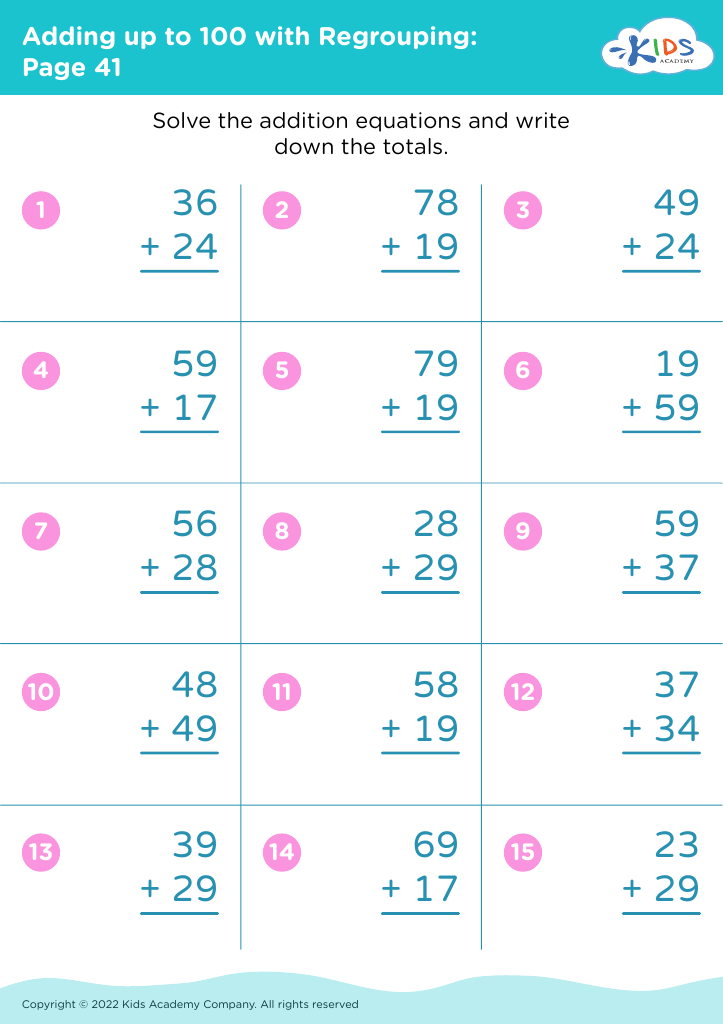
Adding up to 100 with Regrouping: Page 41
Worksheet
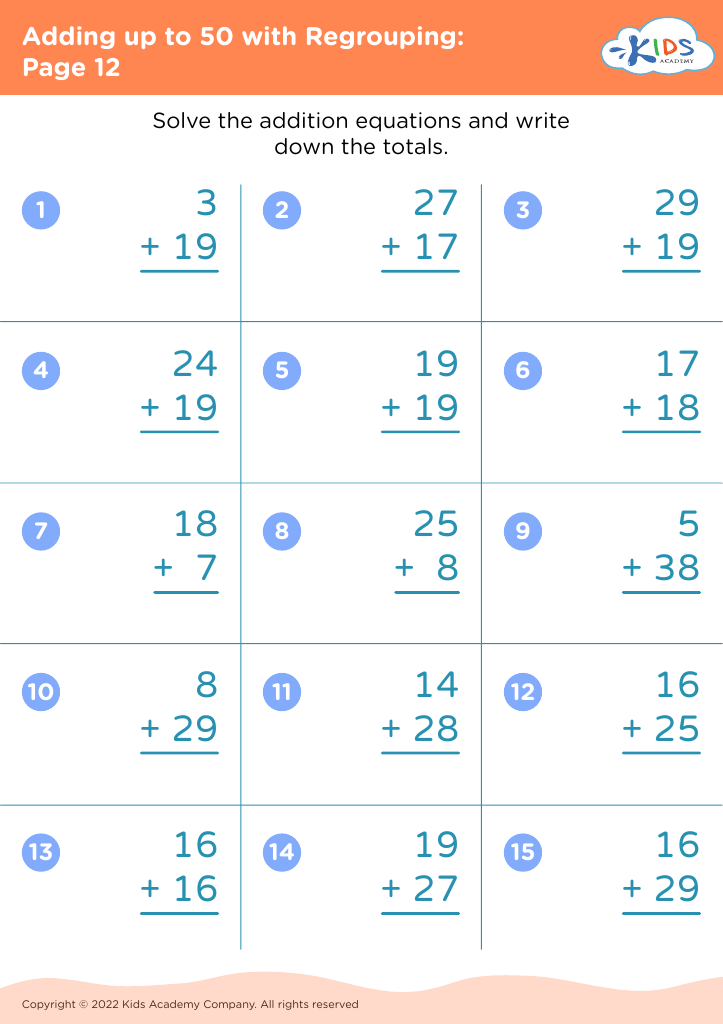
Adding up to 50 with Regrouping: Page 12
Worksheet
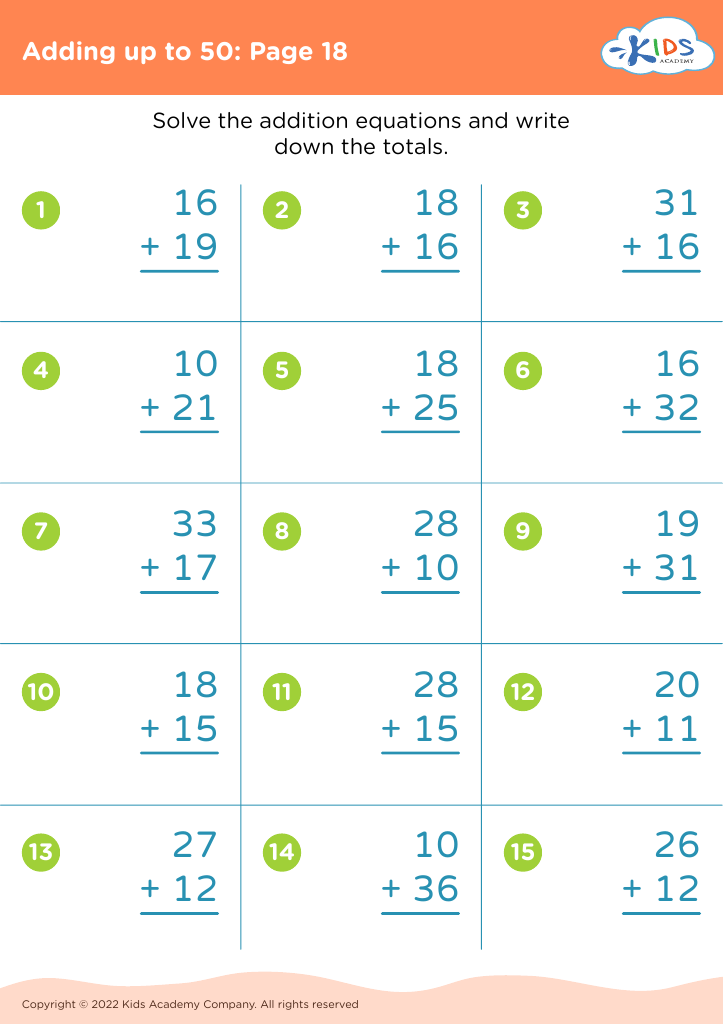
Adding up to 50: Page 18

Adding up to 50: Page 18

Adding up to 50: Page 18
Worksheet
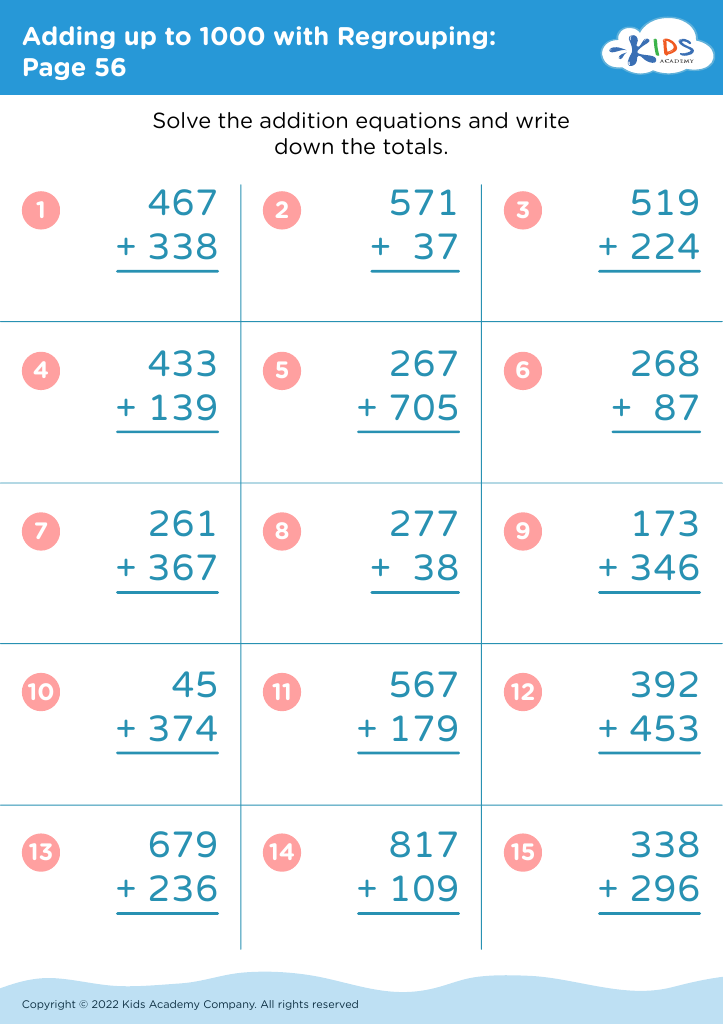
Adding up to 1000 with Regrouping: Page 56
Worksheet
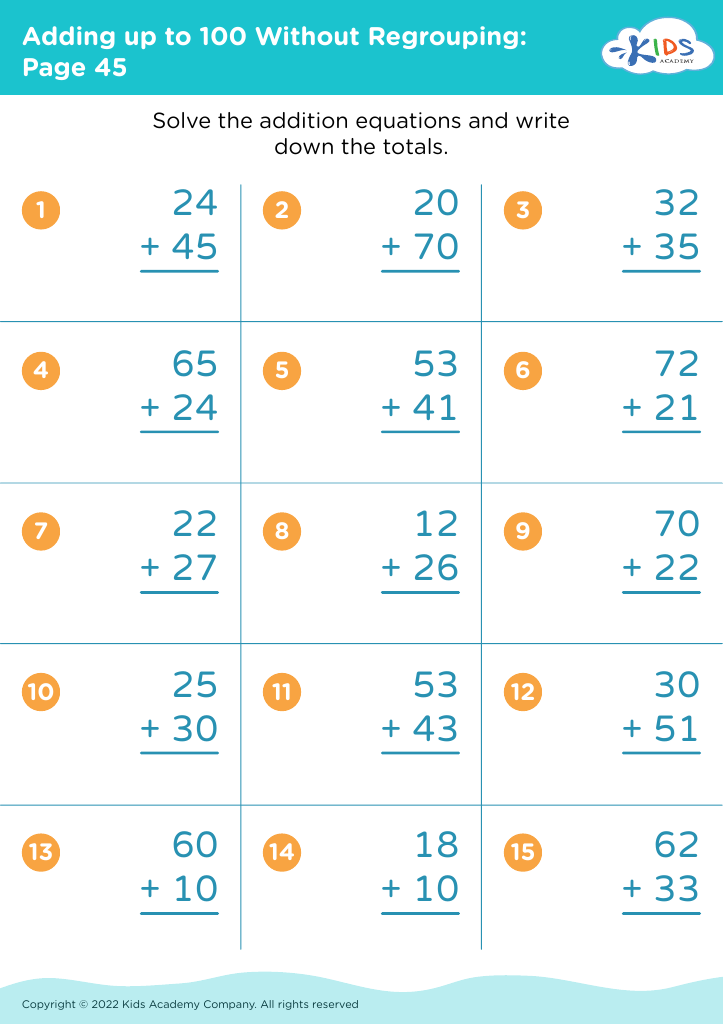
Adding up to 100 Without Regrouping: Page 45
Worksheet
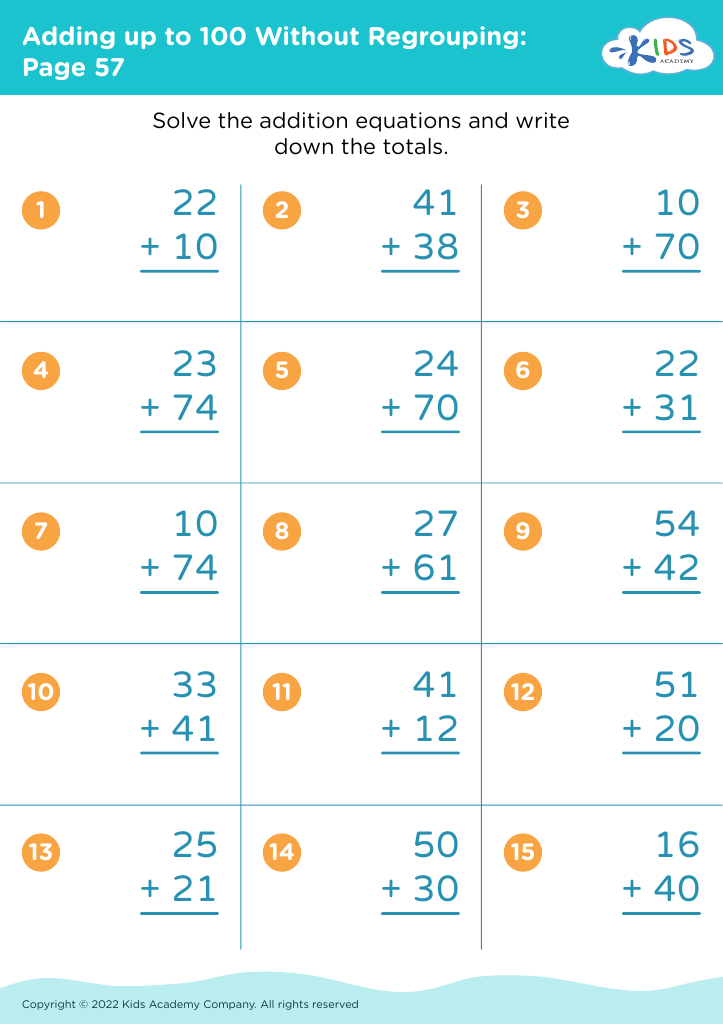
Adding up to 100 Without Regrouping: Page 57
Worksheet
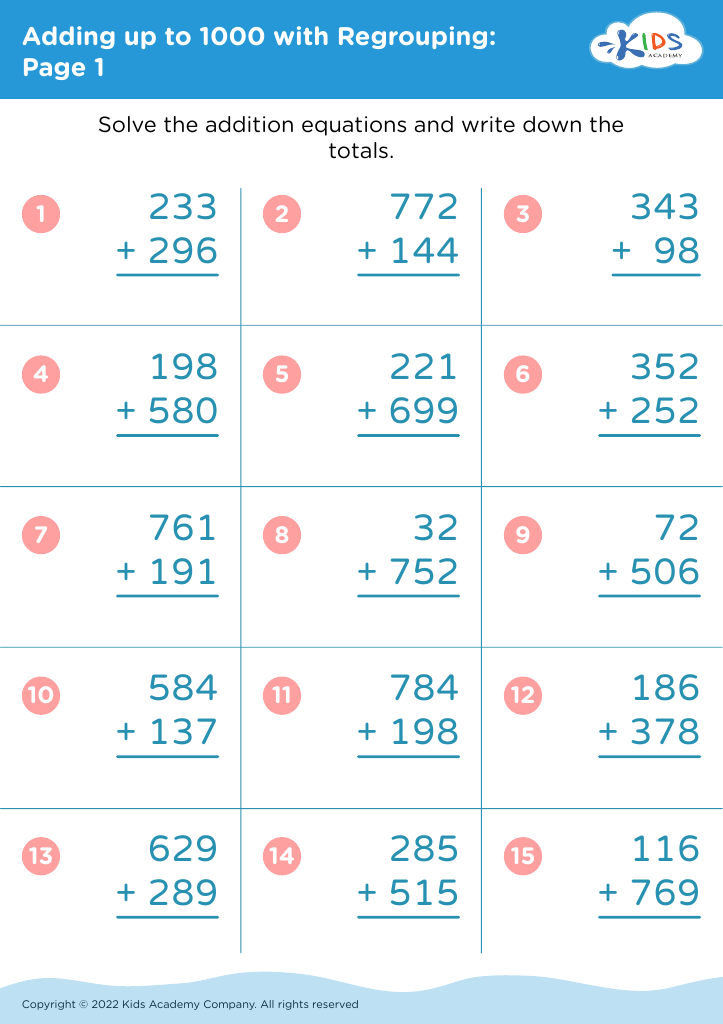
Adding up to 1000 with Regrouping: Page 1
Worksheet
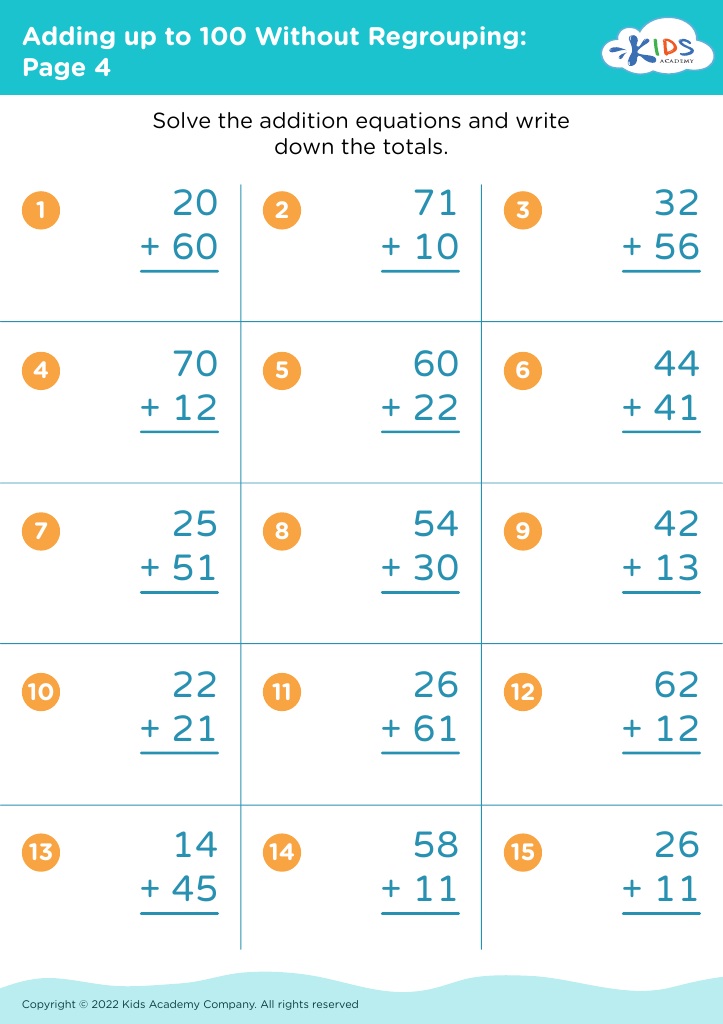
Adding up to 100 Without Regrouping: Page 4
Worksheet
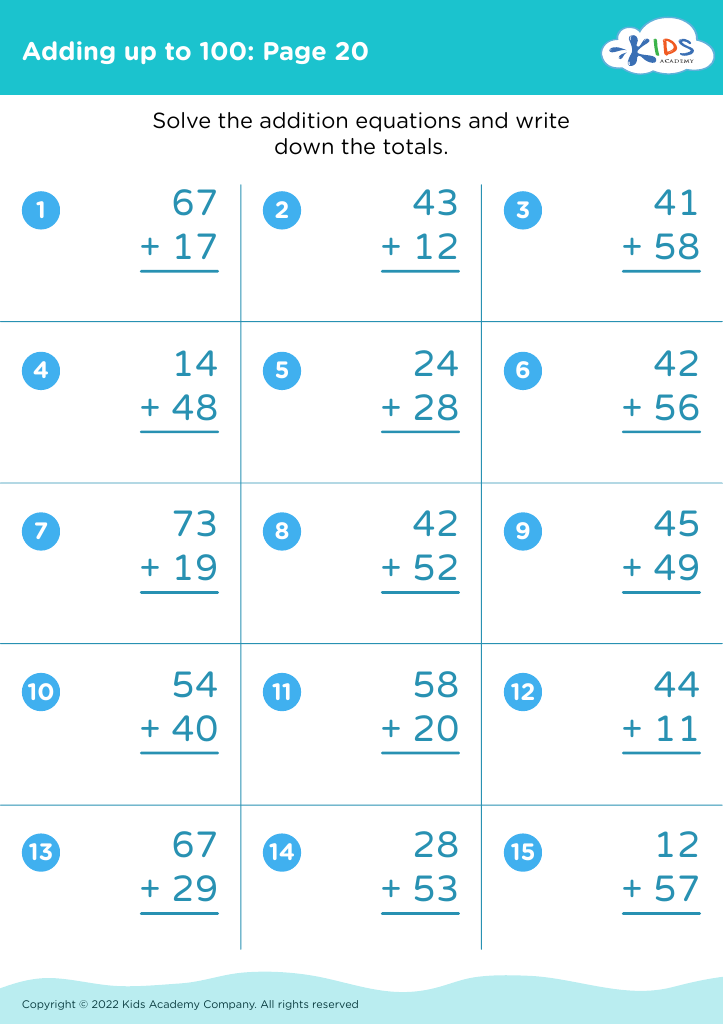
Adding up to 100: Page 20

Adding up to 100: Page 20

Adding up to 100: Page 20
Worksheet
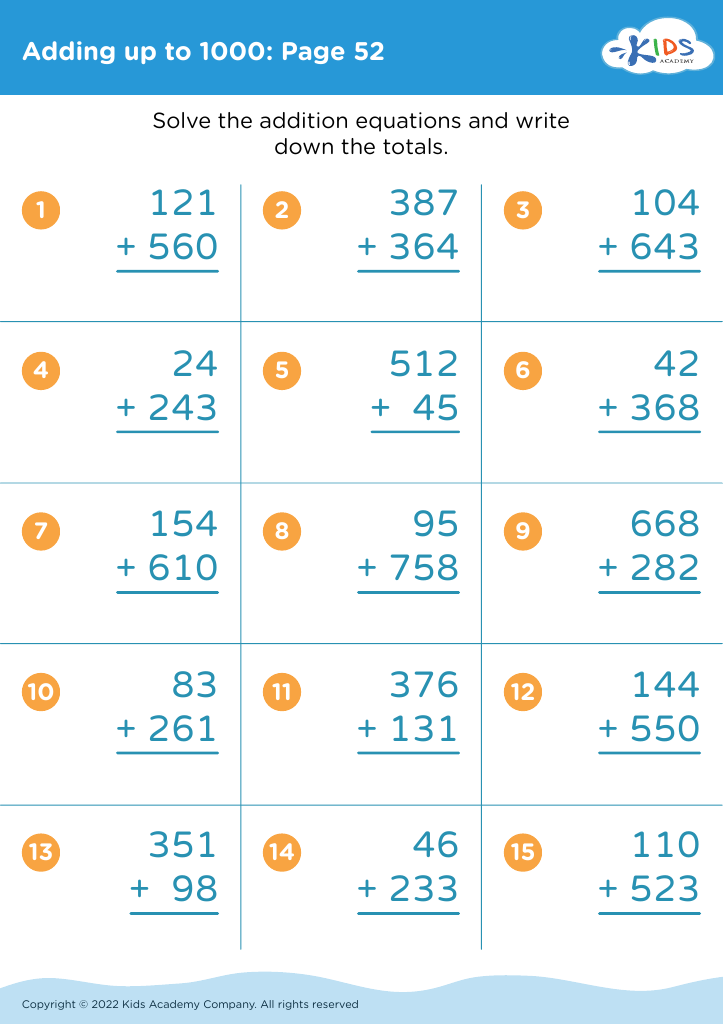
Adding up to 1000: Page 52

Adding up to 1000: Page 52

Adding up to 1000: Page 52
Worksheet
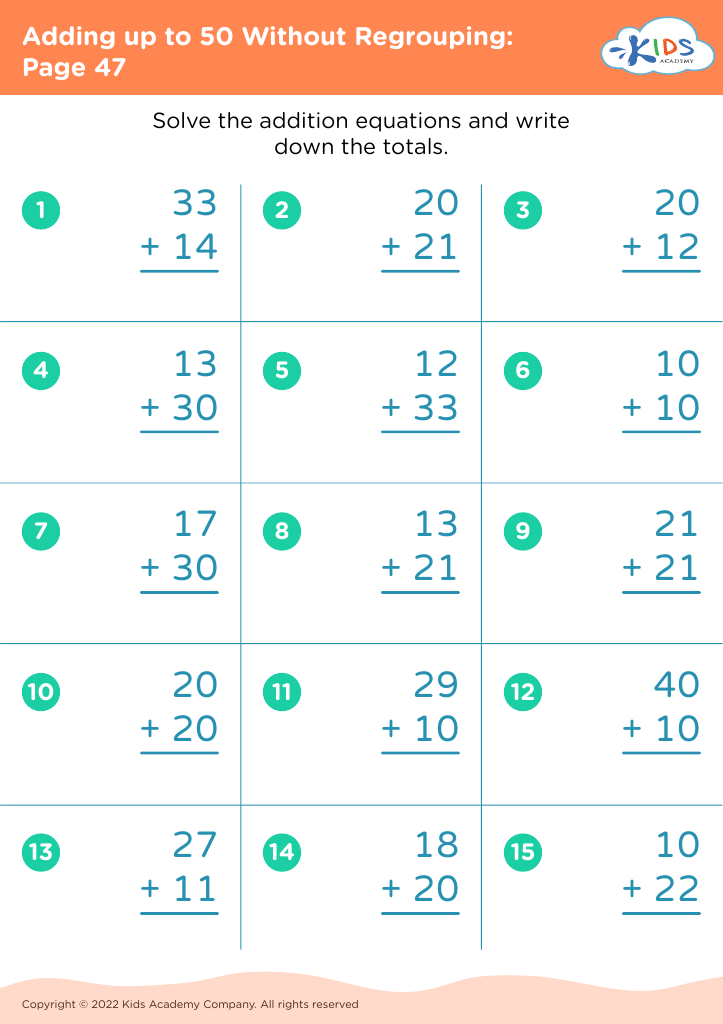
Adding up to 50 Without Regrouping: Page 47
Worksheet
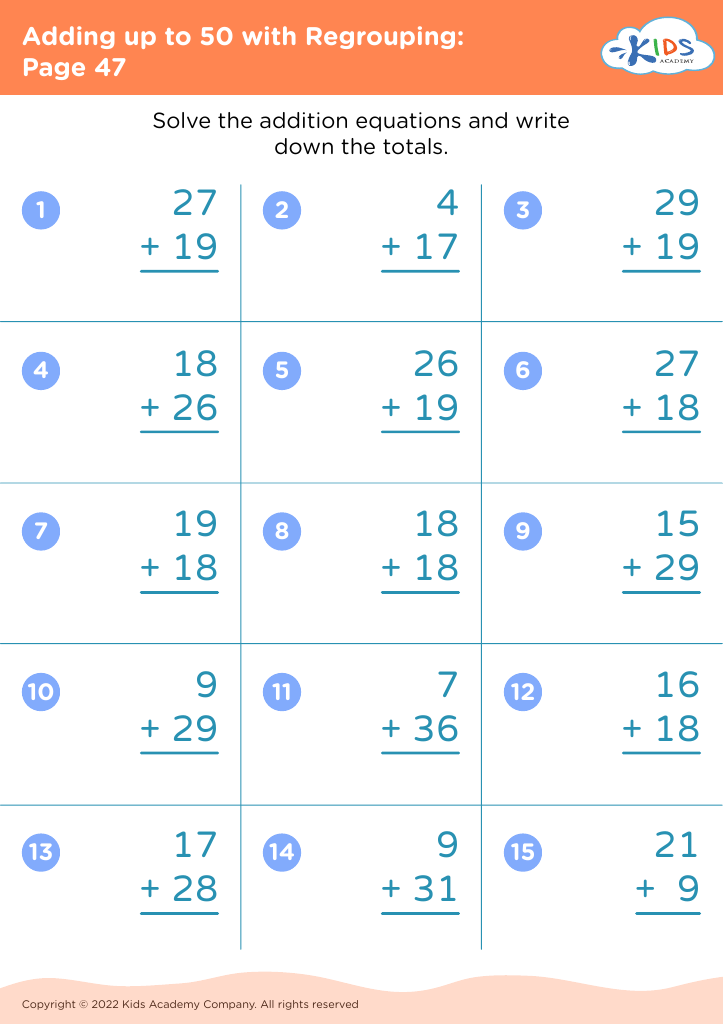
Adding up to 50 with Regrouping: Page 47
Worksheet
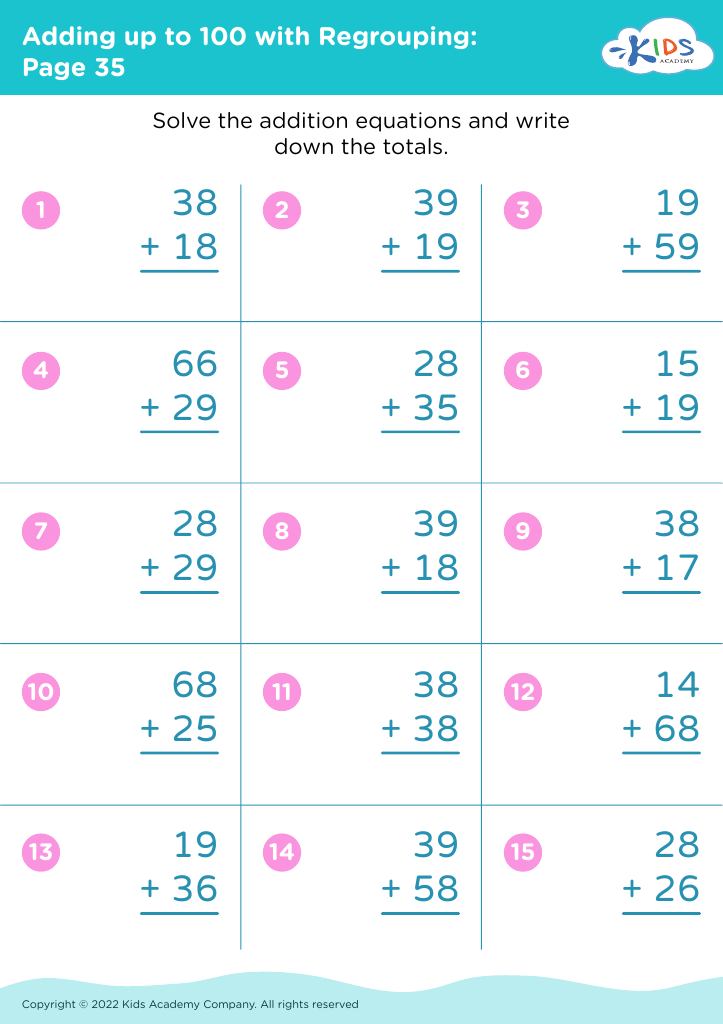
Adding up to 100 with Regrouping: Page 35
Worksheet
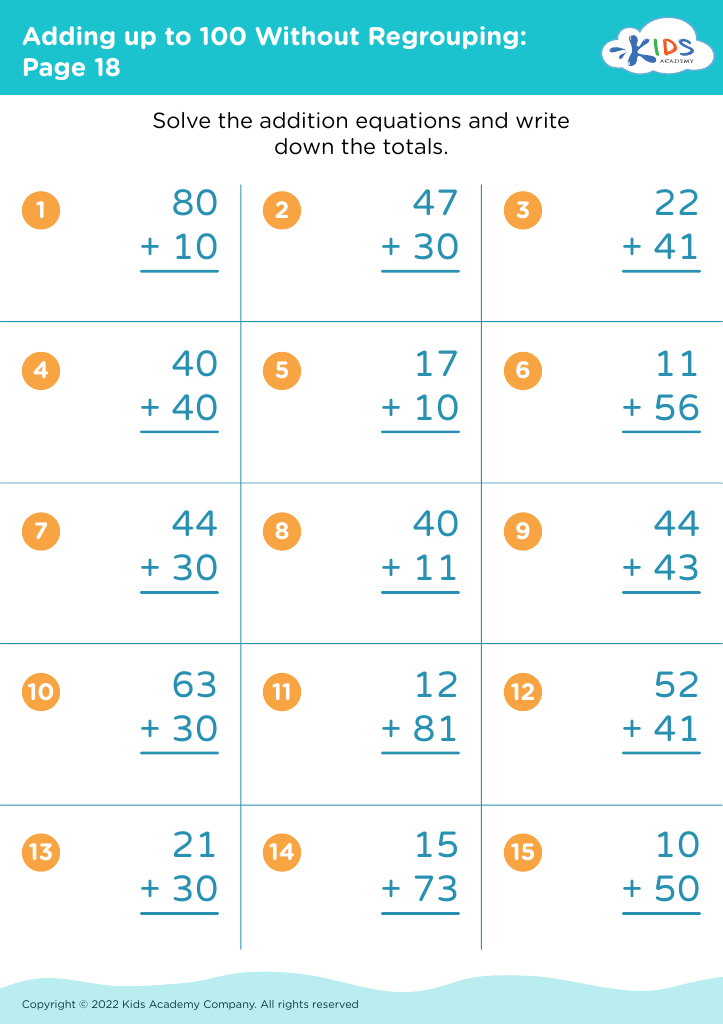
Adding up to 100 Without Regrouping: Page 18
Worksheet
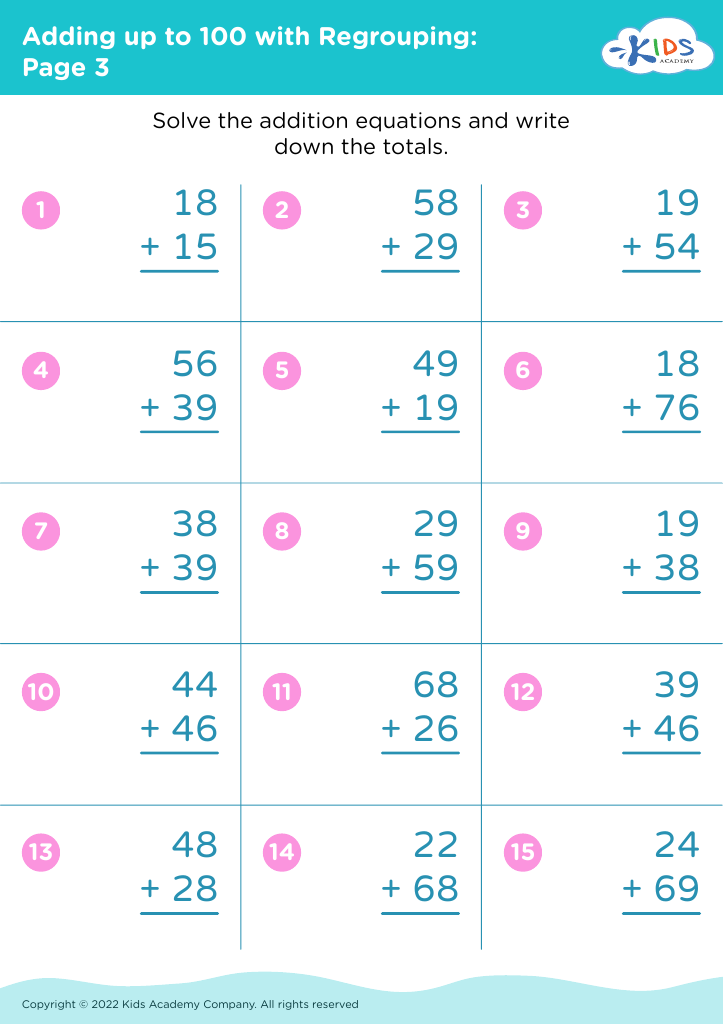
Adding up to 100 with Regrouping: Page 3
Worksheet
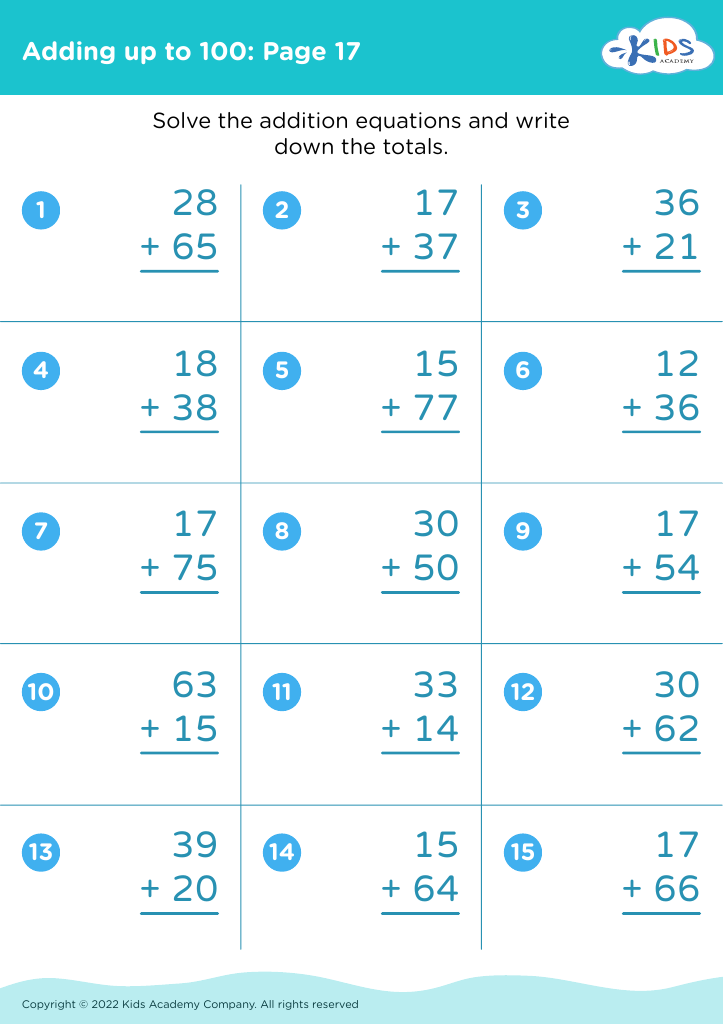
Adding up to 100: Page 17

Adding up to 100: Page 17

Adding up to 100: Page 17
Worksheet
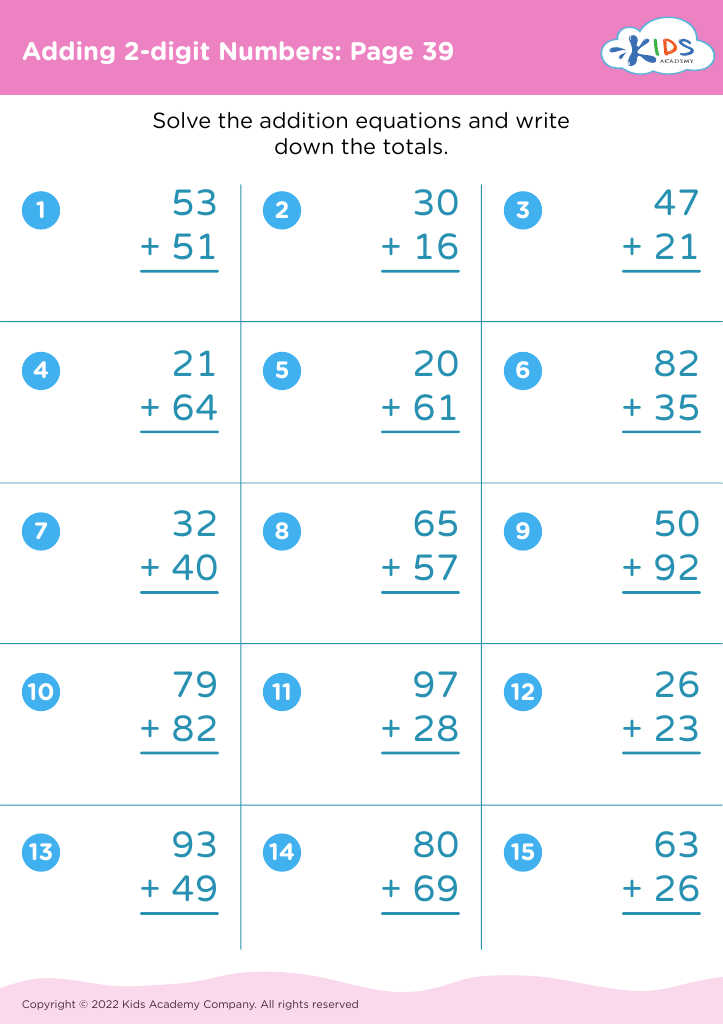
Adding 2-digit Numbers: Page 39

Adding 2-digit Numbers: Page 39

Adding 2-digit Numbers: Page 39
Worksheet
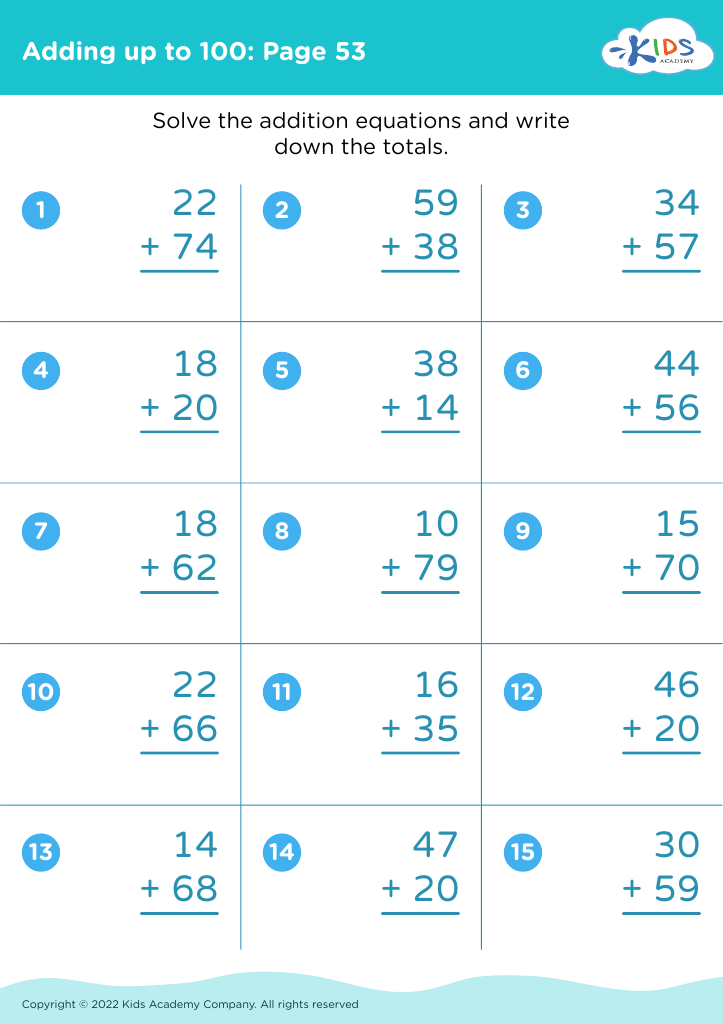
Adding up to 100: Page 53

Adding up to 100: Page 53

Adding up to 100: Page 53
Worksheet
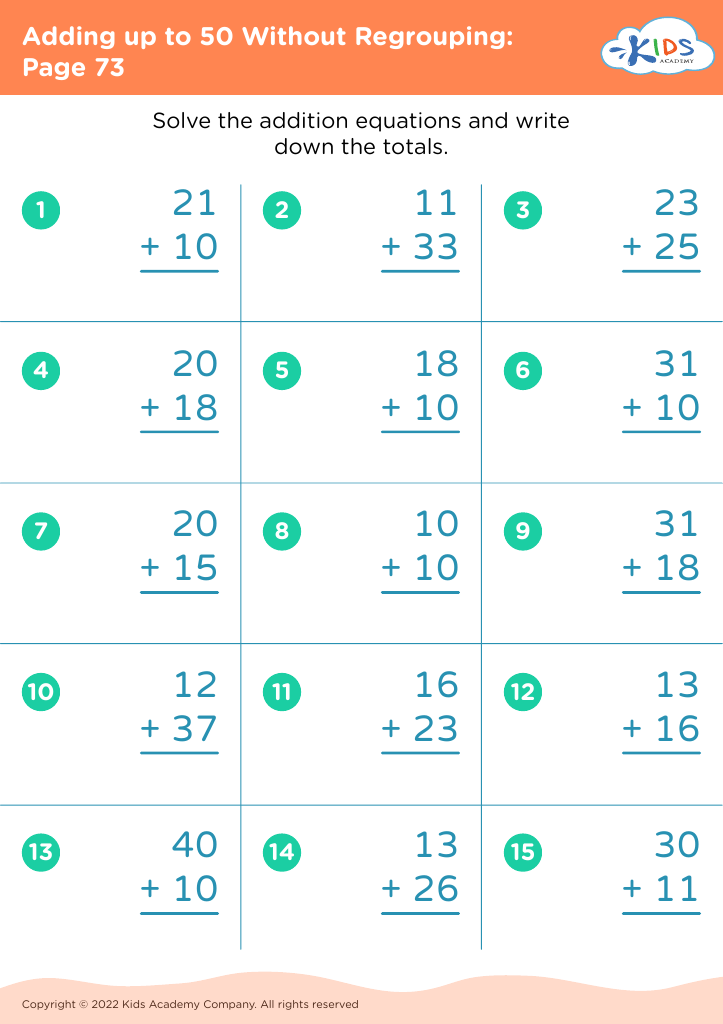
Adding up to 50 Without Regrouping: Page 73
Worksheet
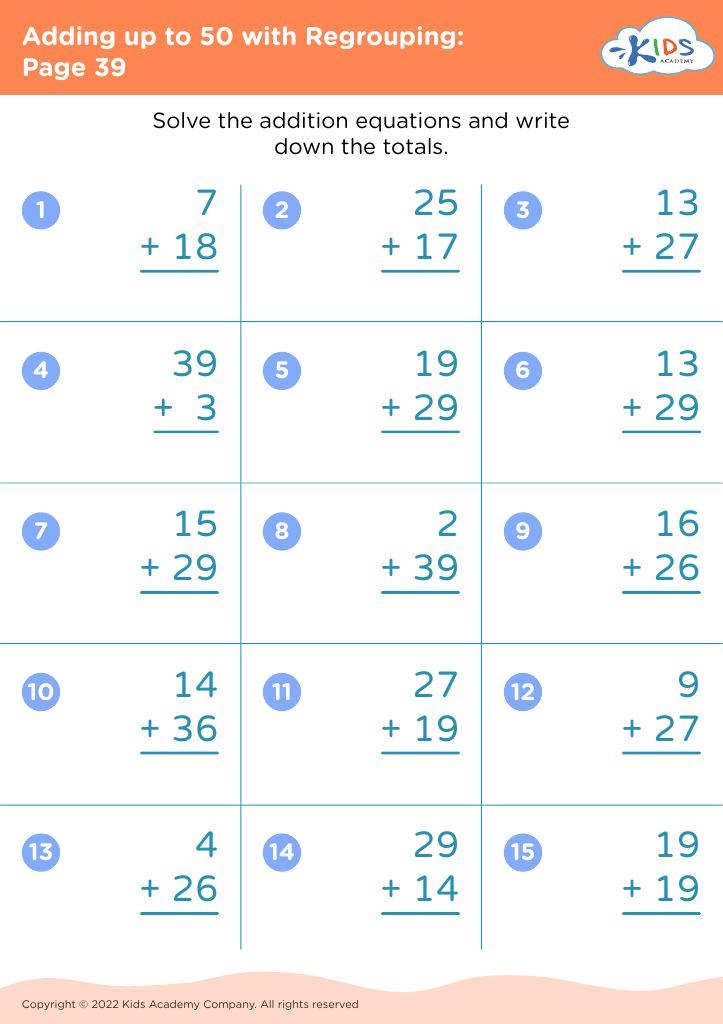
Adding up to 50 with Regrouping: Page 39
Worksheet


Fraction simplification is an essential concept for children ages 4-7 as it lays the foundation for critical mathematical thinking. During these formative years, children begin to grasp basic math concepts, and early exposure to fractions can enhance their numerical literacy. Simplifying fractions helps young learners develop a clearer understanding of relationships between numbers, promoting problem-solving skills and logical reasoning.

When parents and teachers emphasize fraction simplification, they support children's ability to make comparisons, understand parts of a whole, and even engage in real-world applications like sharing food or measuring ingredients in cooking. This practical side of mathematics not only makes learning relevant but also builds confidence in their abilities.

Moreover, simplification teaches perseverance, as it often requires children to try different approaches, fostering a growth mindset. As they share their learning experiences, they can communicate their understanding more effectively, enhancing social skills as well.

Engaging with fractions at an early age can improve cognitive development, ensuring children are better prepared for more advanced mathematics in later schooling. By caring about this foundational skill, parents and teachers empower young learners to embrace math as an enjoyable and essential part of everyday life.