Identifying patterns Math Worksheets for Ages 4-7
3 filtered results
-
From - To
Our "Identifying Patterns Math Worksheets for Ages 4-7" are designed to foster critical thinking and early math skills in young learners. Tailored for children aged 4-7, these worksheets provide engaging activities to help kids recognize, understand, and complete patterns using shapes, colors, and sizes. With vivid illustrations and fun challenges, our worksheets not only make learning enjoyable but also build a strong foundation for future math success. Ideal for home or classroom use, these printables support your child's early development skills, setting them on a path to academic achievement. Download today and watch your child's skills grow!
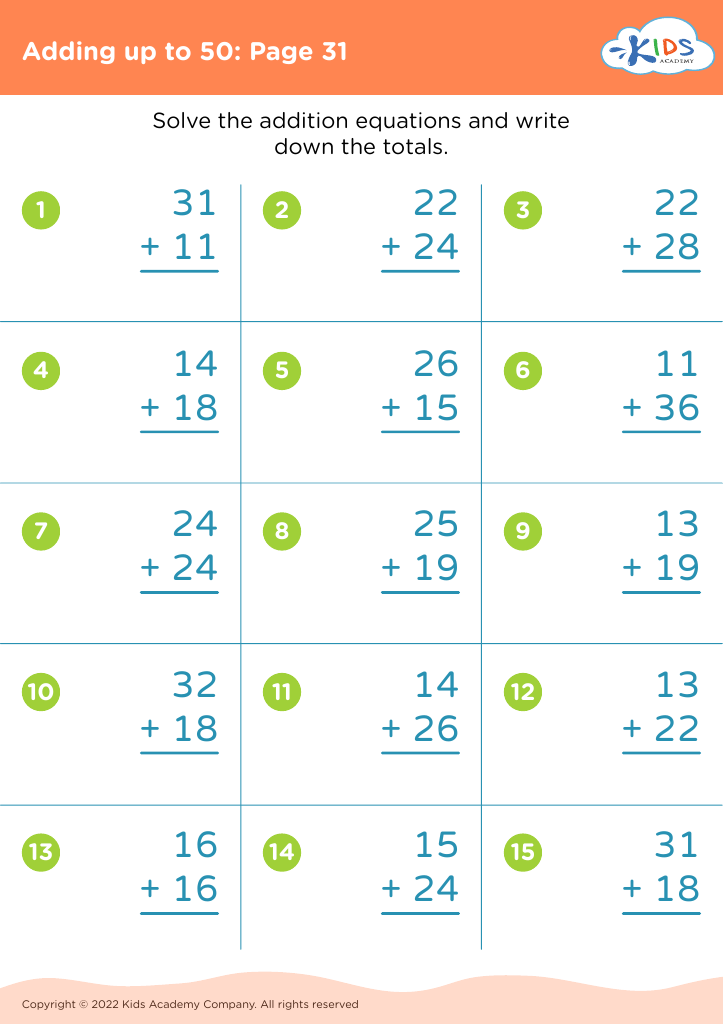
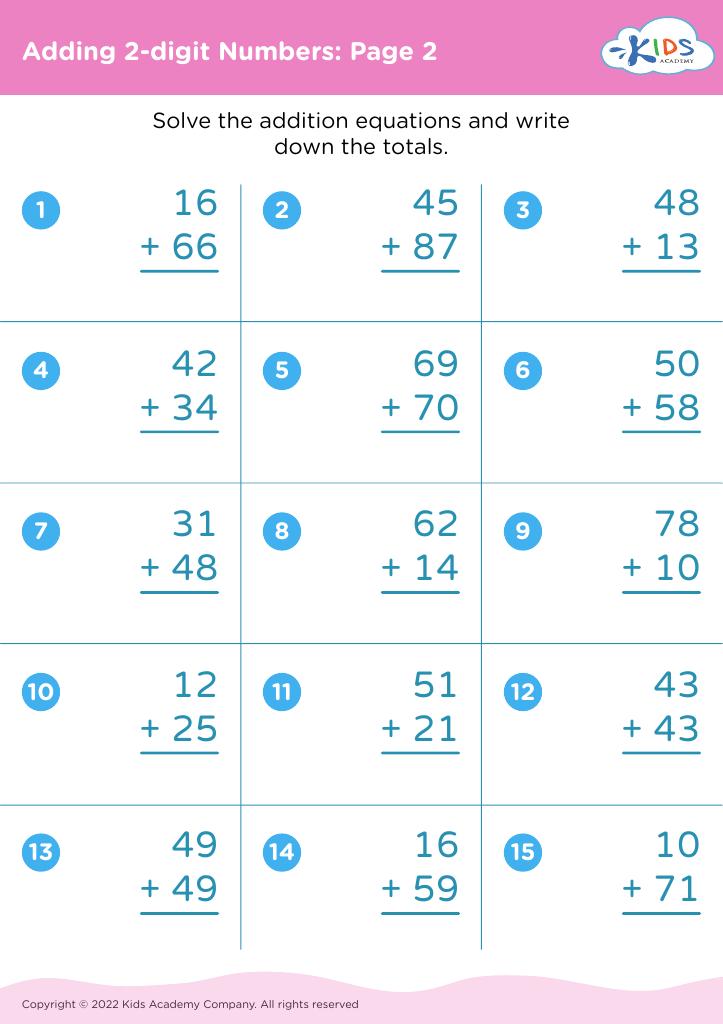
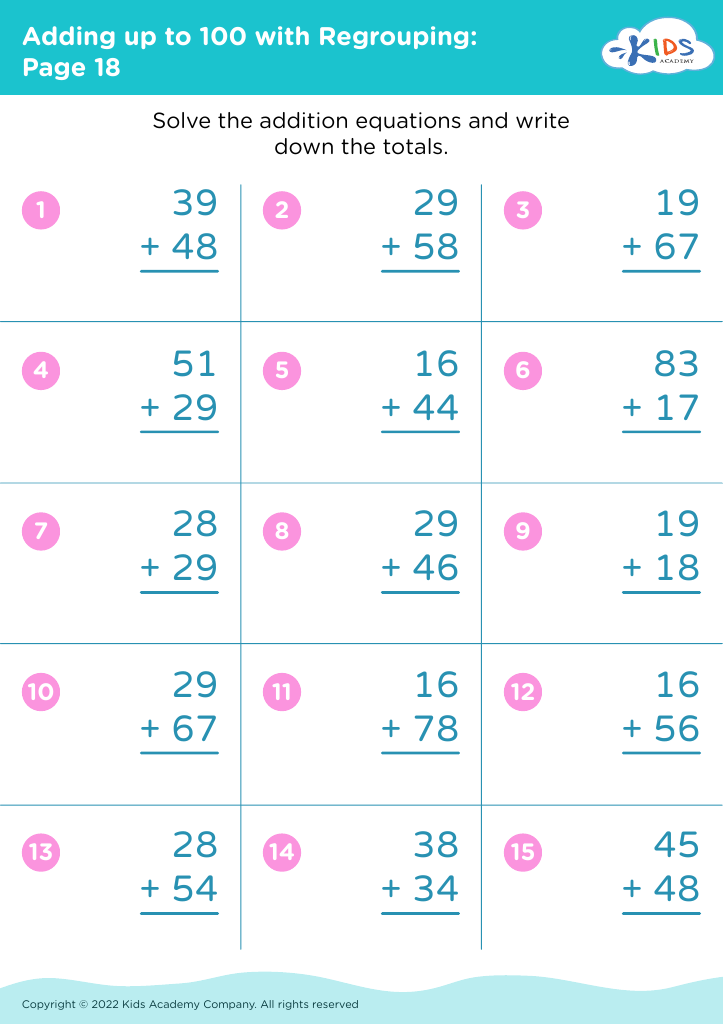



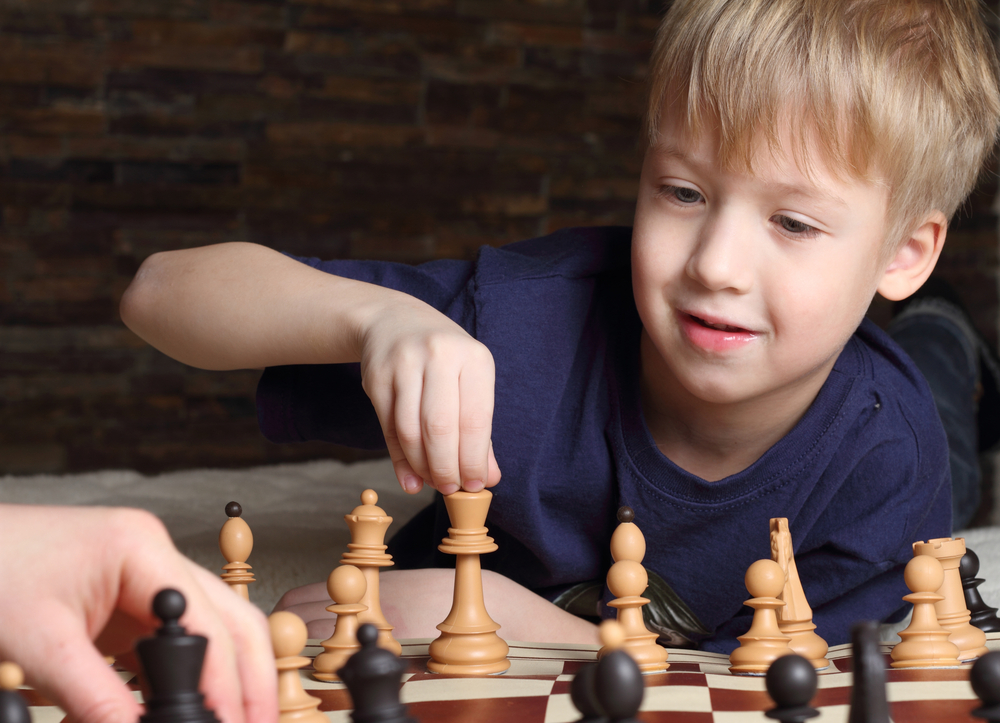



Identifying patterns in math for children ages 4-7 is crucial for their cognitive and academic development. Patterns serve as foundational building blocks for higher-level math concepts, such as algebra and geometry, and they foster critical thinking and problem-solving skills. By recognizing, continuing, and creating patterns, children develop an intuitive understanding of math concepts that can make more complex calculations easier to grasp later on.
Patterns also enhance recognition and observational skills. Children begin to see order and predictability in numbers, objects, and even daily routines, which can help them make sense of the world around them. This clear understanding improves their logical reasoning and ability to make predictions, whether that’s in math, reading, or even everyday activities.
Moreover, identifying patterns helps young learners improve memory and attention to detail. Repetitive activities strengthen brain connections, allowing for faster and more accurate information processing. It can also be a confidence booster; recognizing a sequence correctly reinforces a child's belief in their core cognitive abilities, making them more eager to tackle new challenges.
For teachers and parents, fostering pattern recognition helps ensure a solid math foundation, preparing children for a smoother transition to more advanced mathematical concepts. Engaging kids in fun, pattern-focused activities also makes learning interactive and enjoyable, nurturing a lifelong love of math.








