Number tracing Math Worksheets for Ages 4-7
4 filtered results
-
From - To
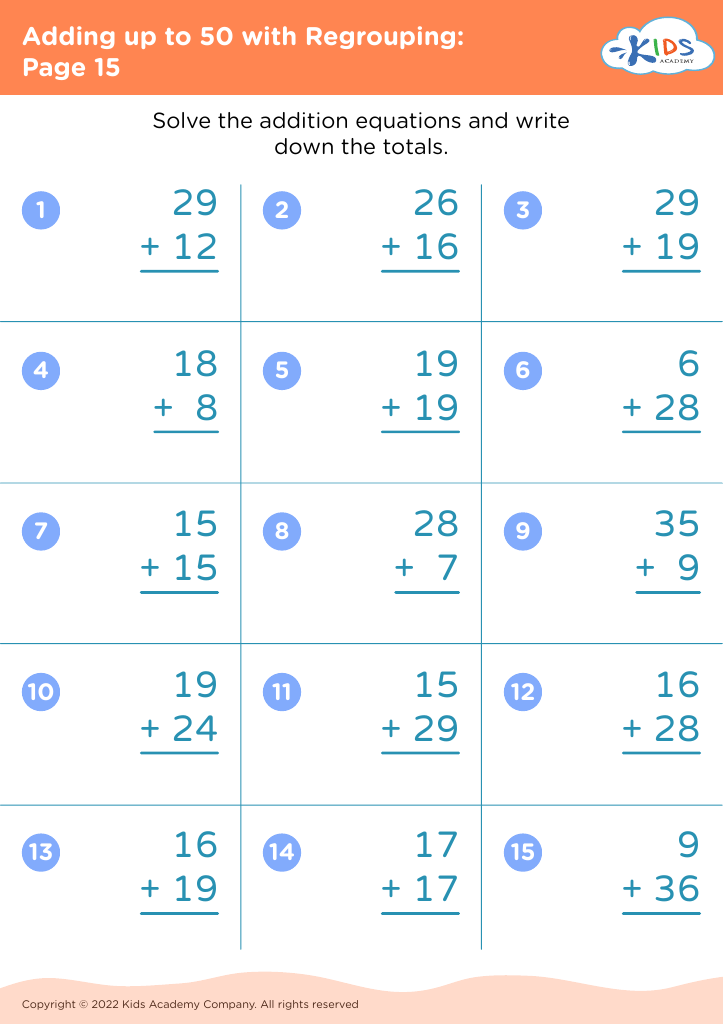
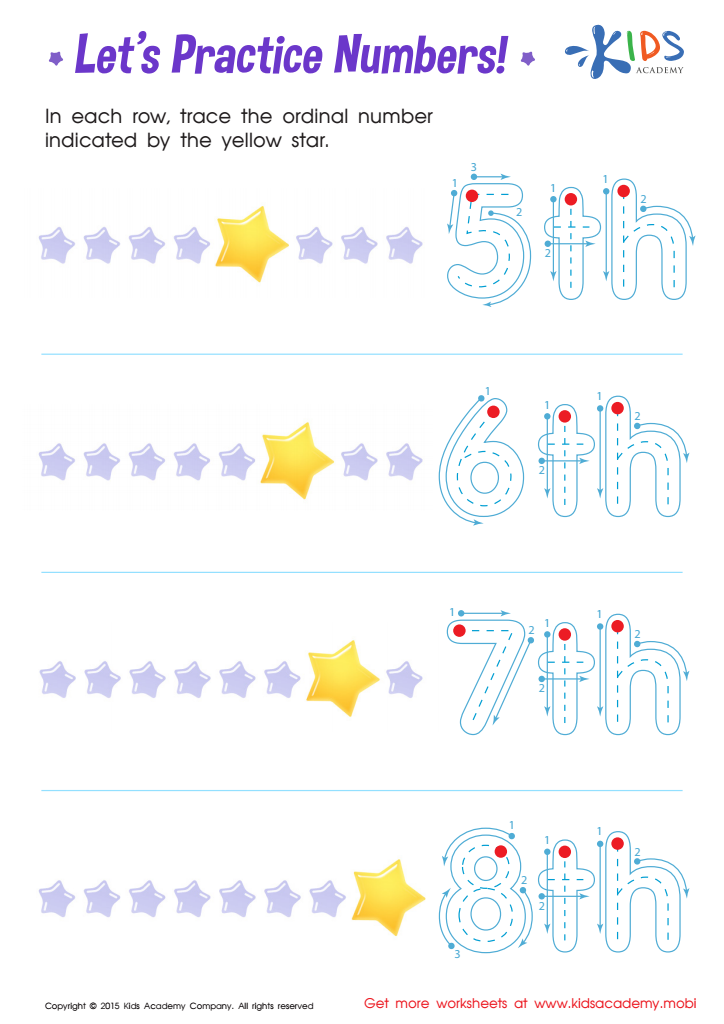
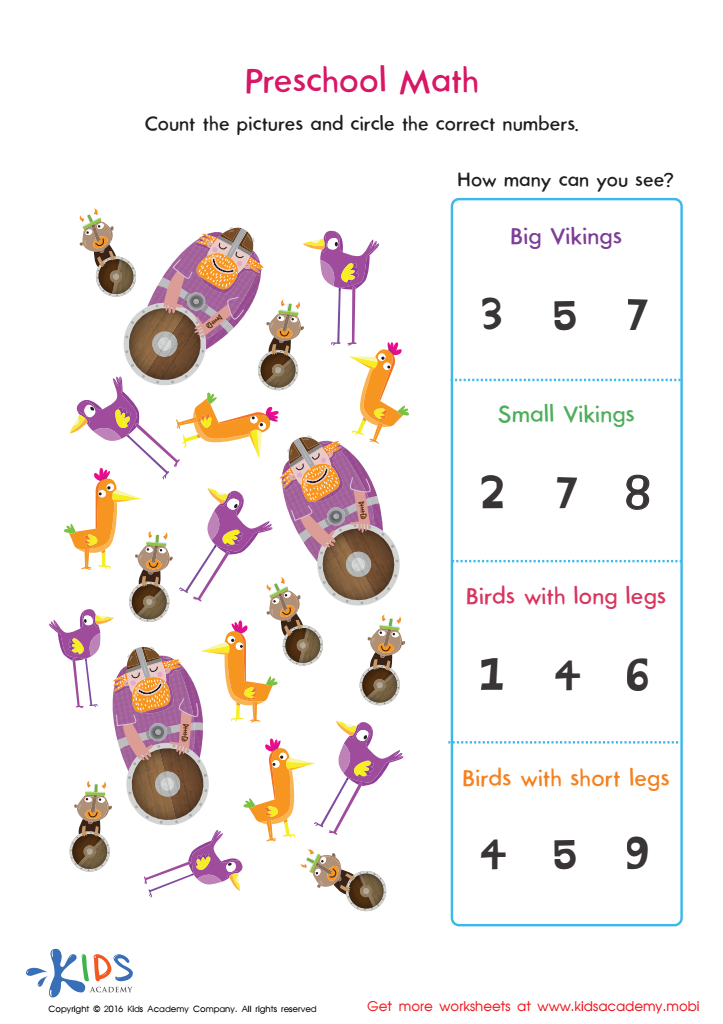
Enhance your child's math skills with our Number Tracing Math Worksheets for Ages 4-7. These worksheets are designed to help young learners build foundational skills in number recognition and formation. Through engaging and interactive tracing activities, children can improve their fine motor skills, hand-eye coordination, and counting abilities. Perfect for preschoolers and early elementary students, these worksheets offer a fun and educational way to reinforce number learning. Download and print from Kids Academy to support your child's journey towards math proficiency with confidence and joy!
 Assign to My Students
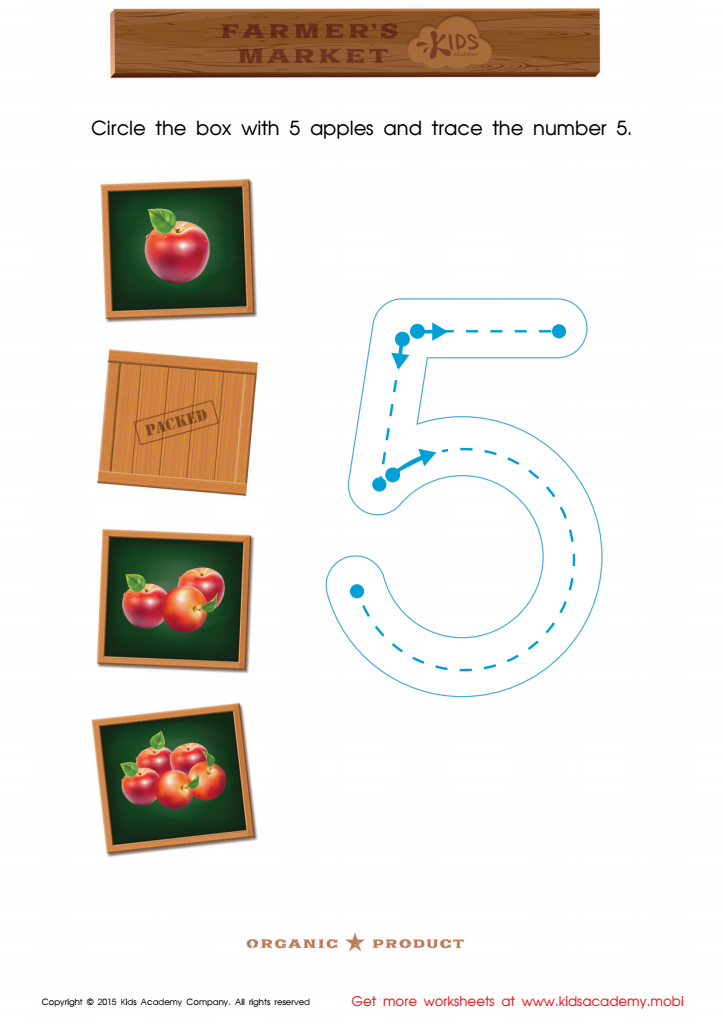
Count the Apples and Trace the Number 5 Printable








Number tracing for ages 4-7 is incredibly fundamental for early childhood development, serving as the bridge between rote counting and complex mathematical understanding. During these formative years, children are developing fine motor skills and cognitive abilities. Engaging in number tracing activities helps refine these crucial fine motor skills, laying the groundwork for writing legibility and dexterity. Moreover, it also reinforces number recognition. By repetitively tracing numbers, children internalize their shapes and forms, leading to better retention and recall.
Teachers and parents should understand that strong number familiarity builds confidence in young learners. Early successes in number recognition pave the way for more advanced mathematical concepts. This hands-on learning model helps in bridging the gap between tactile activities and mental visualization, crucial for later abstract thinking in math. Children are exposed to sequences and patterns that foster logical thinking and problem-solving skills. Furthermore, number tracing works as a fun introductory tool, maintaining the child's interest and enthusiasm for learning math.
Incorporating number tracing into the curriculum also aligns with educational standards, ensuring that children meet expected milestones in their numeracy skills. Thus, parents and teachers must embrace number tracing as a foundational, enjoyable, and effective technique to nurture young minds.








