Pattern identification Math Worksheets for Ages 4-7
8 filtered results
-
From - To
Discover the exciting world of pattern identification with our engaging Math Worksheets designed for ages 4-7! These fun and interactive resources help young learners develop critical cognitive skills as they recognize, create, and extend various patterns. Our worksheets incorporate vivid illustrations and playful themes to captivate children's attention, making math enjoyable and accessible. Perfect for classroom settings or at-home learning, these materials foster early math proficiency while enhancing problem-solving skills. Empower your child’s learning experience by exploring our dynamic collection of pattern identification worksheets and lay a strong foundation for their mathematical journey today!
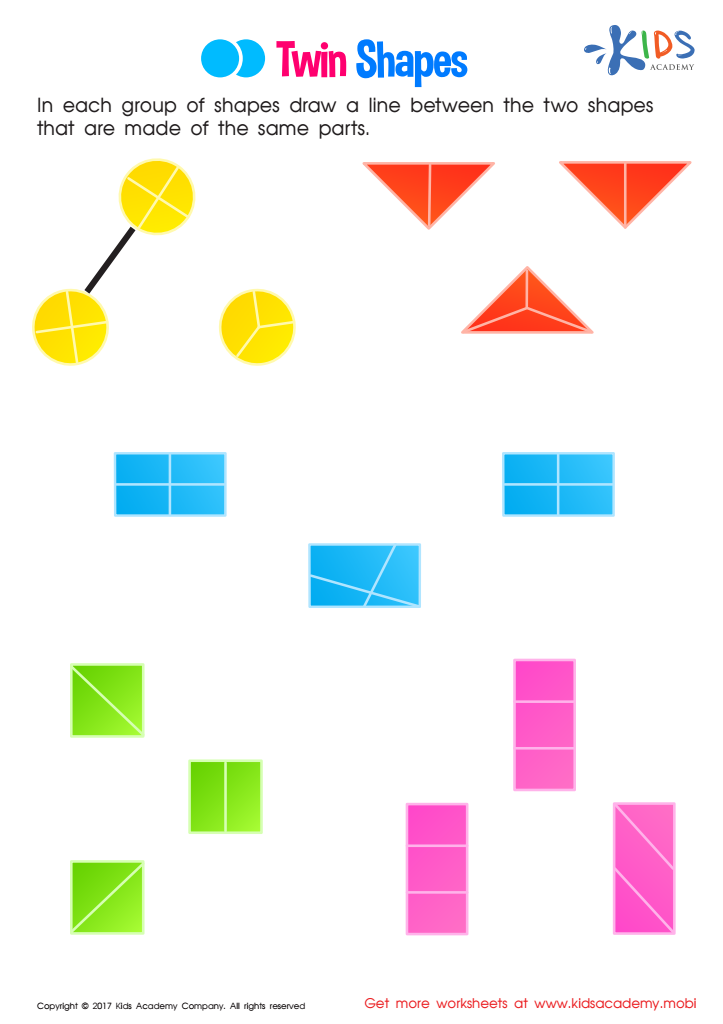
Twin Shapes Worksheet
 Assign to My Students
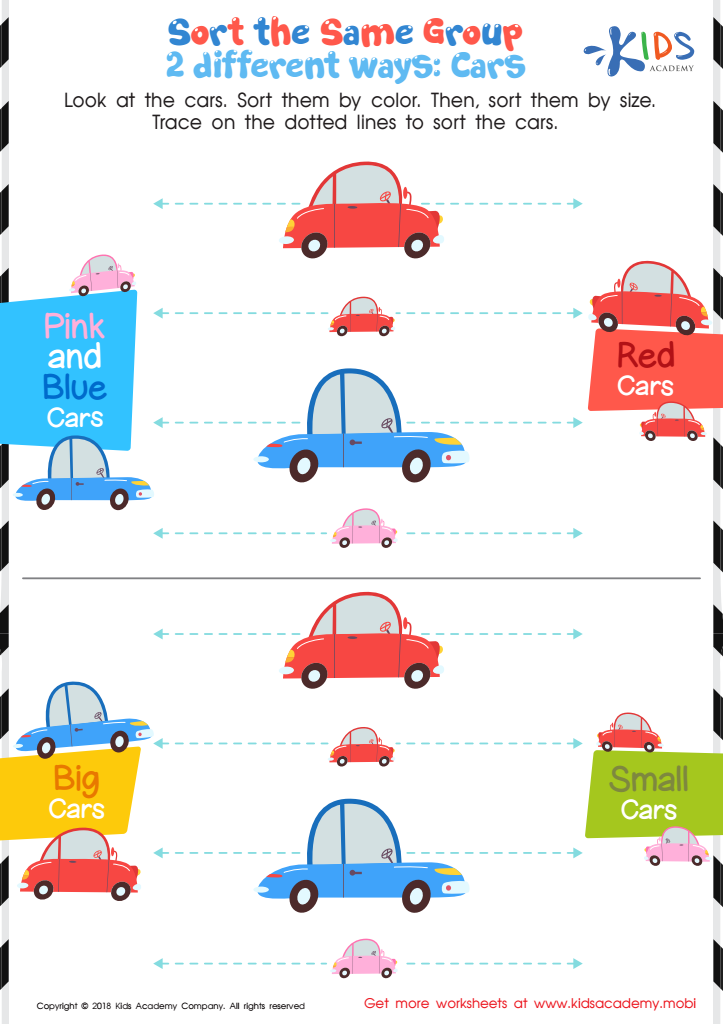
Sort the Same Group 2 Different Ways: Cars Worksheet
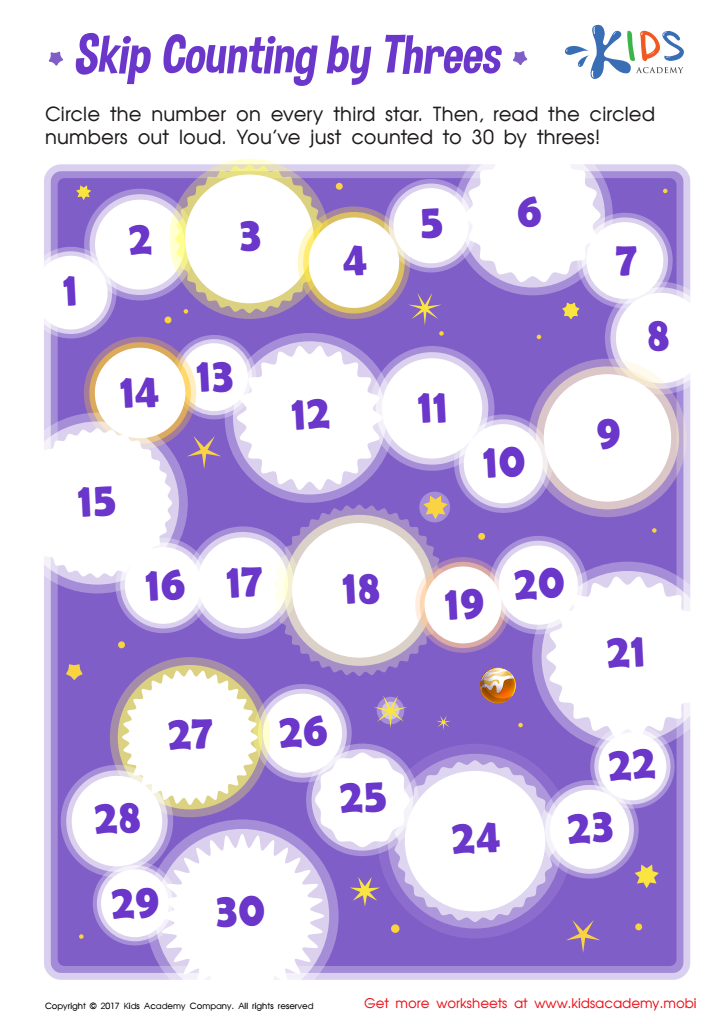
Skip Counting By Three Printable
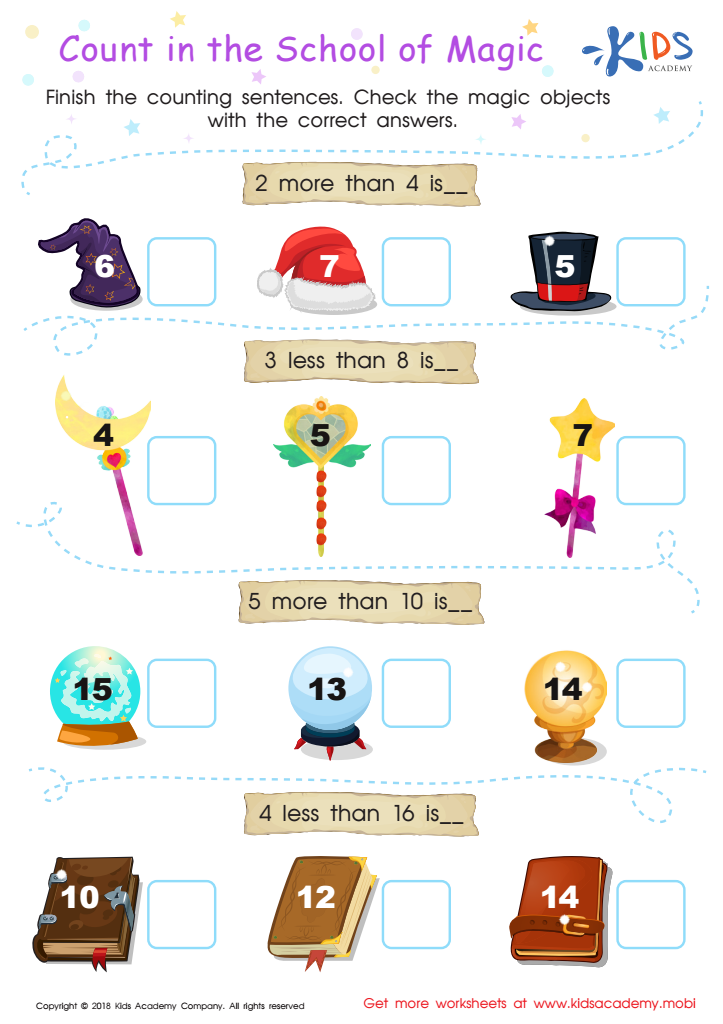
Count in the School of Magic Worksheet
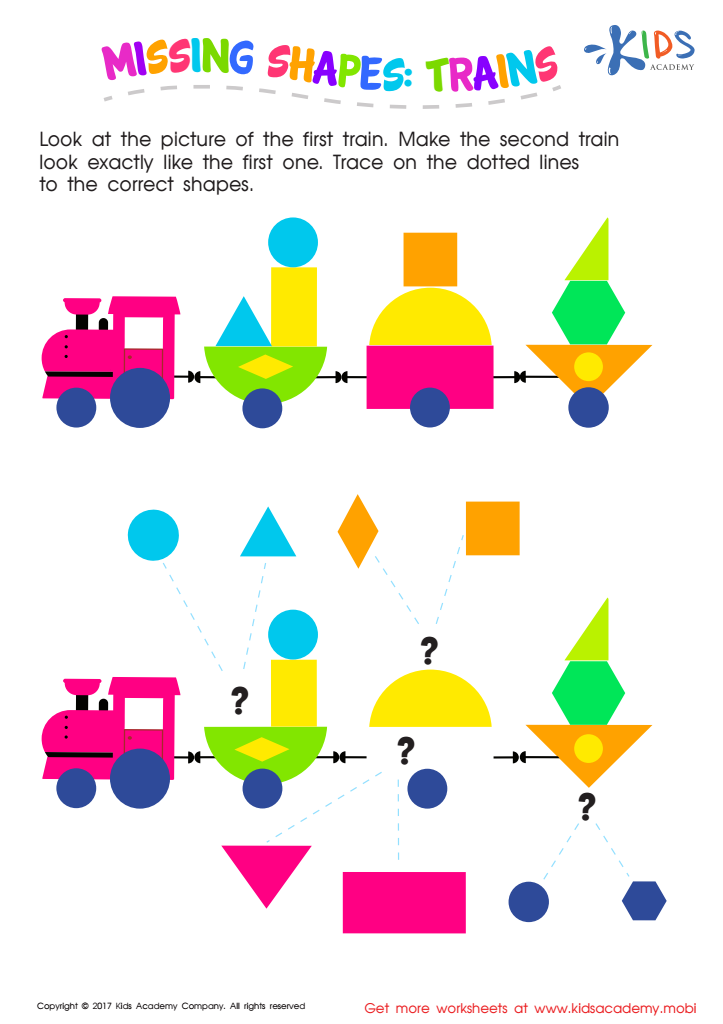
Missing Shapes: Trains Worksheet
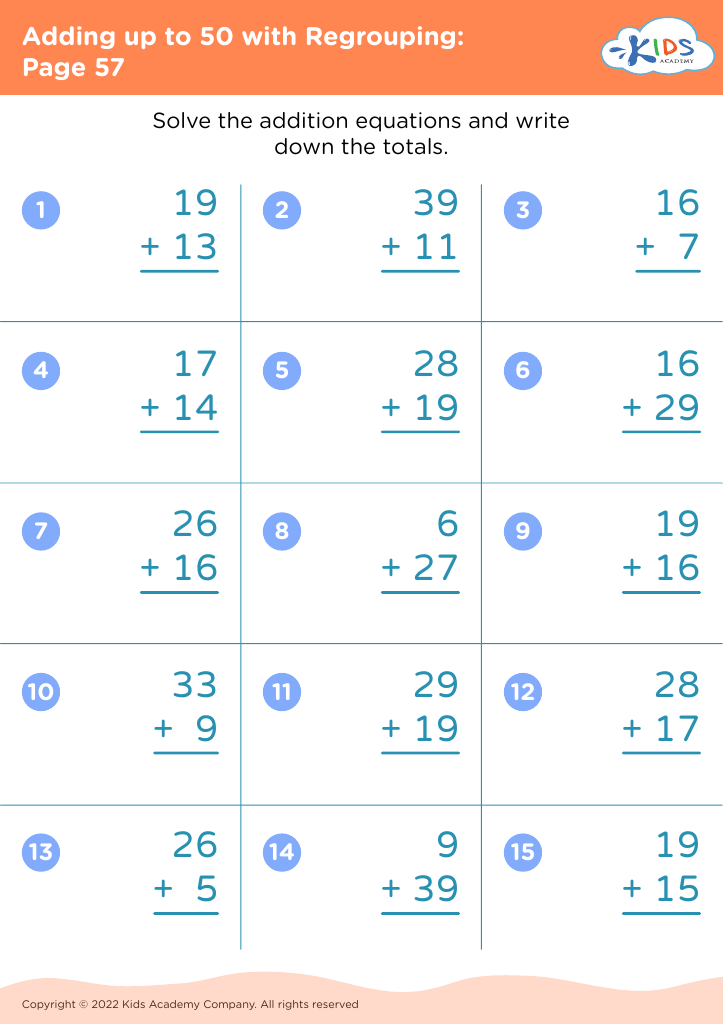
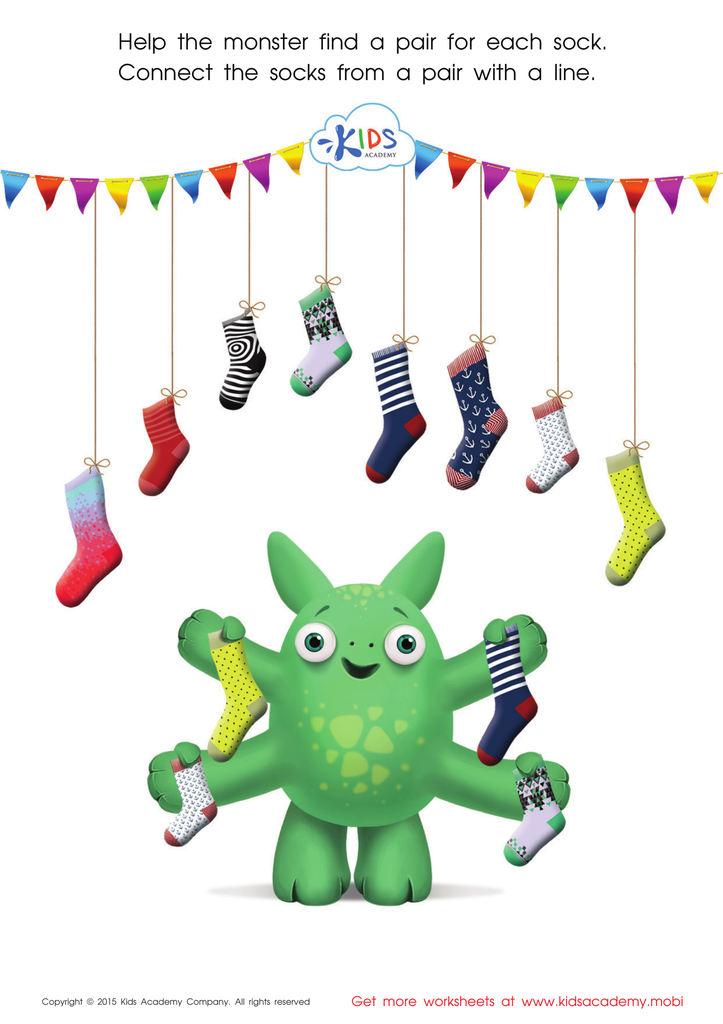
Math Matching Pairs Game: Monsterв's Socks Worksheet







Pattern identification in mathematics is a crucial skill for young learners aged 4-7. Understanding patterns lays the foundation for critical thinking and problem-solving, skills that are invaluable both in academics and everyday life. Parents and teachers should care about fostering this skill because it nurtures a deeper understanding of mathematical concepts.
Exploring patterns helps children recognize sequences, develop logical reasoning, and improve their ability to predict outcomes. These skills are not only integral in math but also enhance cognitive development across multiple subjects, including science and language arts. Additionally, pattern recognition encourages creativity; when children create their own patterns, they exercise their imaginative thinking.
Engaging with patterns also promotes collaboration and communication skills. Children often work in groups to identify and create patterns, providing opportunities for social interaction and the exchange of ideas. Furthermore, enhancing their understanding of patterns creates a smooth transition to more complex mathematical concepts as they progress in their education.
For parents and teachers, supporting pattern recognition means contributing to a child’s overall development, nurturing curiosity, and building self-confidence in learning. Ultimately, a solid grasp of patterns equips children with the necessary tools for academic success and everyday problem-solving.








