Practice multiplication Math Worksheets for Ages 4-7
8 filtered results
-
From - To
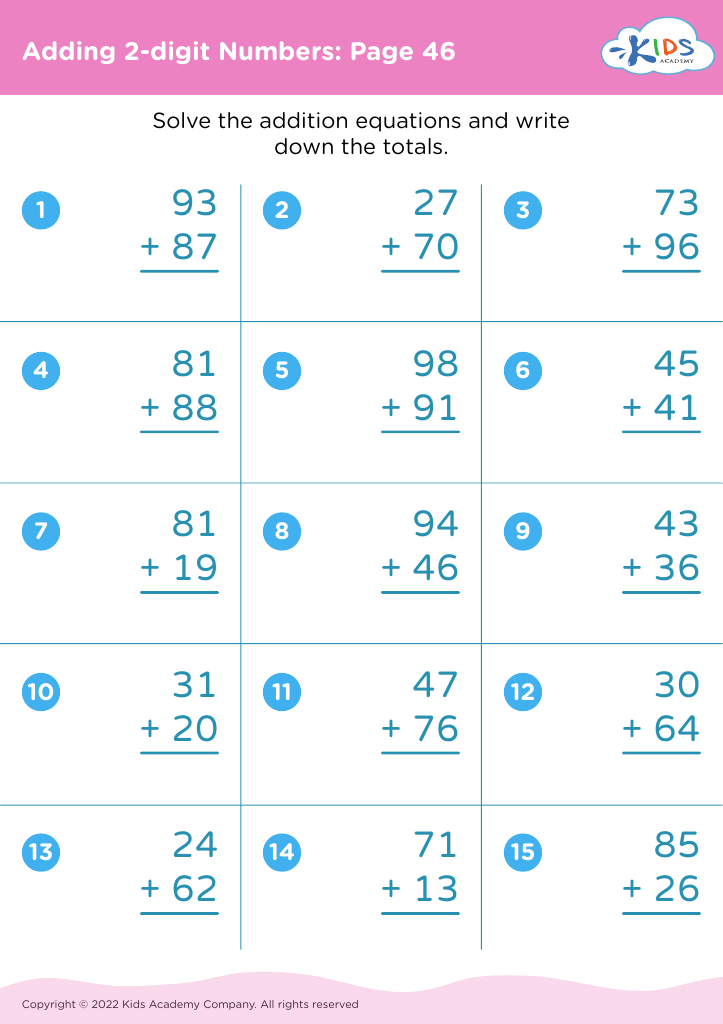
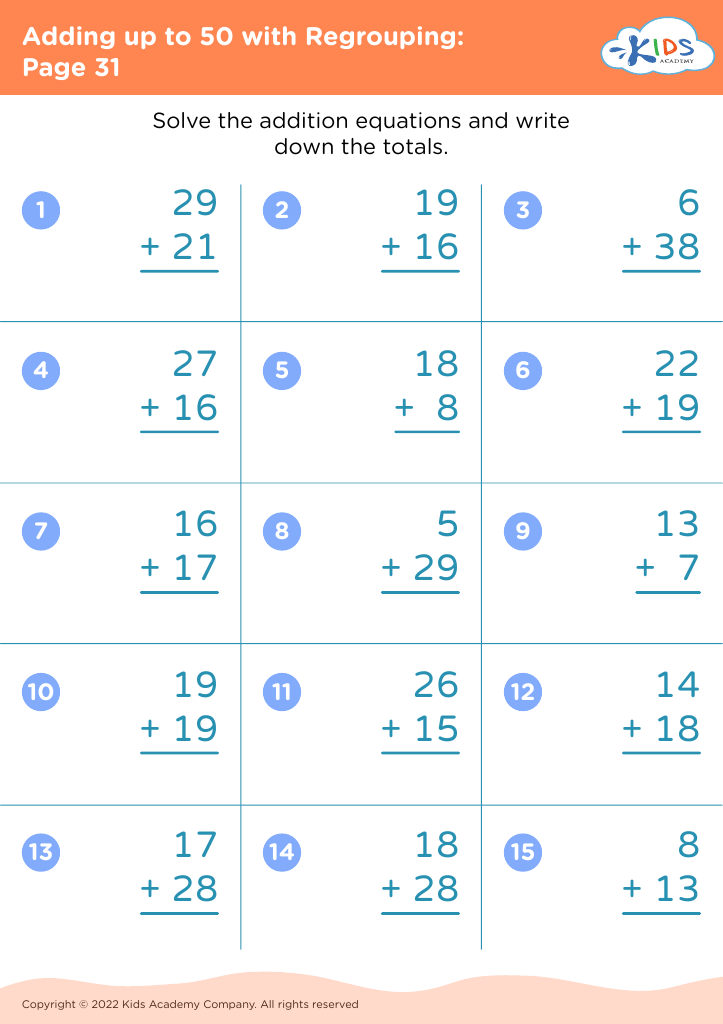
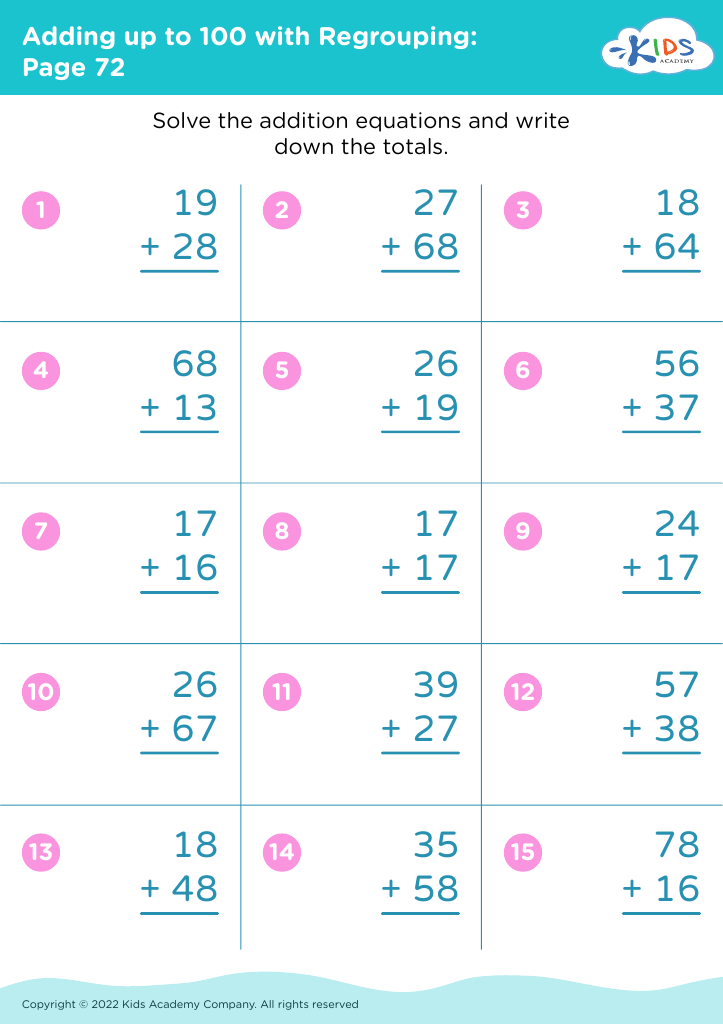
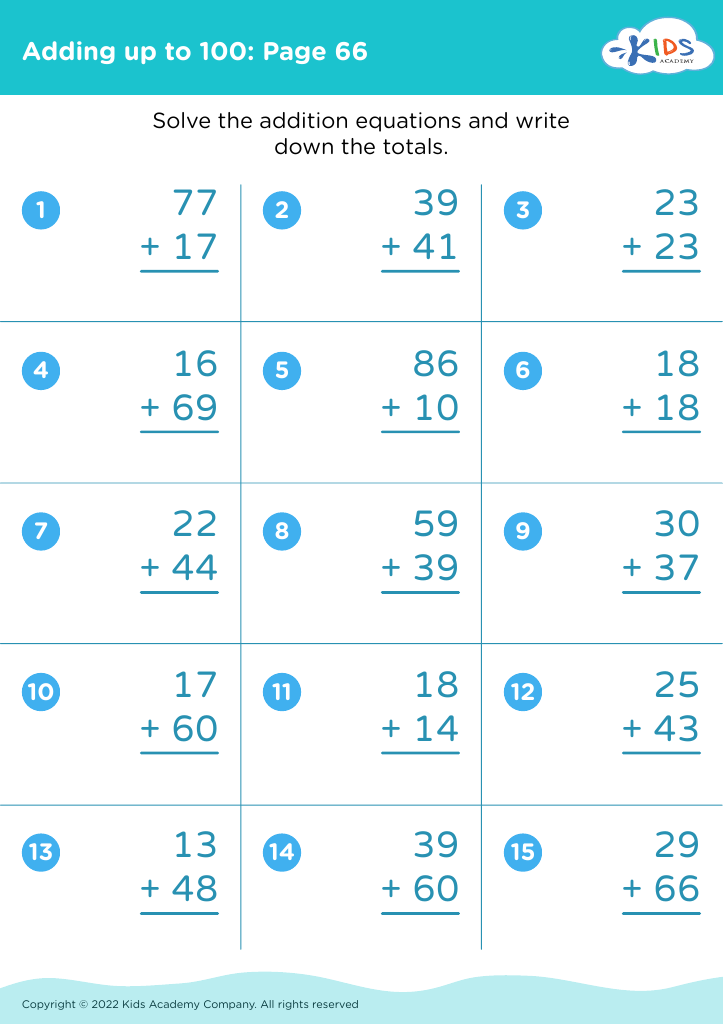
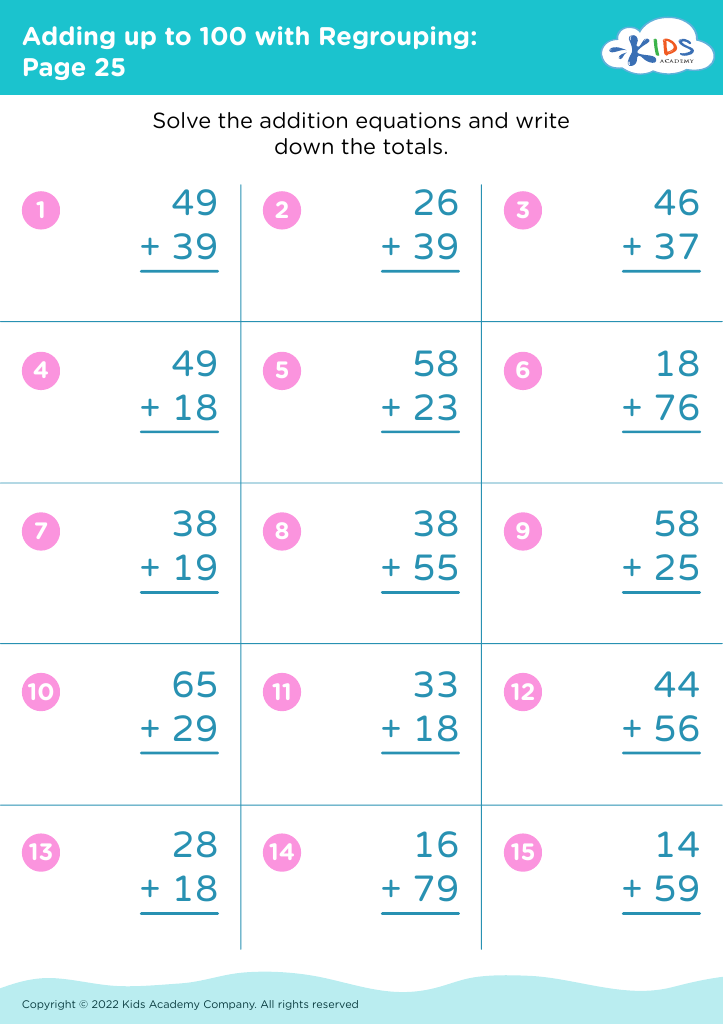
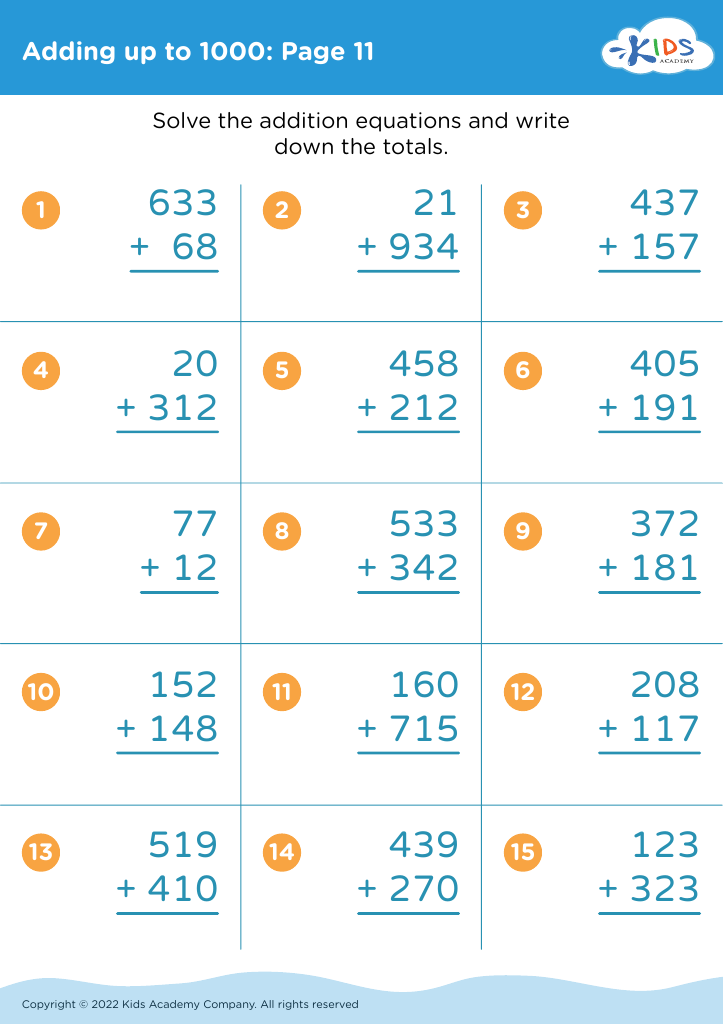
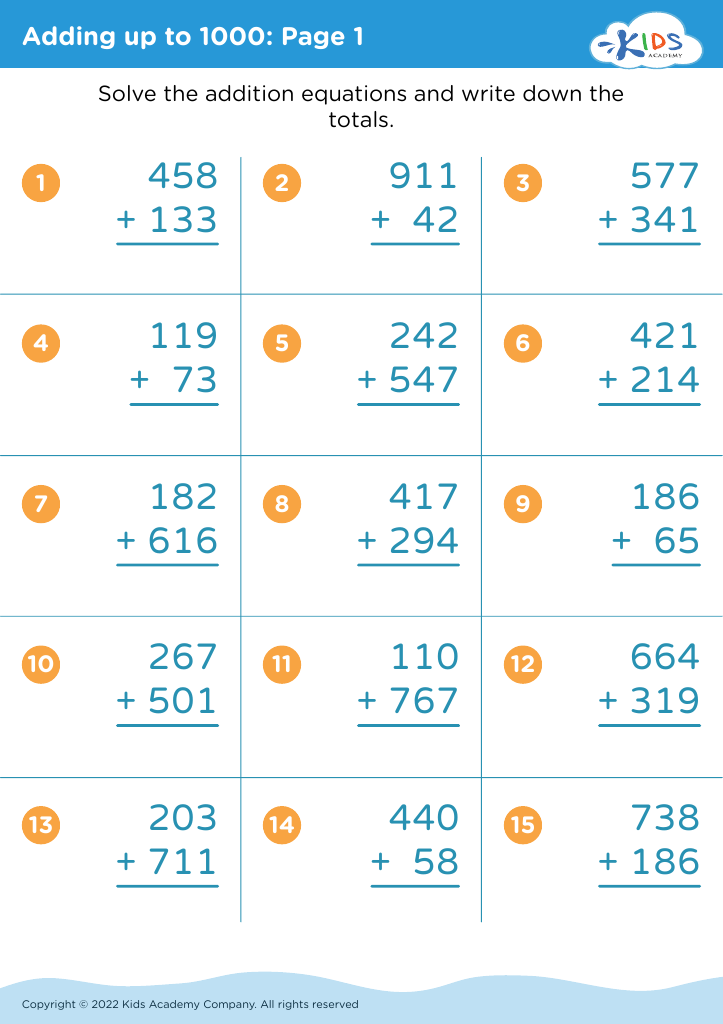
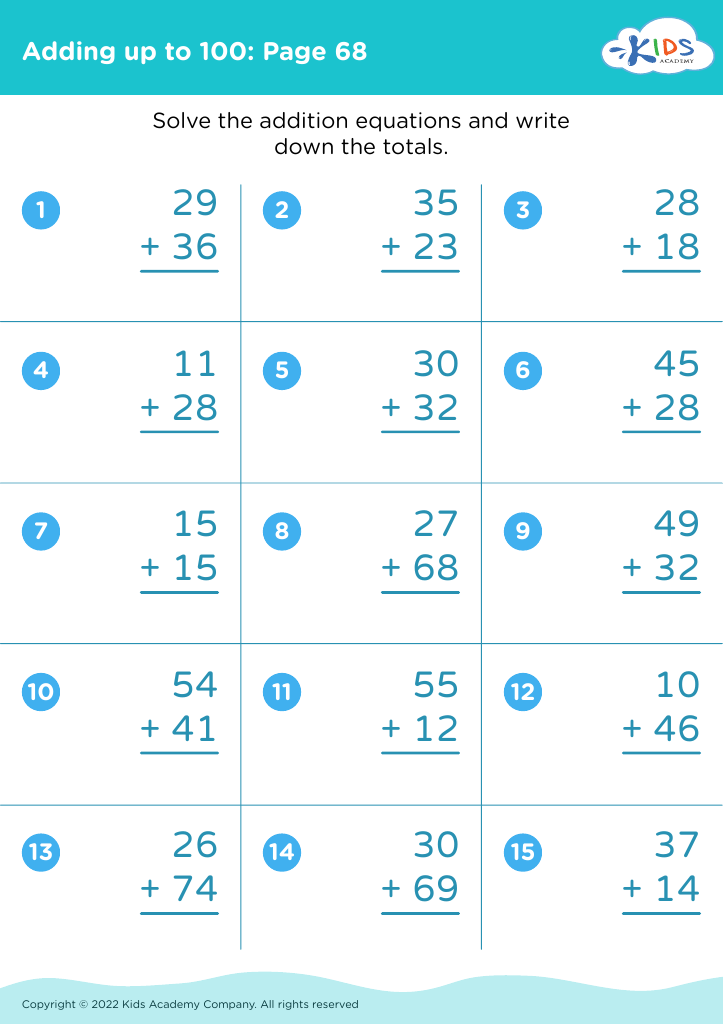
Boost your child's math skills with our engaging multiplication practice worksheets designed for ages 4-7! Tailored to promote early learning, these worksheets provide fun and interactive exercises that make mastering multiplication easy and enjoyable. Each worksheet features colorful visuals and age-appropriate problems that help young learners grasp fundamental concepts while sharpening their problem-solving abilities. As children work through these activities, they'll build confidence and proficiency in multiplication, setting a strong foundation for future math success. Perfect for classroom use or at-home practice, our multiplication worksheets are a valuable resource for both teachers and parents committed to fostering math literacy in young learners.







Parents and teachers should prioritize practicing multiplication for children aged 4-7 for several crucial reasons. At this developmental stage, kids are typically ready to grasp foundational math concepts, and early exposure to multiplication lays the groundwork for future math skills. Understanding multiplication strengthens problem-solving skills and enhances cognitive development, fostering logical reasoning and critical thinking.
Additionally, early practice can help students build math fluency and confidence. As they become comfortable with multiplication, they are less likely to fear more complex math concepts in later years. Engaging children in fun and interactive multiplication activities—such as games, songs, or visual aids—can make learning enjoyable and cater to different learning styles.
Moreover, multiplication skills are essential for everyday life scenarios, from understanding basic budgeting to solving problems in cooking and sharing. By establishing a solid understanding early on, children are more appreciative of math and its practical applications.
Finally, collaborating on multiplication practice promotes a positive parent-child or teacher-student relationship, facilitating open communication and a supportive learning environment. These interactions not only reinforce learning but also foster enthusiasm about math, paving the way for lifelong skills and positive attitudes toward education.








