Understanding directions Math Worksheets for Ages 4-7
7 filtered results
-
From - To
Explore our "Understanding Directions" math worksheets designed for children ages 4-7. These engaging and interactive activities help young learners develop essential directional skills while building a strong foundation in math. With fun illustrations and age-appropriate challenges, the worksheets encourage kids to practice following and giving directions, enhancing their spatial awareness and critical thinking. Ideal for home or classroom use, our resources promote essential cognitive skills in an enjoyable format. Foster your child's confidence and competence in understanding directions through our carefully crafted worksheets. Download and start your child's learning journey today!
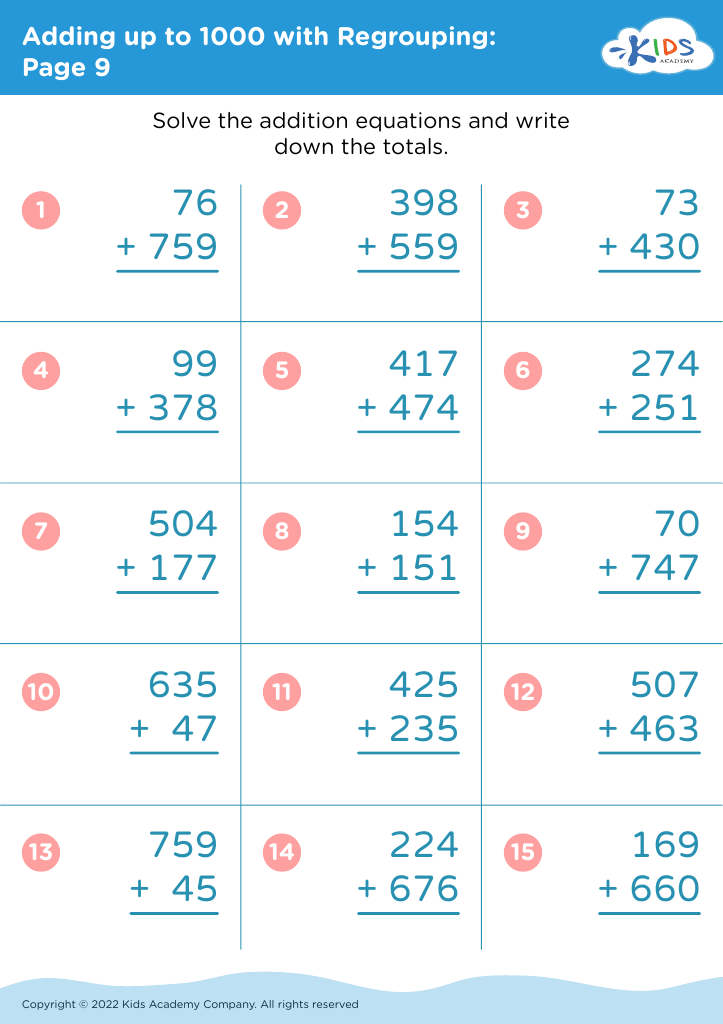
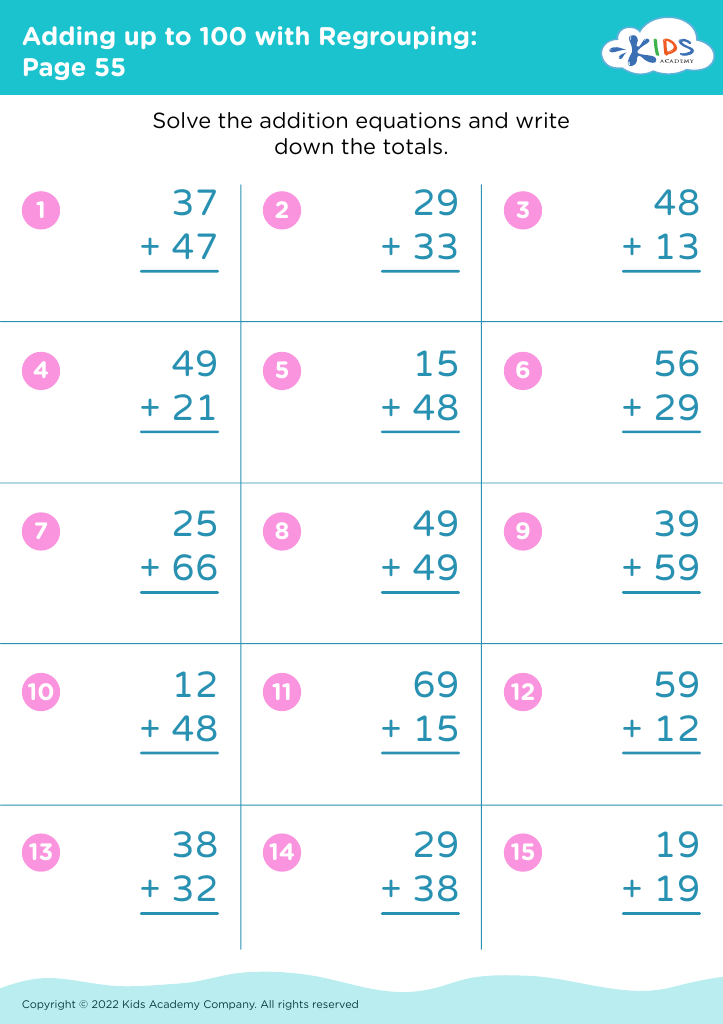
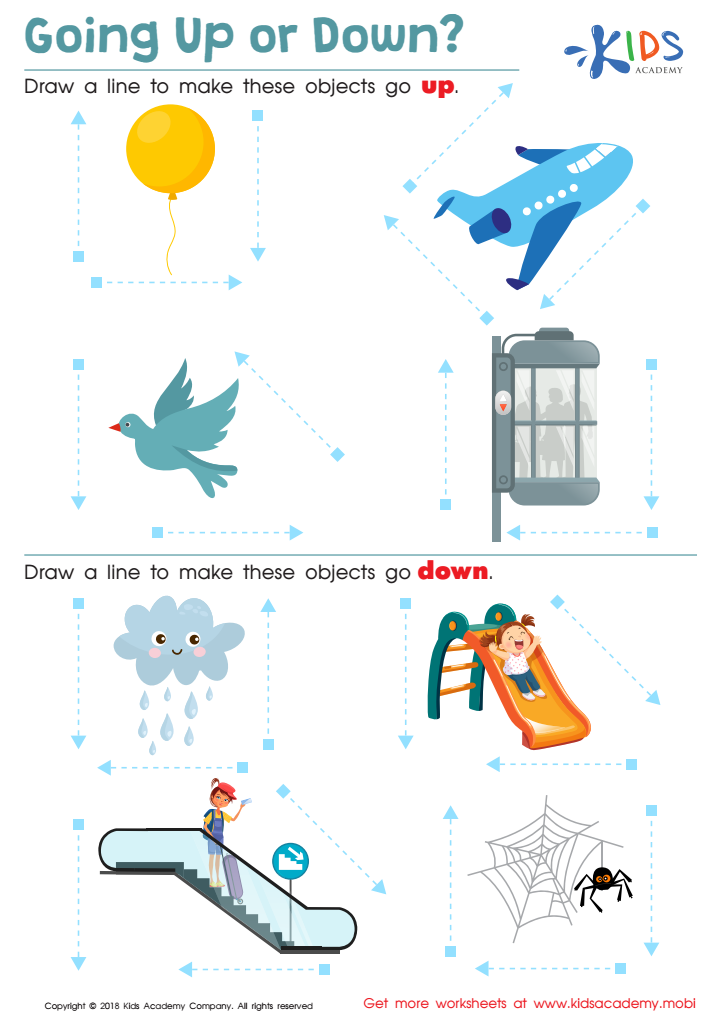
Going up or Down? Worksheet
 Assign to My Students
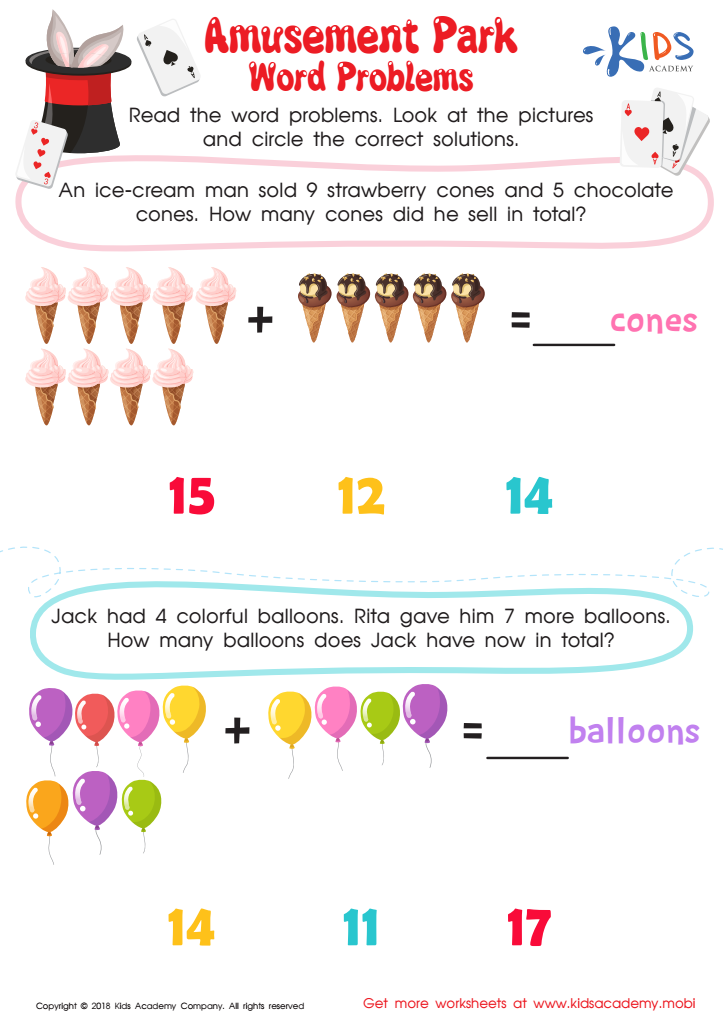
Amusement Park Word Problems Worksheet
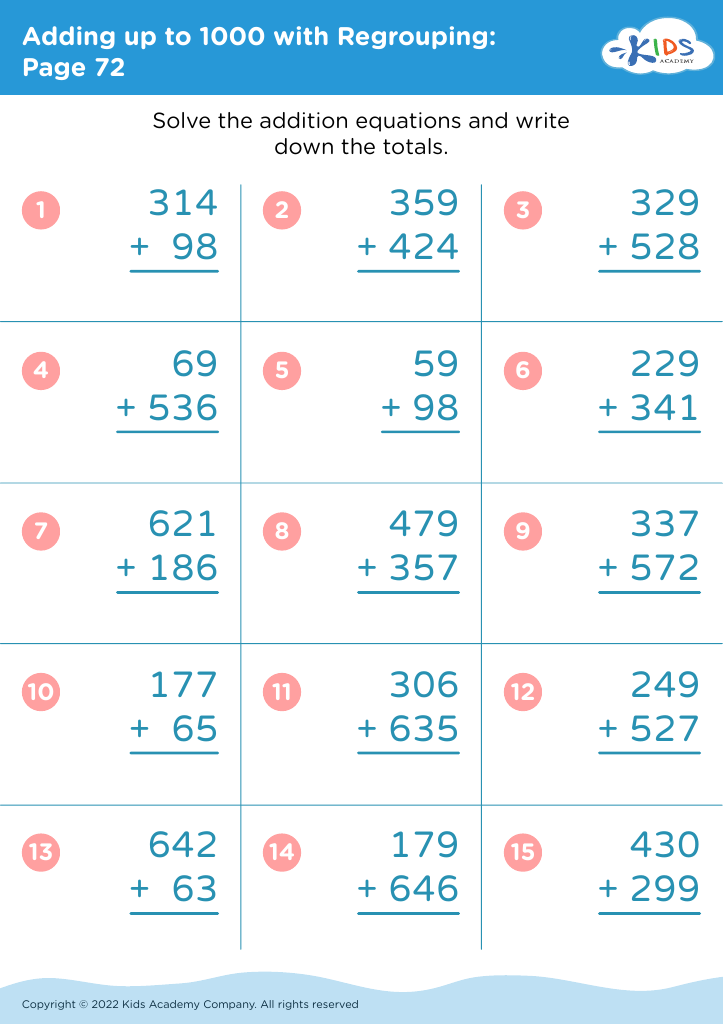
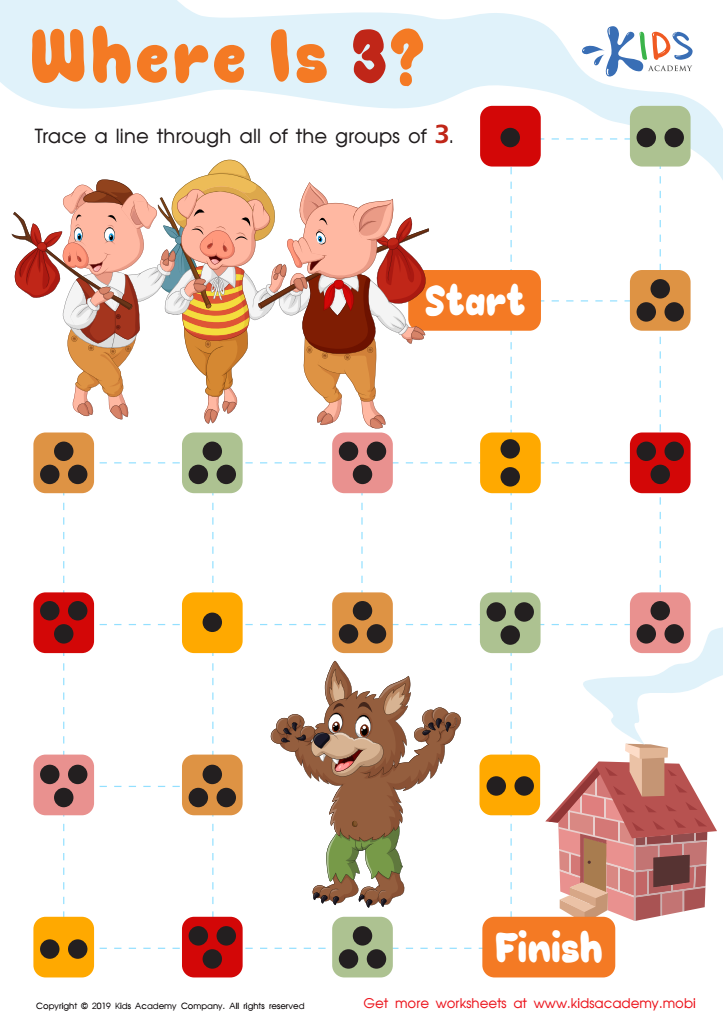
Where Is 3? Worksheet
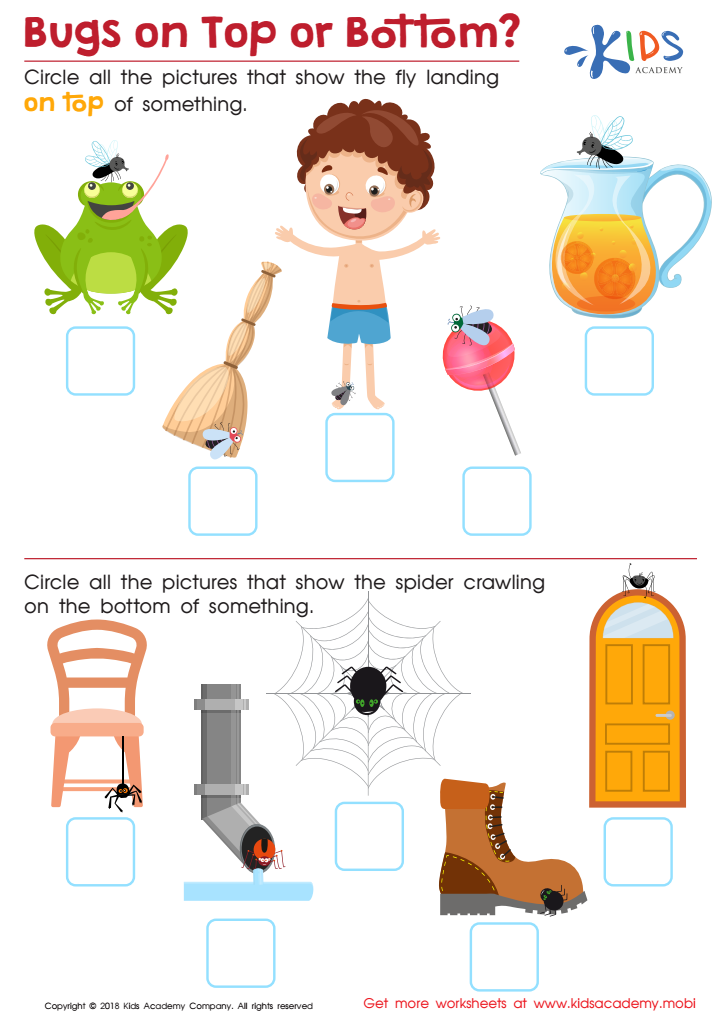
Bugs on Top or Bottom? Worksheet








Understanding directions in math is crucial for children aged 4-7, and parents and teachers play a vital role in fostering this skill. At this developmental stage, children are beginning to grasp basic mathematical concepts, making it an ideal time to incorporate directional understanding into their learning. This foundational skill not only applies to geometry, such as recognizing shapes or navigating space, but also enhances problem-solving abilities and logical thinking in everyday situations.
When children learn to follow directions accurately, it helps them develop persistence and confidence in tackling math-related tasks. It also encourages effective communication skills as they articulate what they need to do and convey their understanding to others. Additionally, robust skills in understanding directions support collaborative learning, allowing children to work and play harmoniously in group activities.
Parents and teachers can harness various strategies, such as engaging in games that involve position words (above, below, next to) and repetitive practice through interactive activities. By emphasizing this skill, caregivers can lay the groundwork for future academic success in mathematics and other disciplines, while also promoting important life skills like organization, focus, and independence. Ultimately, nurturing understanding in directions transforms math from a daunting subject into an enjoyable challenge for children.








