Understanding equality Math Worksheets for Ages 4-7
5 filtered results
-
From - To
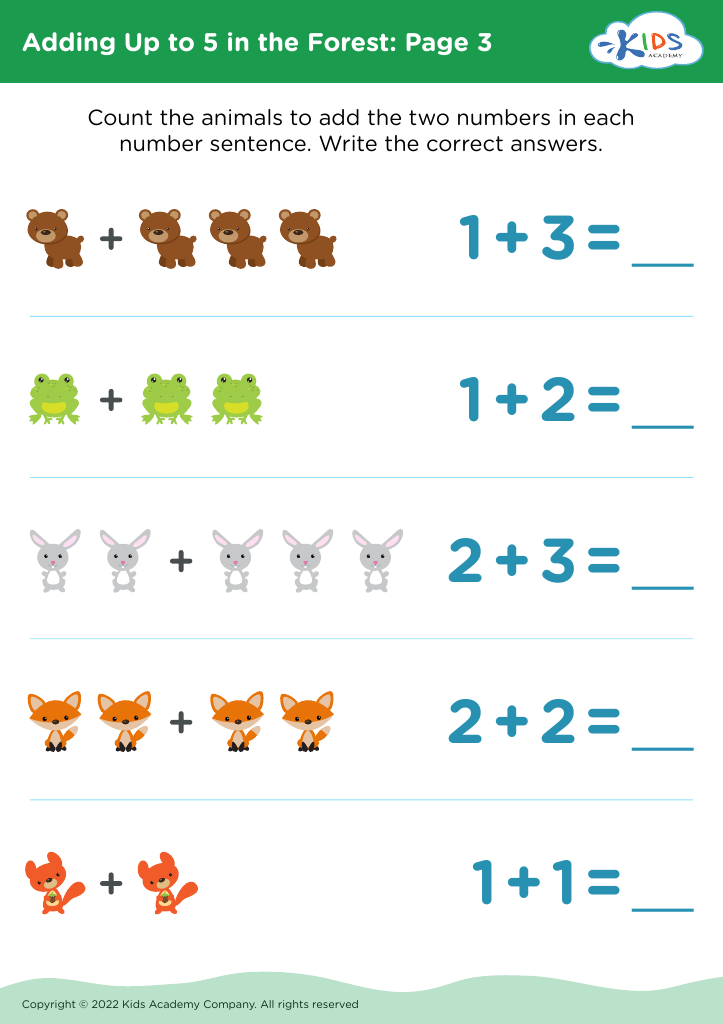
Explore our "Understanding Equality Math Worksheets" designed for young learners aged 4-7! These engaging worksheets help children grasp the concept of equality through fun and interactive activities. By using visual aids and straightforward exercises, kids will learn to recognize equal relationships in numbers and simple equations. The worksheets promote critical thinking and problem-solving skills, laying a solid foundation for future math learning. Perfect for classroom use or at-home practice, our resources make math a joyous adventure. Download our printable worksheets today and help your child build confidence in understanding equality while fostering a love for numbers!
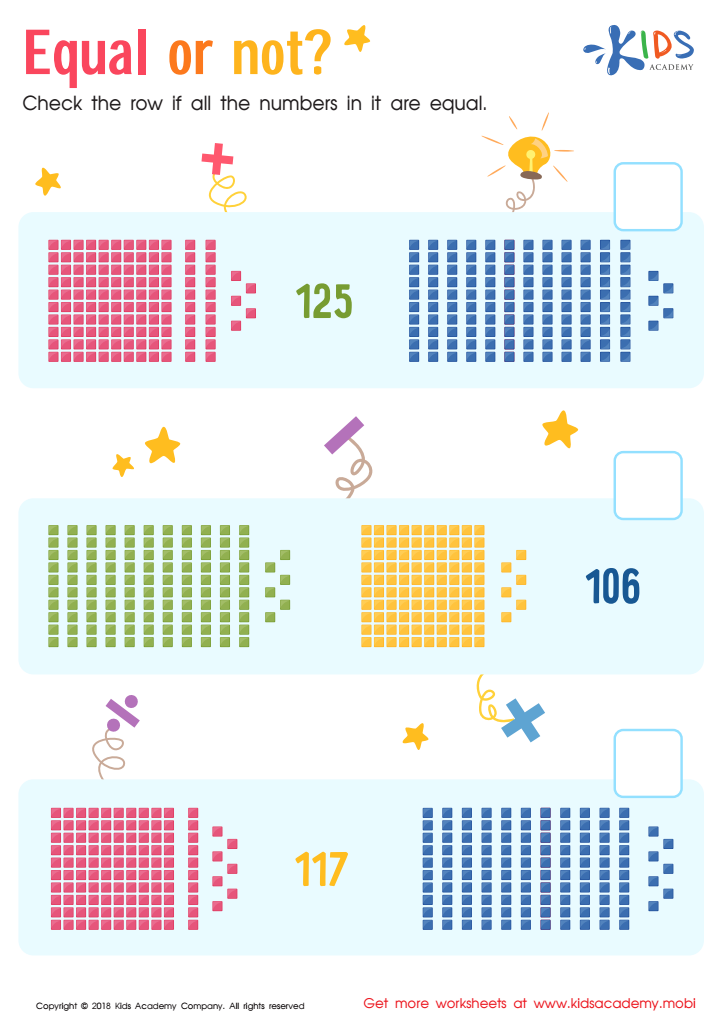
Equal or not Worksheet
 Assign to My Students
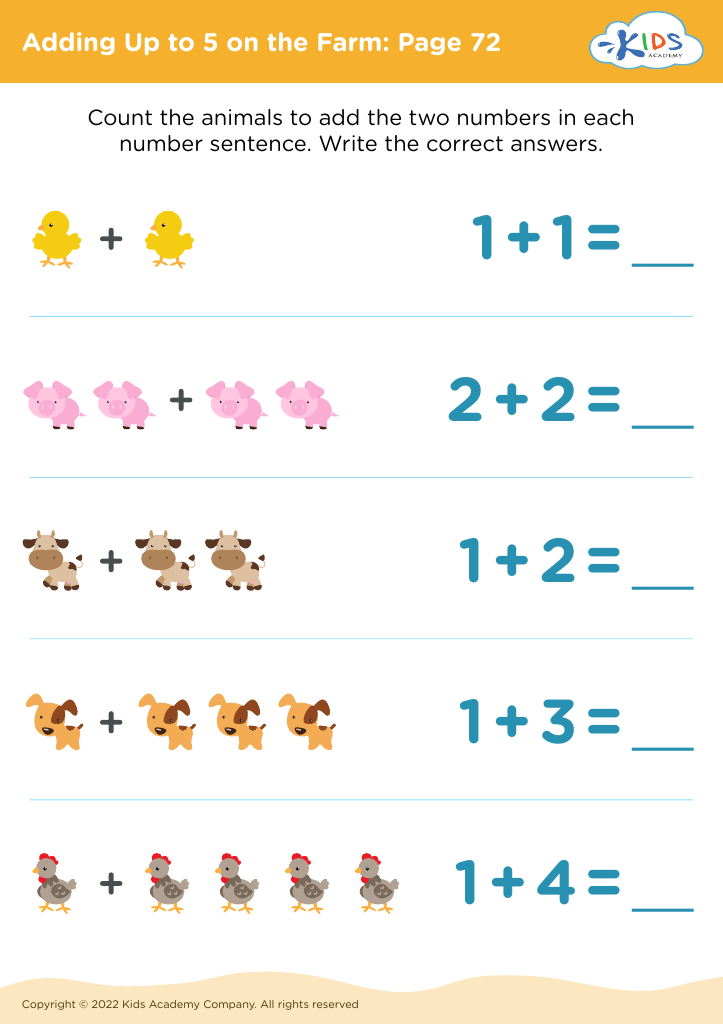
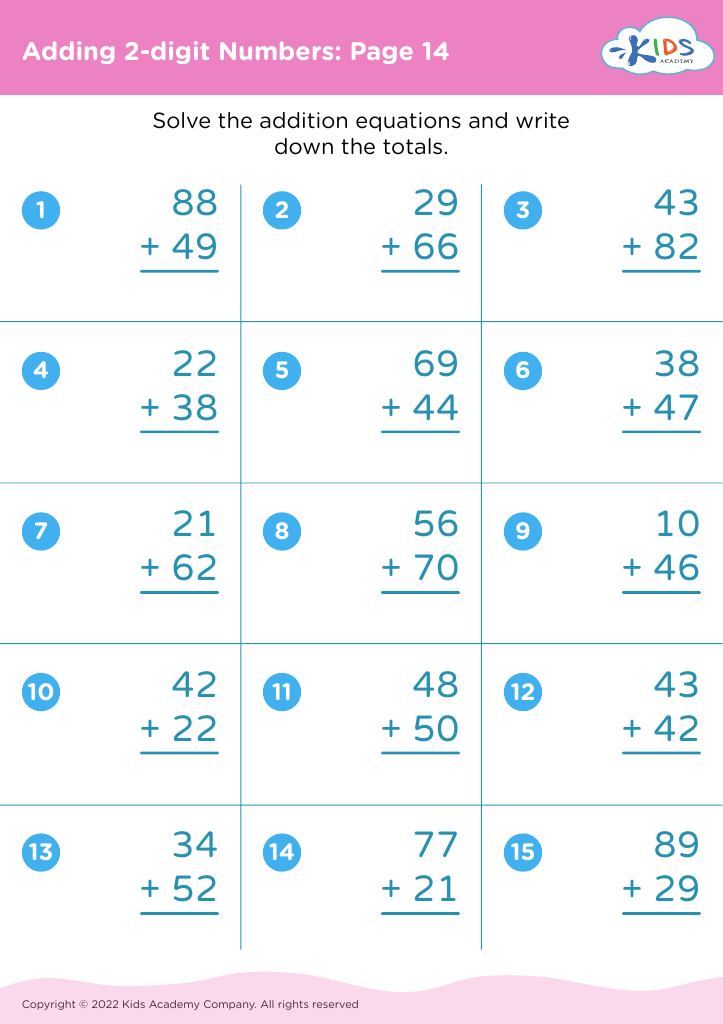
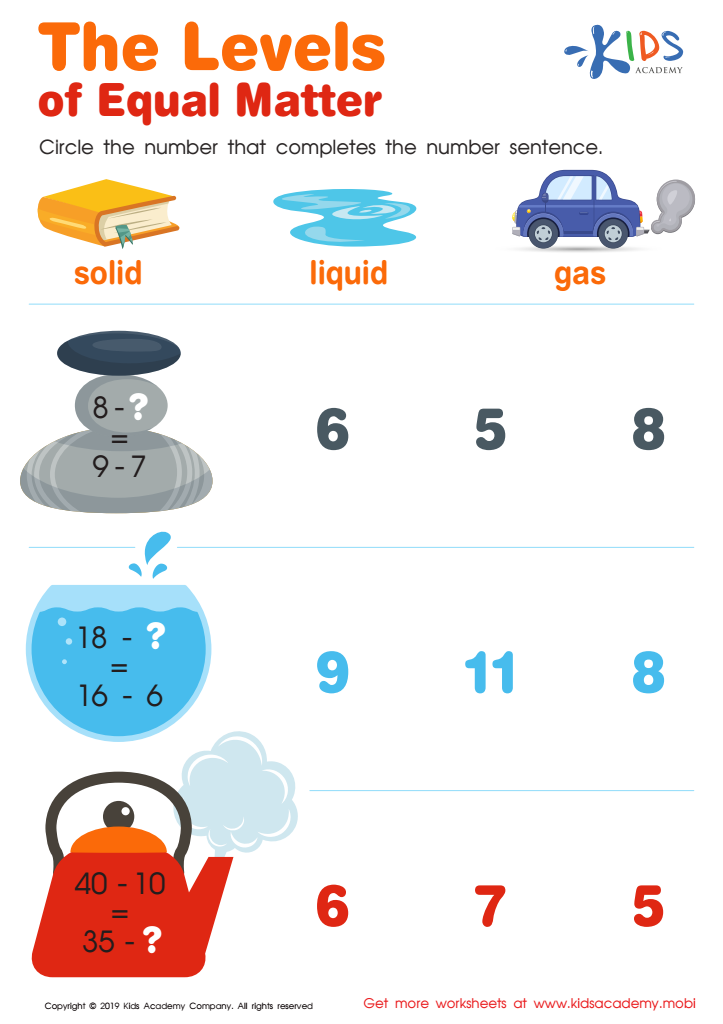
The Levels of Equal Matter Worksheet





Understanding equality in mathematics is essential for children aged 4-7, as it forms the foundation for their future math skills and critical thinking. At this developmental stage, children are naturally curious and ready to explore concepts like numbers and relationships. Teaching equality helps them grasp the idea that both sides of an equation can be balanced and that mathematical relationships exist, promoting a deeper understanding of addition, subtraction, and basic algebraic concepts later on.
Moreover, learning about equality encourages problem-solving skills as children begin to recognize patterns and relationships between numbers. It enhances logical reasoning and promotes analytical thinking, both of which are crucial for academic success across subjects.
For parents and teachers, nurturing a strong understanding of equality helps create confident, competent learners who approach math with a positive mindset. It also instills a sense of fairness and balance, which extends beyond math into real-life situations. By fostering these concepts early on, educators and caregivers equip children with the essential tools they need to navigate challenging situations both in and out of the classroom, setting them up for continuous success in their educational journeys.








