
Understanding gravity Math Worksheets for Ages 4-7
3 filtered results
Difficulty Level
Grade
Age
-
From - To
Subject
Activity
Standards
"Understanding Gravity Math Worksheets for Ages 4-7" make grasping fundamental concepts both educational and enjoyable for young learners. Designed for preschool to first-grade students, these engaging worksheets help children explore the basics of gravity through fun activities and easy-to-understand exercises. Perfect for enhancing early math skills while fostering curiosity about the world, these worksheets encourage hands-on learning, critical thinking, and interactive problem-solving. Ideal for use both in the classroom and at home, our dynamic approaches to teaching help ensure a strong foundational understanding of gravity, setting the stage for future academic success in science and mathematics.
Favorites
With answer key
Interactive
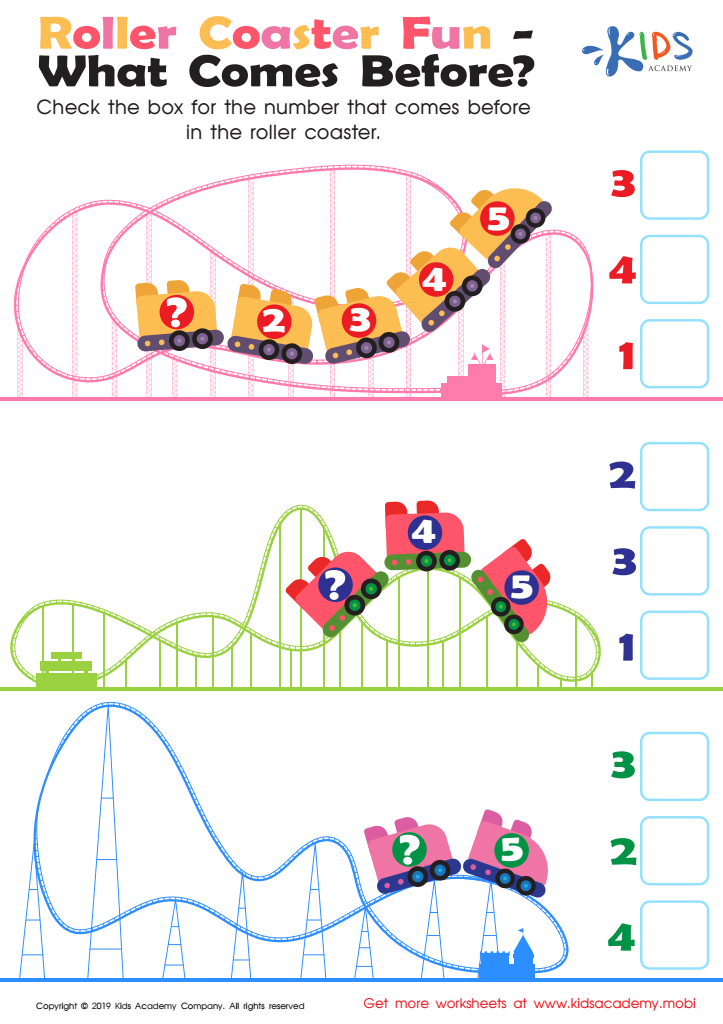
Roller Coaster Fun Worksheet
Ride a roller coaster and experience the thrill! Kids will love checking off the number that comes before each one on the worksheet. With three roller coasters to choose from, the fun never stops! Ask your kids if they've been on a roller coaster and where. Let them explore the excitement and joy of this thrilling ride!
 Assign to My Students
Roller Coaster Fun Worksheet
Worksheet
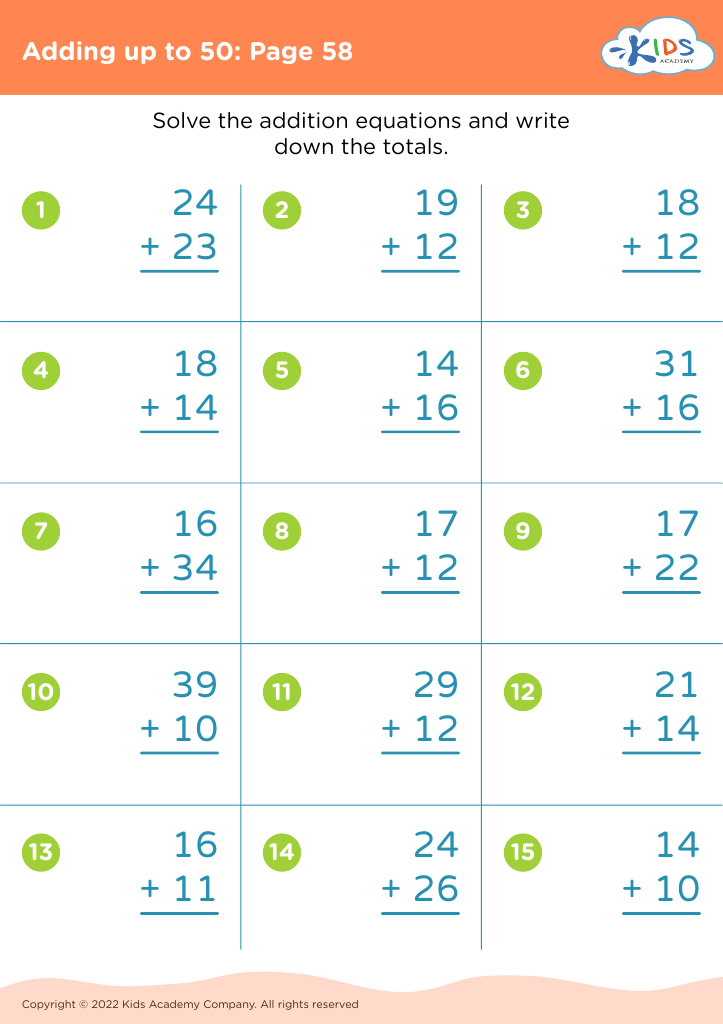
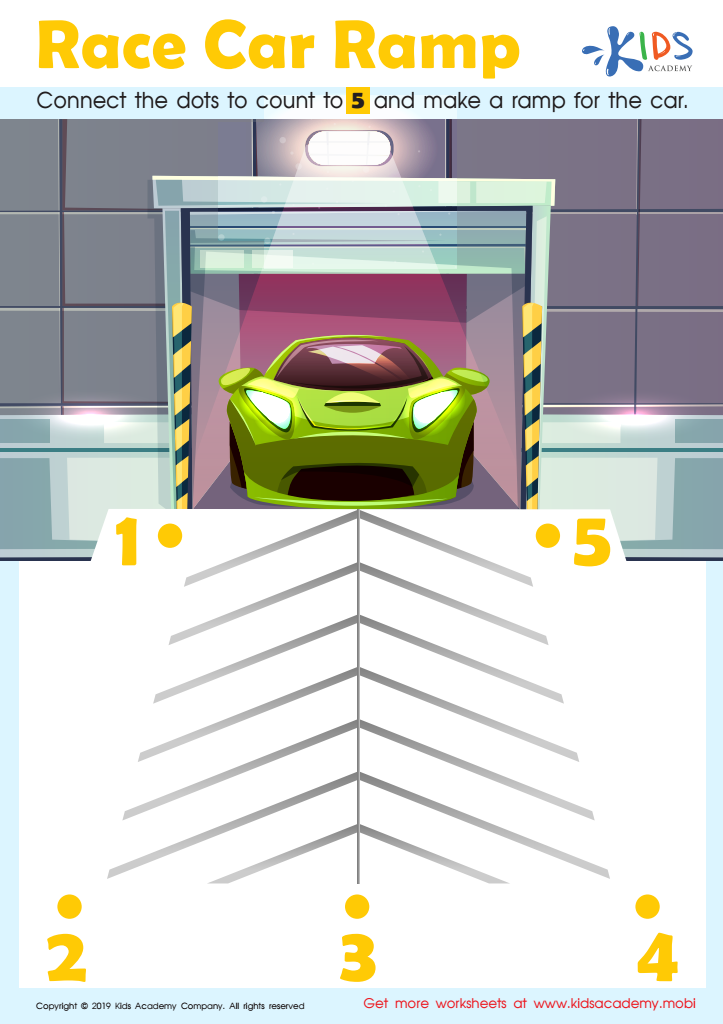
Race Car Ramp Worksheet
Kids can learn numbers quickly and have fun with this worksheet! It teaches preschoolers counting to 5 and allows them to draw a car ramp. It's a creative way to learn numbers, making them fun and easy to remember.
Race Car Ramp Worksheet
Worksheet
Join Kids Academy for Free
Who is primarily going to use this learning content?








Understanding the concept of gravity is foundational for young children as it sets the stage for their future learning in science and math. For ages 4-7, introducing these concepts through simple, engaging activities helps cultivate curiosity and critical thinking skills. When children observe and experiment, such as dropping objects to see how they fall, they are engaging in fundamental principles of physics and math without realizing it. This experiential learning lays a strong groundwork for later, more complex concepts.
For parents and teachers, nurturing this understanding early helps children grasp the world around them in a structured way. It also supports essential problem-solving skills and mathematical thinking. Through play-based learning, children learn to predict outcomes, enhancing their ability to reason and hypothesize, which are key components of the scientific method. This kind of early exploration nurtures a growth mindset, showing children that learning is a process of trial, error, and discovery.
Moreover, early exposure to these concepts helps children develop spatial awareness and fine motor skills, as they must control objects to test their ideas about gravity. Overall, fostering an early understanding of gravity and related math concepts equips children with tools to succeed in various academic domains.








