Understanding numeracy Math Worksheets for Ages 4-7
4 filtered results
-
From - To
Unlock the world of numeracy with our engaging math worksheets designed for children aged 4-7! These carefully crafted resources help young learners grasp essential mathematical concepts, laying a solid foundation for future success. With a focus on number recognition, counting skills, and basic arithmetic, our worksheets blend educational content with fun activities to capture your child's interest. Our user-friendly format allows for easy printing and use at home or in the classroom. Through interactive exercises and colorful visuals, children will develop confidence and fluency in understanding numeracy. Explore our collection today and watch your child thrive in math!
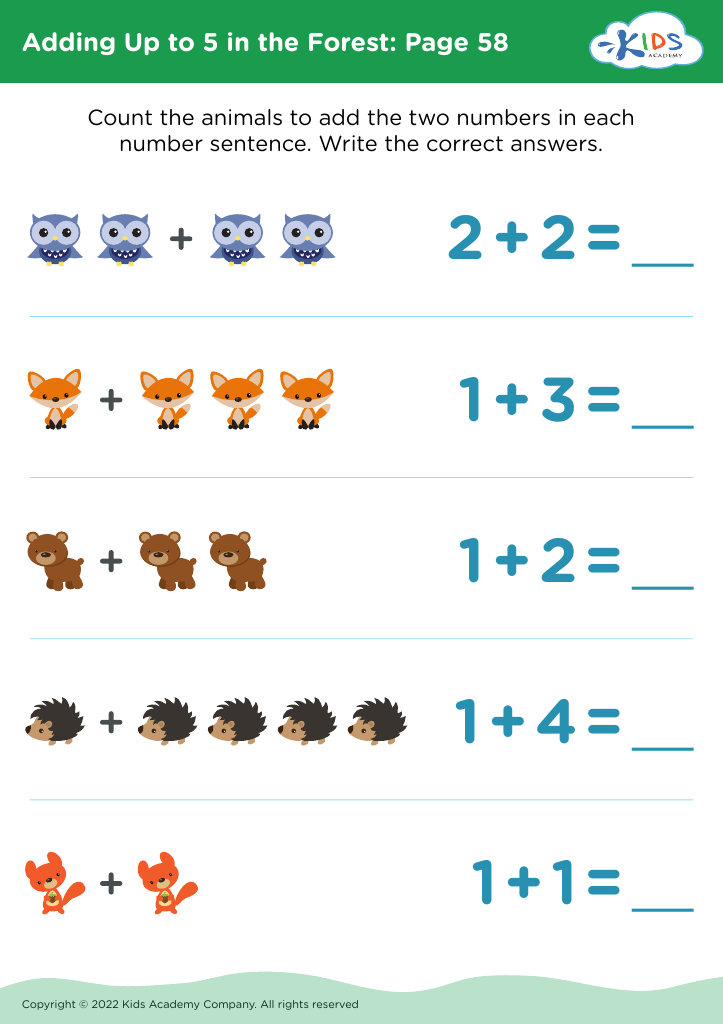
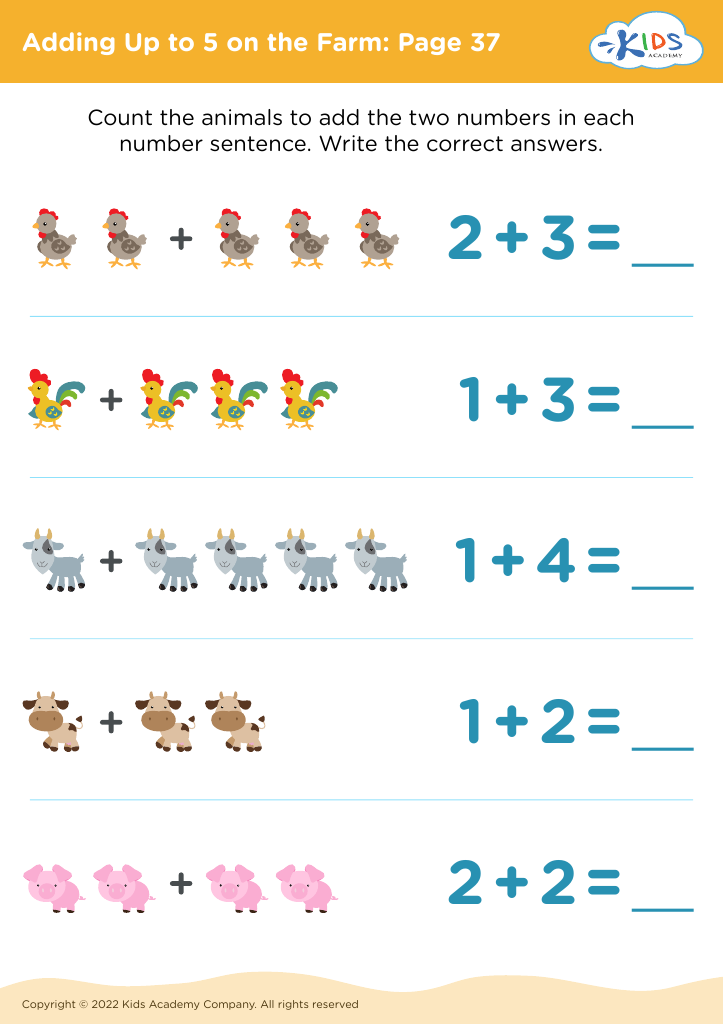
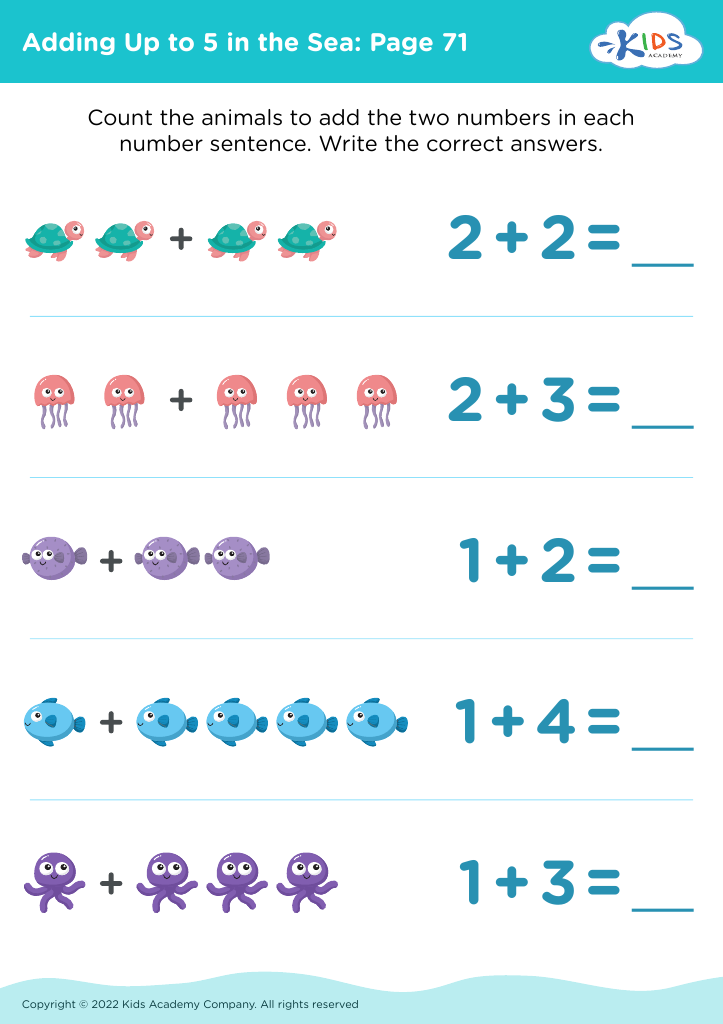
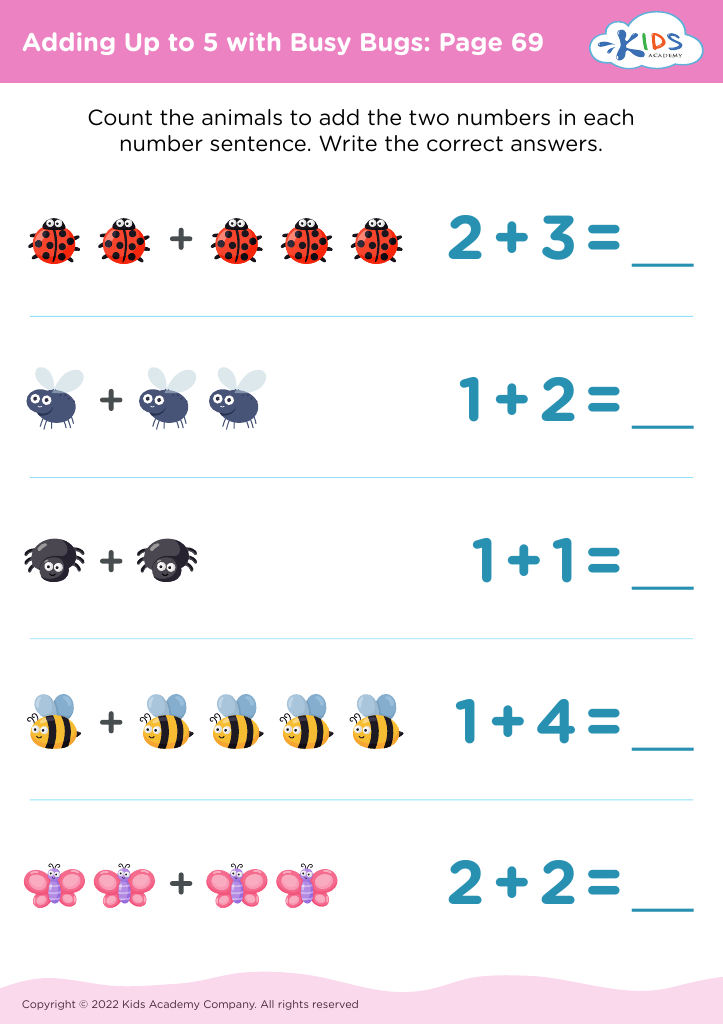








Understanding numeracy and math for children aged 4-7 is essential for several reasons. Firstly, this foundational stage shapes a child's attitude toward math and learning in general. A positive early experience fosters confidence, ensuring children approach math with a growth mindset as they progress academically.
Secondly, numeracy skills are crucial for problem-solving and critical thinking. Teaching young learners about numbers, patterns, and basic operations builds essential cognitive skills that extend beyond math, enhancing their ability to analyze situations and make informed decisions.
Moreover, early numeracy forms a critical base for later mathematical concepts. Skills learned in these formative years—such as counting, recognizing shapes, and understanding simple addition and subtraction—are the building blocks for more complex math concepts encountered in later grades. Addressing numeracy now prevents gaps in understanding that can cause challenges in later schooling.
Finally, involvement from parents and teachers not only enriches the child’s learning experience but also strengthens the home-school connection, emphasizing that learning is a collaborative process. Engaging children in playful and interactive math activities during this crucial age helps cultivate a lifelong love for learning and nurtures future academic success.








