
Visual comprehension Math Worksheets for Ages 4-7
7 filtered results
Difficulty Level
Grade
Age
-
From - To
Subject
Activity
Standards
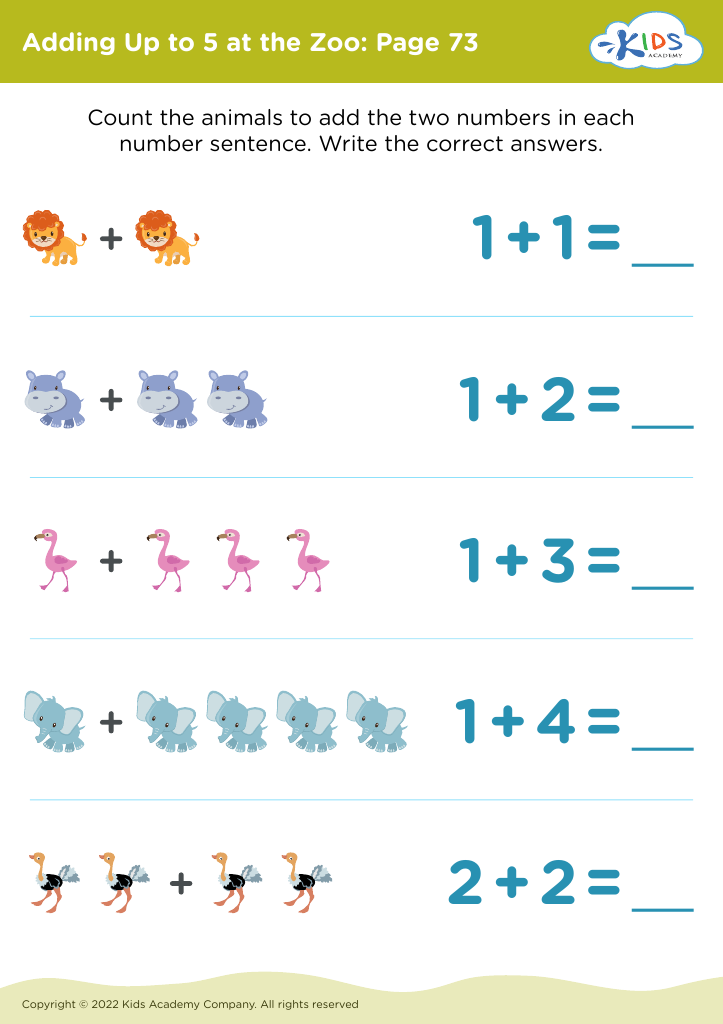
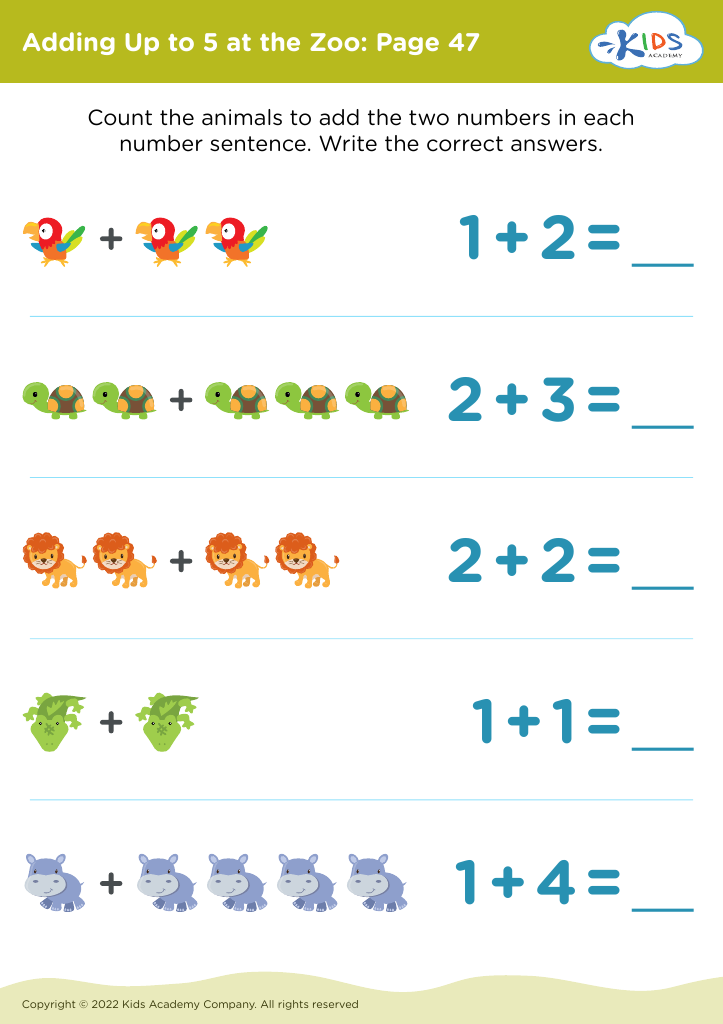
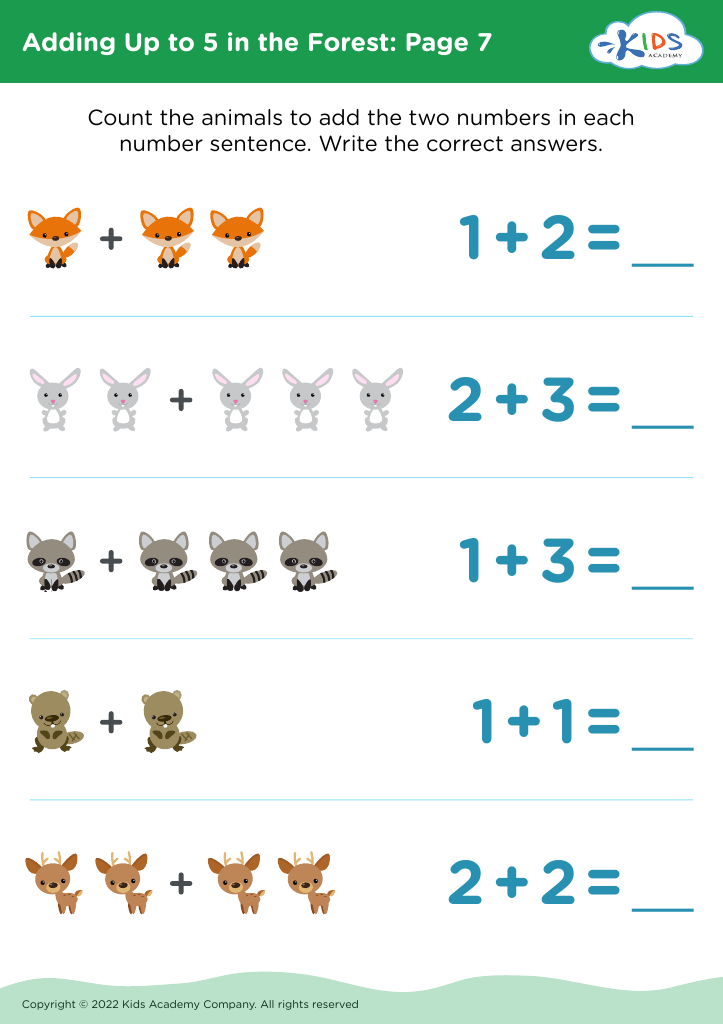
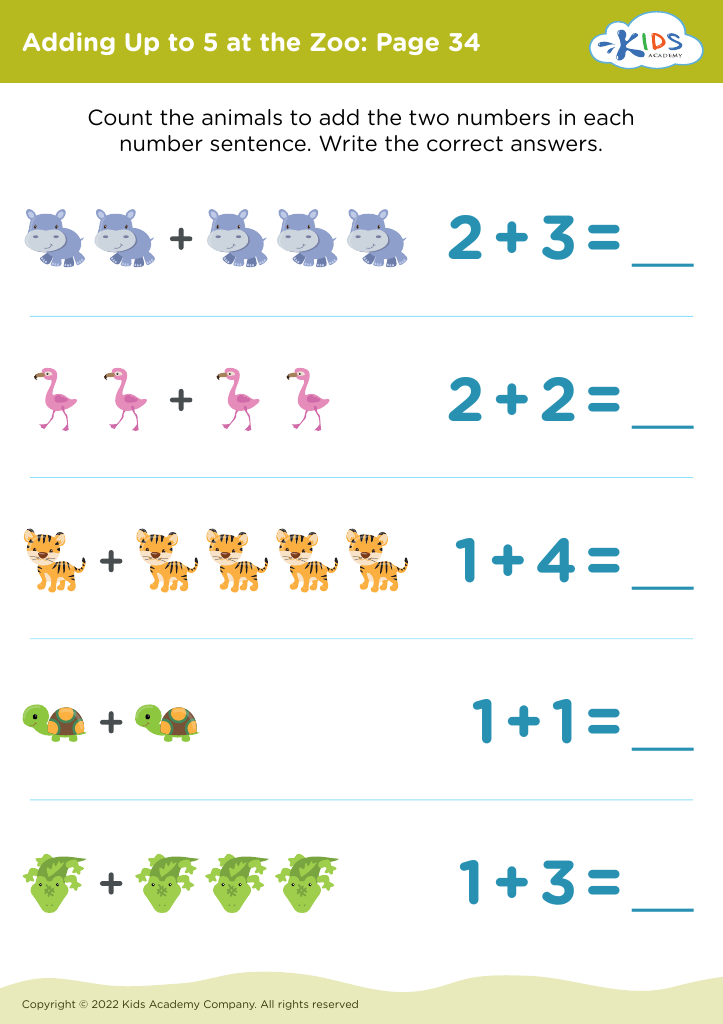
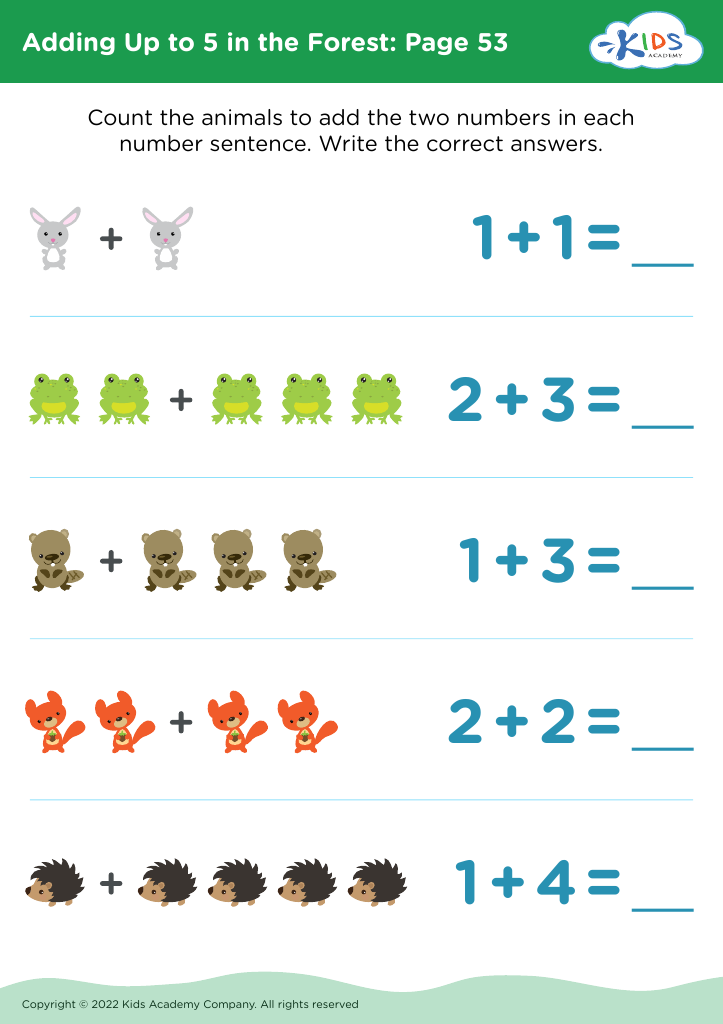
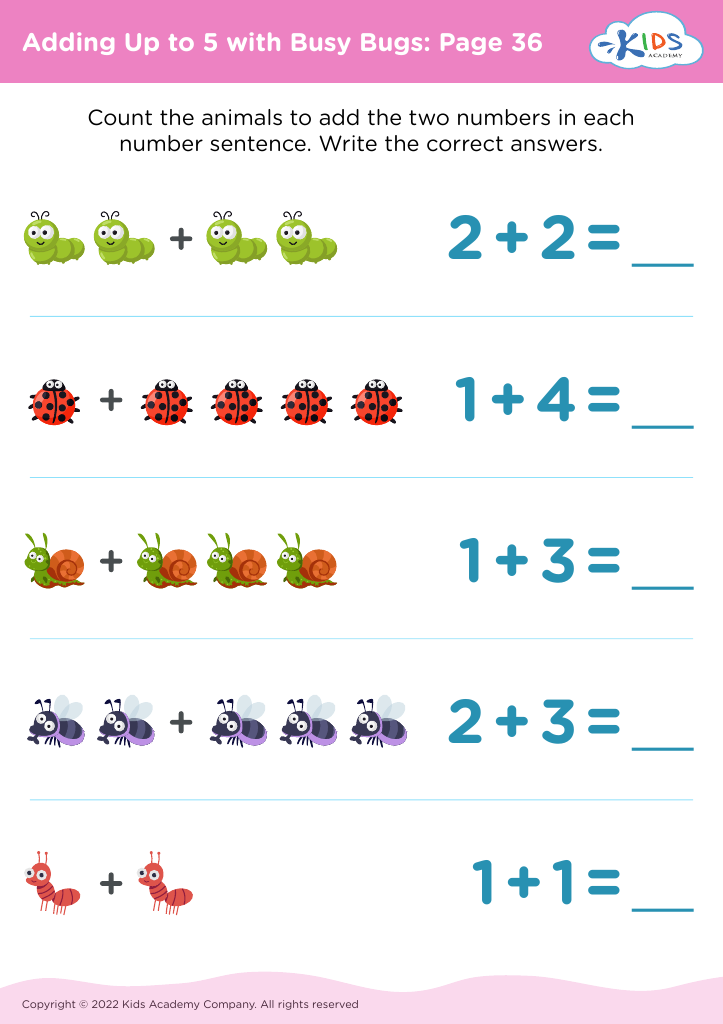
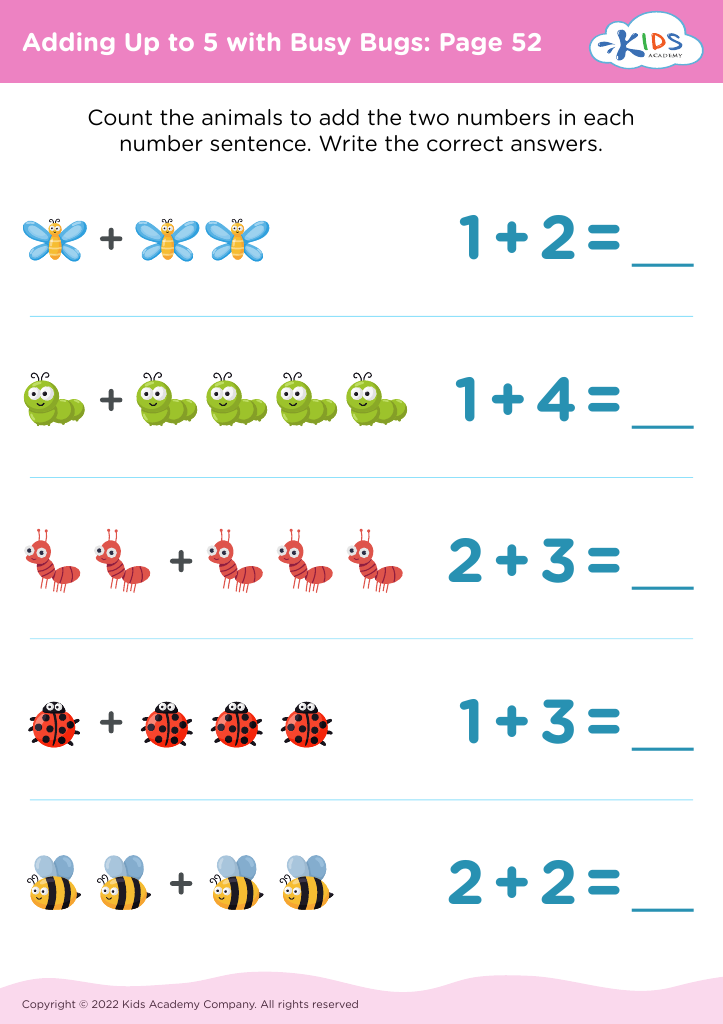
Introducing our Visual Comprehension Math Worksheets tailored specifically for children aged 4-7! These engaging worksheets are designed to enhance young learners’ math skills through visual aids. Utilizing colorful graphics and interactive activities, they help students understand concepts like counting, shapes, and patterns in a fun and accessible way. Our worksheets encourage critical thinking and problem-solving while boosting confidence in math abilities. Perfect for at-home practice or classroom use, these resources make learning math enjoyable and effective. Explore our collection today and watch your child's visual comprehension skills grow alongside their mathematical knowledge!
Favorites
With answer key
Interactive
Join Kids Academy for Free
Who is primarily going to use this learning content?








Visual comprehension in math for ages 4-7 is essential because it lays the foundation for critical thinking and problem-solving skills in young learners. At this developmental stage, children learn best through engaging with visual aids, such as pictures, shapes, and manipulatives. These tools help make abstract mathematical concepts more relatable and understandable. By fostering visual comprehension, parents and teachers can enhance students' ability to recognize patterns, make comparisons, and grasp the relationships between numbers and quantities.
Additionally, visual comprehension promotes cognitive development and encourages children to think independently as they explore mathematical ideas. It also supports varied learning styles, ensuring that visual learners are engaged and that all students can benefit from diverse teaching strategies. When students feel confident in their visual understanding, they are more likely to participate actively in classroom activities and develop a positive attitude toward math.
Moreover, strong visual comprehension skills can lead to better performance in more advanced math concepts later on. Thus, parents and teachers care about promoting visual comprehension math because it supports lifelong learning, equips children with vital skills for academic success, and helps cultivate a strong mathematical foundation that can positively impact their overall learning journey.








