Understanding fractions Sorting Worksheets for Ages 4-7
3 filtered results
-
From - To
Welcome to our engaging "Understanding Fractions Sorting Worksheets" designed for children aged 4-7! These interactive worksheets help young learners grasp the foundational concepts of fractions through sorting activities that make learning fun. Your child will explore various types of fractions, enhancing their ability to differentiate between halves, thirds, and quarters in a colorful and entertaining way. Our carefully crafted worksheets cater to early math skills and promote critical thinking while reinforcing important mathematical vocabulary. Ideal for home or classroom use, these resources will nurture a love for learning and prepare children for future math concepts with confidence. Start your fractions journey today!
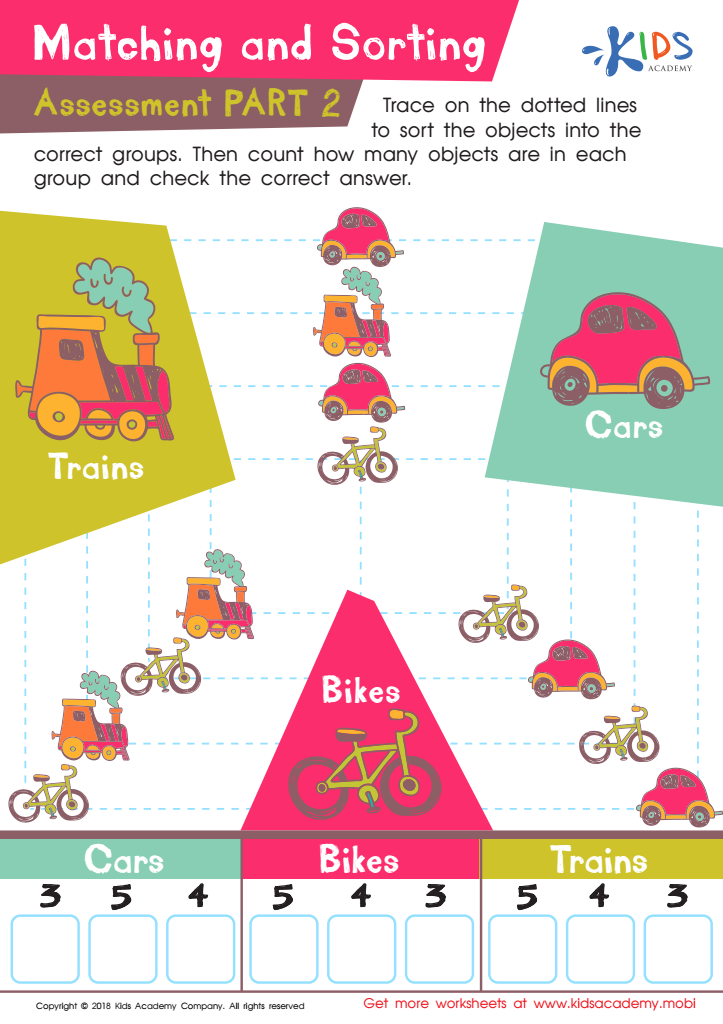
Matching and Sorting for Kindergarten: Assessment 2 Worksheet
 Assign to My Students
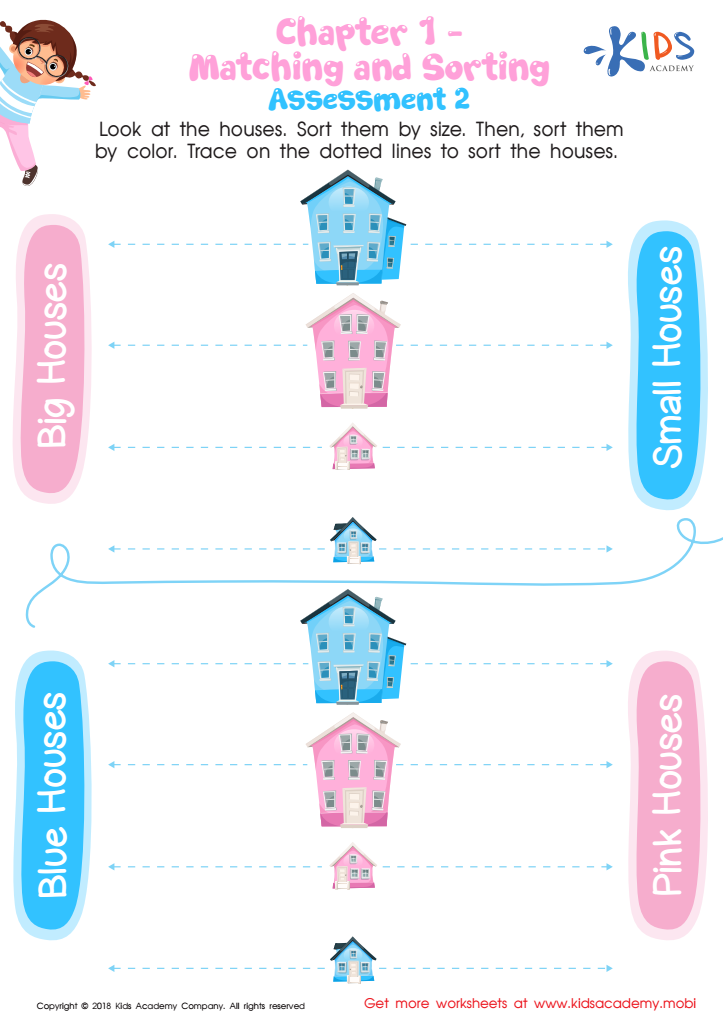
Matching and Sorting for Preschool: Assessment 2 Worksheet
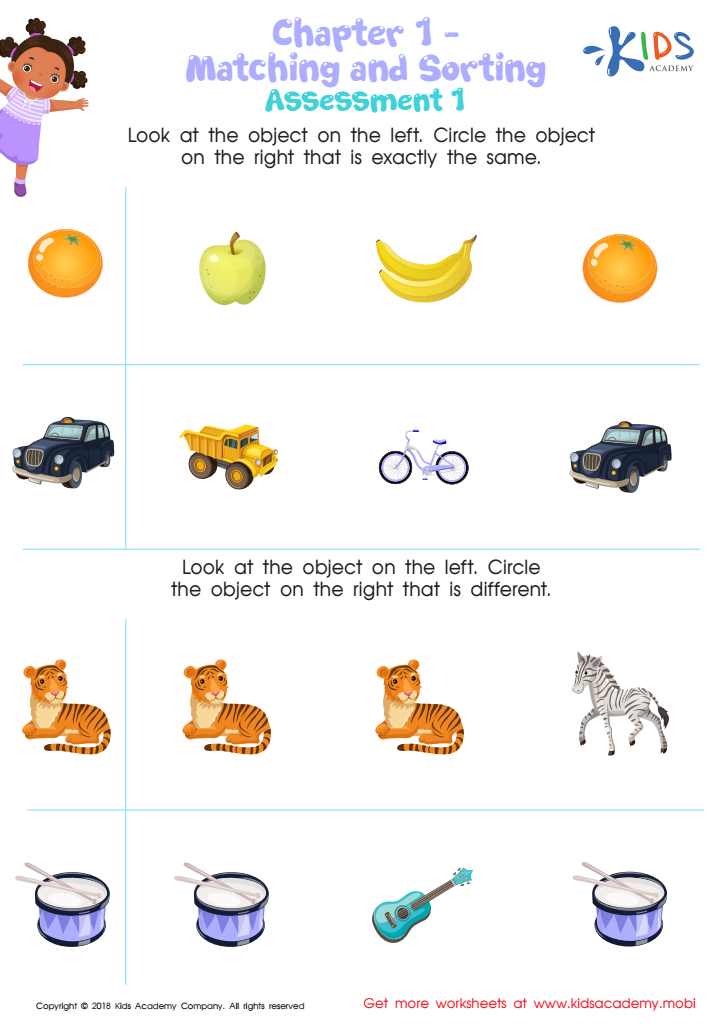
Matching and Sorting for Preschool: Assessment 1 Worksheet



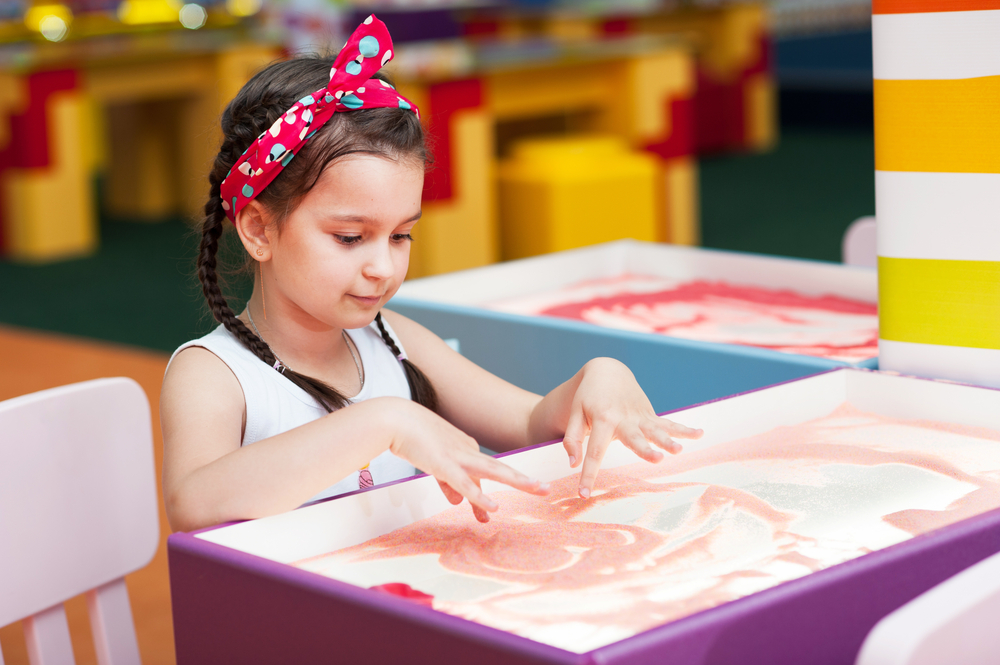



Understanding fractions is a foundational skill that has far-reaching implications for a child's mathematical development. For parents and teachers of children aged 4-7, introducing the concept of sorting and recognizing fractions is crucial for several reasons.
Firstly, mastering fractions enhances a child’s ability to comprehend part-whole relationships, which is essential in mathematics. This foundational understanding is applicable in everyday situations, from sharing food to understanding portions, setting the stage for more advanced math concepts later on.
Secondly, early exposure to fractions encourages critical thinking and problem-solving abilities. By engaging children in sorting activities—such as grouping different sizes or amounts—educators and parents can foster cognitive skills. These activities promote collaboration and communication, as children articulate what they observe and learn from one another.
Furthermore, learning fractions at an early age helps build confidence. When children grasp how to work with parts of a whole, they develop a positive attitude towards math, which can carry through their educational journey.
Ultimately, understanding fractions lays the groundwork for lifelong mathematical competence, creativity, and overall cognitive growth, making it important for both parents and teachers to invest in these essential early learning experiences.








