Subtraction skills Subtraction Worksheets for Ages 4-7
7 filtered results
-
From - To
Welcome to our Subtraction Skills Worksheets for Ages 4-7! Designed to make learning engaging and fun, our printable worksheets help young learners master essential subtraction concepts at their own pace. Each resource features colorful and interactive activities that promote critical thinking while strengthening their mathematical foundation. From simple subtraction problems to visually appealing exercises, our worksheets cater to various learning styles and abilities. Ideal for home or classroom use, they foster essential early math skills that set the stage for future success. Explore our collection now and inspire a love for numbers in your little ones!
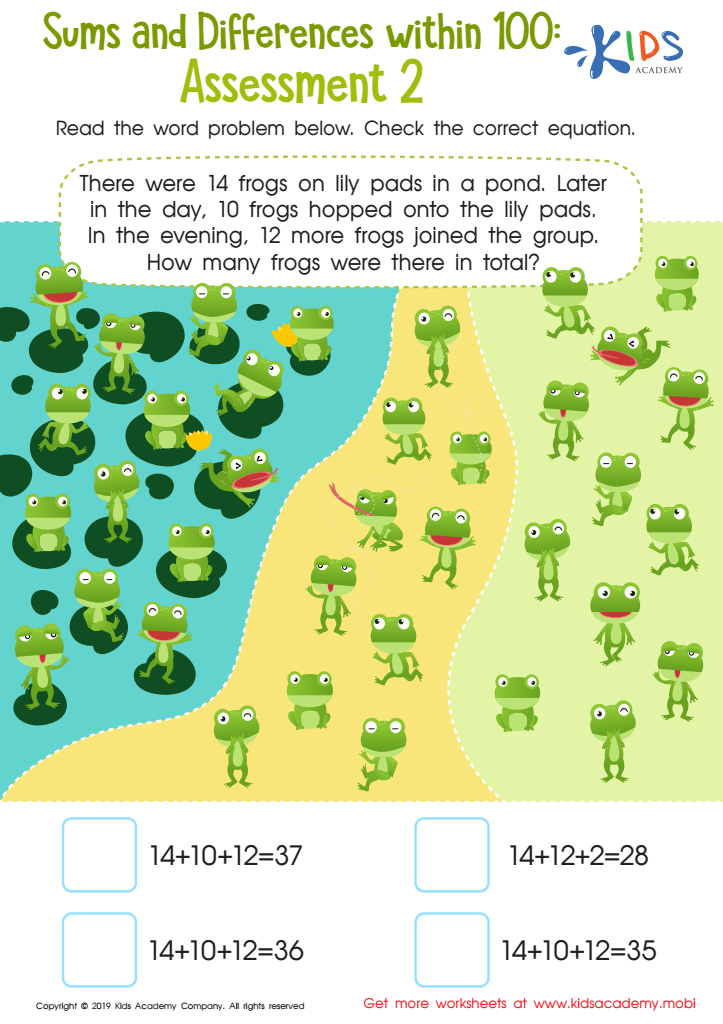
Sums and Differences Within 1 - Assessment 2 Worksheet
 Assign to My Students
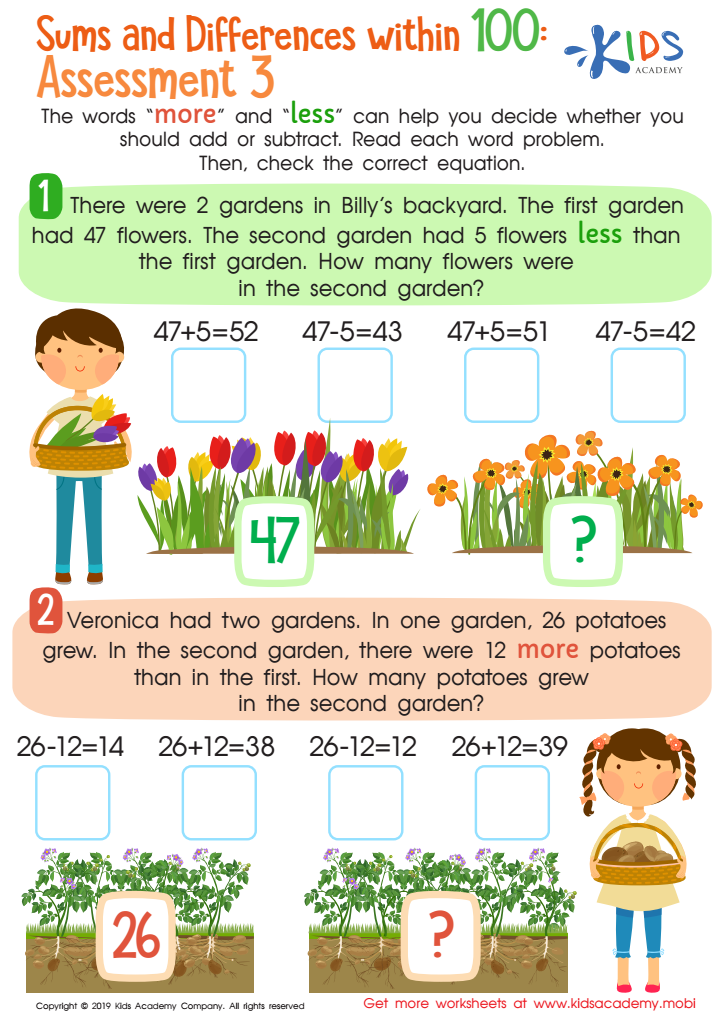
Sums and Differences Within 1 - Assessment 3 Worksheet
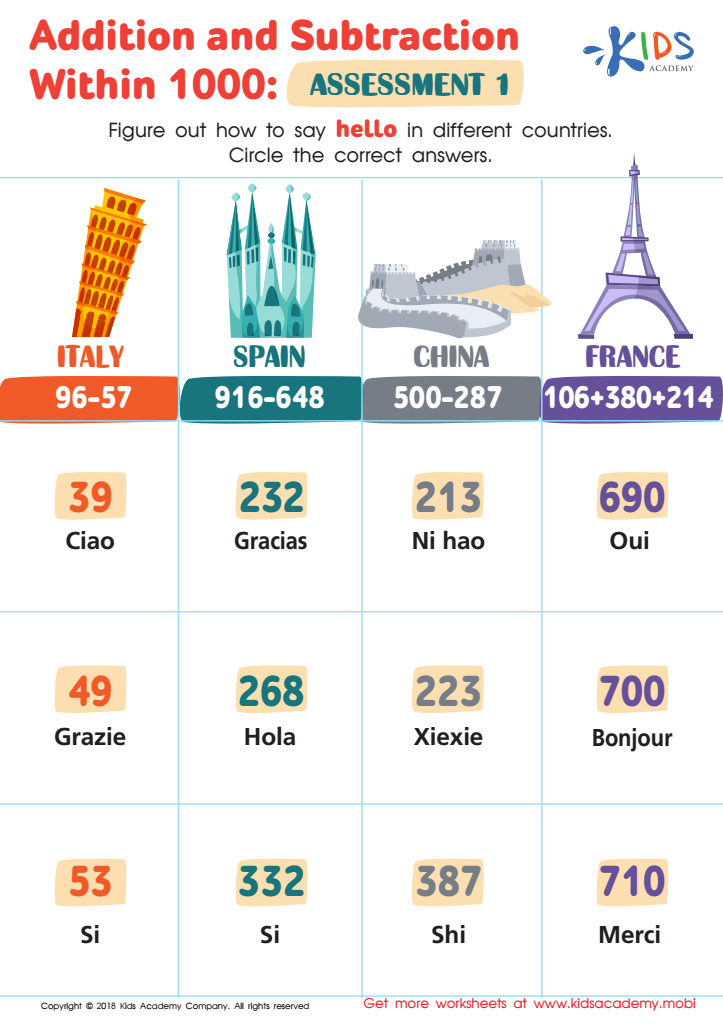
Addition and Subtraction Within 1000: Assessment 1 Worksheet
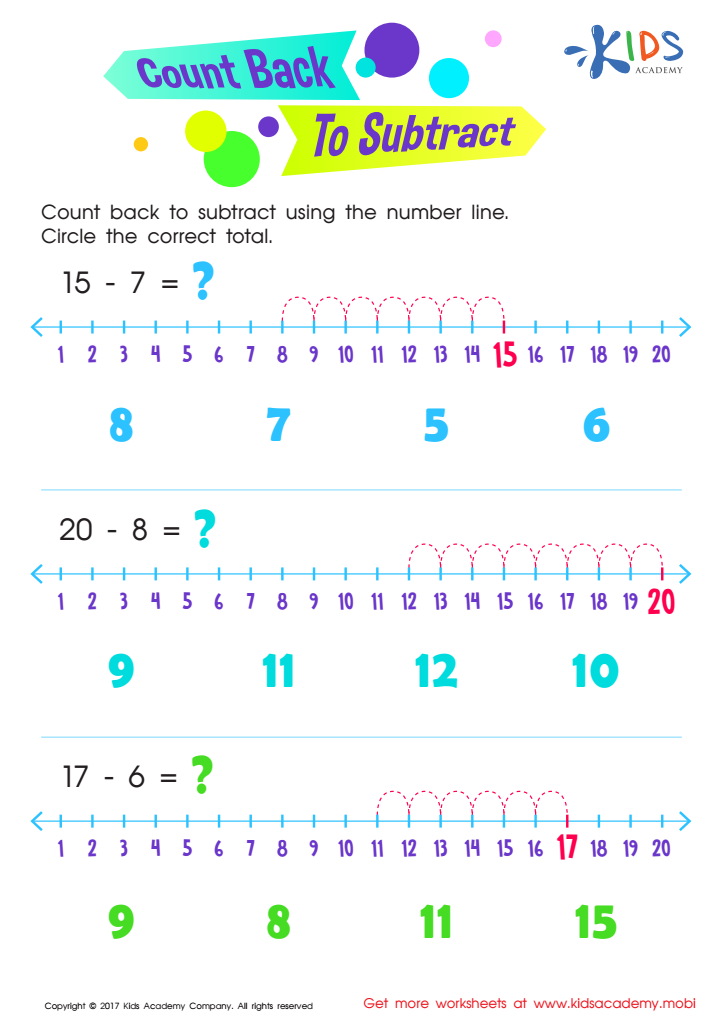
Count Back to Subtract Substraction Worksheet
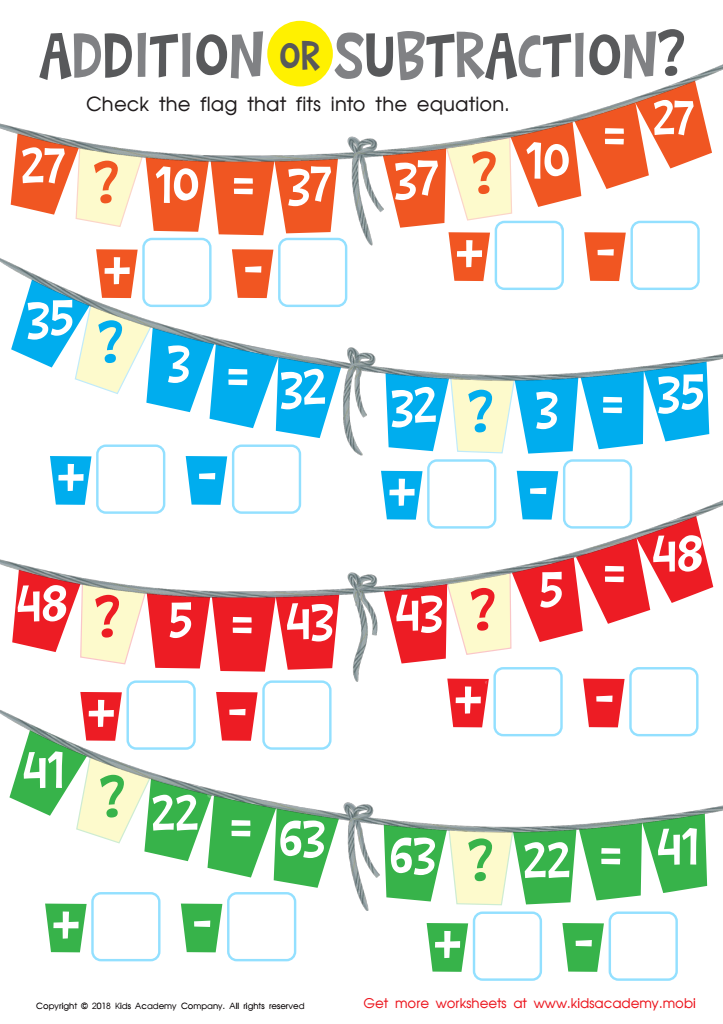
Addition or Subtraction? Worksheet
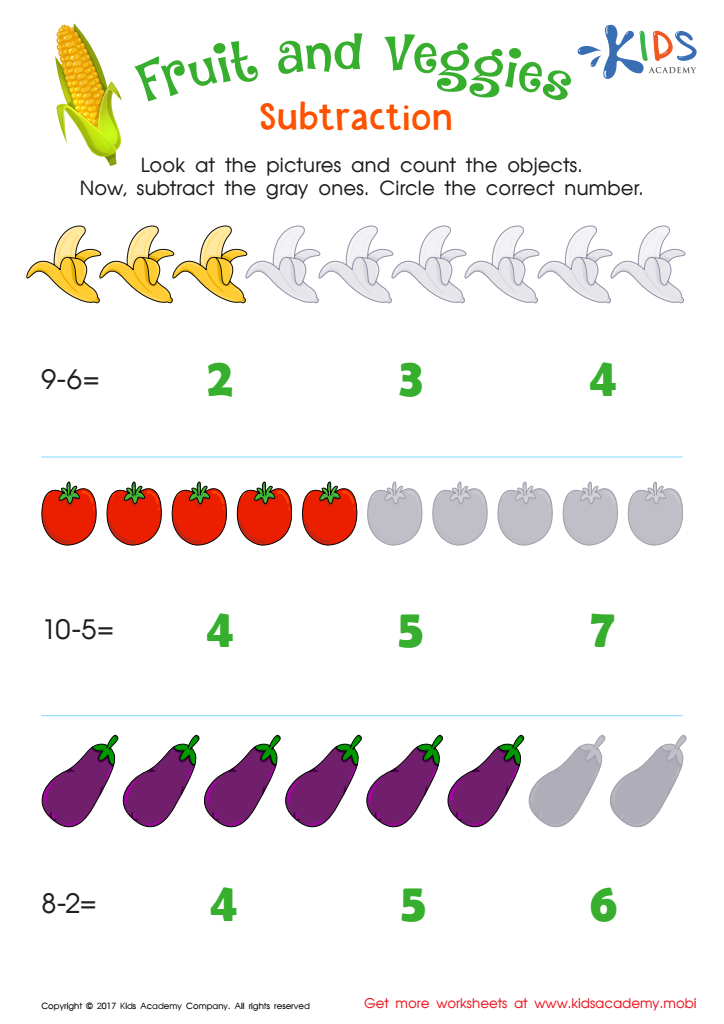
Fruit and Veggies Subtraction Worksheet
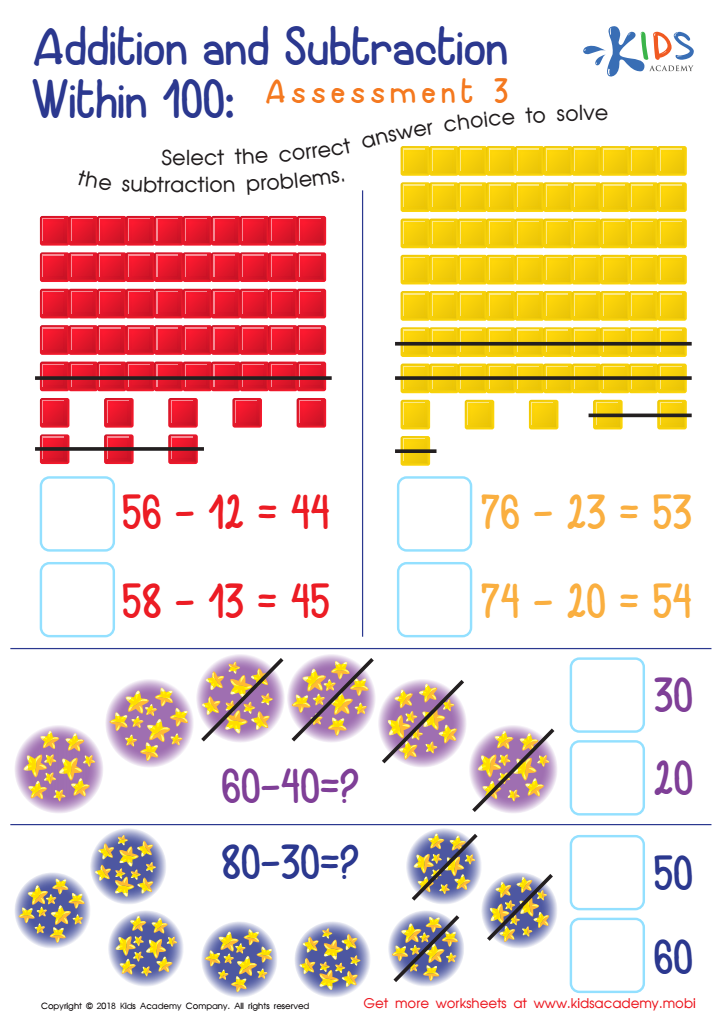
Addition and Subtraction Within 1: Assessment 3 Worksheet








Subtraction skills are fundamental for children aged 4-7, serving as a building block for their overall mathematical understanding. During these early years, children develop critical thinking and problem-solving abilities that are essential for everyday life. Mastering subtraction helps children grasp the concept of "taking away," leading them to understand essential operations and their relationships.
Parents and teachers should care about subtraction skills because they lay the groundwork for future math concepts, such as addition, multiplication, and division. Proficiency in subtraction enhances cognitive development and promotes skills like logical reasoning and spatial awareness. Additionally, being comfortable with subtraction boosts a child's confidence in their abilities, fostering a positive attitude towards math in general.
Moreover, subtraction skills are integral for real-world situations, such as managing money, comparing quantities, and solving everyday problems. Engaging children in fun, hands-on activities can make learning subtraction enjoyable and relevant. As they learn to solve subtraction problems, they also build resilience in facing challenges and the motivation to succeed academically.
Ultimately, fostering effective subtraction skills supports children's long-term success in both mathematics and broader educational contexts, making it a critical focus for parents and educators alike.








