Addition Practice Building Vocabulary Worksheets for Ages 4-7
8 filtered results
-
From - To
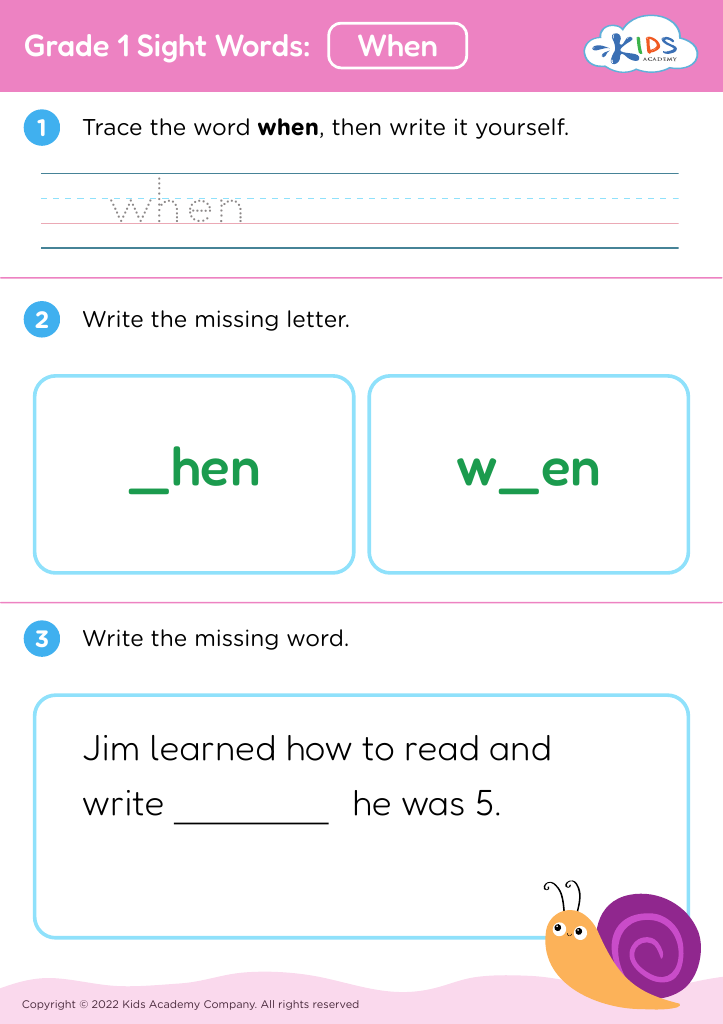
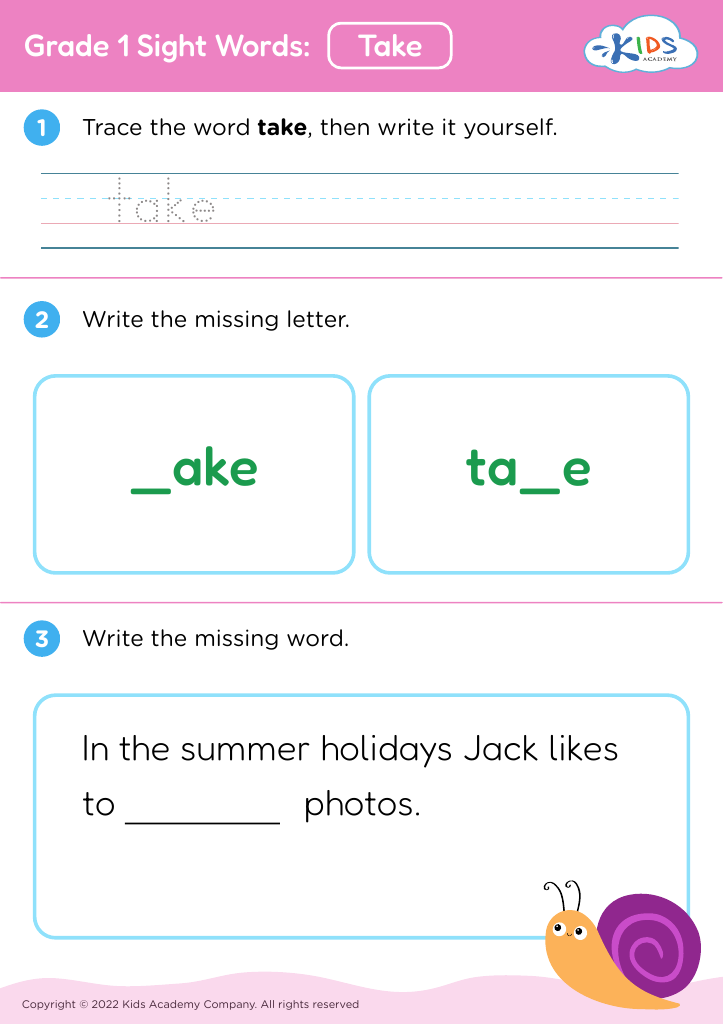
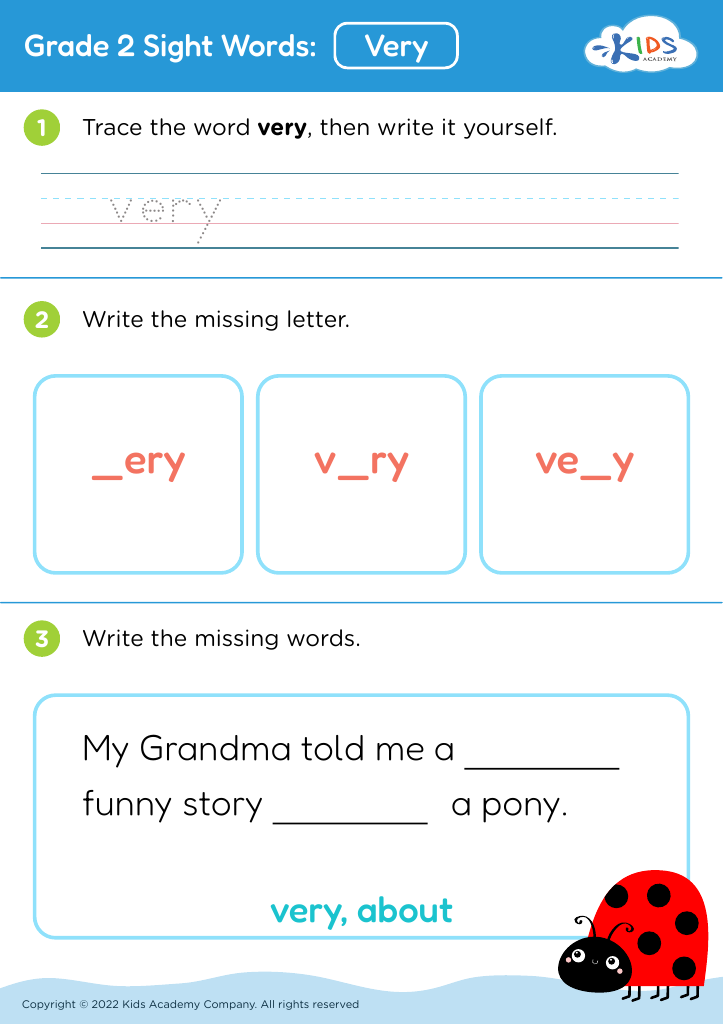
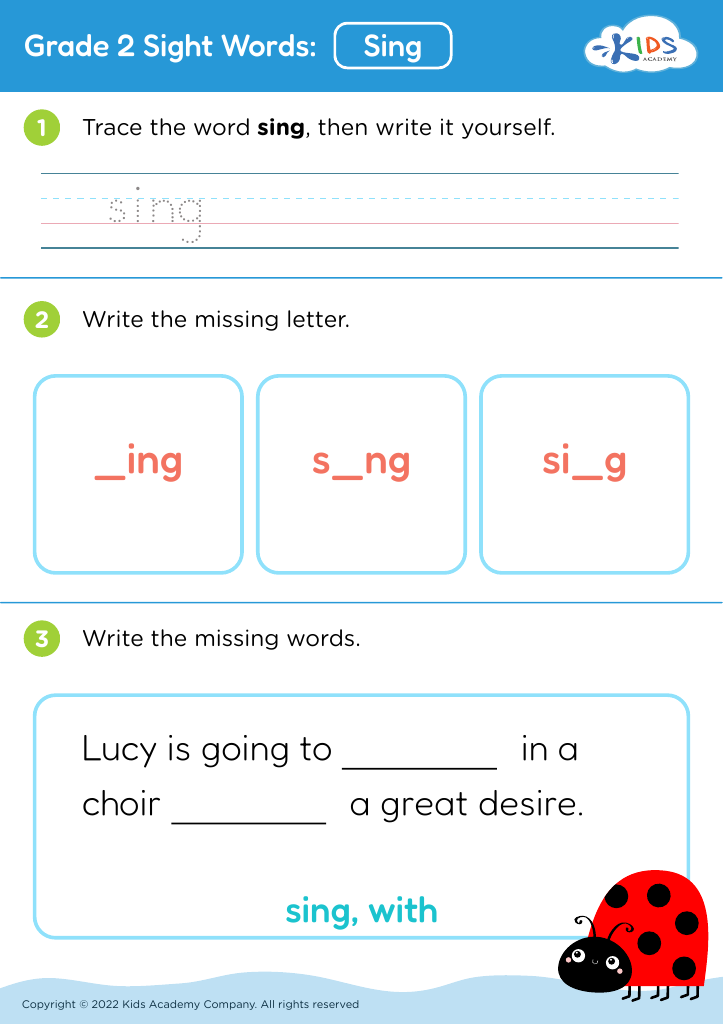
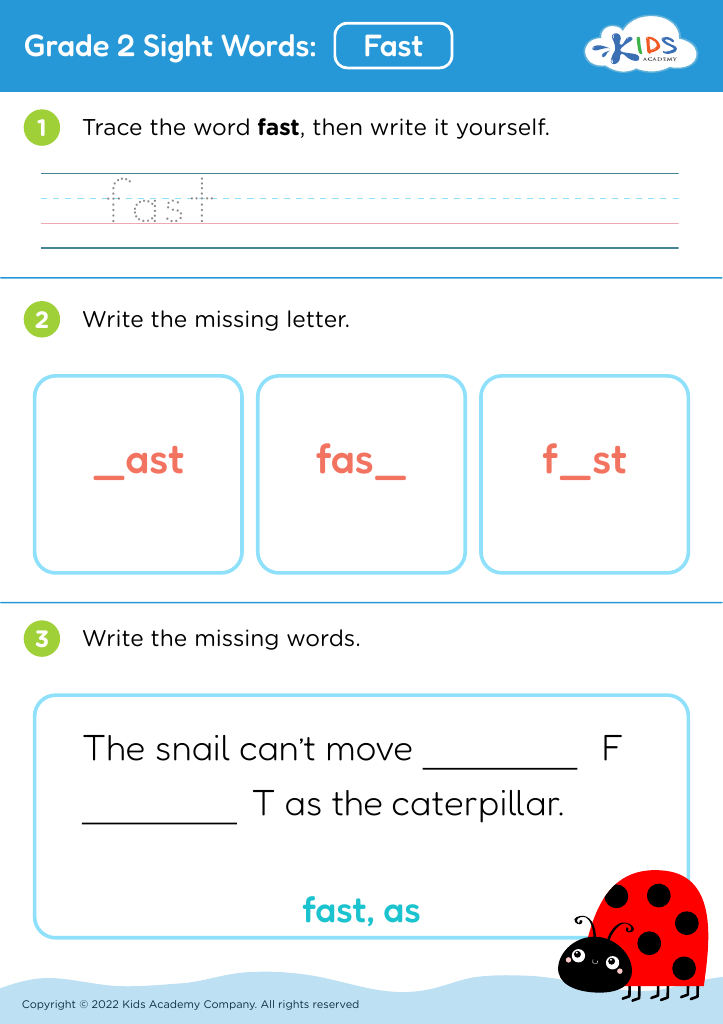
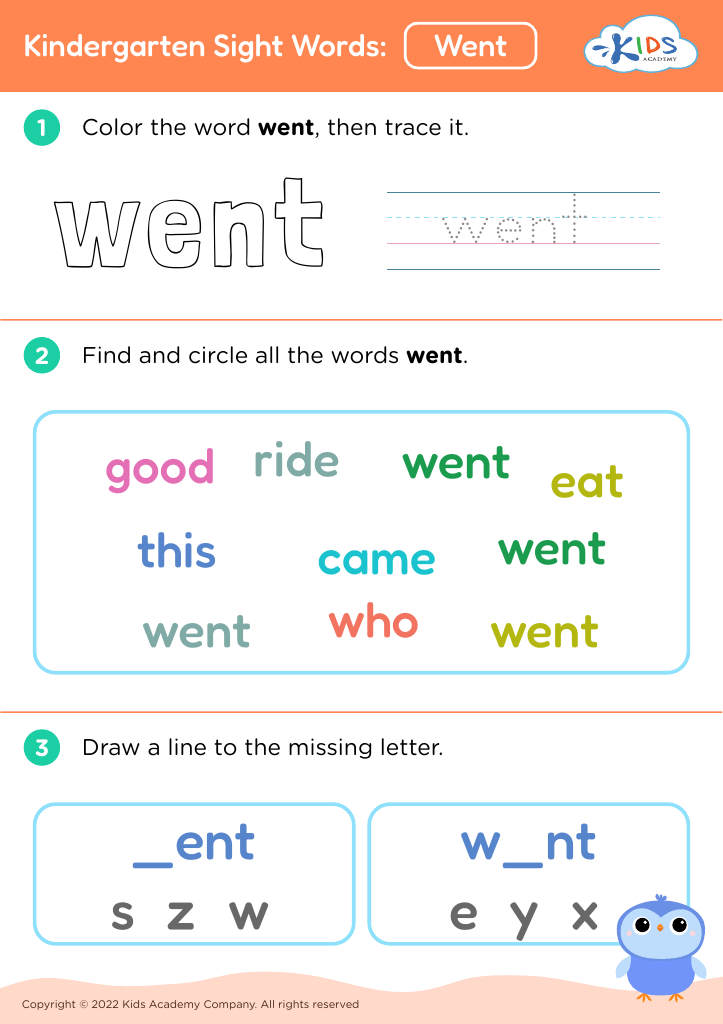
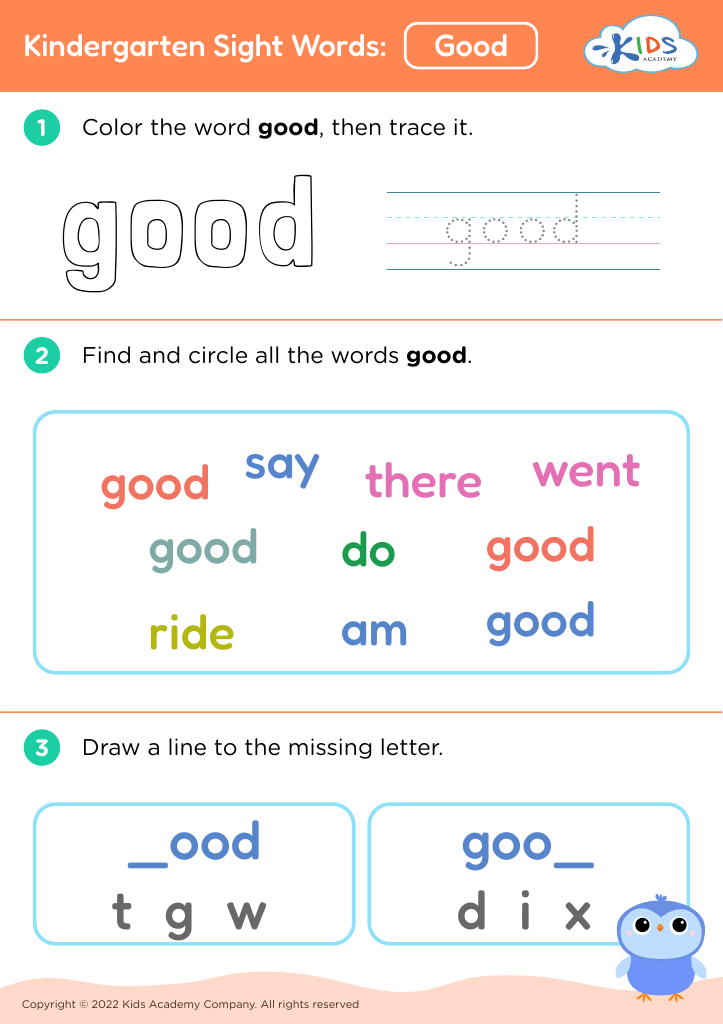
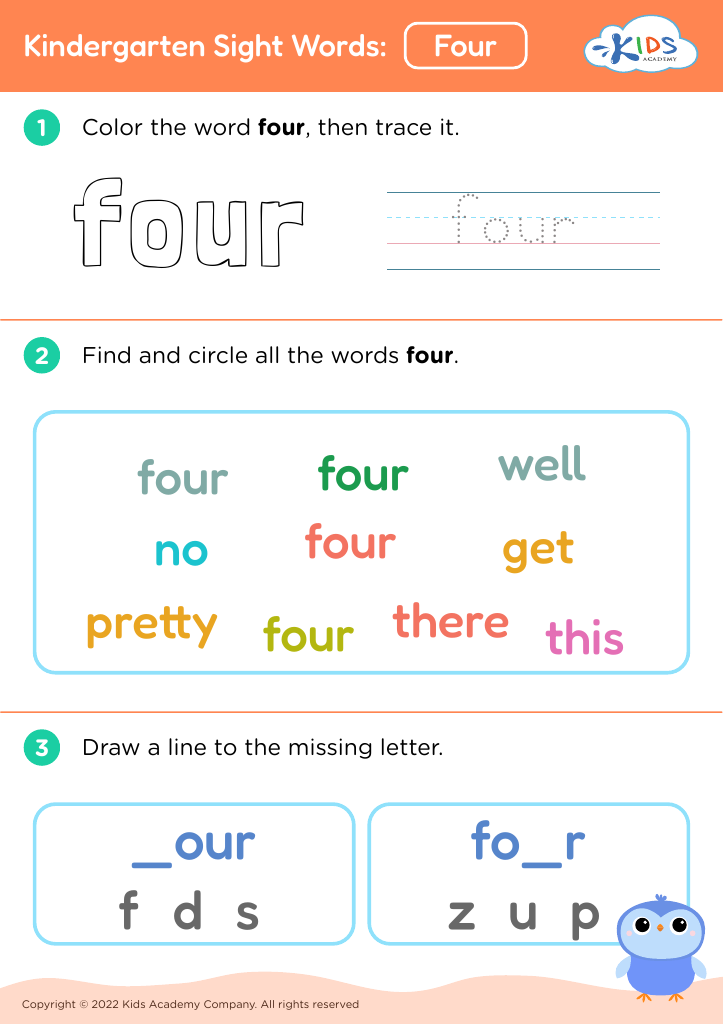
Enhance your child’s learning experience with our Addition Practice Building Vocabulary Worksheets, designed specifically for ages 4-7. These engaging worksheets integrate math and language skills, helping young learners build their vocabulary while mastering basic addition concepts. Young learners will enjoy colorful illustrations and interactive exercises that make learning fun and effective. By connecting words with numbers, your child will develop essential math skills and improve their communication abilities. Perfect for classroom use or at-home support, these worksheets provide a comprehensive approach to early education. Explore our collection and watch your child's confidence in math and vocabulary flourish!



















Parents and teachers should prioritize Addition Practice Building Vocabulary for children aged 4-7 because it plays a crucial role in developing foundational math skills and enhancing language proficiency. At this age, children are not just learning to count but are also beginning to understand how numbers interact through addition. Practicing addition helps children gain confidence in their mathematical abilities, leading to a stronger foundation for more complex concepts later on.
Moreover, tying vocabulary to mathematical concepts enriches children's language skills. When children describe their problem-solving processes or explain why a particular sum makes sense, they are simultaneously practicing vocabulary related to numbers, operations, and descriptive language. This integration of math and language fosters a more holistic approach to learning.
Furthermore, frequent exposure to addition terms such as "sum," "plus," and "combine" helps children build a robust mathematical vocabulary, which is crucial for understanding and communicating about math in both academic settings and real-world situations. By engaging in addition practice using diverse vocabulary, children become better equipped to express their thoughts, ask questions, and develop critical thinking skills early on, setting them up for success in their future educational journeys. In short, it nurtures a balanced development of both math and language abilities.








