Basic Addition Skills Building Vocabulary Worksheets for Ages 4-7
8 filtered results
-
From - To
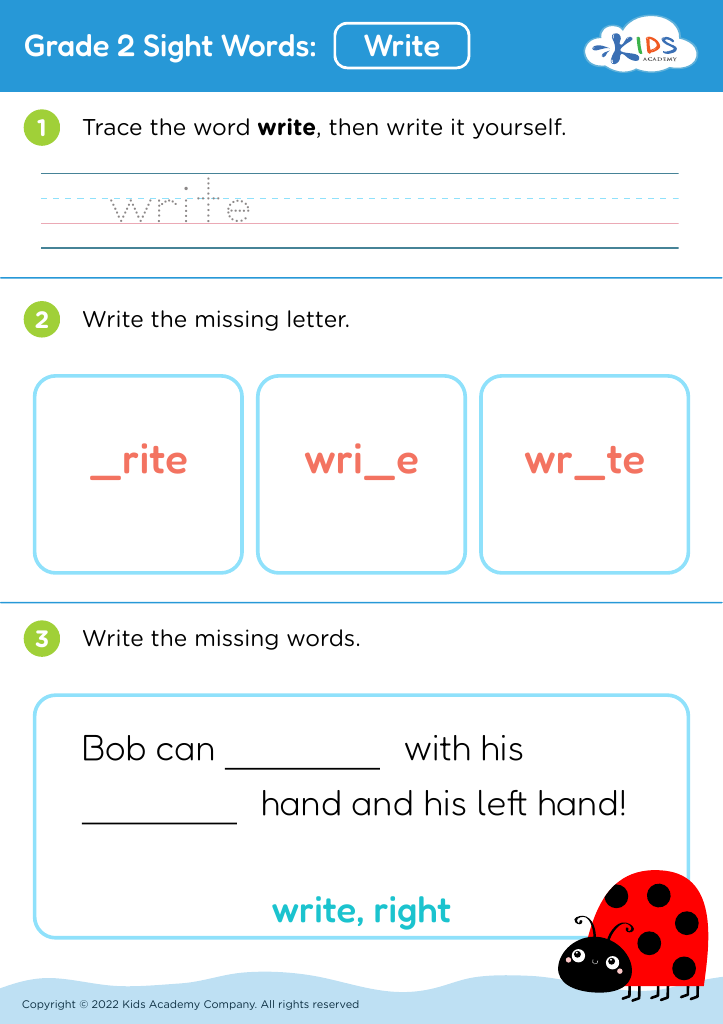
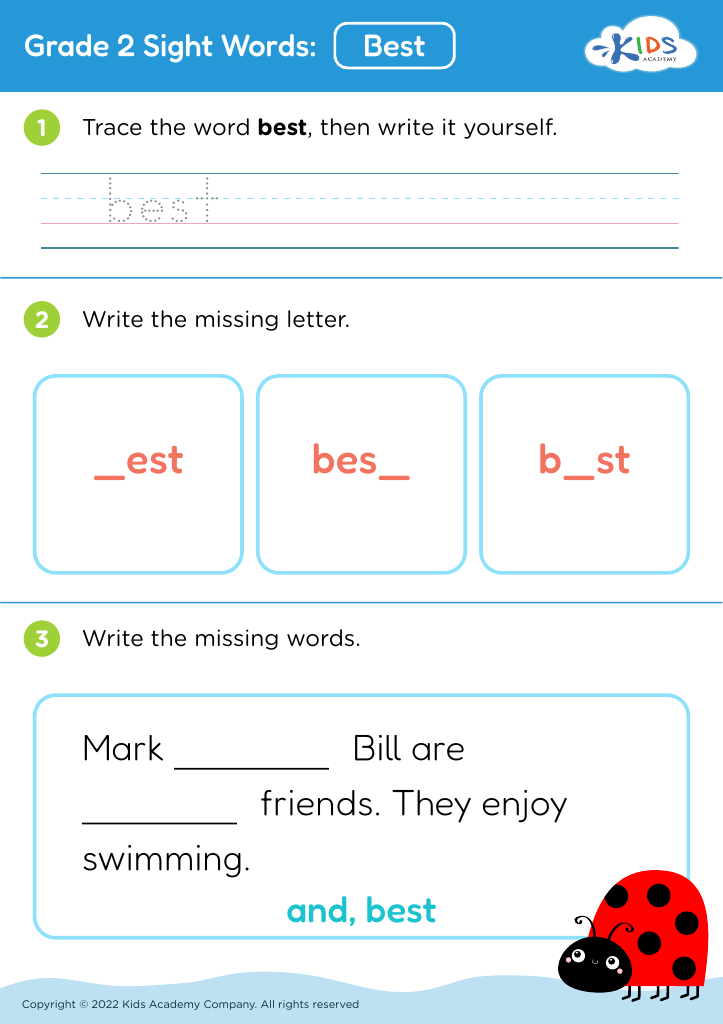
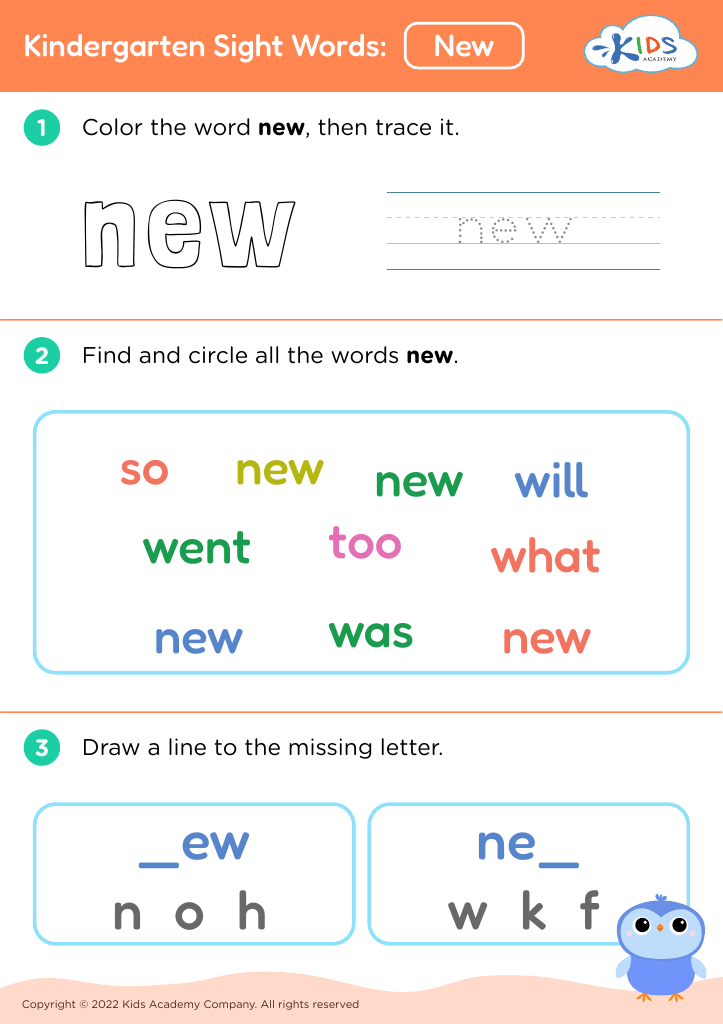
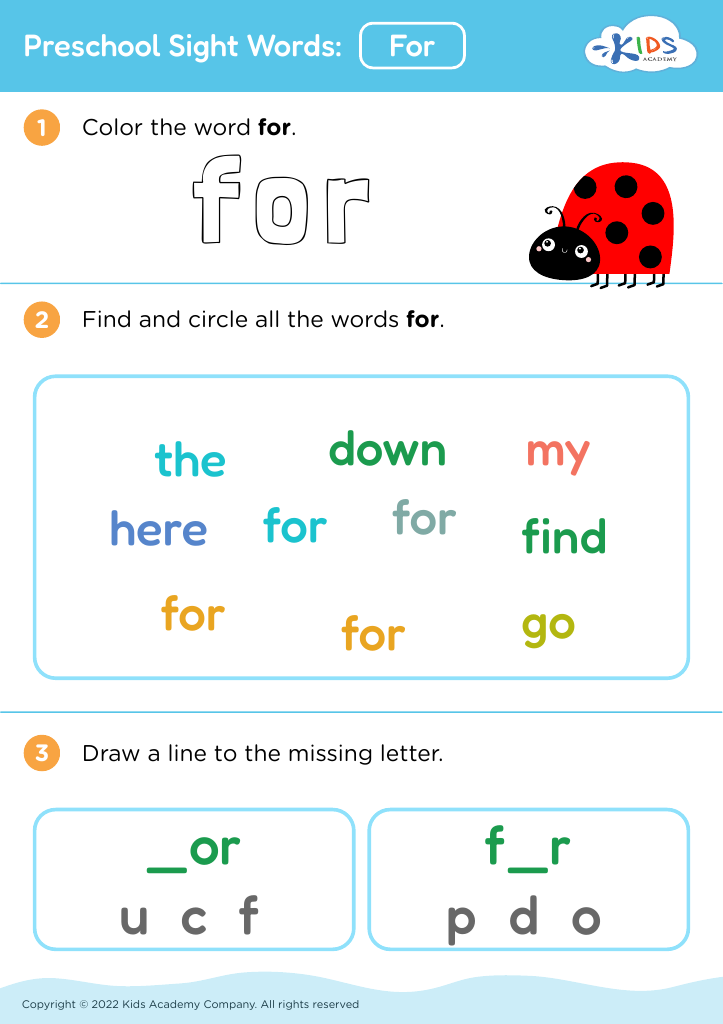
Enhance your child's foundational math skills with our "Basic Addition Skills Building Vocabulary Worksheets" designed for ages 4-7. These engaging worksheets provide a fun way for young learners to master addition concepts while expanding their vocabulary. Through colorful illustrations and interactive exercises, children will develop number recognition and improve their comprehension of basic math terminology. Perfect for homeschooling or classroom settings, these resources foster early numeracy in a playful manner, ensuring that children not only learn to add but also understand essential vocabulary associated with mathematics. Ignite your child's math journey today and set them up for future success!
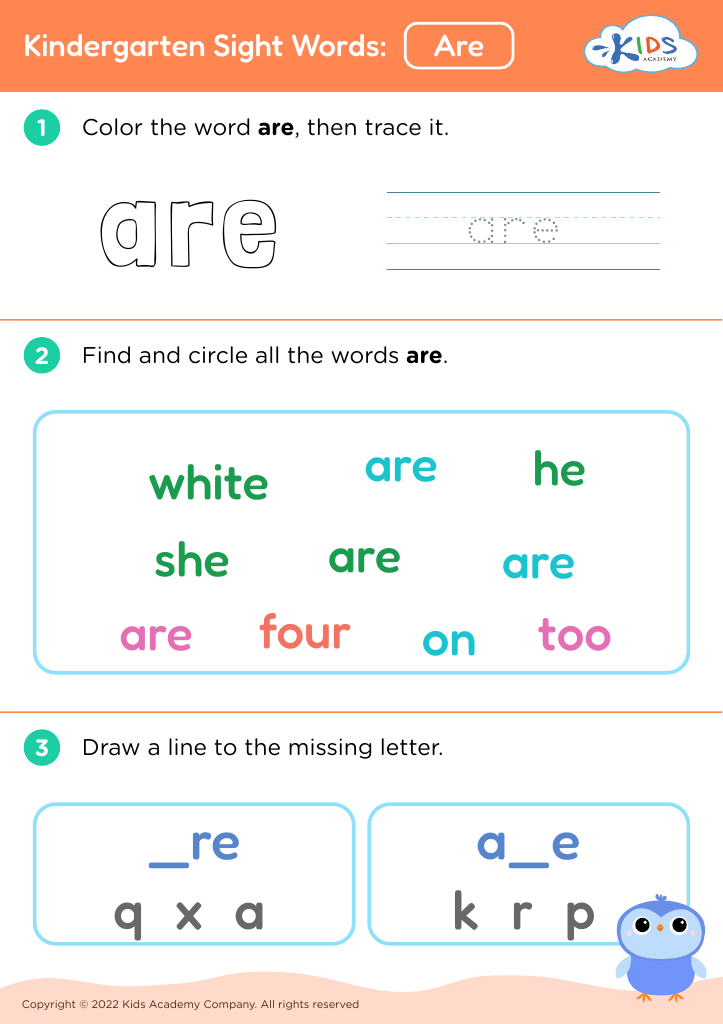











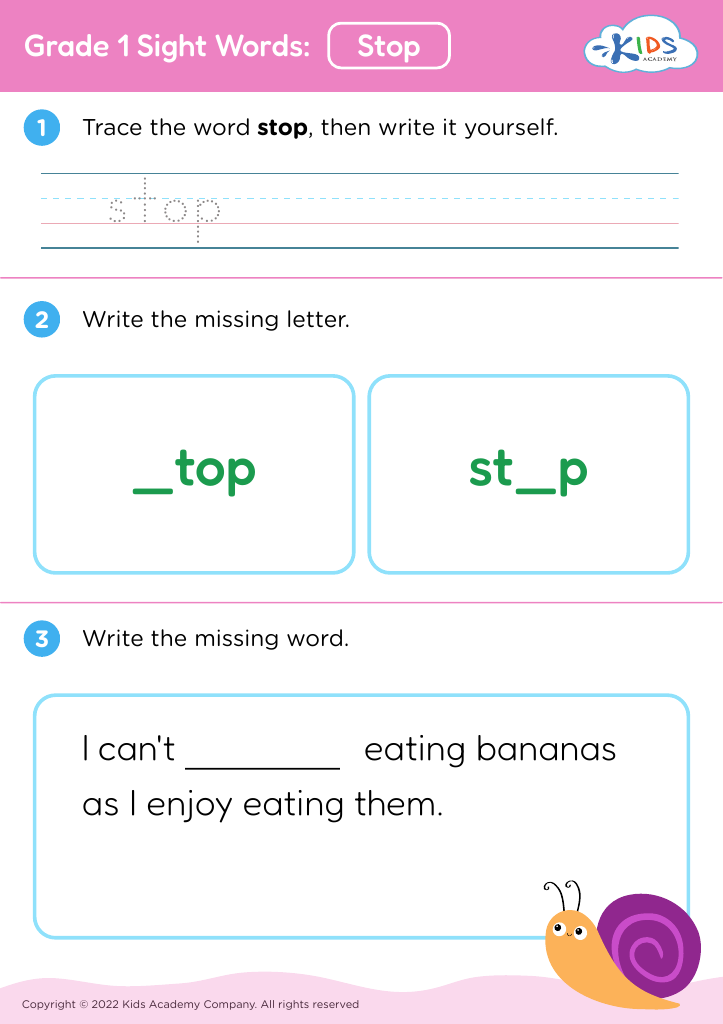
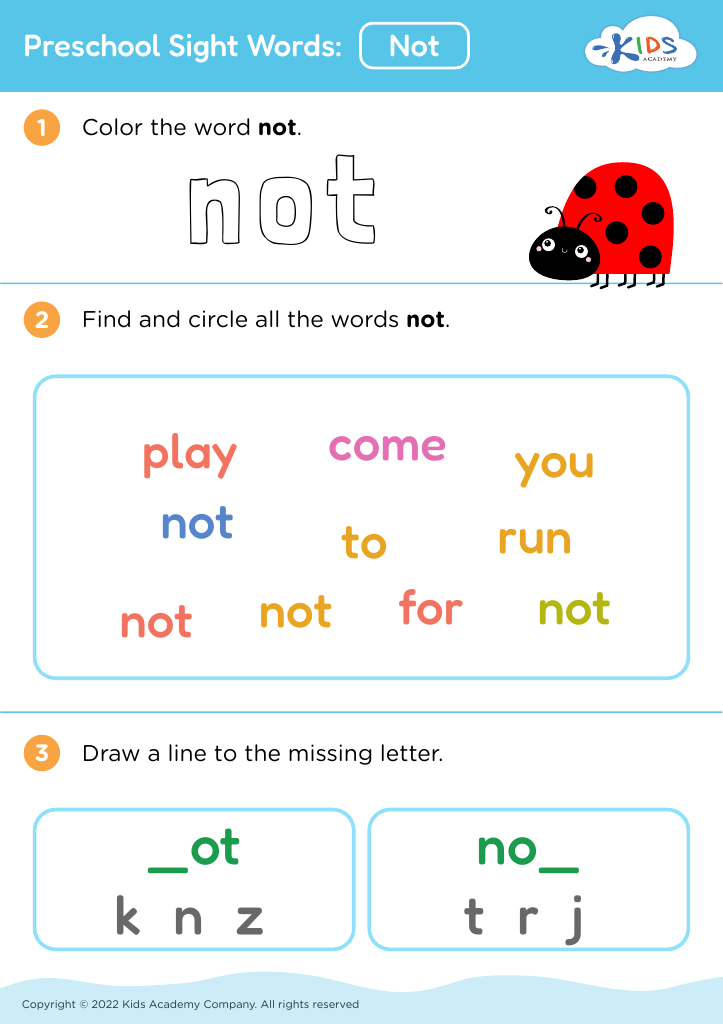
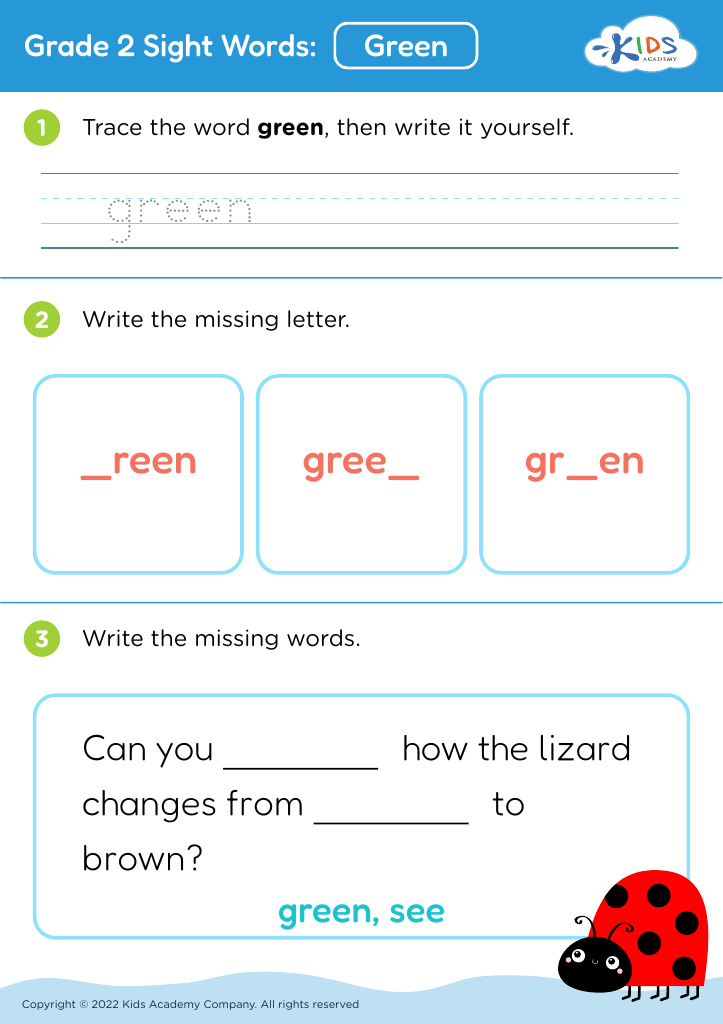








Basic addition skills and vocabulary development are crucial components of a child's early education, especially for ages 4-7. During these formative years, children are developing essential cognitive, linguistic, and social abilities. Understanding basic addition equips them with problem-solving skills and fosters logical thinking, which are foundational for future mathematical concepts.
Moreover, integrating addition with vocabulary building helps children articulate their understanding of mathematical language. Terms such as "sum," "plus," "equal," and "total" are not merely jargon; they facilitate clearer communication about math concepts. When children can verbally express their mathematical reasoning, they become more engaged, confident learners.
Using addition in practical contexts—like counting toys, sharing snacks, or playing math games—makes learning relatable and enjoyable. It lays the groundwork for more complex mathematical skills and enhances their overall literacy as they interact with numbers in meaningful ways.
Furthermore, fostering these skills in young children empowers their self-esteem and encourages a positive attitude toward learning. Parents and teachers play a vital role in validating their efforts, thus cultivating a growth mindset. Caring about basic addition and vocabulary is about ensuring that children are well-prepared for academic challenges ahead and encouraging a lifelong love for learning.








