
Fraction Addition Building Vocabulary Worksheets for Ages 4-7
4 filtered results
Difficulty Level
Grade
Age
-
From - To
Subject
Activity
Standards
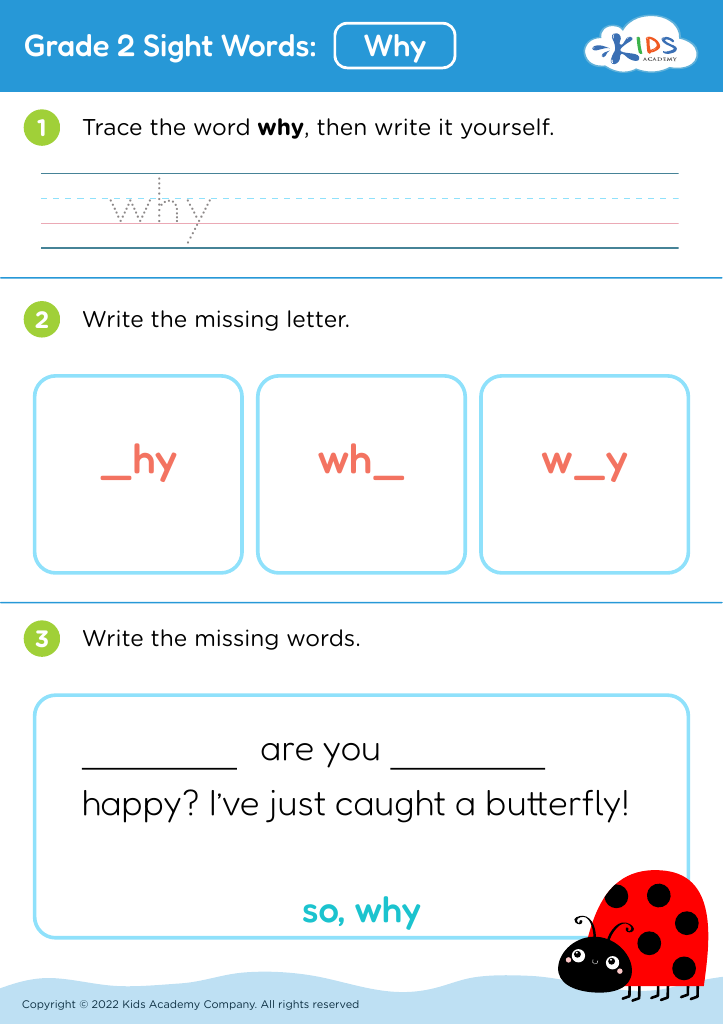
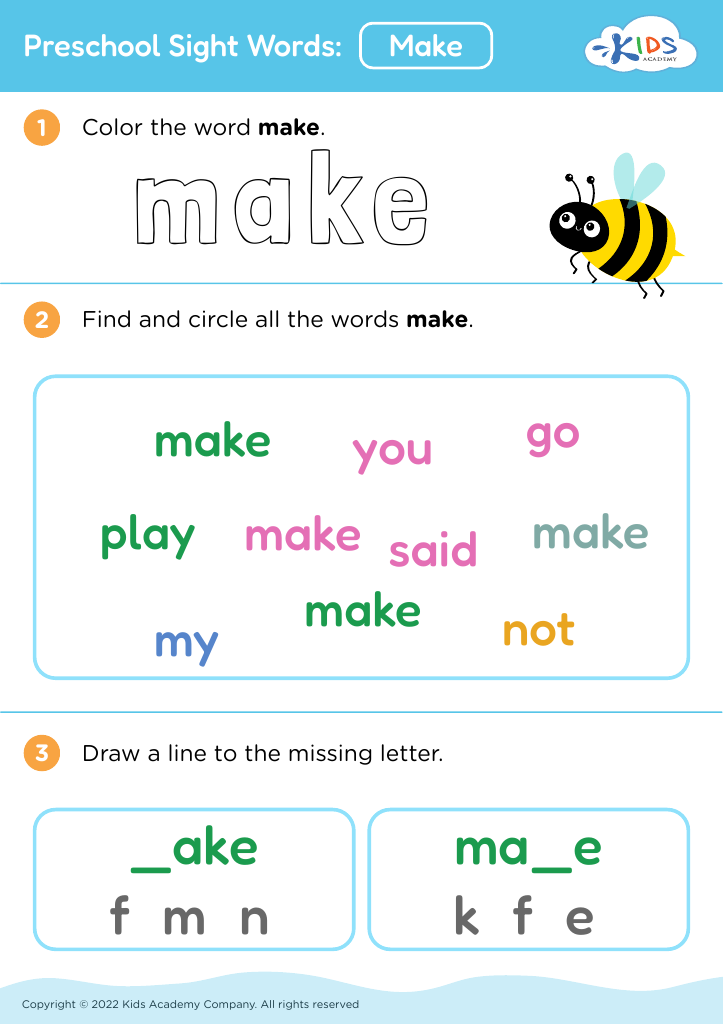
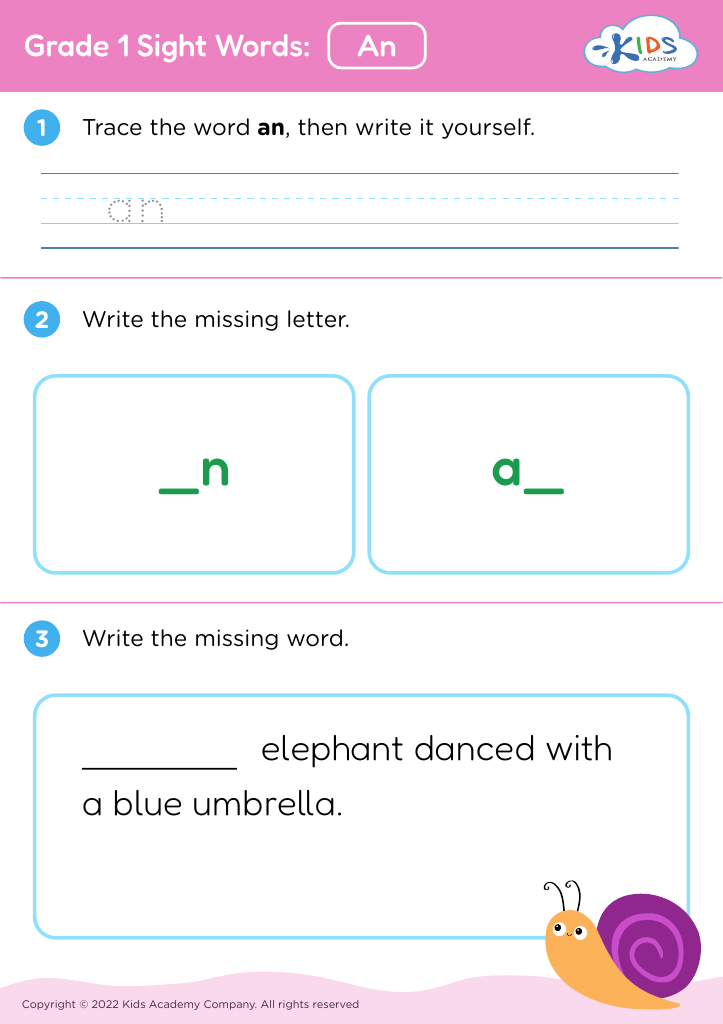
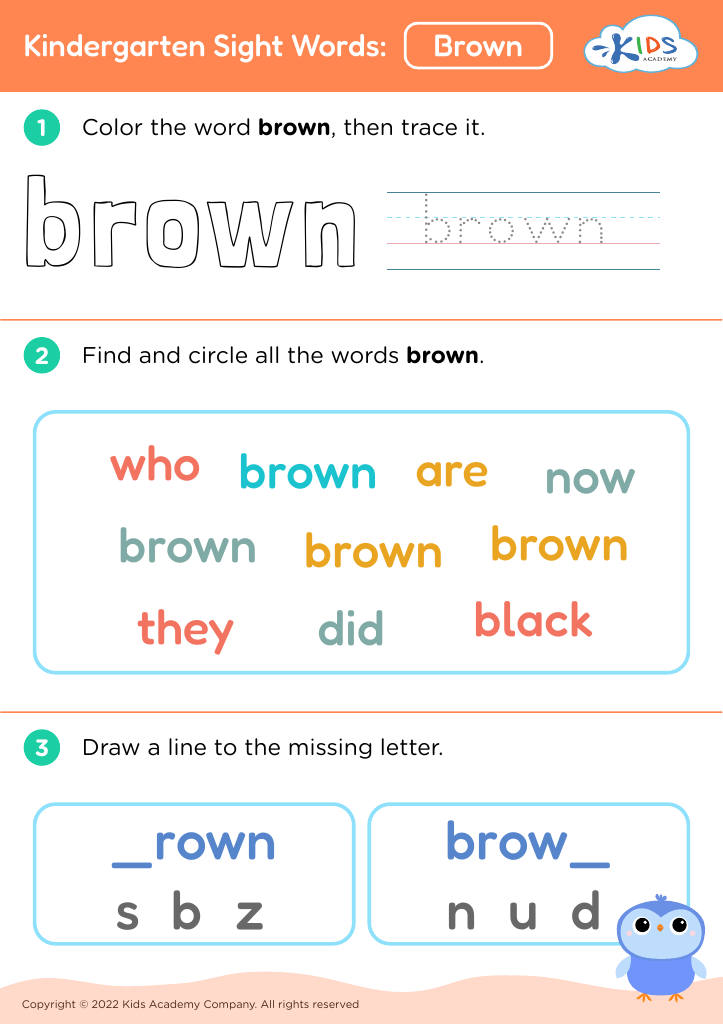
Explore our engaging Fraction Addition Building Vocabulary Worksheets for children ages 4-7, designed to make learning fun and interactive! These worksheets help young learners grasp the concepts of fraction addition while expanding their vocabulary related to numbers and mathematics. Each activity is tailored to develop critical thinking and problem-solving skills through colorful visuals and enjoyable exercises. Our resources promote a strong foundational understanding of fractions in a supportive and friendly learning environment. Perfect for classroom or homeschooling use, these worksheets encourage cooperation and exploration among students, paving the way for a successful math journey! Start your child’s learning adventure today!
Favorites
With answer key
Interactive











Join Kids Academy for Free
Who is primarily going to use this learning content?








Understanding and building vocabulary around fraction addition is crucial for children aged 4-7, laying a strong foundation for future mathematical concepts. At this age, children begin developing critical thinking and problem-solving skills. By introducing them to fractional vocabulary—such as "half," "quarter," and "whole"—parents and teachers help students grasp essential concepts that will benefit them as they progress in mathematics.
Fraction addition is not just about numbers; it's also about understanding part-whole relationships. A solid grasp of this vocabulary enables young learners to articulate their thoughts, share ideas, and develop a deeper understanding of relationships between parts and wholes in both mathematics and real-world contexts.
Encouraging vocabulary development in fraction addition also fosters a love for learning. When children are equipped with the right words and concepts, they feel more confident participating in discussions and mastering tasks.
Moreover, incorporating fraction vocabulary in everyday activities—such as sharing snacks or dividing toys—makes learning relatable and enjoyable. This hands-on approach not only modernizes teaching techniques but also stimulates curiosity. Thus, the responsibility of instilling fraction addition vocabulary falls on parents and teachers, who play a vital role in nurturing mathematical aptitude and enthusiasm in young learners.








