Improve counting skills Building Vocabulary Worksheets for Ages 4-7
6 filtered results
-
From - To
Enhance your child's early mathematics and vocabulary with our "Improve Counting Skills Building Vocabulary Worksheets" designed for ages 4-7. These engaging worksheets provide kids with a fun way to practice counting while introducing new words and concepts. Through colorful illustrations and interactive exercises, children will not only learn to recognize and count numbers but also enhance their language skills. Each worksheet is crafted to support learning through play, helping children build a solid foundation for future academic success. Perfect for at-home practice or classroom use, these resources empower young learners and make counting an exciting adventure!
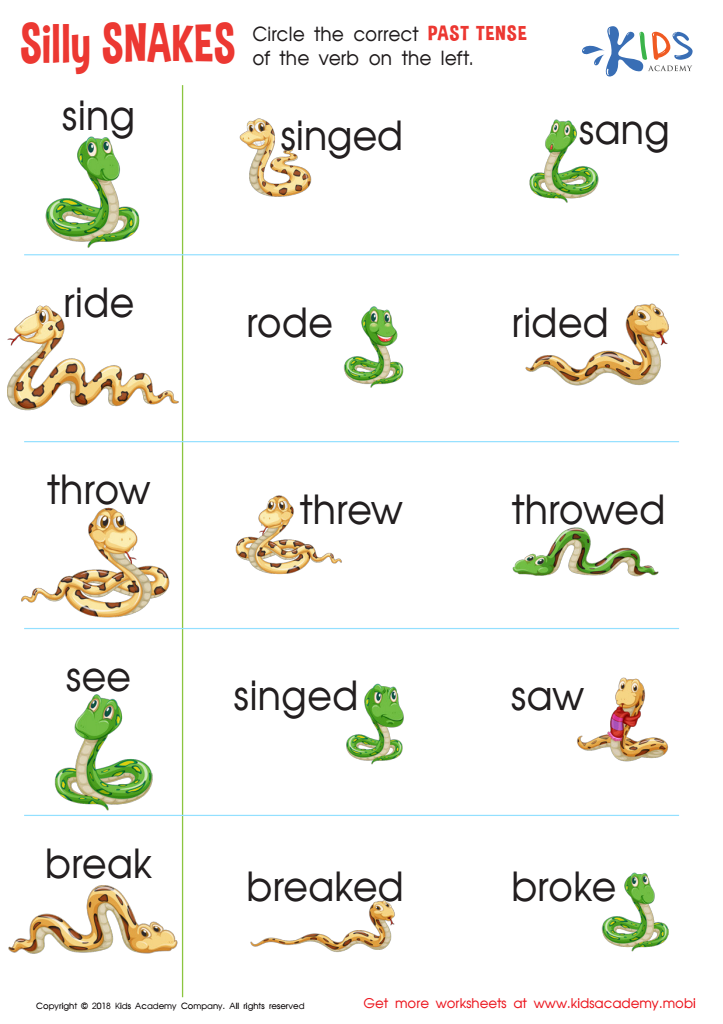
Silly Snakes Worksheet
 Assign to My Students











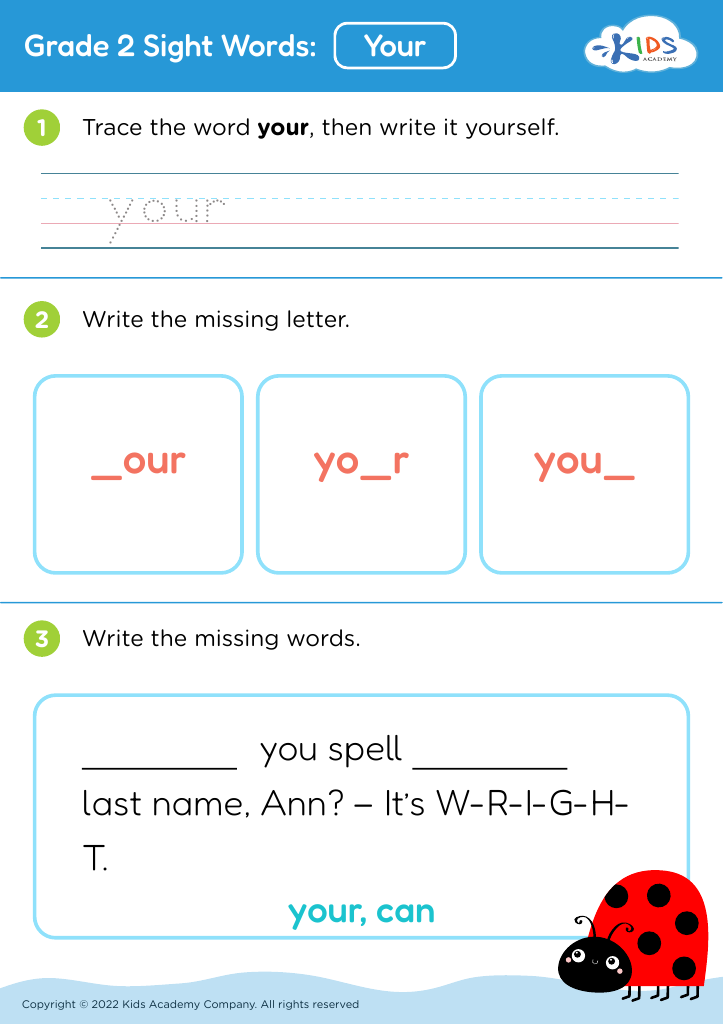
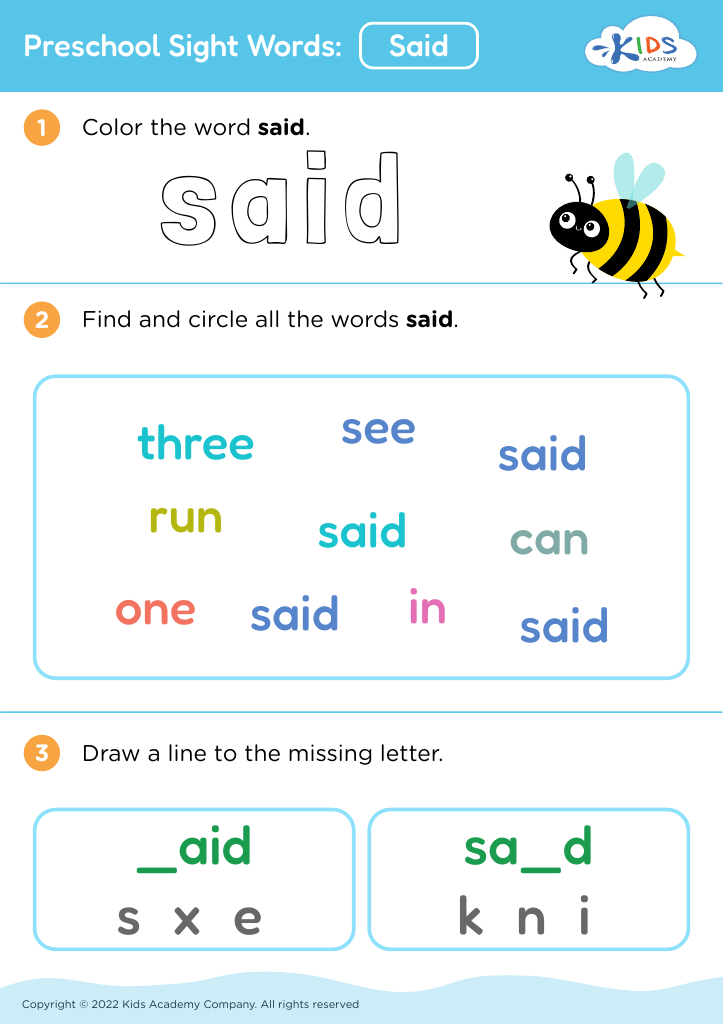
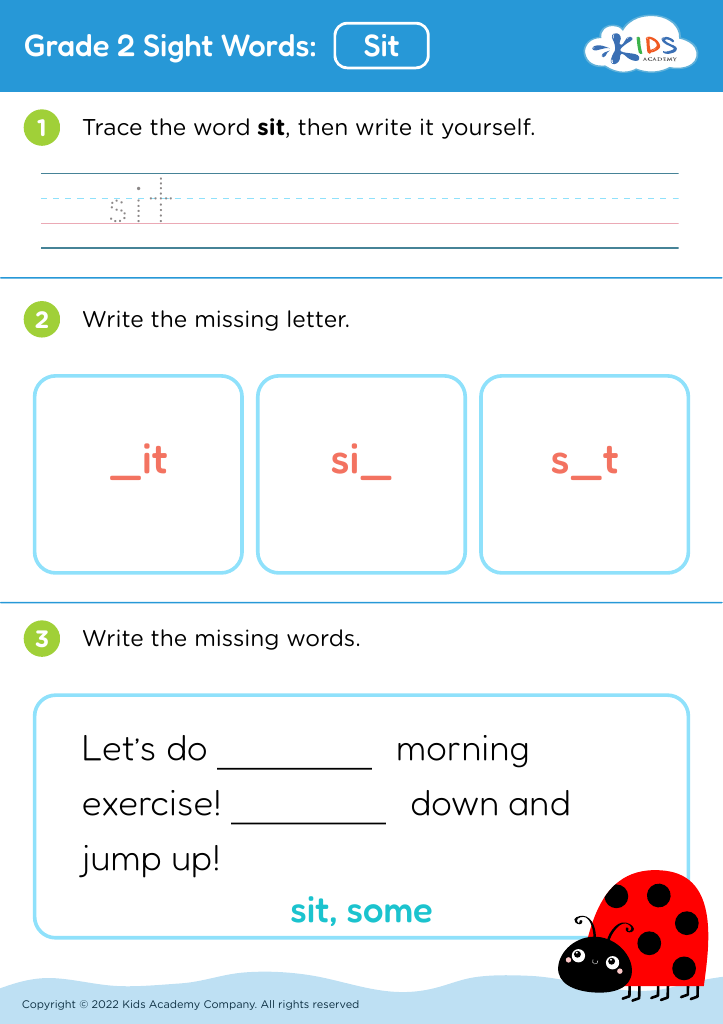
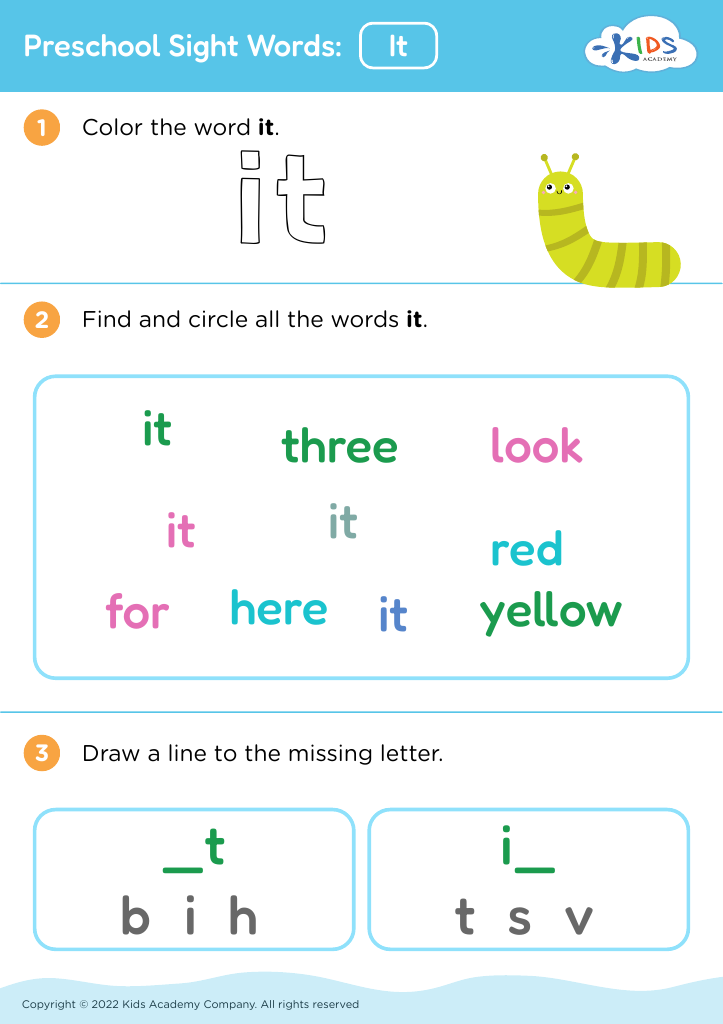
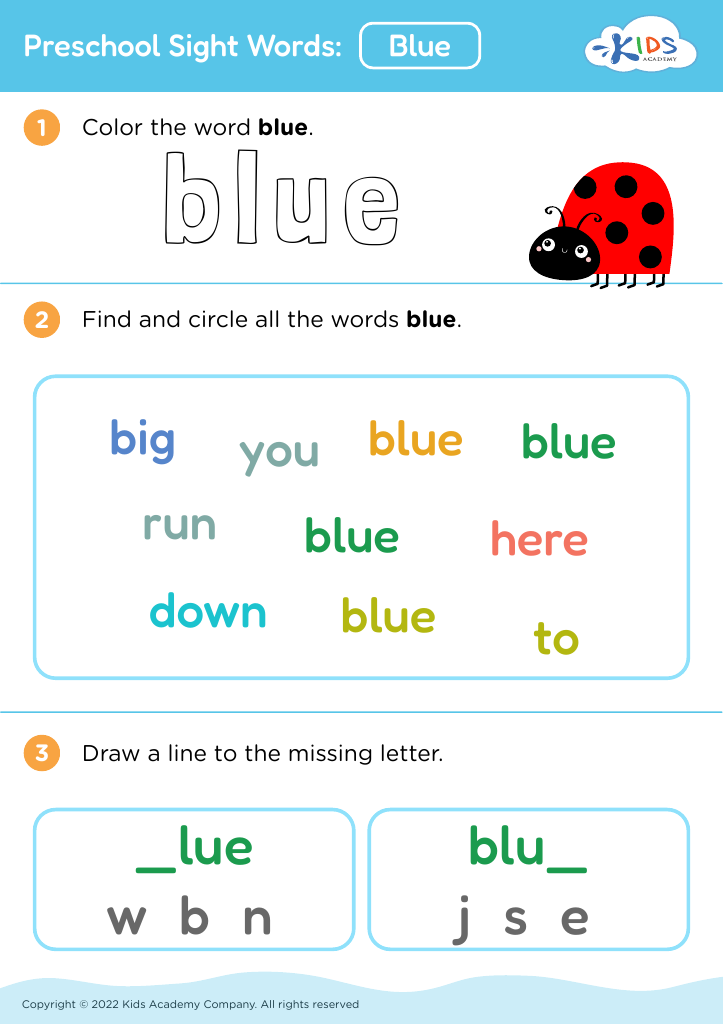








Improving counting skills and building vocabulary in children aged 4-7 lays a crucial foundation for their overall development. At this early stage, children are highly receptive to learning, and strong counting skills foster essential math competencies. Mastering numbers helps children understand concepts of quantity, sequencing, and basic arithmetic, which are critical for future academic success. As they learn to count, children develop analytical skills, problem-solving abilities, and confidence when tackling more complex mathematical challenges later on.
Building vocabulary is equally important, as language skills are pivotal for effective communication and comprehension. A rich vocabulary enhances a child's ability to express thoughts, engage in conversations, and understand instructions. Early vocabulary development correlates with reading proficiency, social interactions, and academic achievements across subjects. Moreover, children who can articulate their ideas are better equipped to collaborate and share perspectives, fostering social skills.
Teachers and parents play an essential role in nurturing these abilities through engaging activities such as counting games, storytelling, and vocabulary exercises. By prioritizing these skills, caregivers can provide children with the tools necessary to navigate their educational journey, ensuring they are well-prepared for future learning experiences. Ultimately, fostering counting and vocabulary skills equips children for both academic success and lifelong learning.








