Improving math skills Building Vocabulary Worksheets for Ages 4-7
4 filtered results
-
From - To
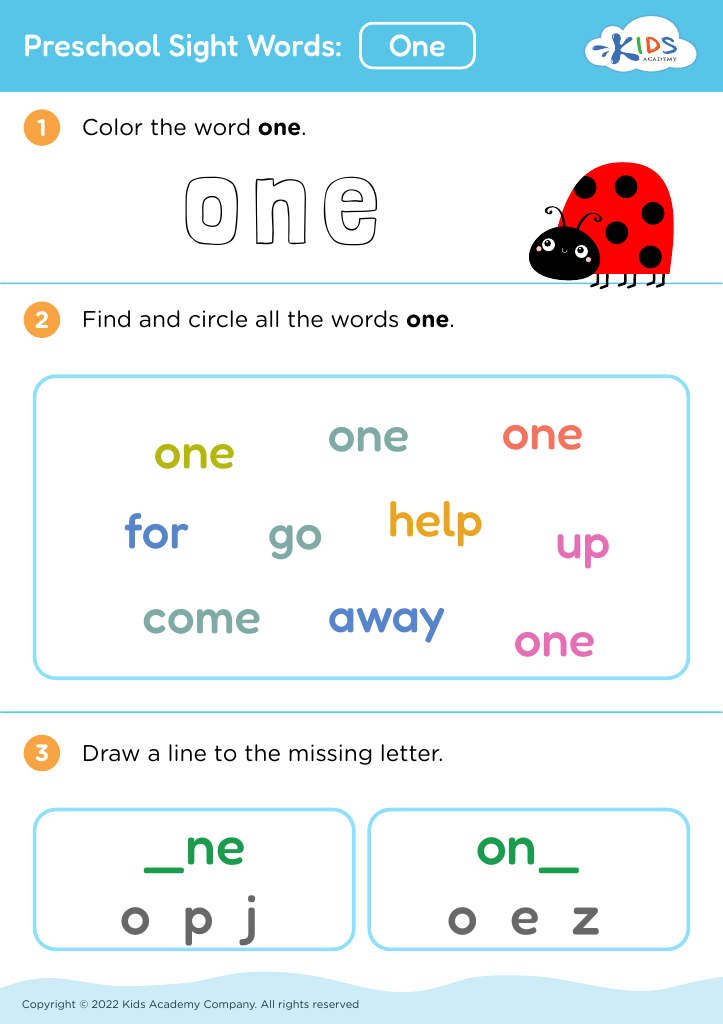
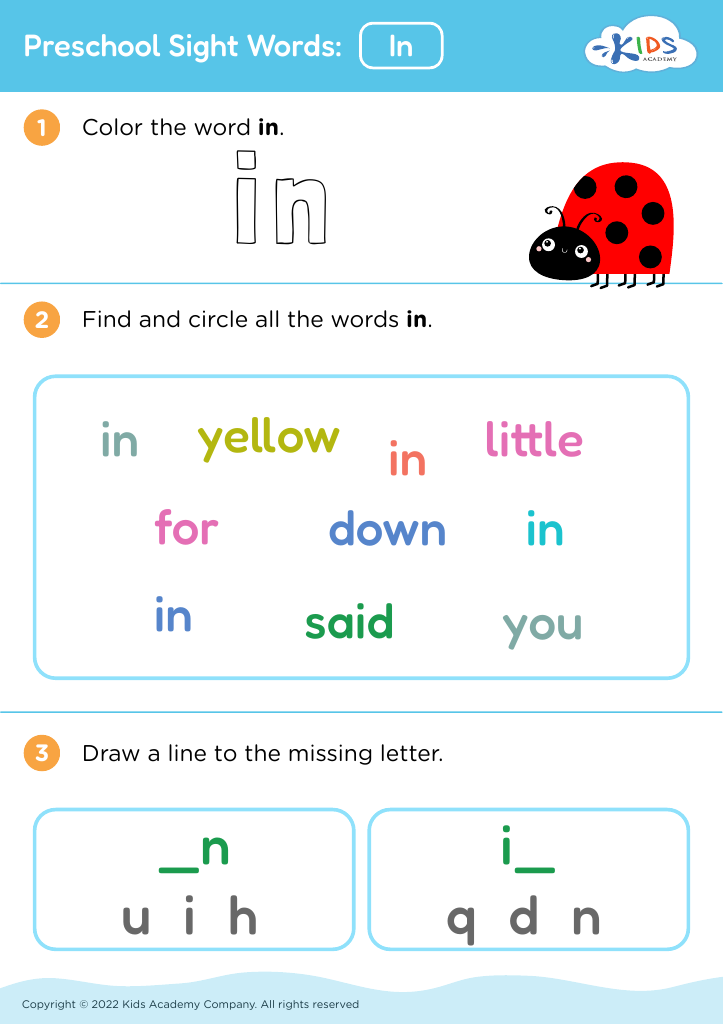
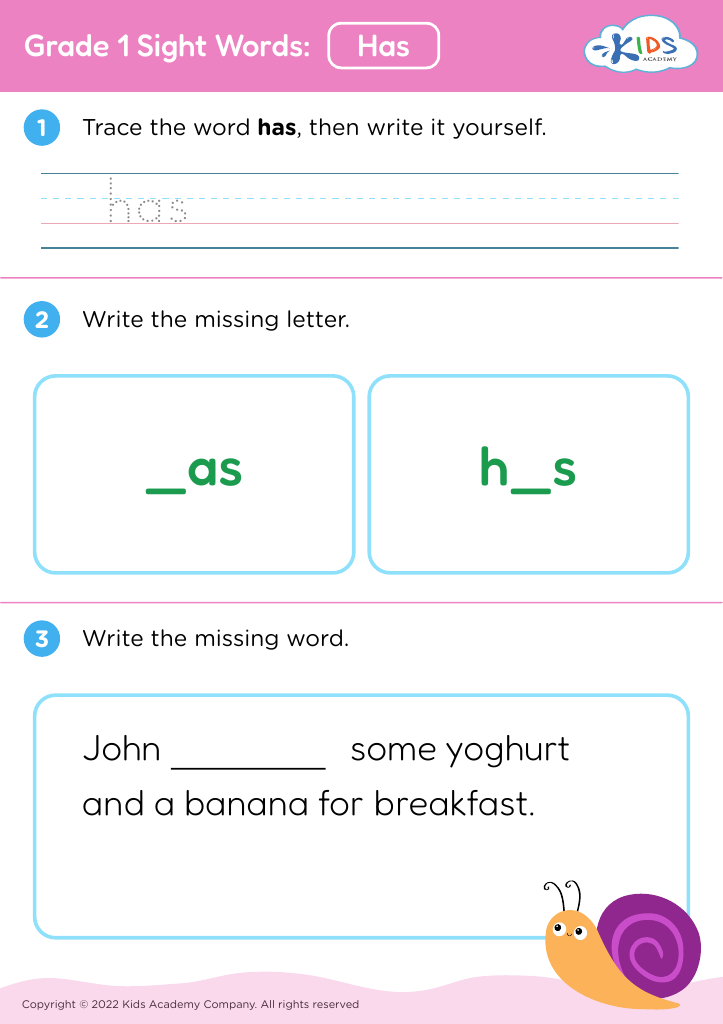
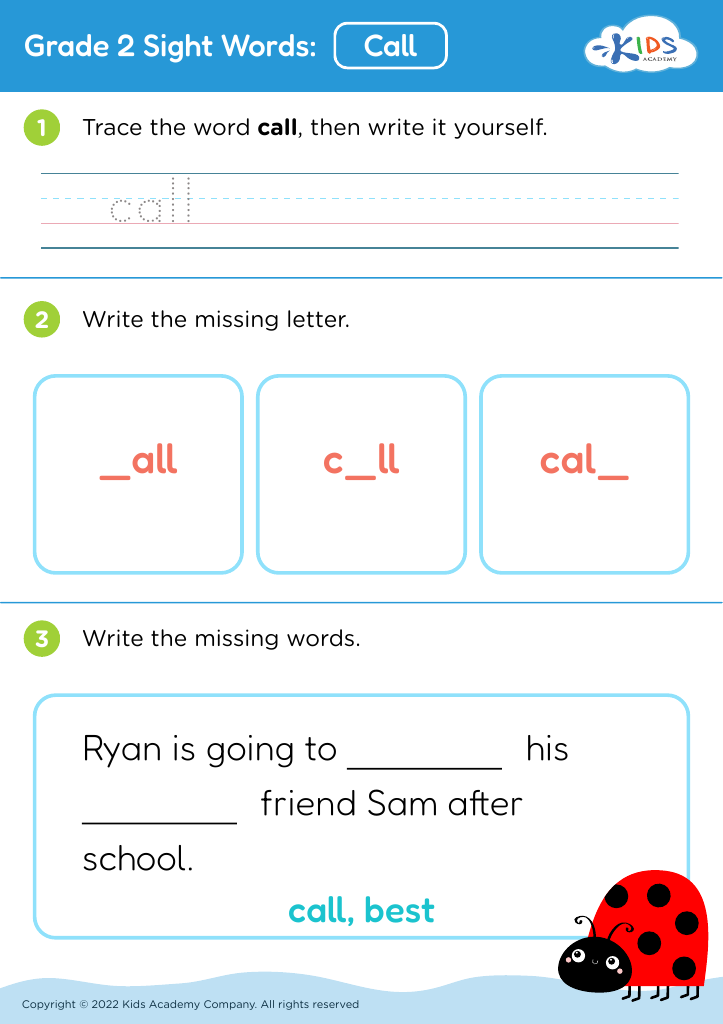
Welcome to our "Improving Math Skills Building Vocabulary Worksheets" page, designed specifically for children aged 4-7. These engaging worksheets combine math practice with vocabulary building, helping young learners enhance their language skills while mastering essential math concepts. Each worksheet is thoughtfully crafted to make learning fun, fostering both literacy and numeracy development. Interactive activities promote critical thinking as children explore numbers, shapes, and simple equations in a vocabulary-rich context. Ideal for classroom settings or home study, our resources provide an excellent way to prepare young minds for future academic success. Start your child's learning journey today!



















Improving math skills and building vocabulary for children ages 4-7 is essential in laying a strong foundation for their future learning experiences. During these formative years, children's brains are incredibly receptive to new information, making it a prime time for both mathematical and linguistic development.
Strengthening math skills at this age fosters critical thinking and problem-solving abilities. Engaging children in activities like counting, sorting, and simple addition and subtraction entertains them while teaching essential concepts they will build on later in school. Early mathematical competency also correlates with enhanced confidence in dealing with numeracy, which is vital for future academic success.
Similarly, an extensive vocabulary enhances reading skills and facilitates effective communication. The ability to articulate thoughts helps children express themselves and understand others, a cornerstone for social development. Moreover, vocabulary is intertwined with comprehension, which affects learning across all subject areas, not limited to language arts.
Parents and teachers play a crucial role by creating enriching environments that prioritize math and language development. Interactive play, discussions, and literacy-based activities make learning enjoyable and meaningful, ensuring children are well-prepared to meet future academic challenges with confidence and enthusiasm. Thus, fostering these skills is not merely beneficial but essential for holistic childhood development.








