Number identification Building Vocabulary Worksheets for Ages 4-7
3 filtered results
-
From - To
Enhance your child's numerical skills with our Number Identification Building Vocabulary Worksheets, designed specifically for ages 4-7. These engaging worksheets provide a fun and interactive way for young learners to recognize and understand numbers. Through a variety of activities tailored to boost vocabulary and number recognition, children can explore mathematical concepts while developing critical thinking. Ideal for homeschooling or classroom use, these worksheets support early numeracy skills in a playful manner. With colorful visuals and age-appropriate challenges, your child will build confidence in their number abilities, setting a solid foundation for future learning. Download now to spark your child's interest in numbers!
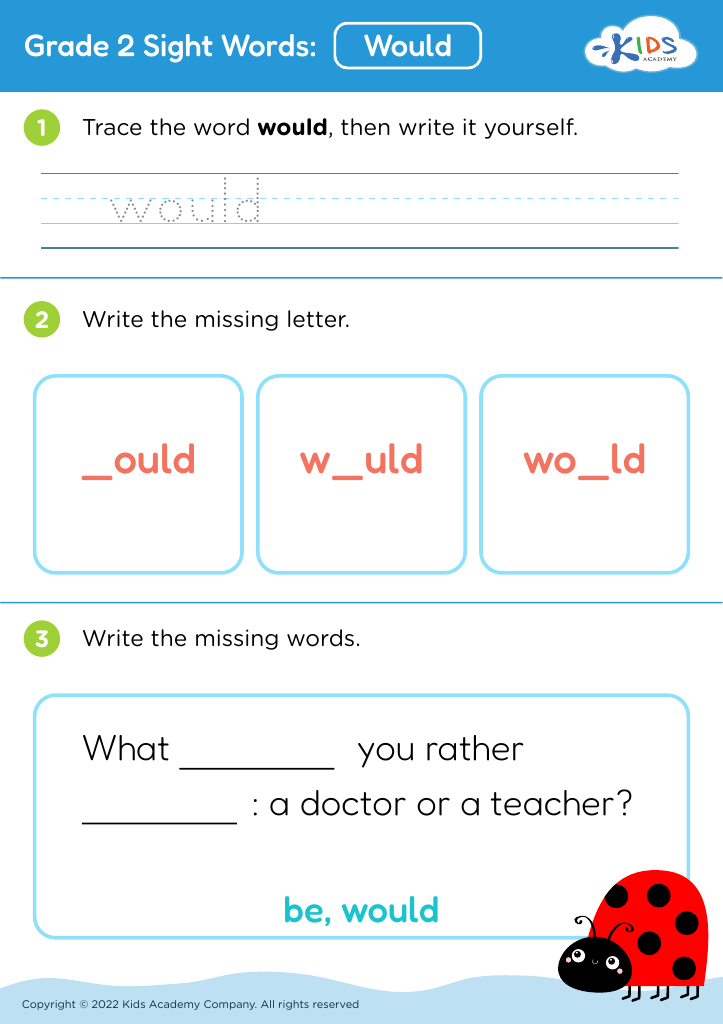











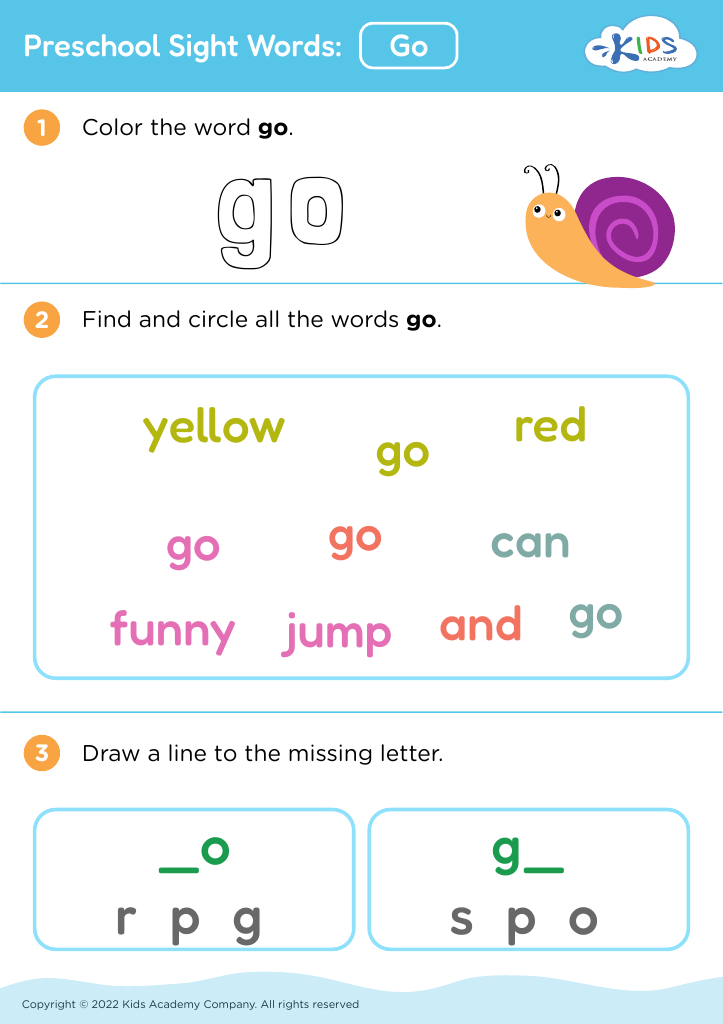
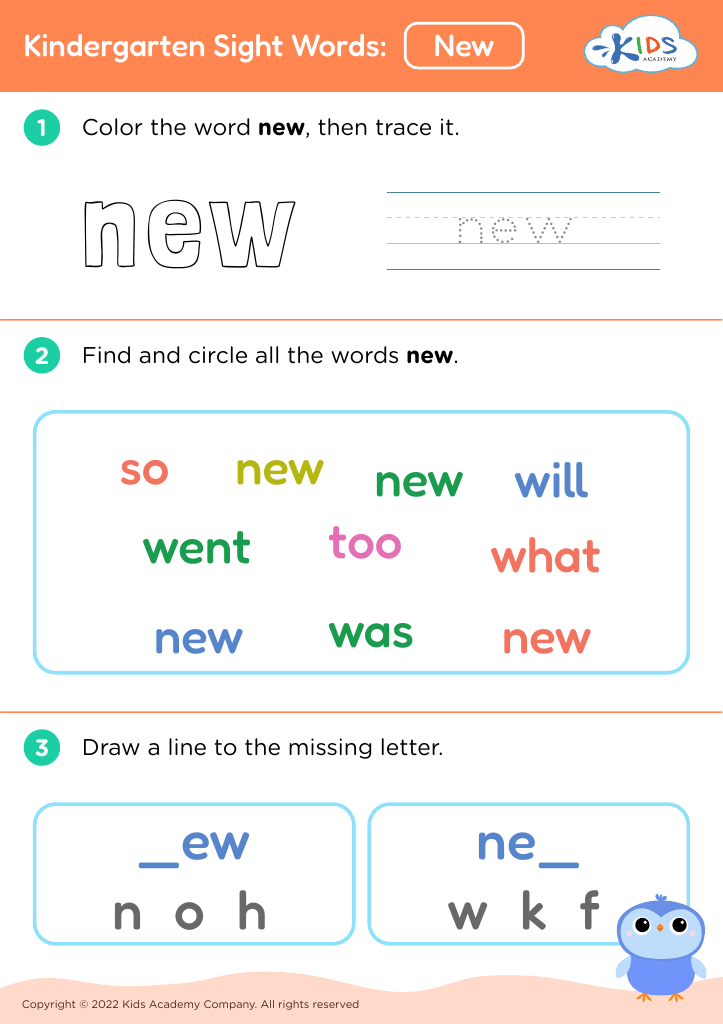






.jpg)

Number identification and vocabulary building are crucial components in the early educational development of children aged 4-7. At this stage, foundational skills are formed that will support later learning in both mathematics and language. Understanding numbers fosters essential skills such as counting, recognizing quantities, and developing problem-solving abilities. When children can identify numbers, they begin to appreciate their relevance in everyday life, such as in pricing, time management, and measurement.
Conversely, developing vocabulary expands a child's ability to express their thoughts and ideas. A strong vocabulary aids in reading comprehension, enhances communication skills, and allows children to articulate their findings and questions confidently. Teachers and parents play a vital role in this dual process through engaging activities, including games and storytelling, that intertwine counting and word recognition.
By supporting both number identification and vocabulary building, educators and parents provide children with the tools they need to succeed academically. These skills not only lay the groundwork for future learning but also promote critical thinking, creativity, and social interaction. Investing time in these areas ensures that children develop into well-rounded individuals ready to face the complexities of both academic and real-world challenges.








