Practice subtraction Building Vocabulary Worksheets for Ages 4-7
3 filtered results
-
From - To
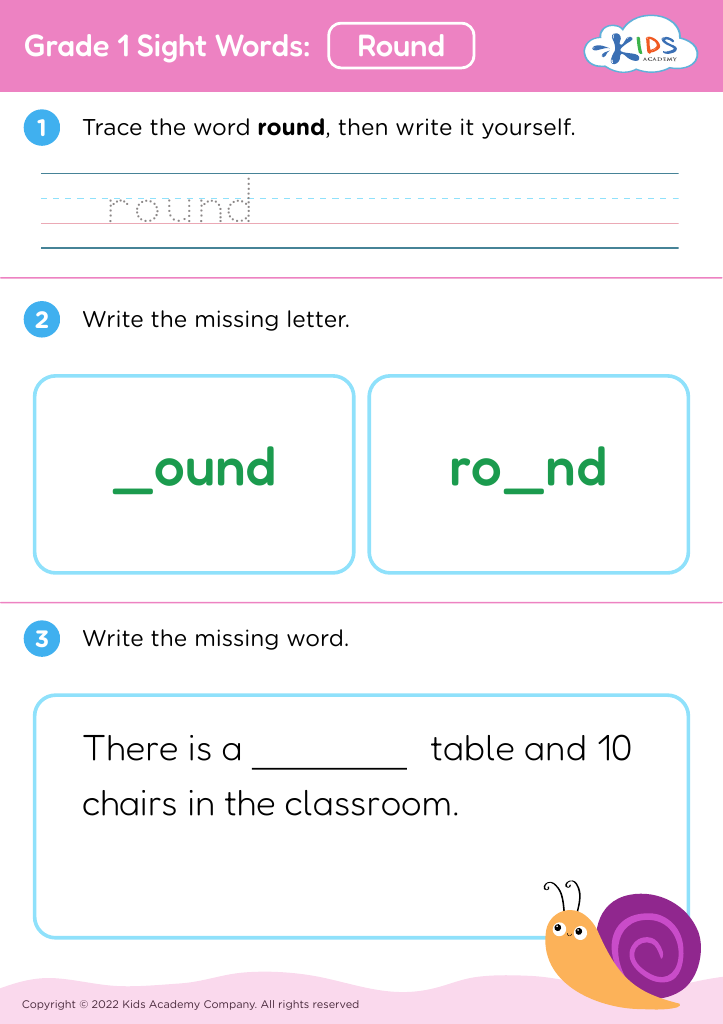
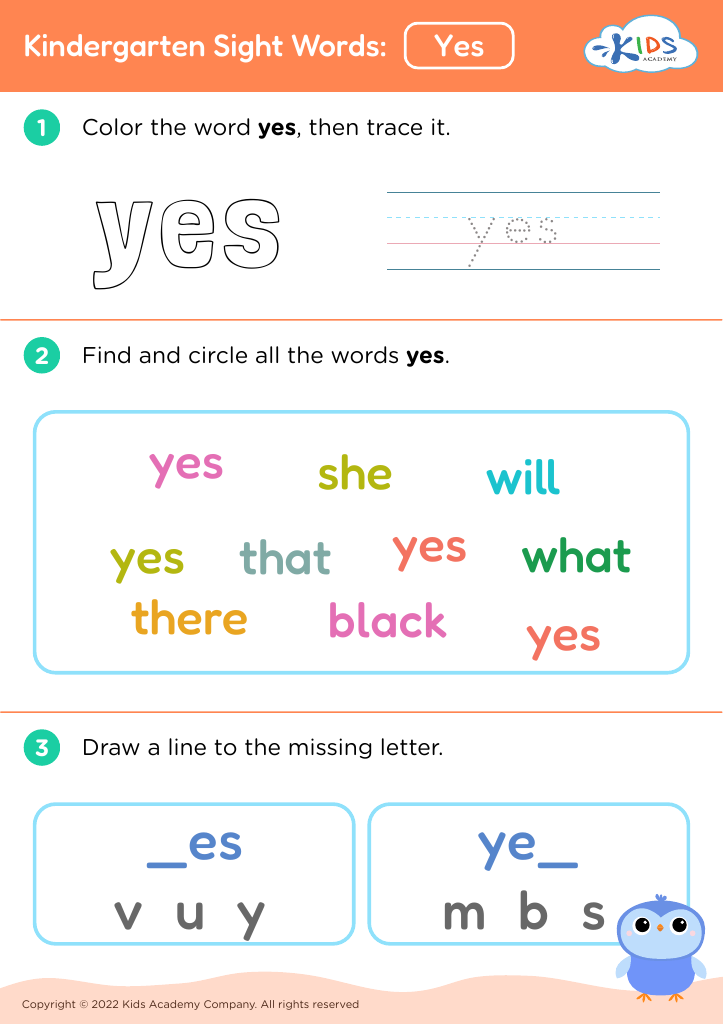
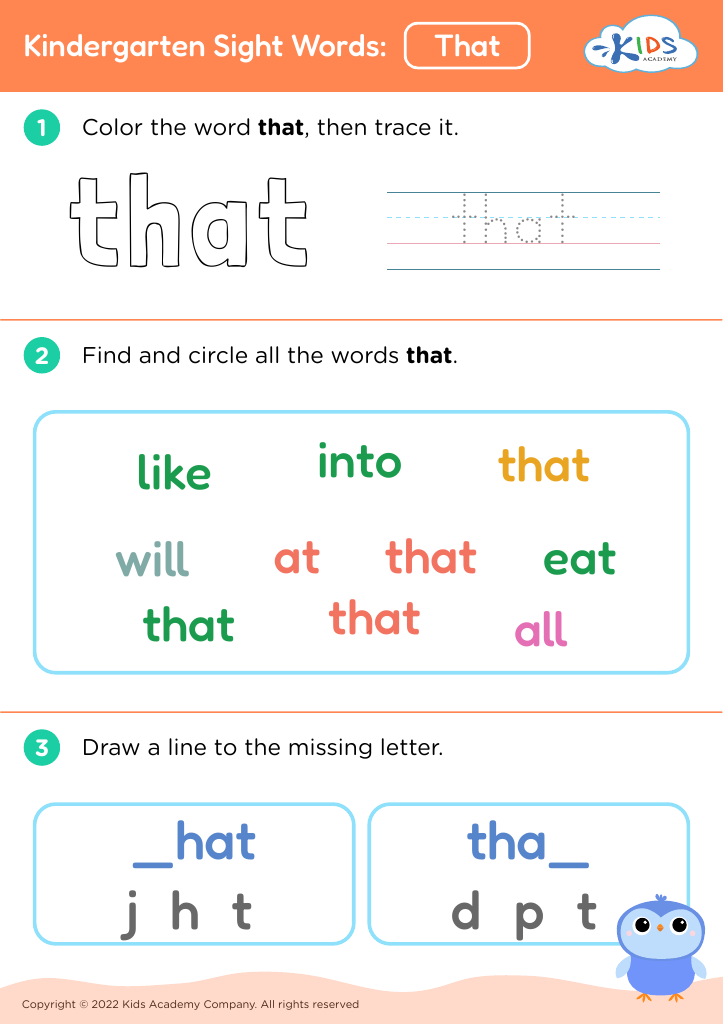
Enhance your child's math skills with our engaging "Practice Subtraction Building Vocabulary Worksheets" designed specifically for ages 4-7. These interactive worksheets seamlessly combine subtraction practice with vocabulary enhancement, making learning fun and effective. Each worksheet features colorful illustrations and relatable contexts, guiding children through foundational subtraction concepts while reinforcing their language development. Ideal for both classroom and home use, our activities encourage young learners to explore numbers and words in a playful atmosphere. Foster a love for learning in your child as they build confidence in subtraction and enrich their vocabulary. Start their educational journey today with our thoughtfully designed resources!














.jpg)




Parents and teachers should prioritize practice in subtraction and building vocabulary for children ages 4-7 because both skills are crucial for early cognitive development. Understanding subtraction lays the groundwork for mathematical literacy, ensuring children can solve problems, understand the concept of "taking away," and later tackle more complex math concepts. Additionally, proficiency in subtraction encourages logical thinking and boosts confidence as children progress in their learning.
Simultaneously, building vocabulary is vital at this age as it is linked to comprehension, communication, and social interaction. A richer vocabulary helps children articulate their thoughts and feelings, engage with peers, and better understand instructions in an educational setting. When children combine their growing language skills with math, they can better express their understanding of concepts, ask questions, and share discoveries.
Moreover, integrating subtraction practice with vocabulary building can create a more engaging and holistic learning experience. Activities that promote both skills can help develop critical thinking, problem-solving abilities, and a love for learning. Ultimately, nurturing these skills will empower children to navigate their educational journey, allowing them to connect language with mathematics and building a strong foundational base for future academic success.








