Subtraction practice Building Vocabulary Worksheets for Ages 4-7
4 filtered results
-
From - To
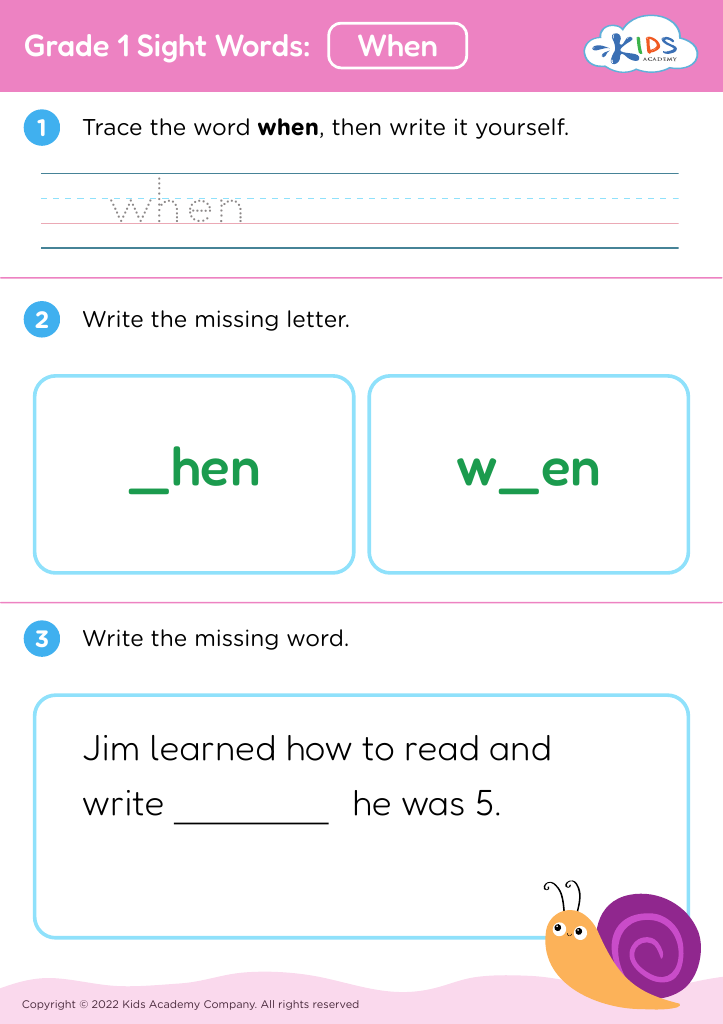
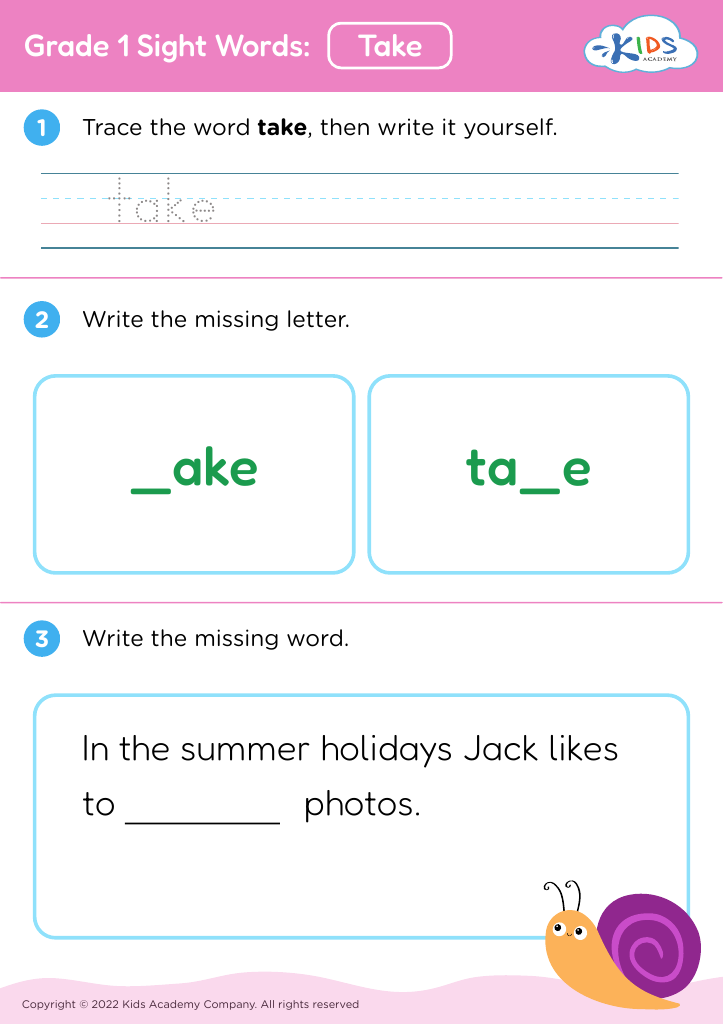
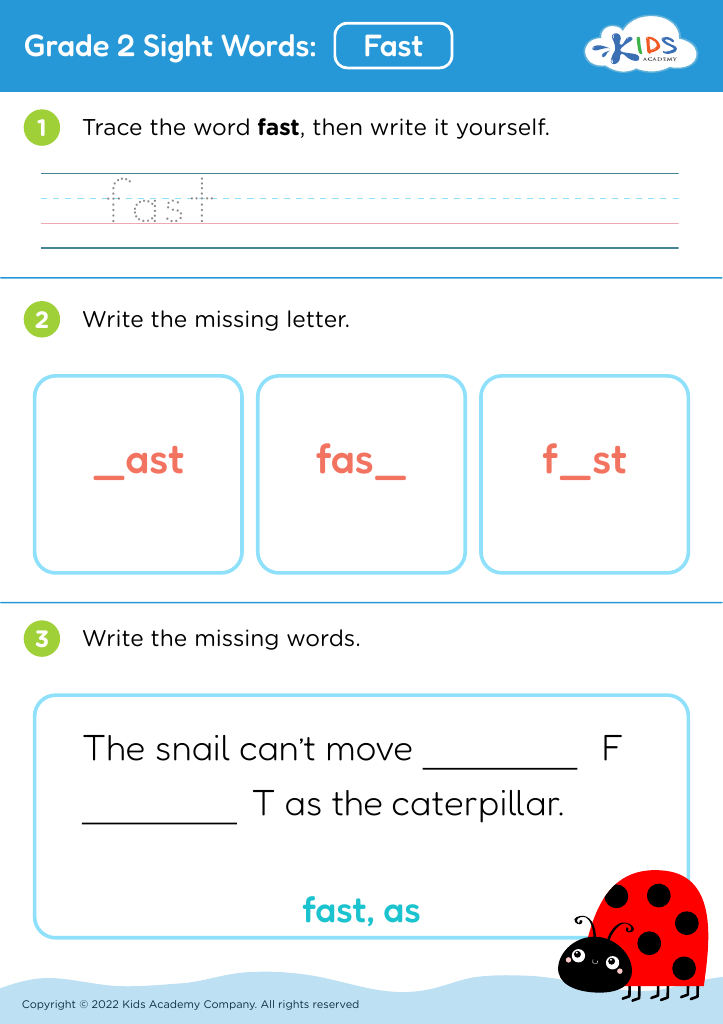
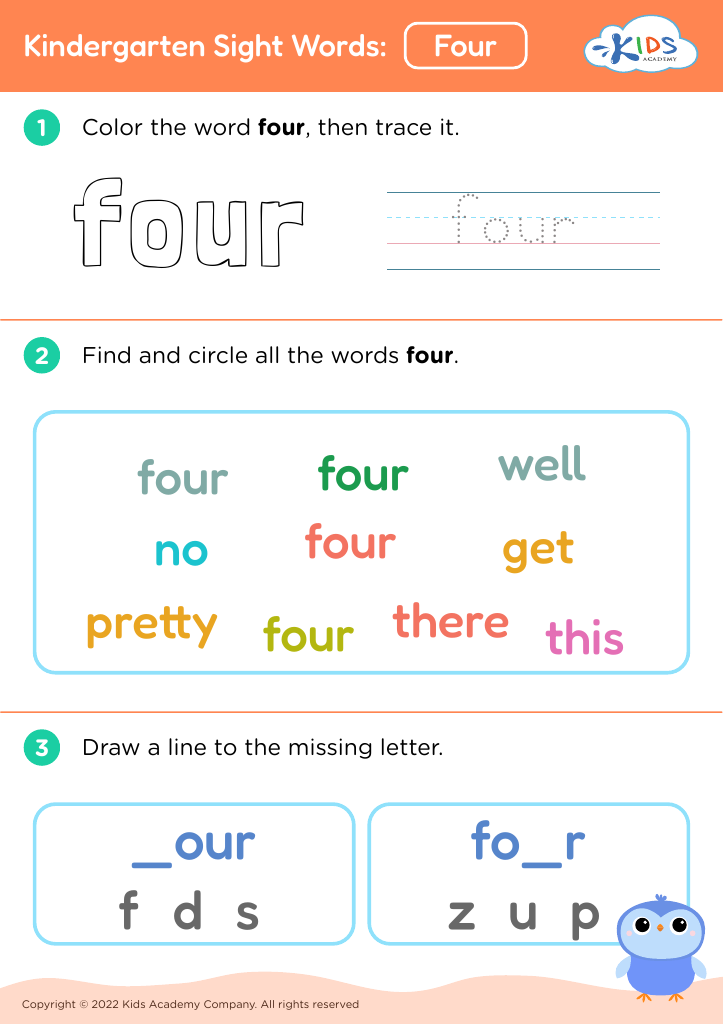
Explore our engaging "Subtraction Practice Building Vocabulary Worksheets" designed for children aged 4-7. These worksheets provide a fun and interactive way to enhance early math skills while also developing vocabulary. Each worksheet is crafted to help young learners grasp subtraction concepts through relatable images and practical exercises. As children solve subtraction problems, they'll also encounter new words, enriching their language development. Perfect for parents and educators alike, these activities make learning enjoyable and effective. Help your child build a strong mathematical foundation and vocabulary with our carefully designed resources that combine play and learning seamlessly. Get started today!



















Subtraction practice is essential for children ages 4-7, not just for developing mathematical skills, but also for enhancing vocabulary and comprehension. As young learners engage in subtraction activities, they often encounter vocabulary such as "take away," "less than," "difference," and "minus." This exposure helps them associate the mathematical concepts with everyday language, reinforcing their understanding of both math and communication skills.
Furthermore, practicing subtraction allows children to articulate their thought processes. They learn to express how many items remain after subtracting, which encourages verbal reasoning and critical thinking. By explaining their strategies and reasoning, they build confidence in their ability to solve problems and share their insights, fostering a love for learning.
Subtraction practice also aids in cognitive development; the skills used during such activities lay a foundational framework for more complex mathematical concepts later on. For parents or teachers, facilitating this practice provides an opportunity to combine math learning with language development, creating a holistic educational experience. This integrated approach not only prepares children for future academic success but also nurtures their ability to communicate effectively. Thus, parents and teachers should prioritize subtraction practice to help young learners thrive both in math and language proficiency.








