Color recognition Reading Worksheets for Ages 4-7 - Page 2
29 filtered results
-
From - To
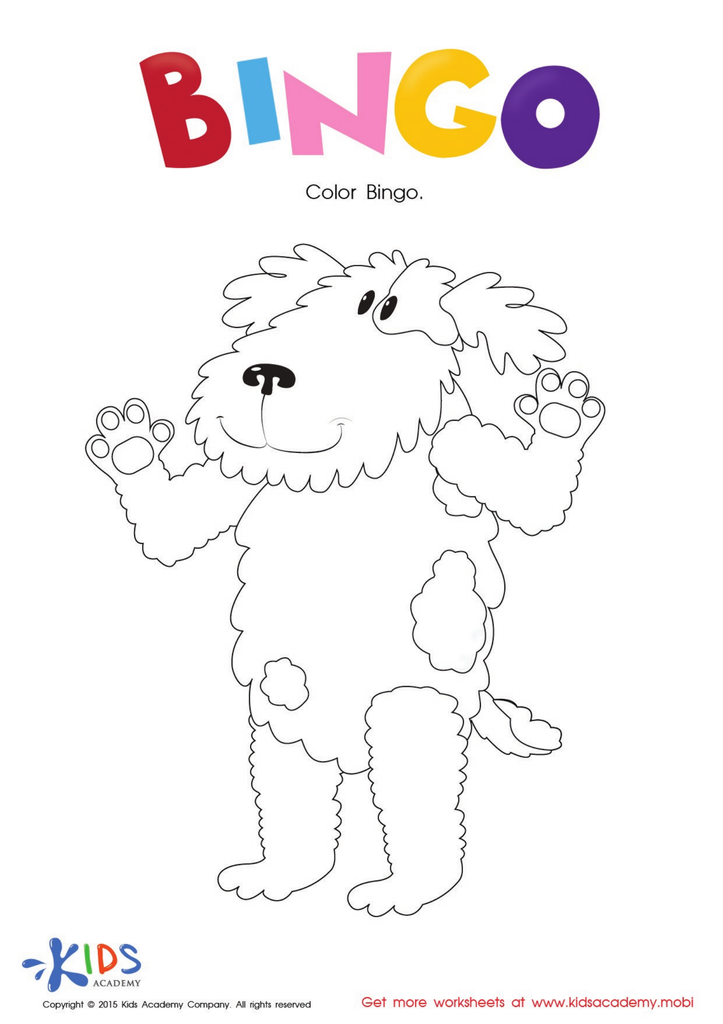
The Bingo Song: Coloring The Dog Worksheet
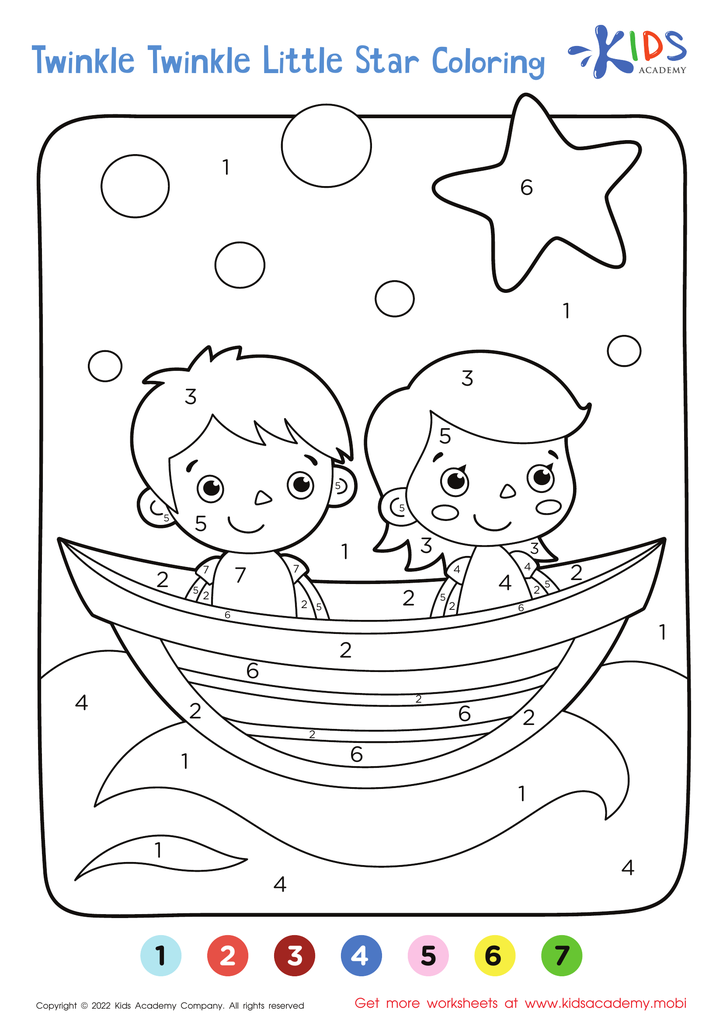
Twinkle, Twinkle, Little Star – Coloring by Numbers
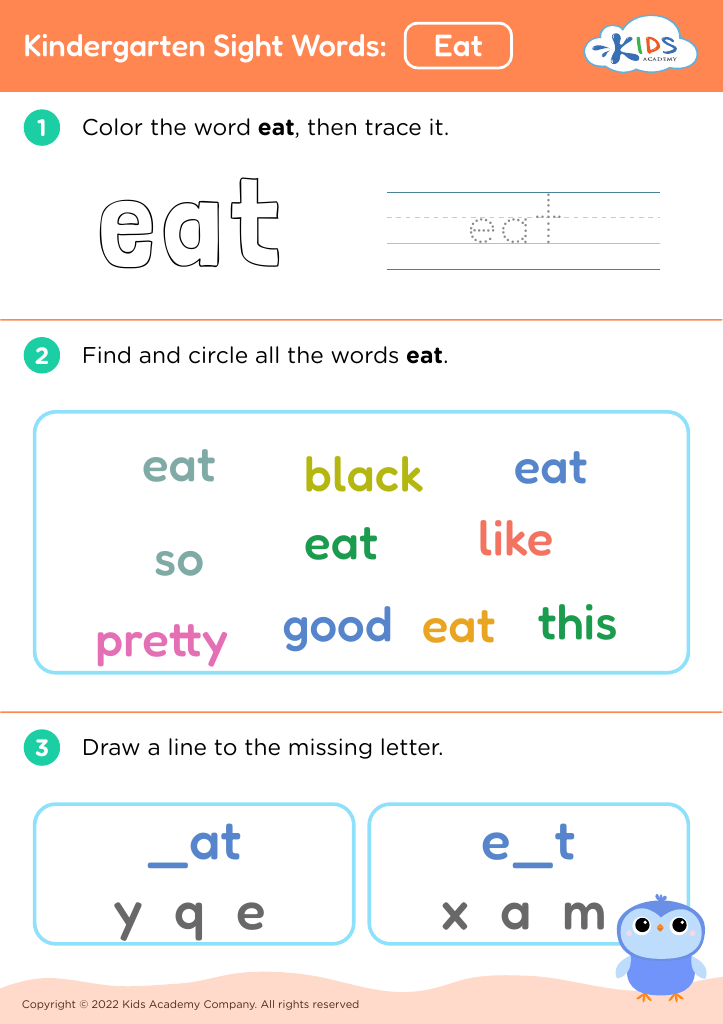








Color recognition is a foundational skill that plays a critical role in early literacy and cognitive development for children aged 4-7. Parents and teachers should care about this concept as it is intricately linked to reading readiness. Understanding colors helps children interpret the visual cues within books, such as illustrations, characters, and settings. This not only enhances comprehension but also creates a richer reading experience.
Furthermore, recognizing and naming colors aids language development, expanding vocabulary and enhancing communication skills. When children describe and discuss colors in relation to objects, they practice constructing sentences and using descriptive language. This skill fosters critical thinking as they learn to make connections between colors and the world around them.
Color recognition also promotes differentiation skills, encouraging children to classify and organize their environment. This ability aids in problem-solving and enhances mental flexibility, which is crucial for literacy development. Additionally, engaging in activities centered around colors, such as art and interactive games, captivates children's interest and encourages engagement in learning.
In short, prioritizing color recognition in early education reinforces foundational skills for reading and comprehension, nurtures cognitive growth, and promotes overall language development, making it an essential focus for parents and teachers alike.








