Counting skills Reading Worksheets for Ages 4-7 - Page 2
31 filtered results
-
From - To
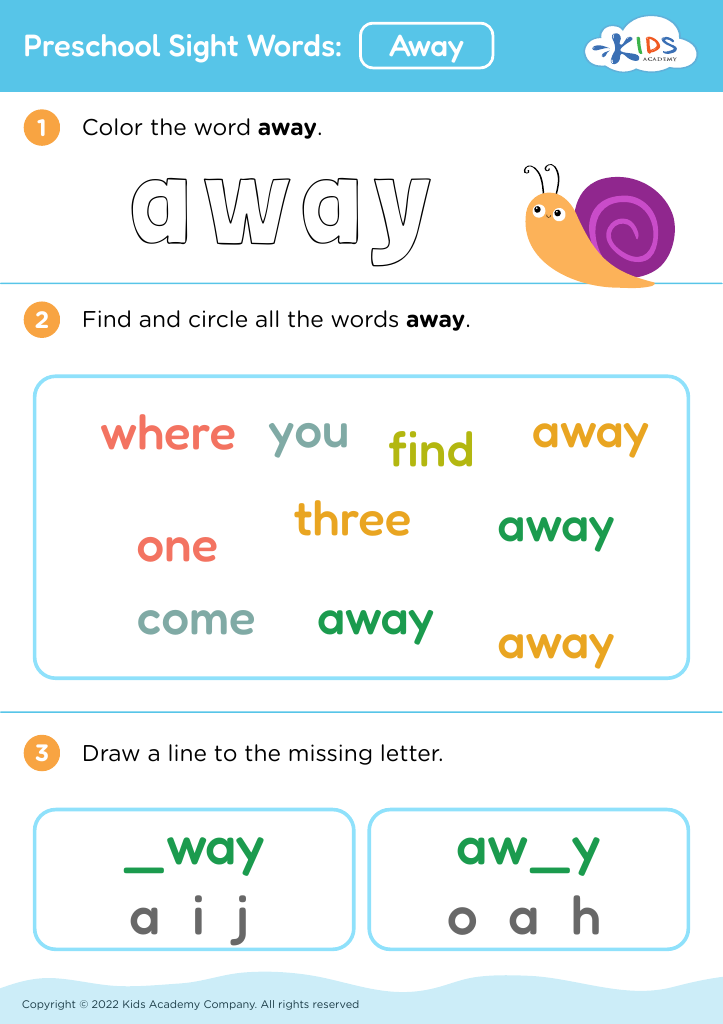
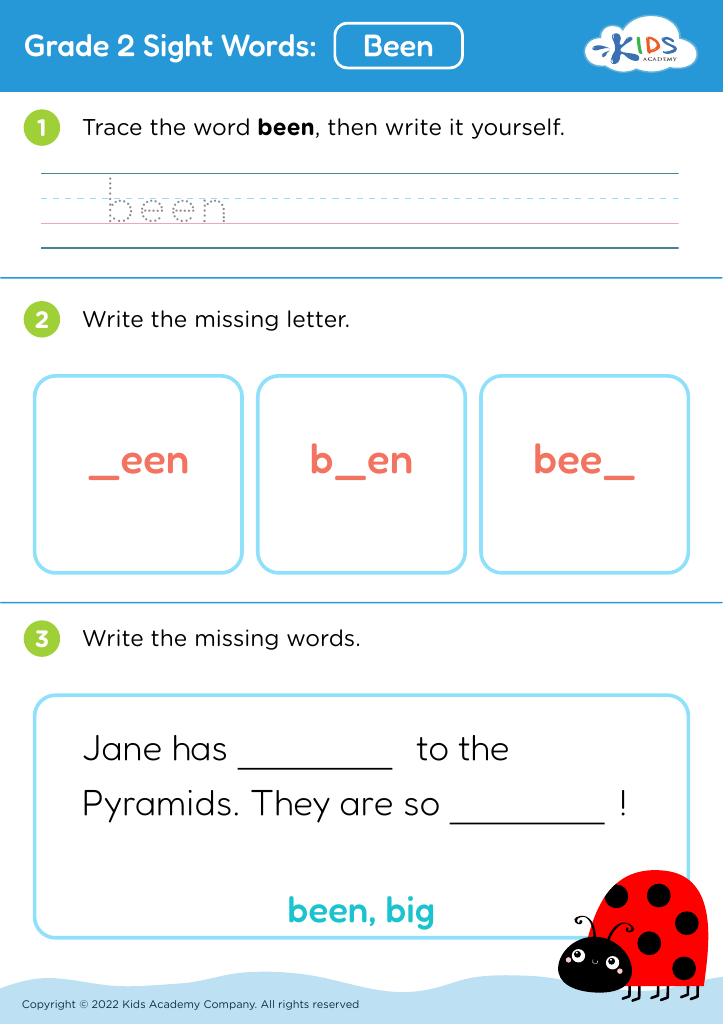
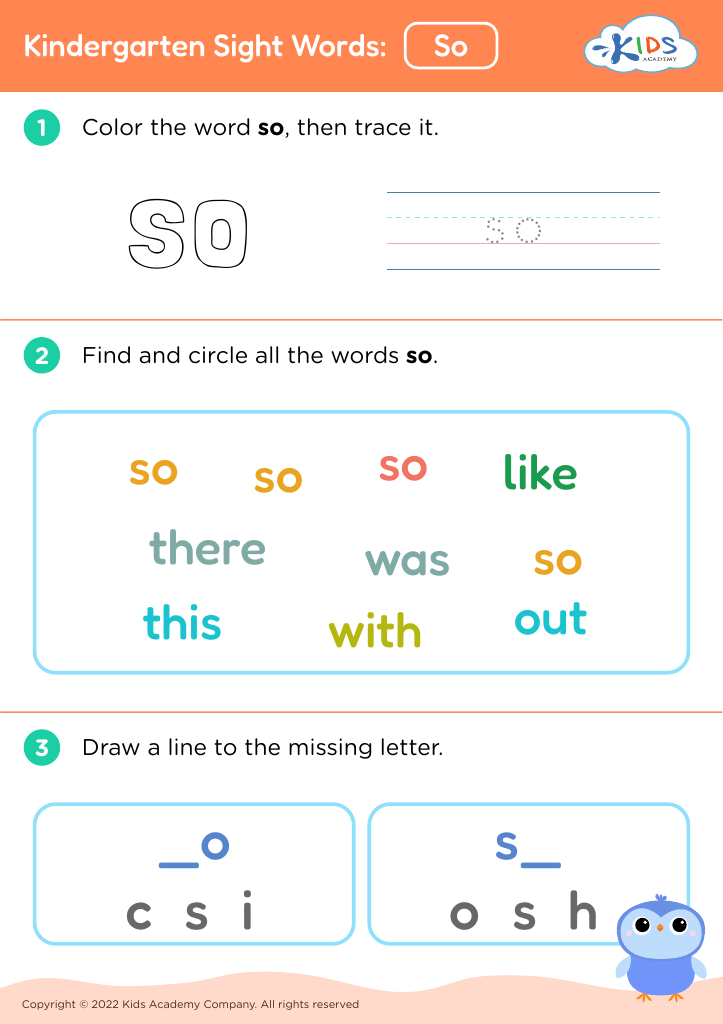
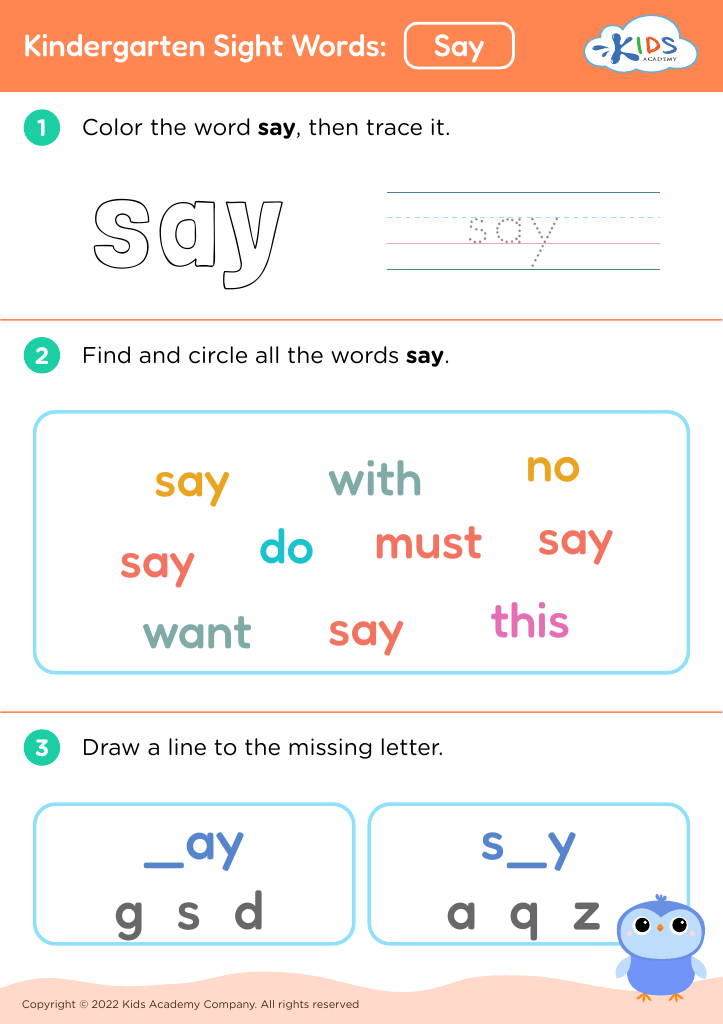
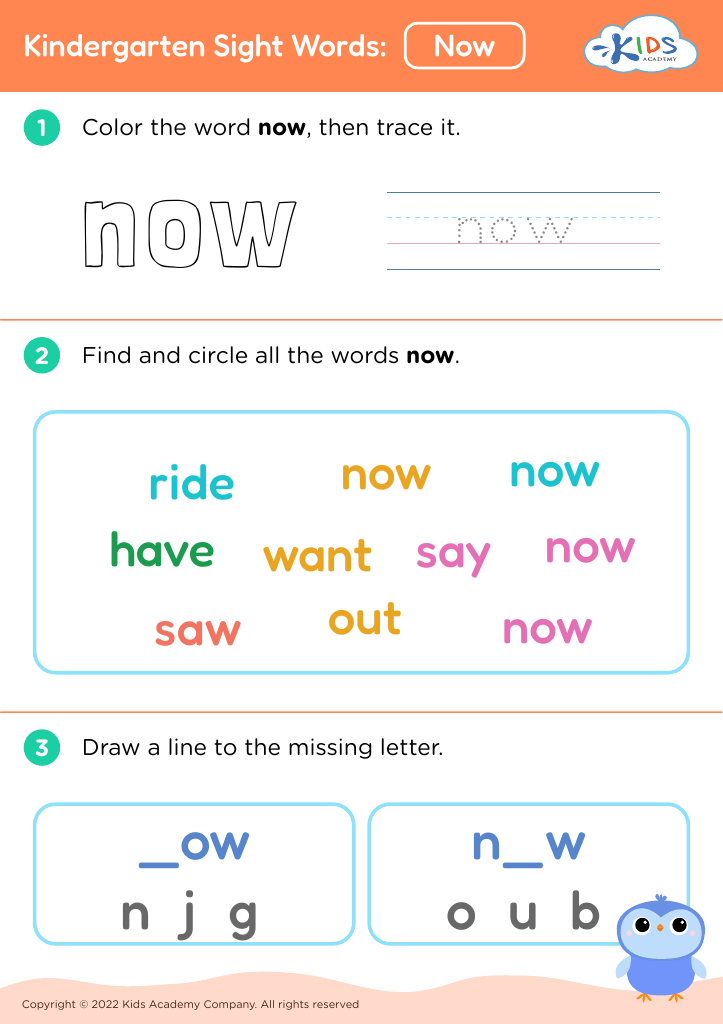
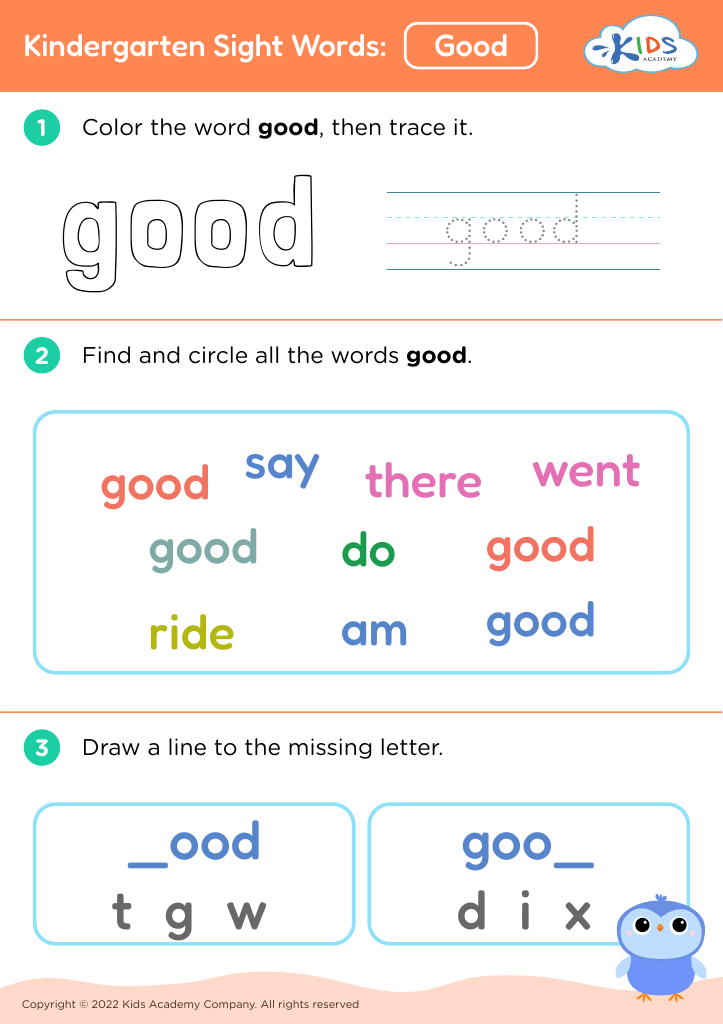
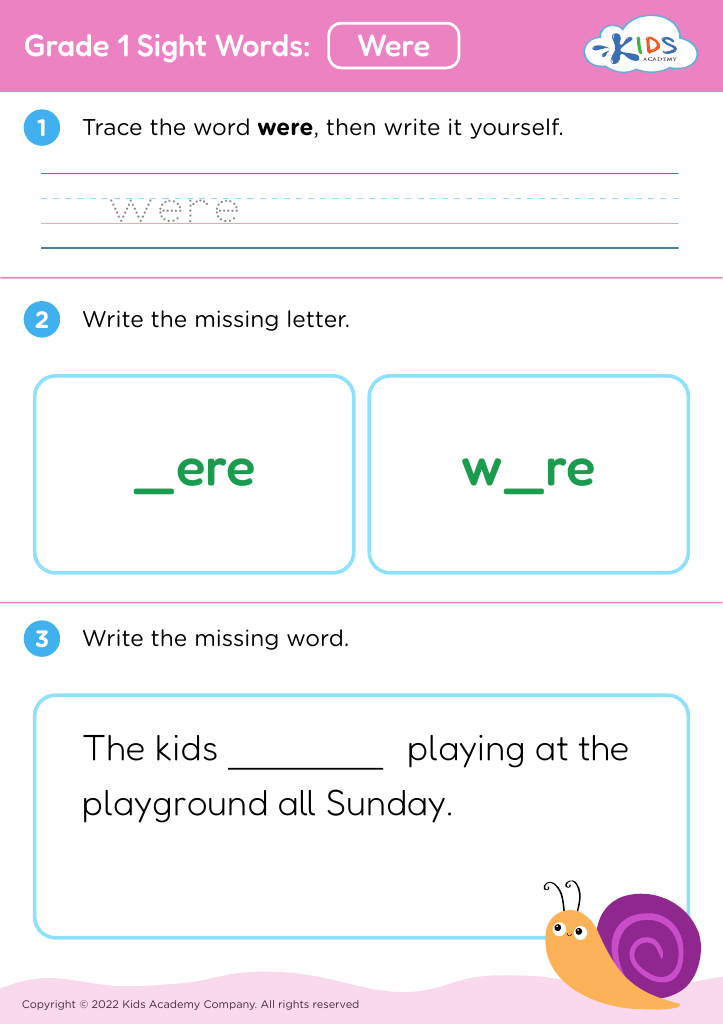








Counting skills and reading ability are foundational elements of early childhood education, particularly for children ages 4-7. Parents and teachers should prioritize these skills as they are crucial for academic success and cognitive development.
Firstly, counting skills foster early numeracy, enabling children to understand basic mathematical concepts. These early lessons in counting aid in developing problem-solving abilities and logical thinking. Counting also lays the groundwork for more complex mathematics learned in later grades. When children grasp the idea of numbers and their relationships, they become more confident and proficient in math.
Reading, on the other hand, enhances language acquisition, vocabulary, and comprehension skills. Early readers develop stronger communication abilities and are better prepared to navigate classroom discussions, assignments, and social interactions. Reading not only supports literacy but also exposes children to new ideas and cultures, promoting empathy and critical thinking.
Moreover, strong counting and reading skills are closely related, as they often stimulate each other's growth. Encouraging counting through reading-related activities—like counting objects in picture books—integrates learning and keeps children engaged. Overall, investing time and resources in these skill sets empowers children to reach their full potential academically and socially, setting a solid foundation for lifelong learning.








