Sentence structure understanding Reading Worksheets for Ages 4-7
3 filtered results
-
From - To
Enhance your child’s reading skills with our engaging Sentence Structure Understanding Worksheets, designed for ages 4-7. These worksheets focus on building a solid foundation in sentence formation and comprehension, helping young learners identify subjects, verbs, and essential punctuation. With fun illustrations and interactive activities, children will strengthen their reading abilities while developing critical thinking skills. Each worksheet is crafted to promote active learning and foster a love for reading. Ideal for both classroom and home use, our resources make learning enjoyable and effective. Encourage your child’s literacy journey today with our thoughtfully designed worksheets tailored for early readers!
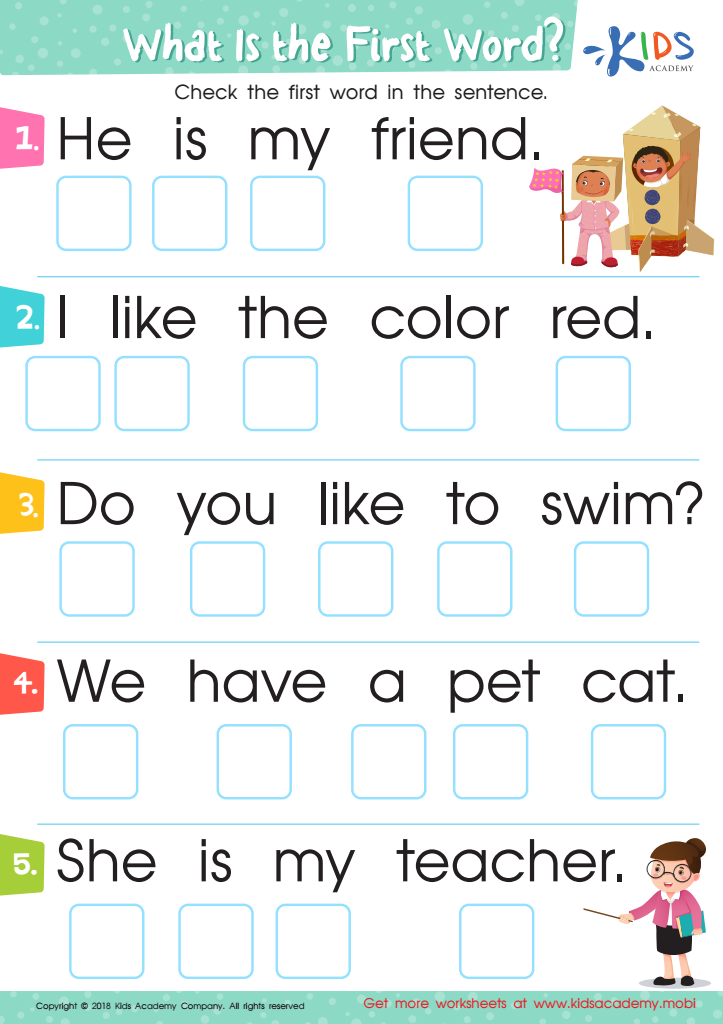
What is the First Word? Worksheet
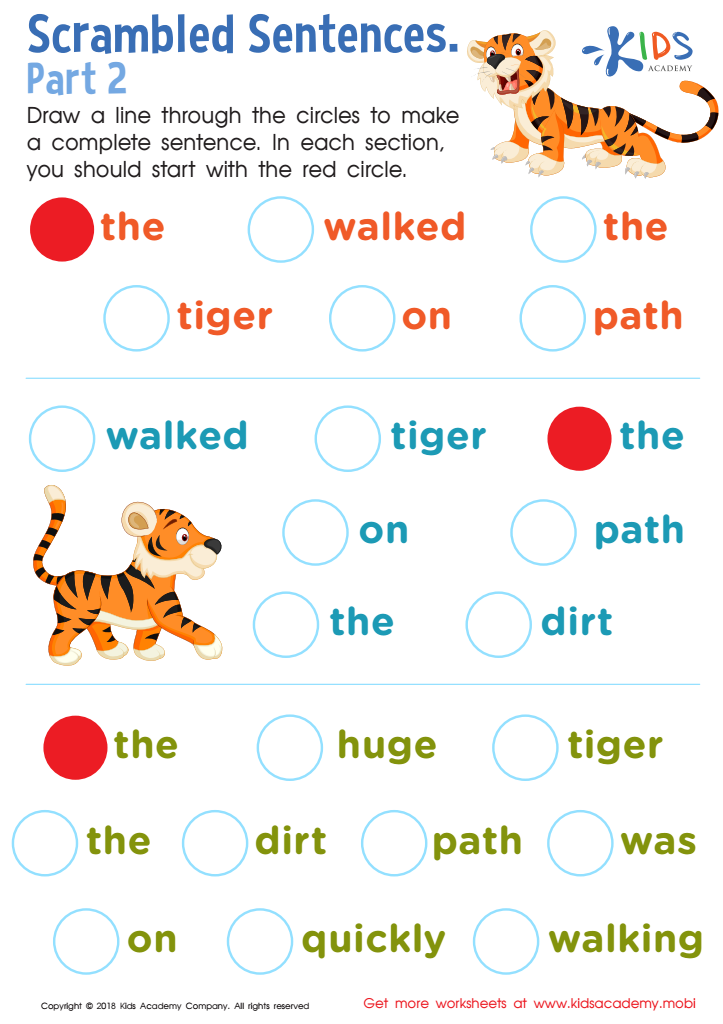
Scrambled Sentences Part 2 Worksheet
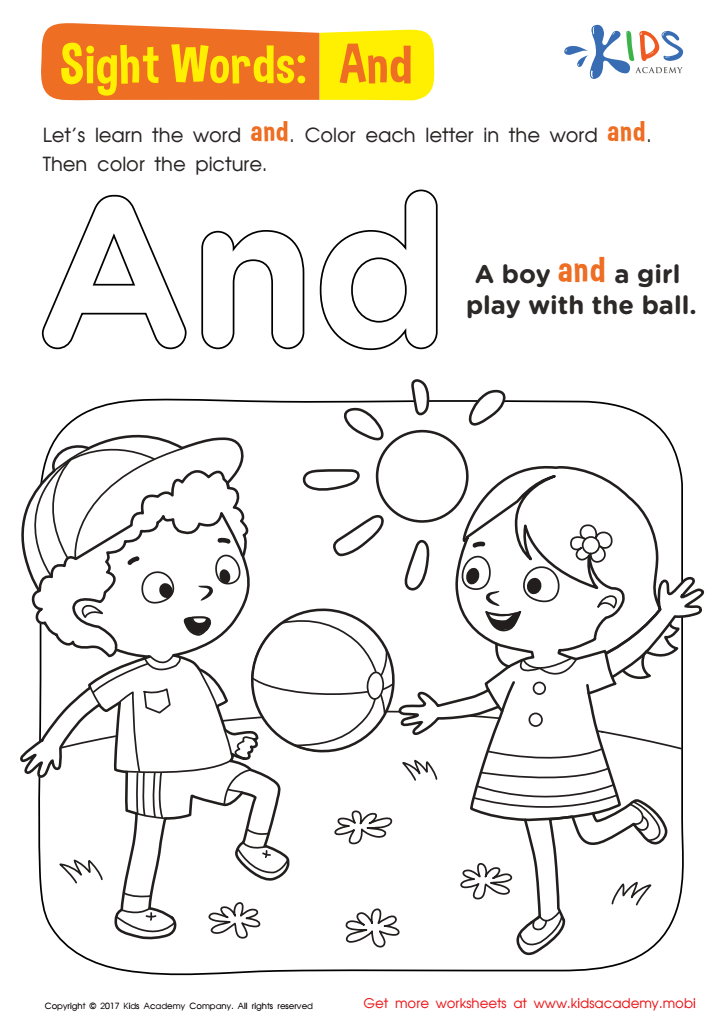
And Worksheet Sight Words Worksheet
 Assign to My Students




.jpg)


Understanding sentence structure is crucial for young readers aged 4-7 as it lays the foundation for effective communication and literacy development. At this age, children are beginning to recognize that sentences convey meaning through the arrangement of words. By grasping sentence structure, children can decode text more efficiently, leading to improved reading fluency and comprehension.
Teachers and parents play a pivotal role in facilitating this understanding. When children are aware of subjects, verbs, and objects in sentences, they can better comprehend the narrative flow and grasp the intended message of the text. Improved sentence structure awareness fosters stronger writing skills, allowing children to express their thoughts clearly and creatively.
Additionally, understanding sentences can enhance critical thinking. Children learn to make connections between ideas, compare and contrast information, and predict outcomes in stories when they grasp how sentences are constructed.
Incorporating activities that focus on sentence structure—such as reading aloud, storytelling, and sentence-building games—can make learning engaging and fun. Overall, fostering an understanding of sentence structure enables young readers to thrive academically and socially, building confidence in their abilities as communicators and learners. This early focus prepares them for future educational success and lifelong literacy skills.








