Understanding context Reading Worksheets for Ages 4-7
6 filtered results
-
From - To
Help young learners enhance their reading comprehension skills with our "Understanding Context Reading Worksheets" designed for ages 4-7. These engaging and interactive worksheets encourage children to infuse meaning into texts by analyzing context clues, improving their vocabulary, and fostering critical thinking. Each worksheet features colorful illustrations and age-appropriate activities that keep students motivated while developing essential literacy skills. Perfect for both home and classroom use, our resources support early readers in navigating stories better, leading to a more confident approach to reading. Unlock fun learning experiences today and equip your child with strategies for decoding meaning in their reading journey!
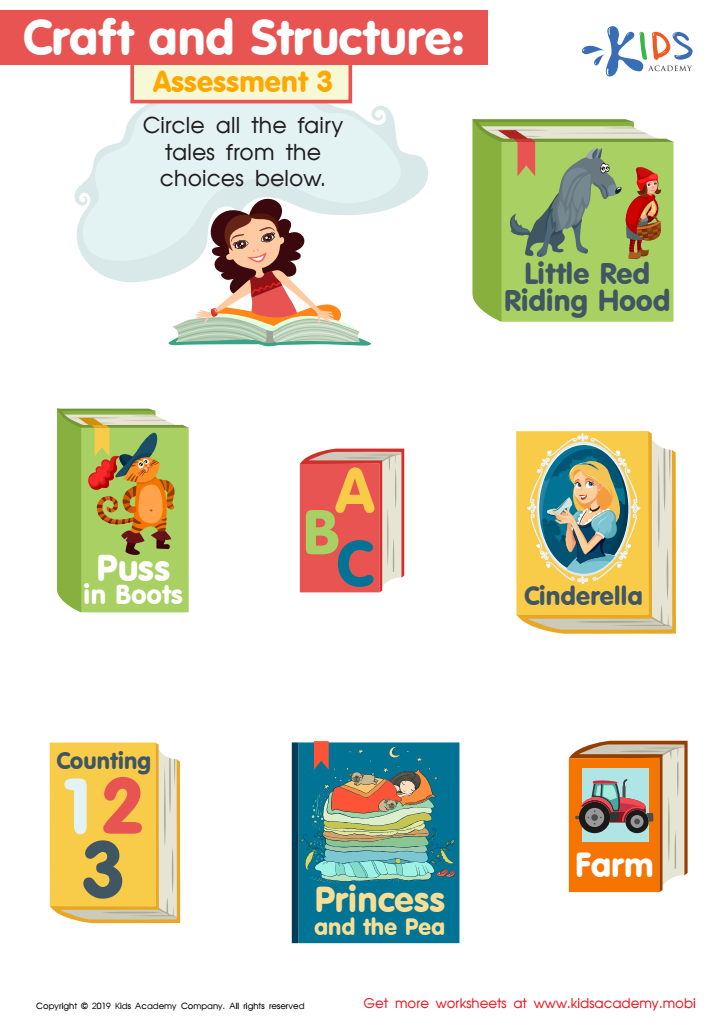
Craft and Structure: Assessment 3 Worksheet
 Assign to My Students
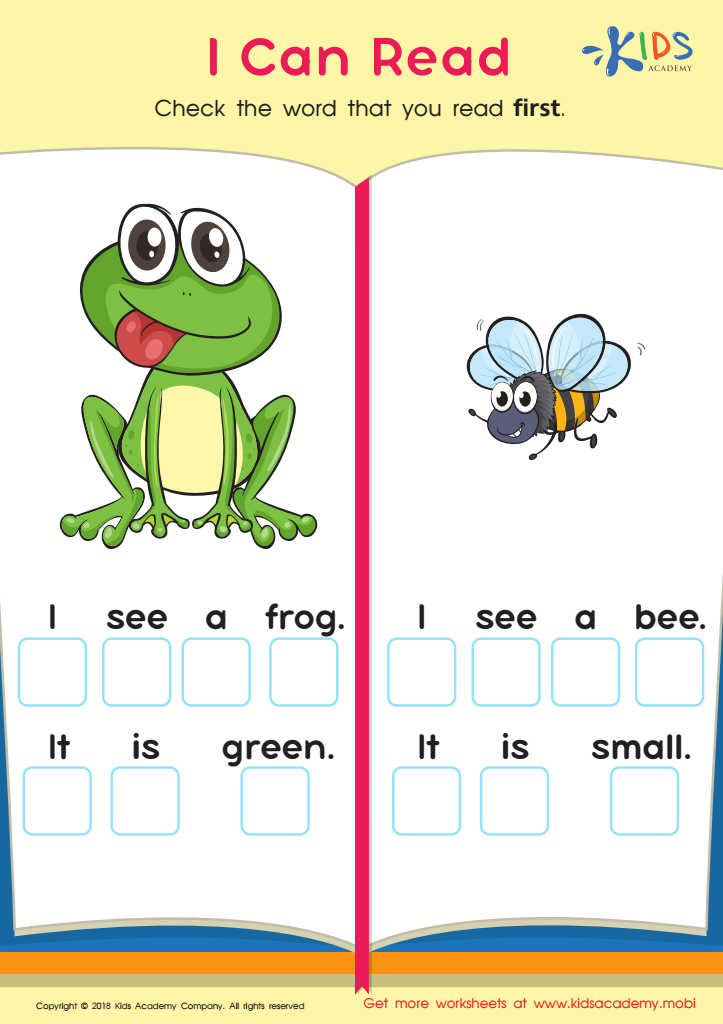
I Can Read Worksheet
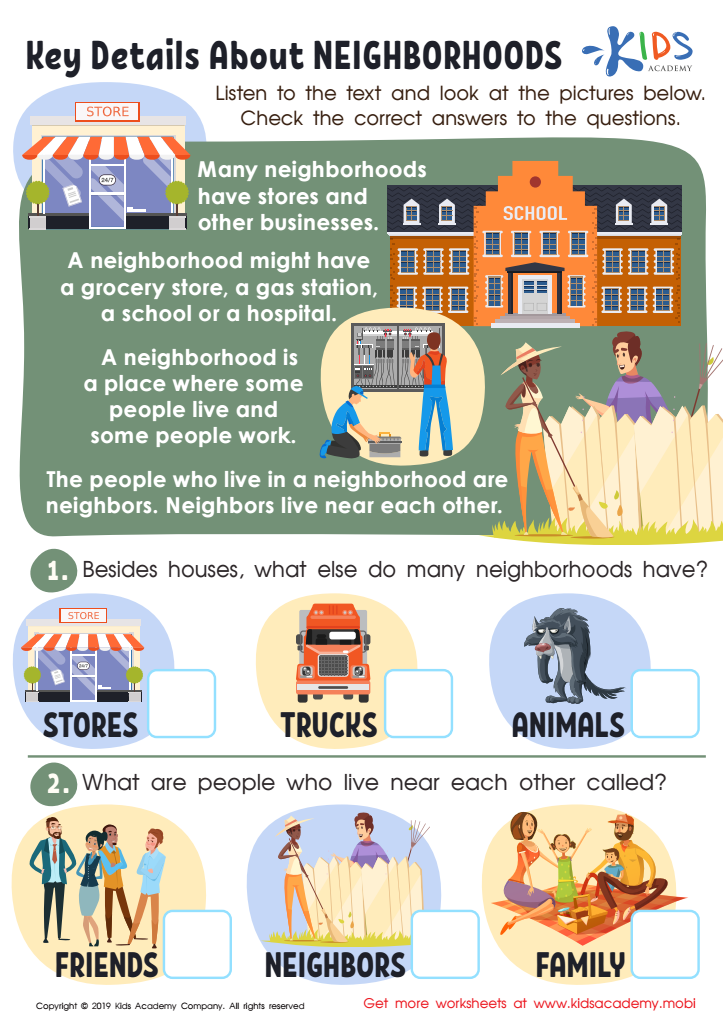
Key Details Neighborhoods Worksheet
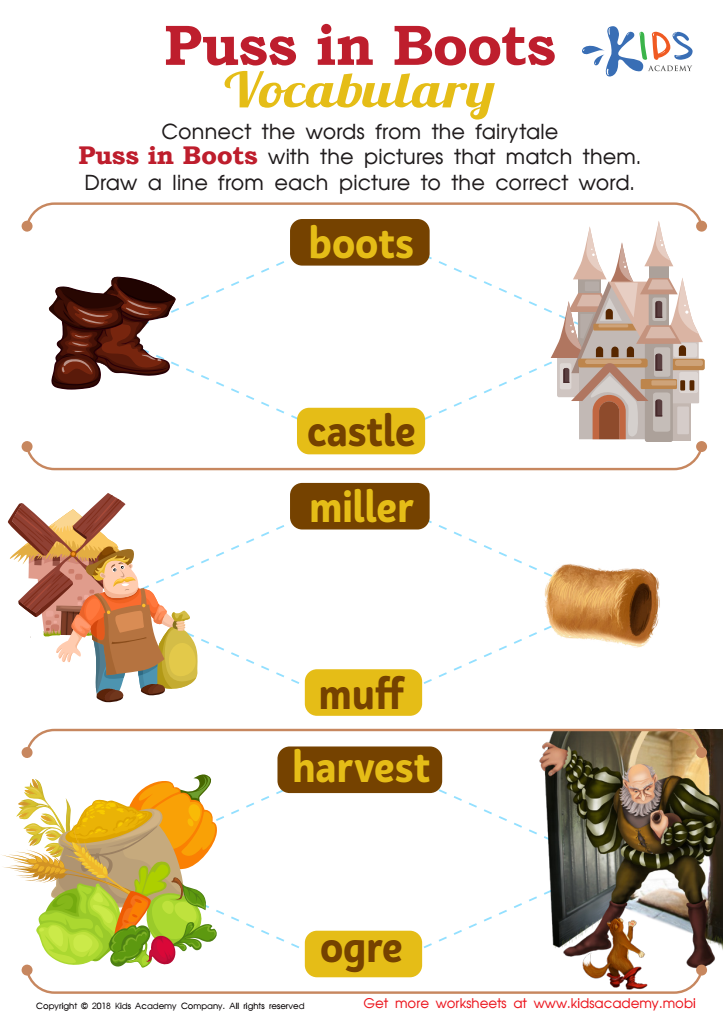
Puss in Boots Vocabulary Worksheet
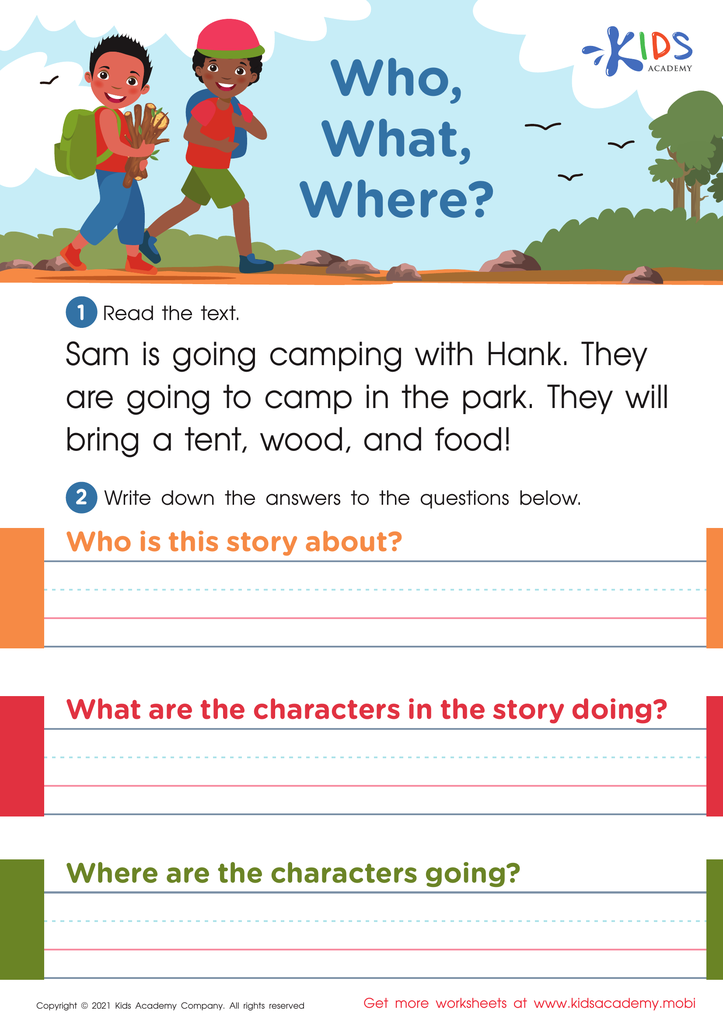
Who, What, Where? Worksheet
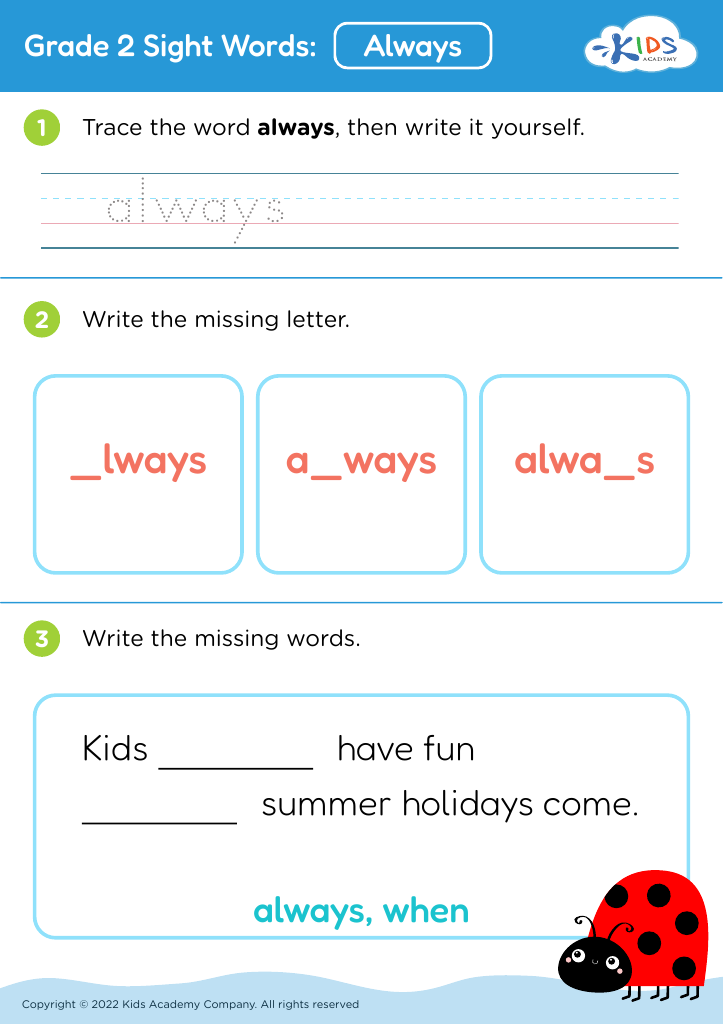






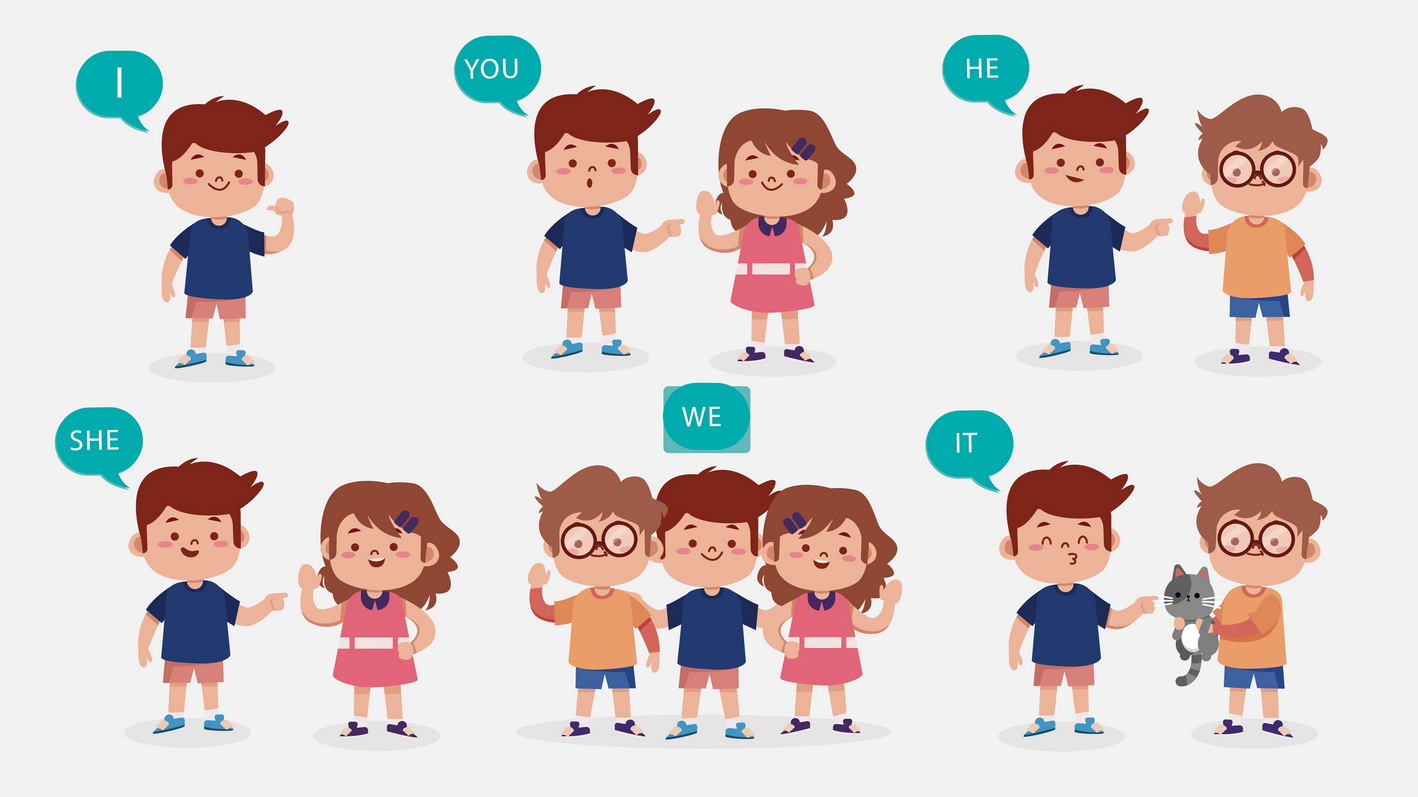

Understanding context is crucial for children aged 4-7 as it significantly enhances reading comprehension and overall literacy development. At this age, children are beginning to connect words and sentences to their real-world experiences. When parents or teachers emphasize context, they help children grasp the meaning behind the words, making reading more engaging and relevant.
Contextual understanding aids children's ability to infer meaning, recognize themes, and relate stories to their own lives, fostering deeper connections with the text. This skill is essential not only for improving vocabulary but also for enhancing critical thinking skills. When children learn to discern the setting, emotions, or motivations within a story, they develop a broader understanding of human experiences and perspectives.
Moreover, a strong grasp of context can boost a child's confidence in their reading abilities. As they learn to navigate narratives and identify clues, they become more independent readers, capable of tackling increasingly complex texts. For parents and teachers, supporting this development lays a firm foundation for lifelong reading habits and academic success. Ultimately, prioritizing contextual understanding nurtures a love for stories and ignites children's imaginations, setting them on a path for continuous learning and growth.








