
Understanding patterns Reading Worksheets for Ages 4-7
8 filtered results
Difficulty Level
Grade
Age
-
From - To
Subject
Activity
Standards
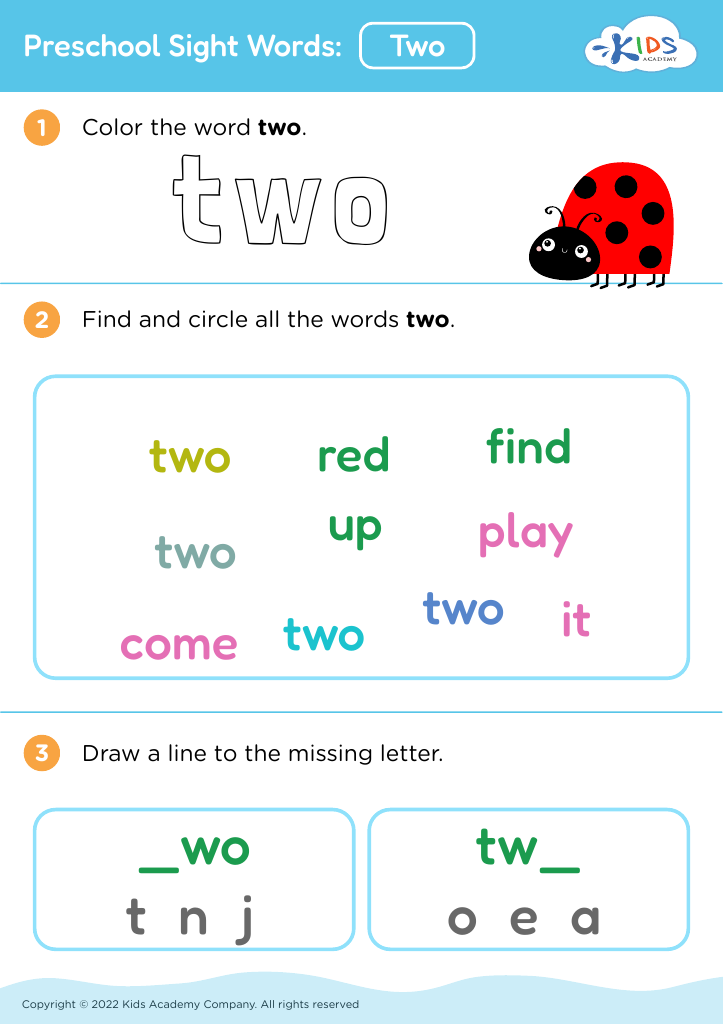
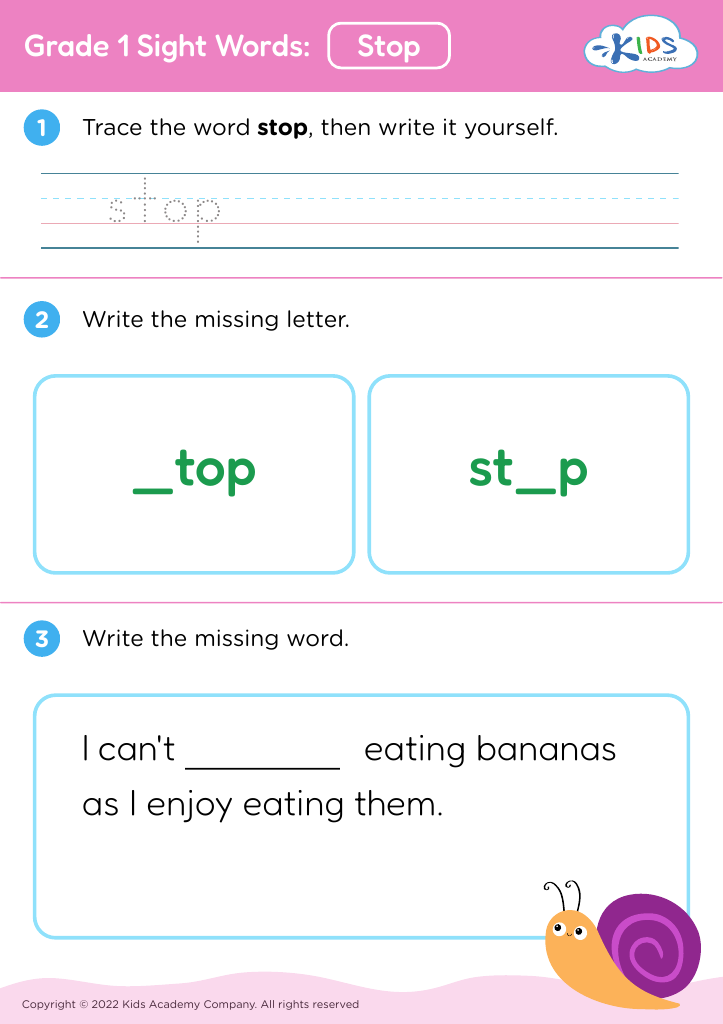
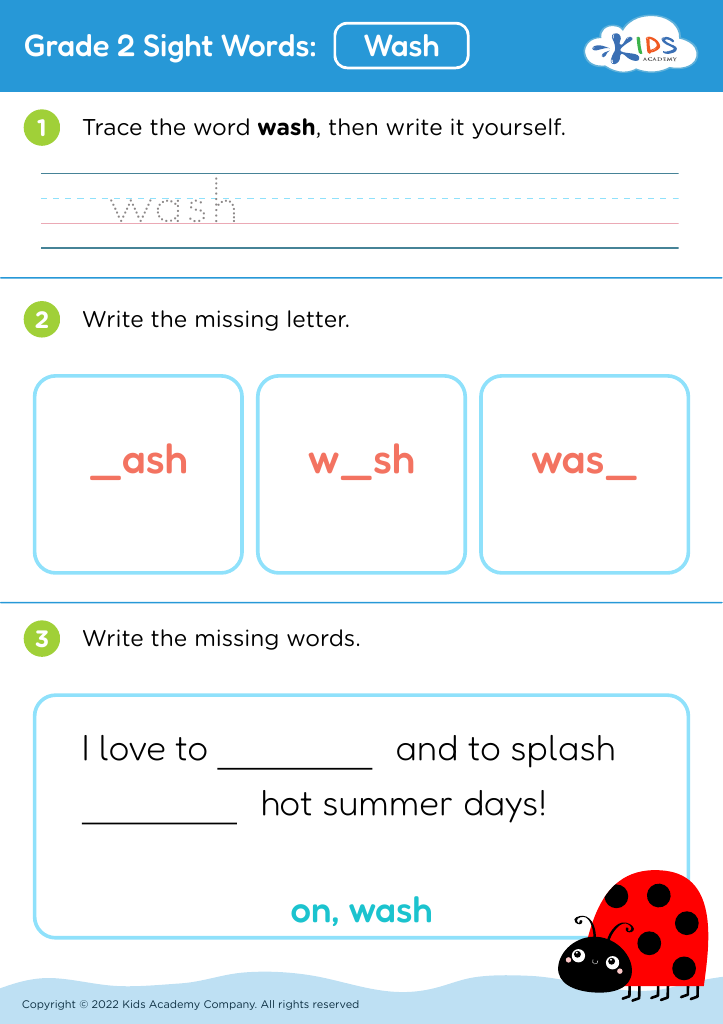
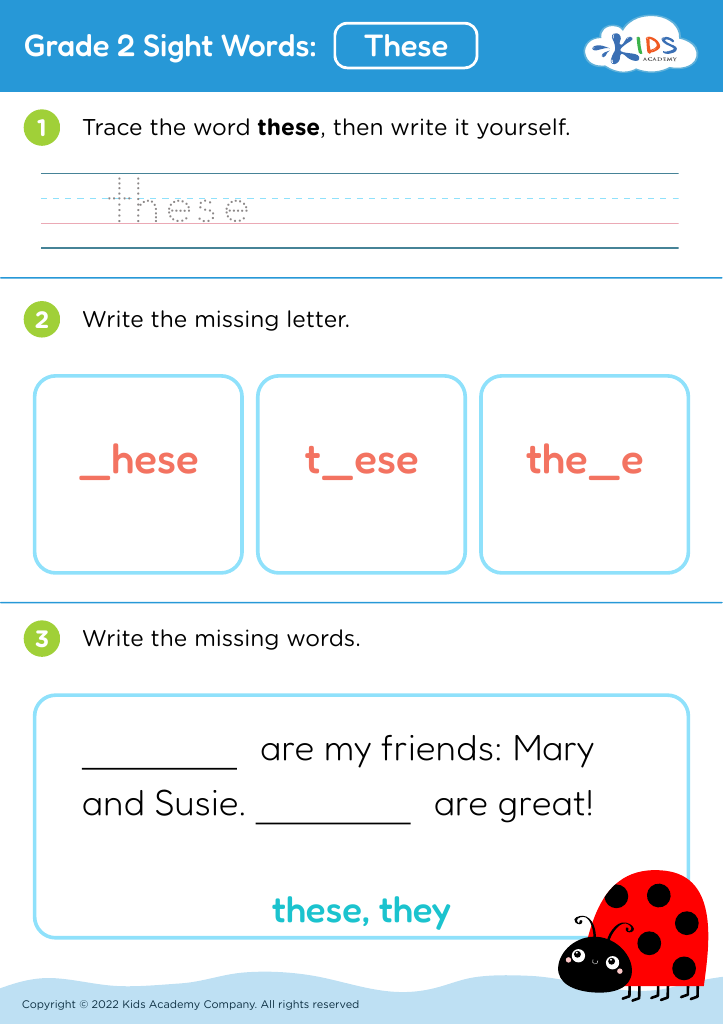
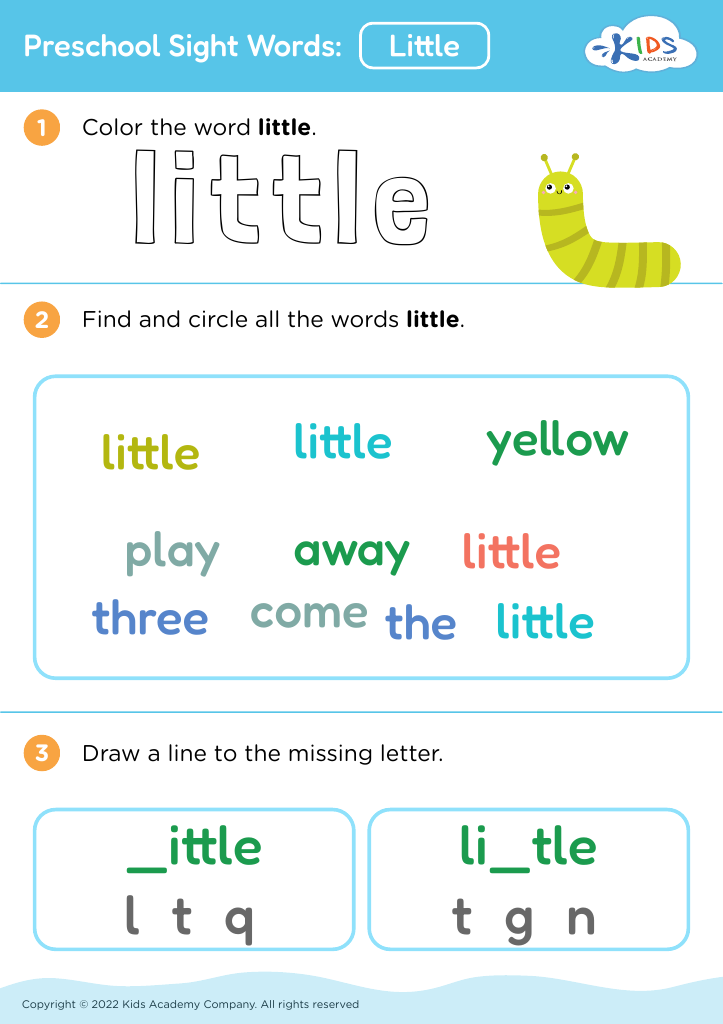
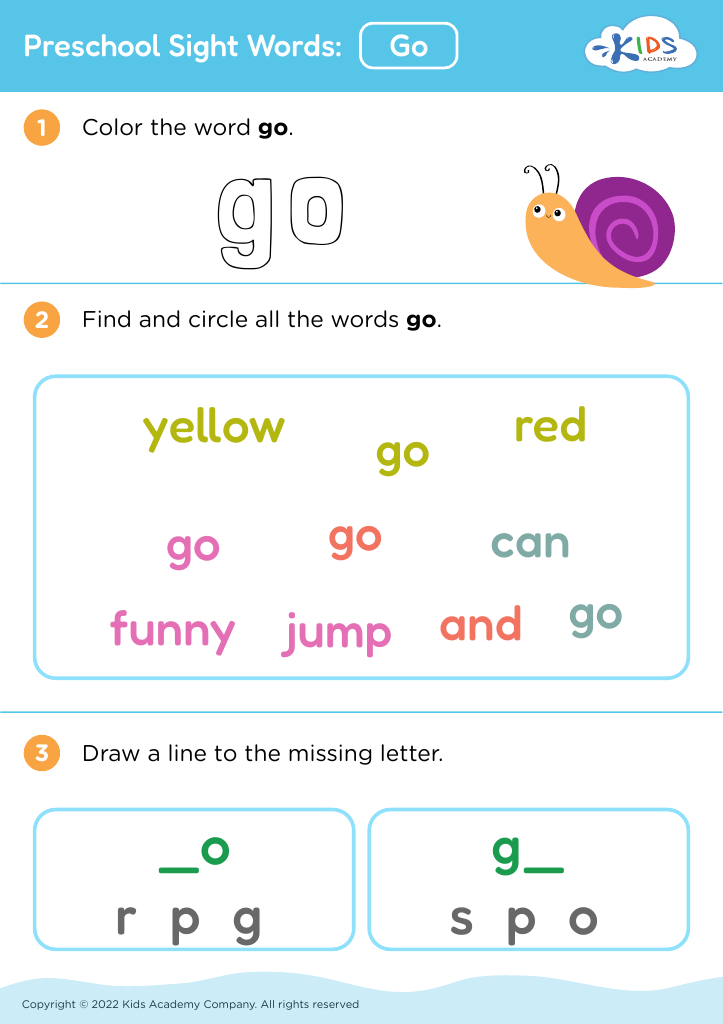
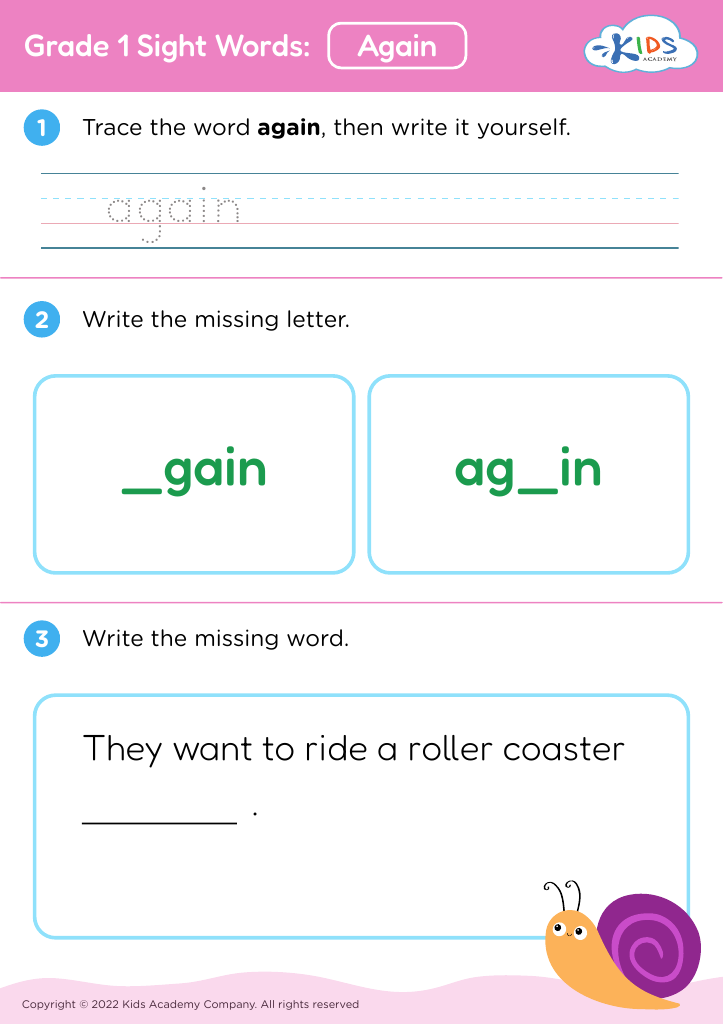
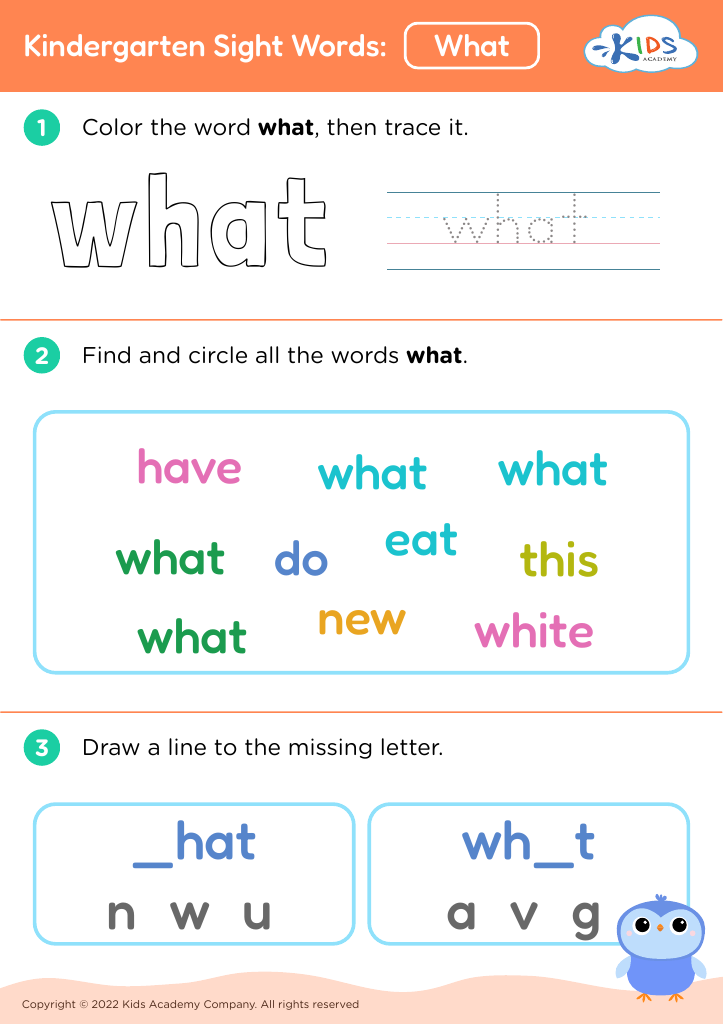
Discover our engaging "Understanding Patterns" reading worksheets designed for children ages 4-7! These interactive resources help young learners recognize and comprehend patterns in text, enhancing their reading skills and boosting critical thinking. Each worksheet features captivating illustrations and fun exercises that promote pattern recognition, fostering a deeper understanding of story structures and word sequences. Ideal for classroom use or at-home learning, our worksheets provide an effective way to support early literacy development. Encourage your child's love for reading while developing essential skills with our easy-to-use and beneficial materials. Start exploring today and watch their confidence soar!
Favorites
With answer key
Interactive
Join Kids Academy for Free
Who is primarily going to use this learning content?







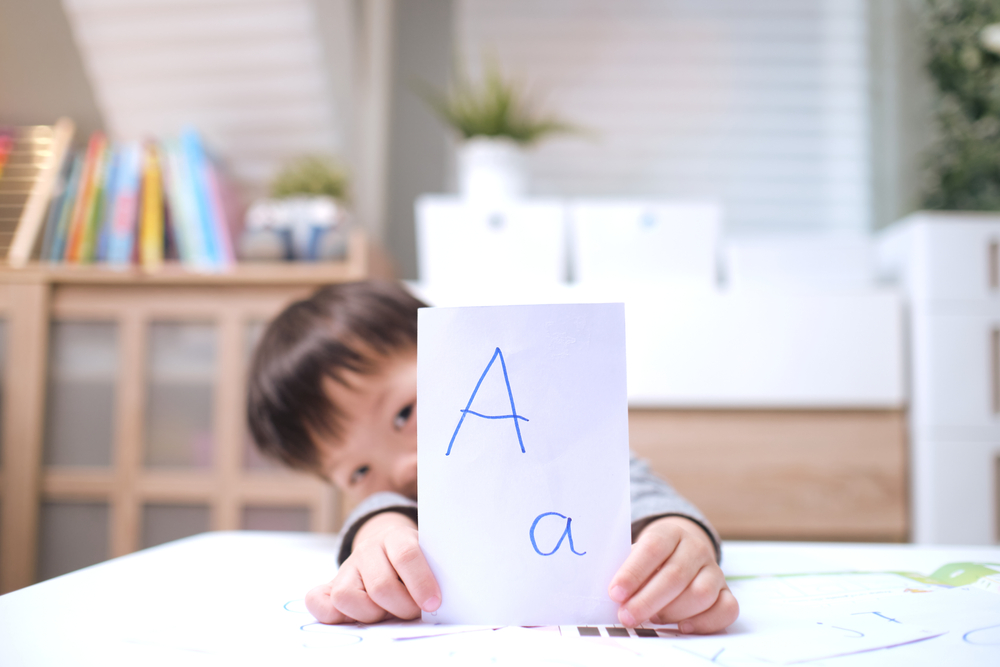
Understanding patterns in reading is fundamental for young learners aged 4-7, and it's vital for both parents and teachers to recognize this importance. Early exposure to patterns helps children develop essential literacy skills, fostering their ability to recognize letter sequences, phonics, and word formations. As they identify patterns in language, they gain confidence and fluency, which are crucial for reading comprehension.
Moreover, pattern recognition extends beyond letters and words; it plays a significant role in understanding narrative structures and themes. Discussing story patterns enables children to predict outcomes, enhancing critical thinking and engagement with texts. By embracing thematic consistency and repetitive structures in stories, children build a cognitive framework they can apply across various reading materials.
Additionally, encouraging children to create their own patterns—whether through storytelling or illustrative activities—nurtures their creativity and improves communication skills. This holistic approach contributes to a well-rounded understanding of text and context. Therefore, parents and teachers who prioritize pattern recognition in reading not only equip children with foundational literacy skills but also foster a love for reading, nurturing lifelong learners who can think critically and creatively.








