Understanding context Reading Comprehension Worksheets for Ages 4-7
5 filtered results
-
From - To
Explore our "Understanding Context" reading comprehension worksheets designed for children ages 4-7. These engaging activities help young learners develop essential reading skills by focusing on the meaning behind words and phrases in various contexts. Each worksheet encourages critical thinking and boosts vocabulary through fun exercises that relate to everyday experiences. By enhancing their ability to infer meaning from text, children will build confidence in their reading abilities and foster a love for literature. Perfect for home or classroom use, our resources provide a solid foundation for future reading success. Start your child's journey towards becoming a skilled reader today!
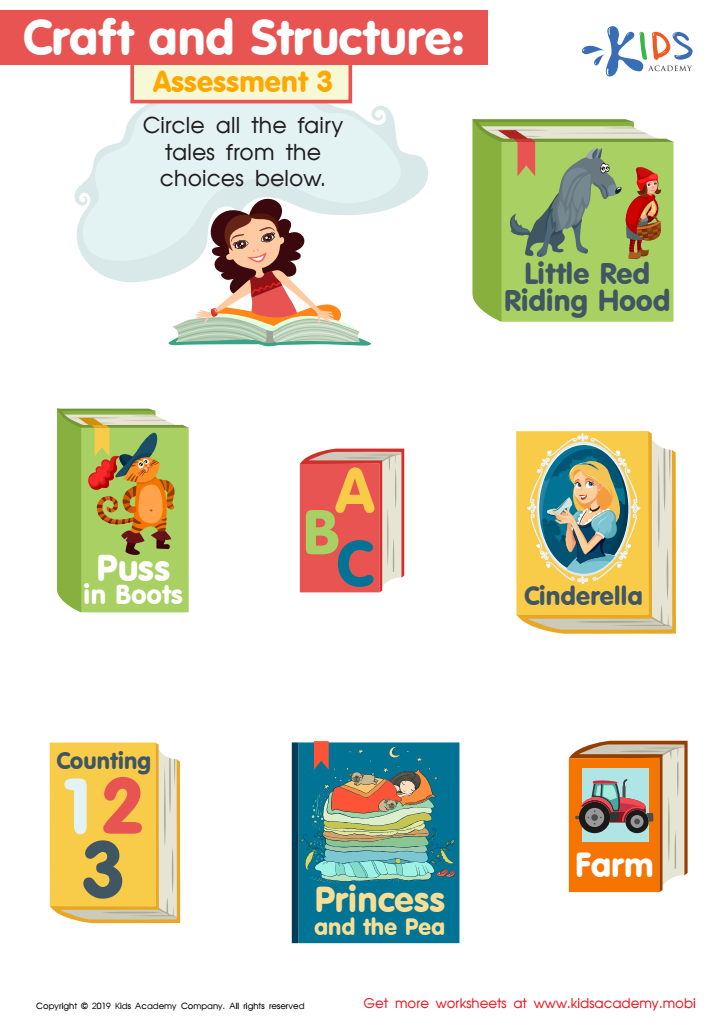
Craft and Structure: Assessment 3 Worksheet
 Assign to My Students
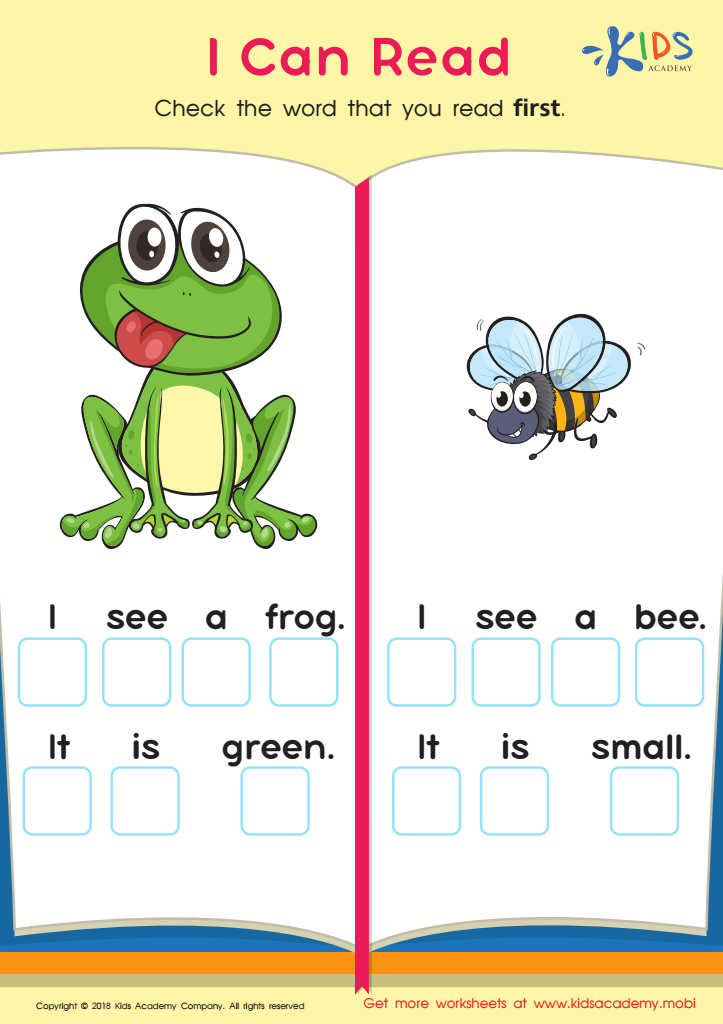
I Can Read Worksheet
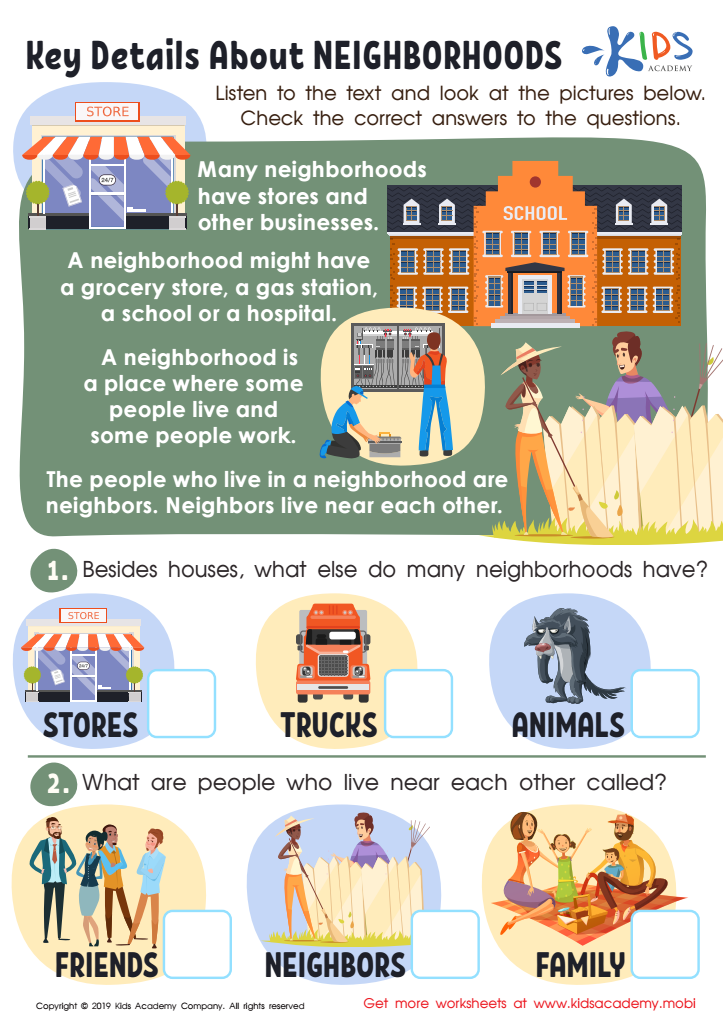
Key Details Neighborhoods Worksheet
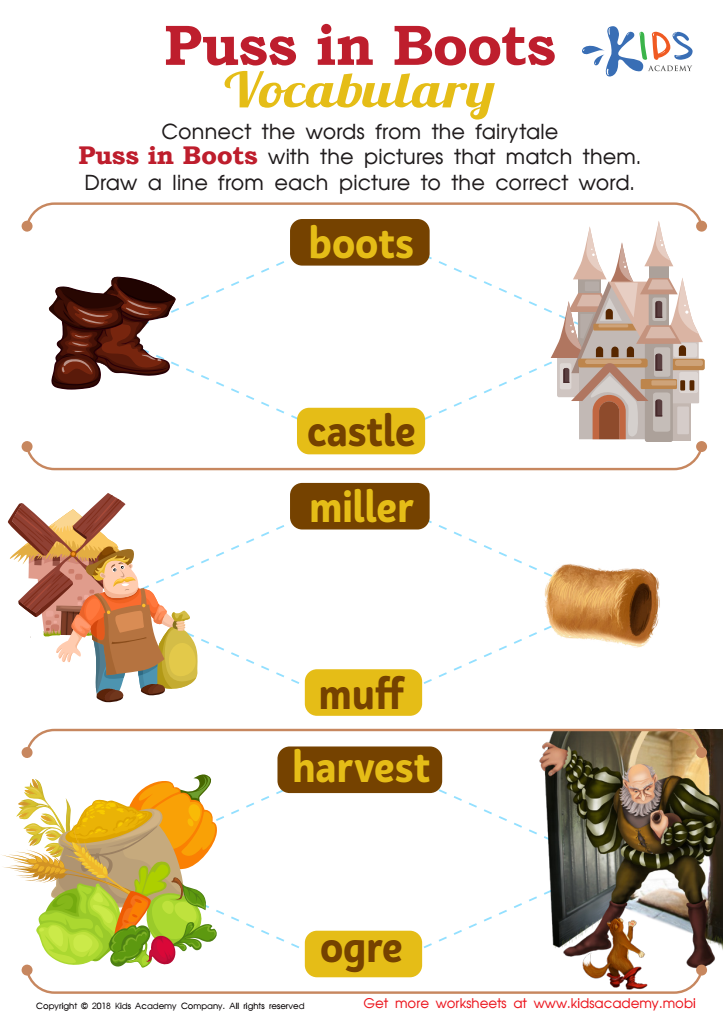
Puss in Boots Vocabulary Worksheet
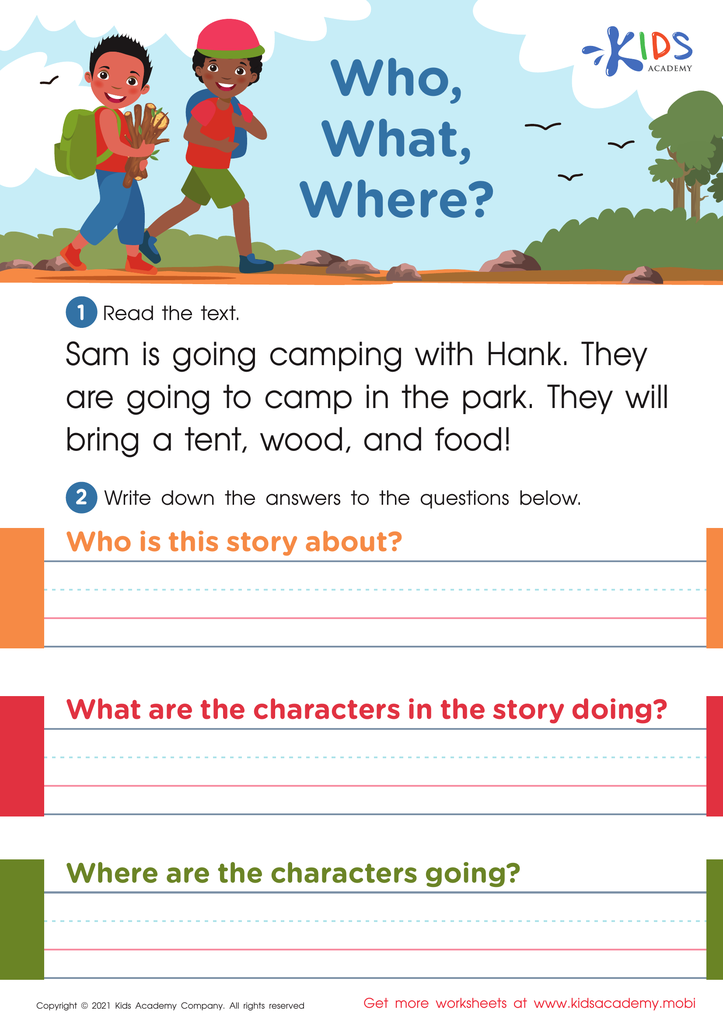
Who, What, Where? Worksheet








Understanding context is vital for reading comprehension, especially for children aged 4-7. At this developmental stage, children are starting to grasp the connections between words, sentences, and the overall meaning of a text. Parents and teachers should prioritize teaching context because it enhances a child’s ability to predict, infer, and analyze information.
When children understand context, they can draw on their background knowledge and experiences to interpret what they read. This skill not only fosters critical thinking but also encourages a deeper engagement with texts. By helping children learn to identify context clues, parents and teachers can empower them to make sense of unfamiliar words and phrases, promoting vocabulary expansion.
Moreover, reading comprehension at this age lays the foundation for future academic success. Children who can effectively understand context are more likely to enjoy reading, develop a love for books, and struggle less with advanced texts as they grow. Ultimately, teaching context also nurtures emotional intelligence, as children learn to connect characters' experiences to their own lives, fostering empathy.
Investing time in understanding context is essential for building confident, capable readers who view reading as a valuable and enjoyable skill for life.








