Reading Skills Reading Fiction Worksheets for Ages 4-7
5 filtered results
-
From - To
Enhance your child's reading abilities with our engaging Reading Skills Reading Fiction Worksheets tailored for ages 4-7. Specifically designed to foster a love for reading, these worksheets facilitate fluency, comprehension, and vocabulary development. Our activities incorporate fun characters and fascinating stories to keep young readers interested and motivated. Kids will practice predicting outcomes, understanding plots, and recognizing key details while enjoying an educational adventure. These resources not only improve reading skills but also spark imagination and creativity. Support your child's literacy journey with our expertly crafted materials, ensuring a strong foundation for future reading success.
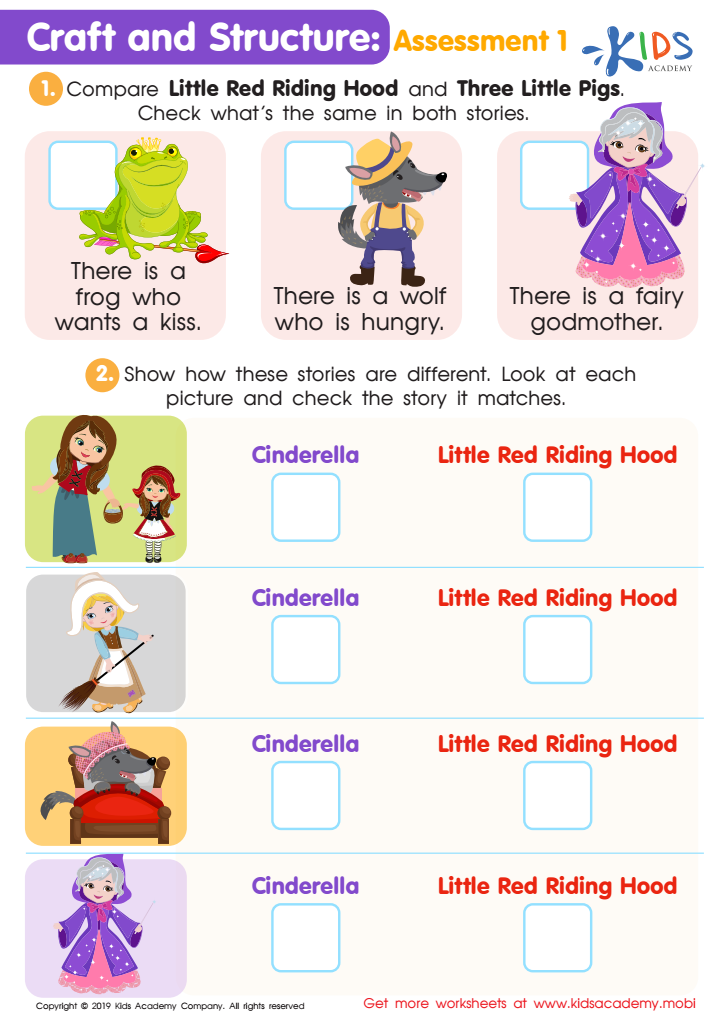
Craft and Structure: Assessment 1 Worksheet
 Assign to My Students
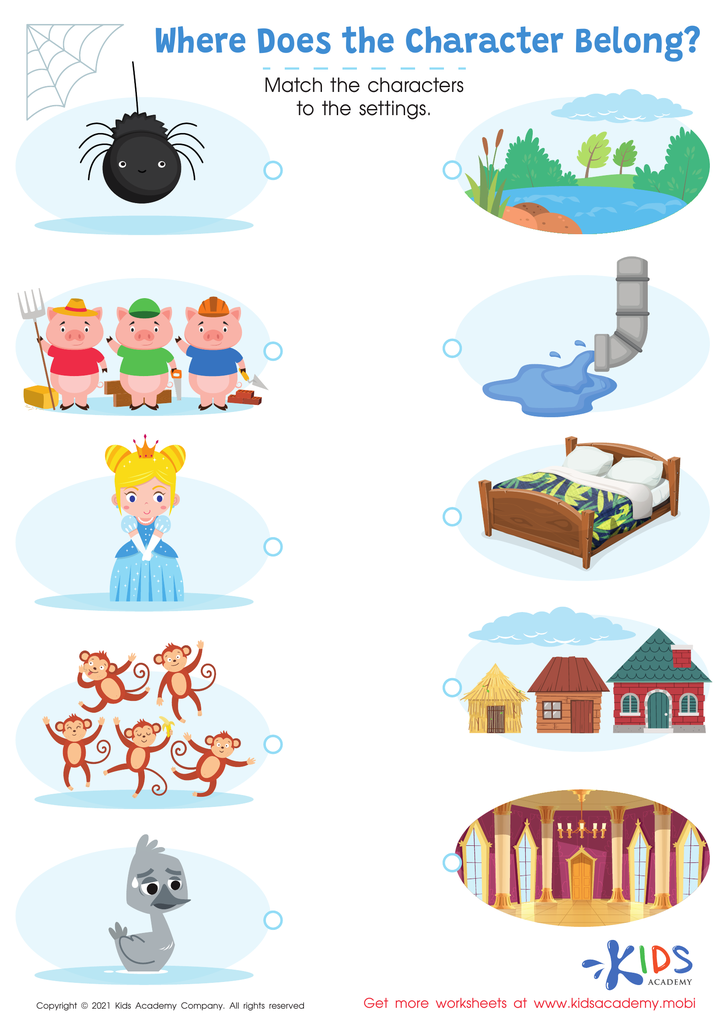
Where Does the Character Belong? Worksheet
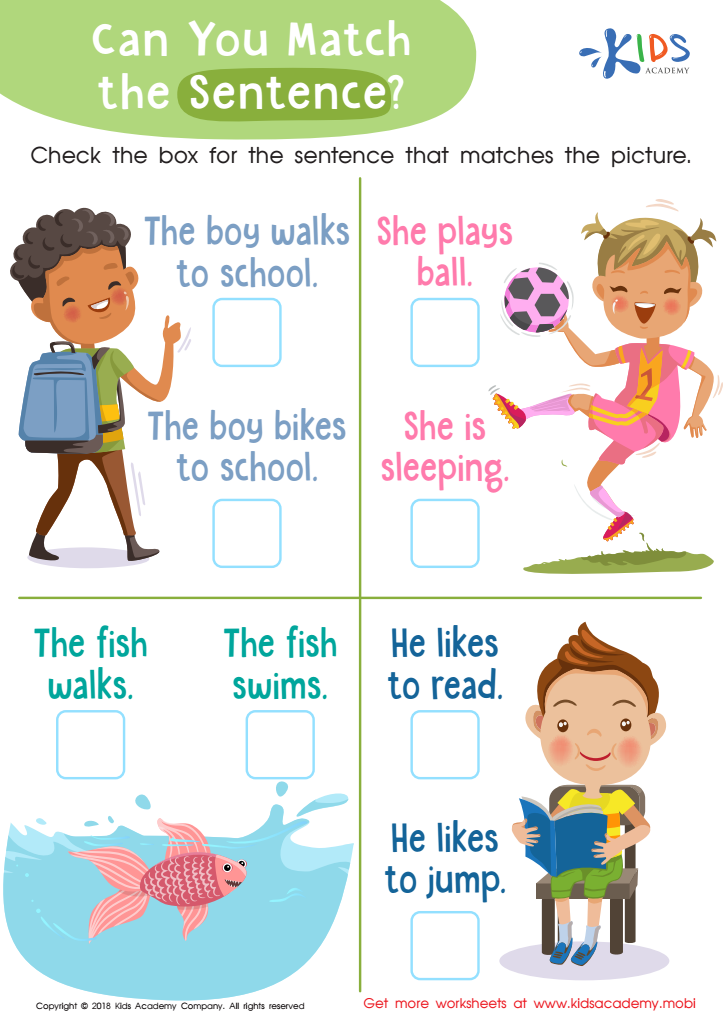
Can You Match the Sentence? Worksheet
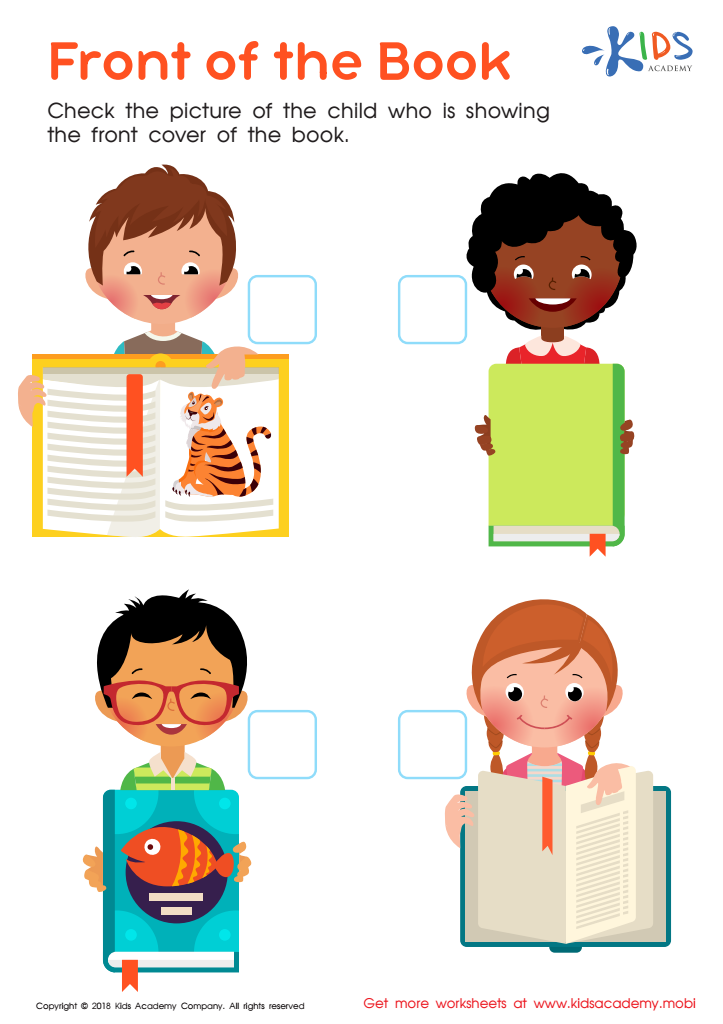
Front of the Book Worksheet
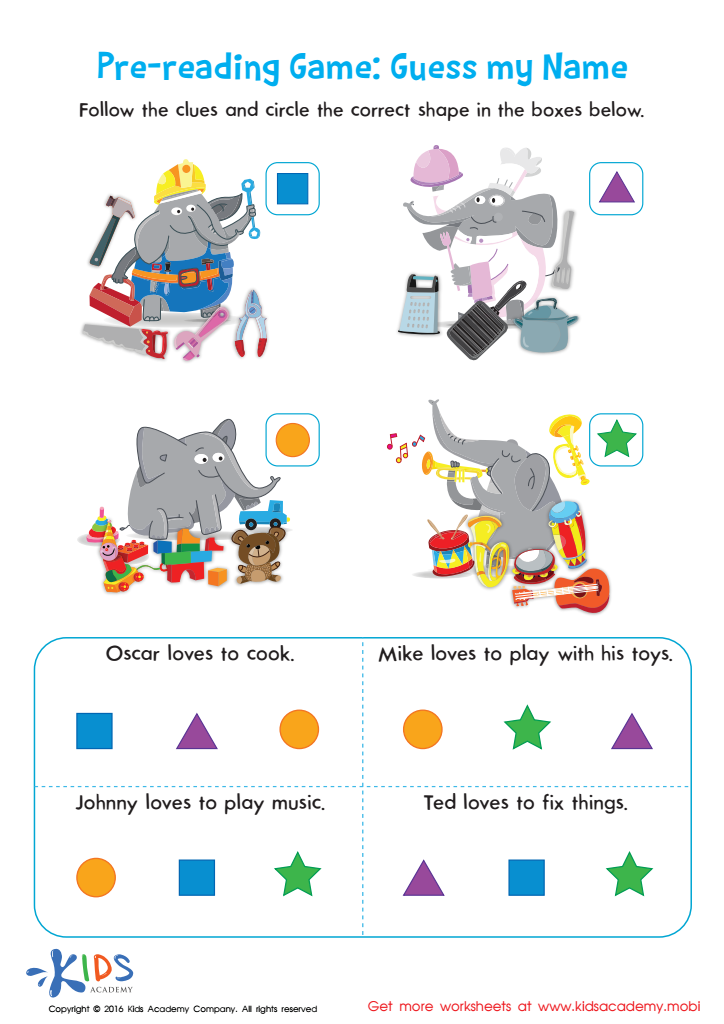
Pre Reading Worksheet Guess My Name



.jpg)

.jpg)


Reading fiction for children aged 4-7 is crucial because it lays the foundation for literacy and cognitive development. At this formative age, children's brains are rapidly developing, making it the perfect time to introduce them to the wide world of stories and imagination. When children engage with fiction, they learn to decode words, understand sentence structures, and build their vocabulary. These reading skills are essential for academic success and foster independent learning as they progress in school.
Moreover, reading fiction enhances empathy and socio-emotional growth. Through characters and diverse narratives, children learn to see the world from different perspectives, aiding in their understanding of others' emotions and experiences. This is vital for nurturing compassion, tolerance, and critical thinking.
Books also stimulate creativity and imagination, encouraging children to think outside the box and come up with their ideas and storylines. These creative skills are valuable in problem-solving and innovative thinking later in life.
Finally, reading with parents or teachers strengthens bonding and creates meaningful interactions. Children associate reading with warm, positive feelings, making them more inclined to become lifelong readers.
In summary, encouraging reading fiction for young children is a fundamental step in creating well-rounded, empathetic, and literate individuals, setting the stage for their future personal and academic success.








