Shape Recognition Reading Fiction Worksheets for Ages 4-7
3 filtered results
-
From - To
Discover our engaging "Shape Recognition Reading Fiction Worksheets" designed specifically for children ages 4-7! These interactive worksheets combine shape recognition with fun fiction stories to enhance early literacy skills. Kids will explore various shapes while enjoying captivating tales, making learning both enjoyable and effective. Each worksheet features colorful illustrations and relatable characters, including guided questions and activities that promote comprehension and critical thinking. Perfect for home or classroom use, these worksheets not only reinforce shape identification but also nurture a love for reading. Help your young learners build a strong foundation in both shapes and storytelling today!
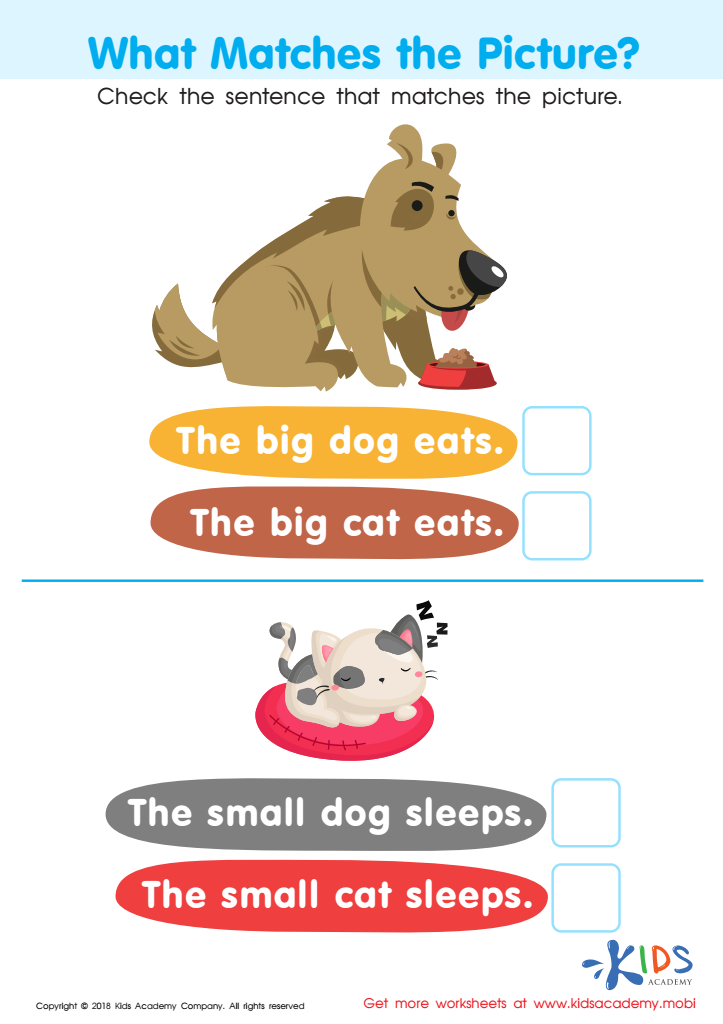
What Matches the Picture? Worksheet
 Assign to My Students
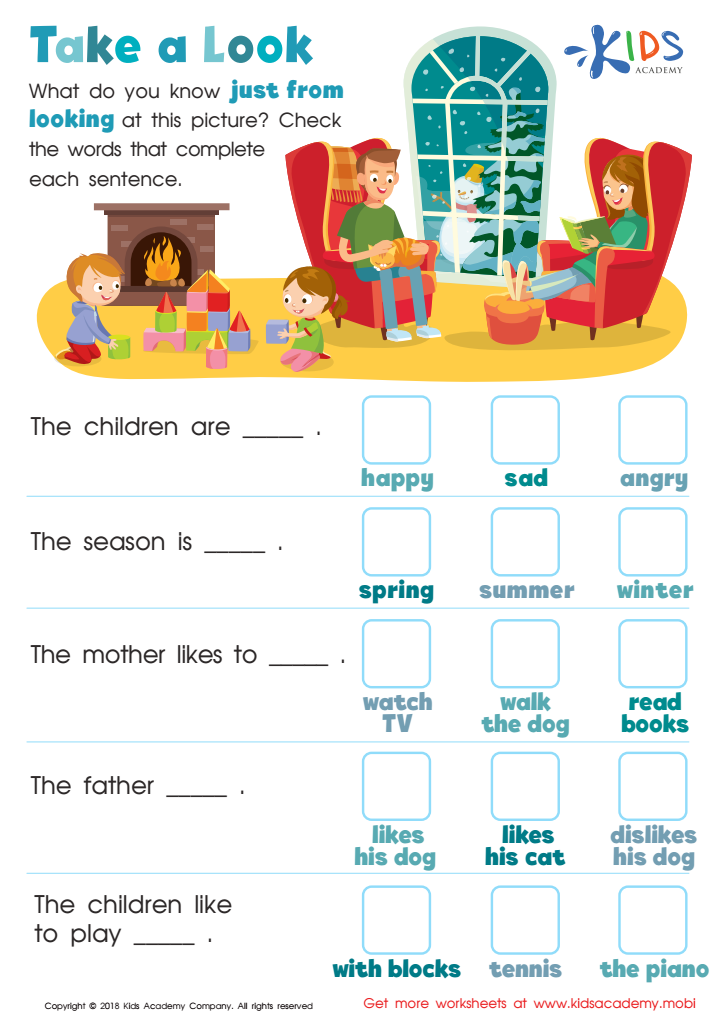
Take a Look - Part 1 Worksheet
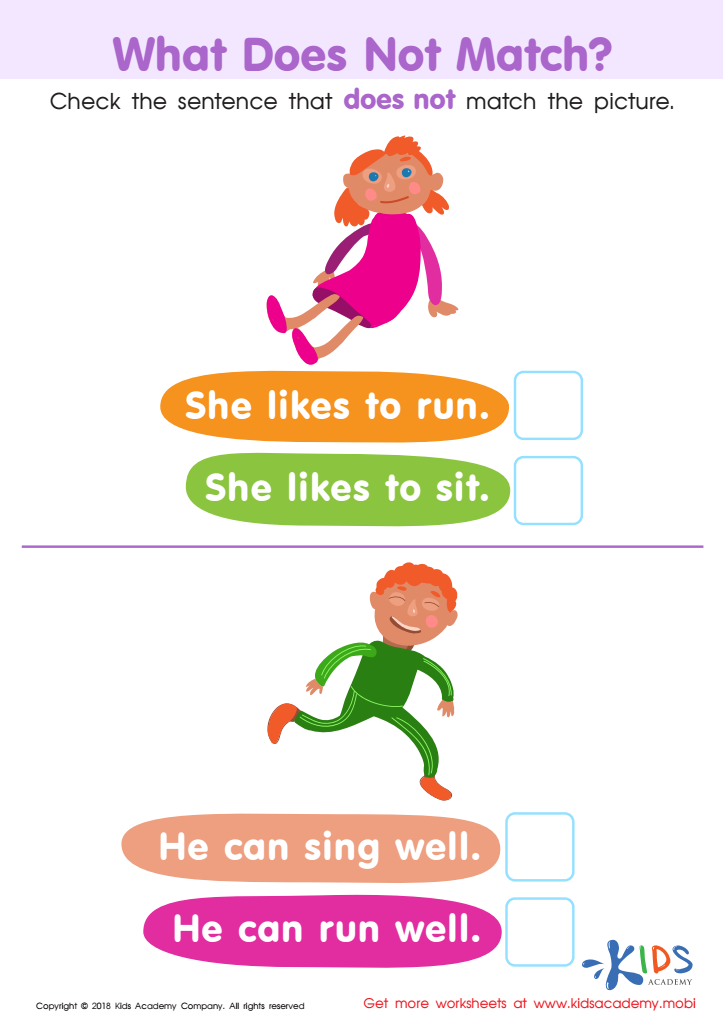
What Does Not Match? Worksheet





.jpg)

.jpg)
Shape recognition plays a crucial role in early childhood education, particularly in enhancing reading skills for children ages 4-7. At this formative age, children are developing essential cognitive abilities, and understanding shapes influences their overall learning trajectory. Recognizing shapes is foundational for literacy; it helps children identify letters and words, which often share similar characteristics.
When children read fiction, they engage with visual imagery that often incorporates shapes, thus reinforcing their ability to recognize them in various contexts. Through shape recognition, children stimulate critical thinking and enhance their creativity, as they become adept at describing and distinguishing different elements within a story. This skill also aids in their understanding of spatial relationships and how characters or objects interact within a narrative.
Parents and teachers should actively support shape recognition because it directly correlates with a child's confidence and success in reading. Additionally, integrating shape-related activities into reading time can invigorate their love for stories, making the learning process enjoyable. Overall, prioritizing shape recognition helps establish strong foundational skills, fosters imagination, and sets the stage for more advanced literacy and learning. Engaging with fiction becomes not just a reading exercise but a comprehensive developmental tool.








