Number identification Sight Words Worksheets for Ages 4-7
3 filtered results
Difficulty Level
Grade
Age
-
From - To
Subject
Activity
Standards
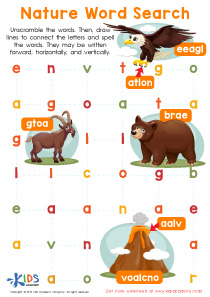
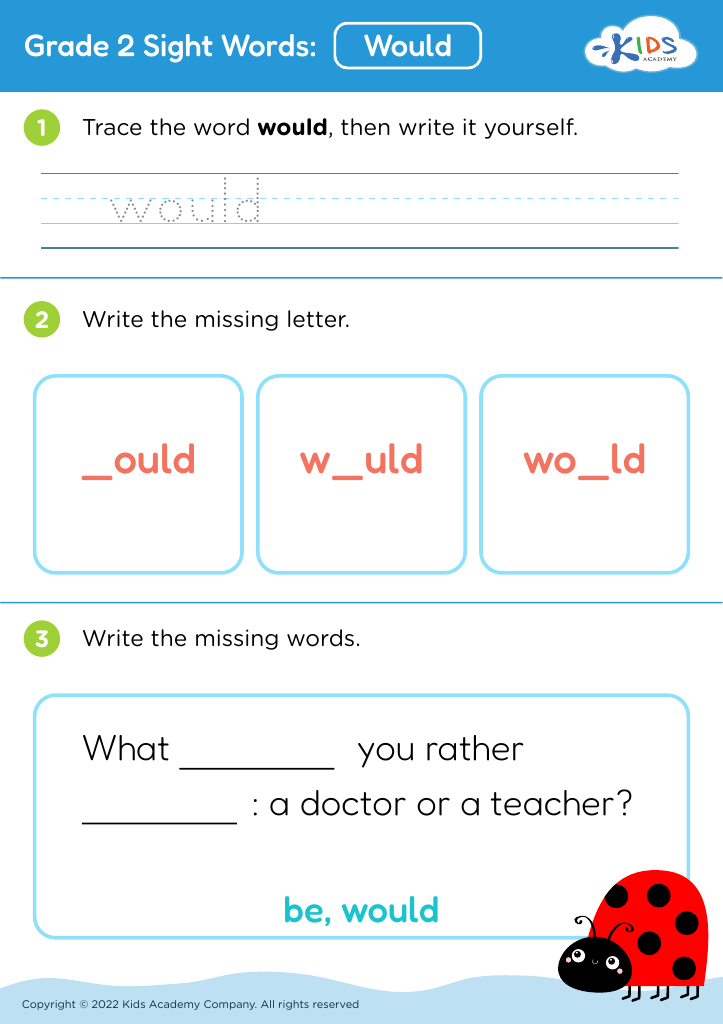
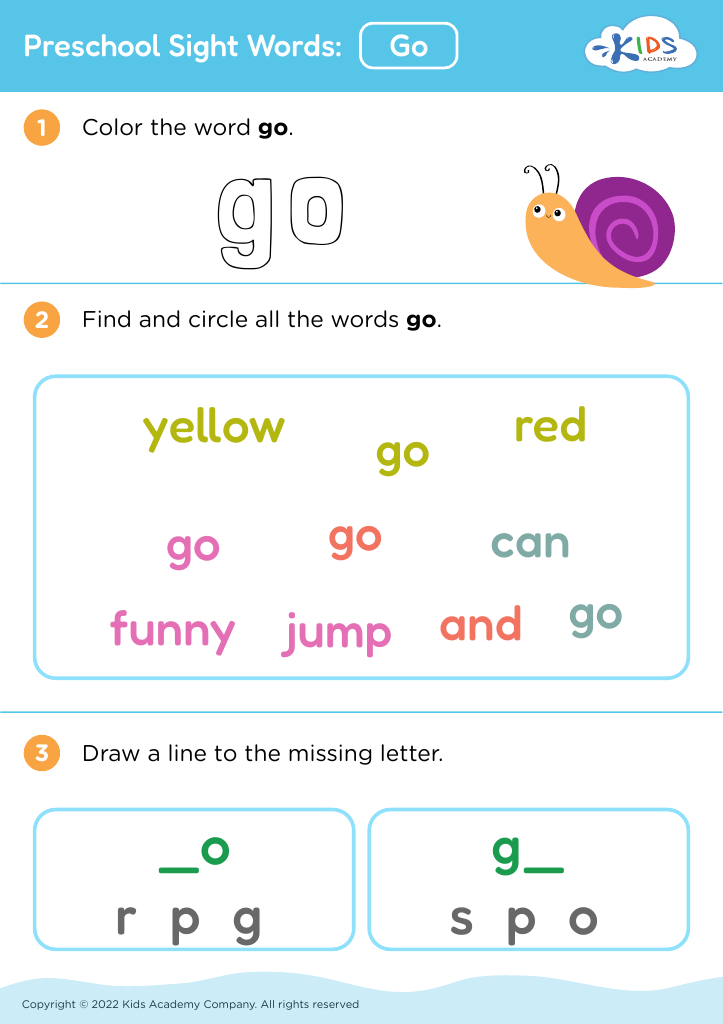
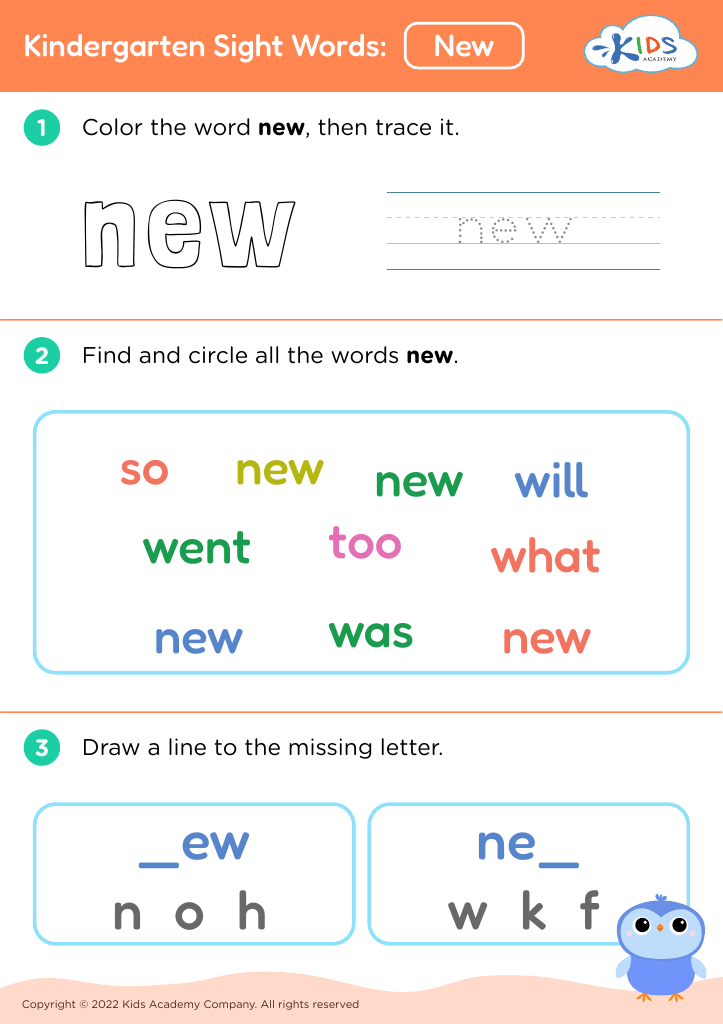
Introducing our Number Identification Sight Words Worksheets, designed especially for children aged 4-7. These engaging and educational printables combine the fundamentals of number identification with essential sight words, supporting early reading and math skills. Perfect for preschool and early elementary students, our carefully crafted worksheets help young learners confidently recognize numbers, enhancing their numeracy and literacy proficiency. Each worksheet features fun activities like matching, tracing, and coloring to keep your child motivated and excited about learning. Ideal for parents and educators seeking effective and enjoyable resources to bolster their child's education at home or in the classroom.
Favorites
With answer key
Interactive





Join Kids Academy for Free
Who is primarily going to use this learning content?








Number identification and sight words are fundamental components of early childhood education, crucial for the development of a child's literacy and numeracy skills. Parents and teachers should care deeply about these areas because they form the bedrock upon which more complex concepts are built.
For children aged 4-7, recognizing numbers and sight words fluently facilitates smoother academic progression. Sight words are commonly used words that children are encouraged to recognize on sight, bypassing the need for phonetic decoding every time they encounter these words. This ability helps in improving reading fluency and comprehension, which are critical to all future learning. Children who struggle with basic number identification and sight words are likely to find it challenging to understand mathematical concepts and to read age-appropriate texts independently.
Moreover, early mastery of these basics boosts a child's confidence, encourages a love for learning, and fosters a sense of achievement. This encouragement and support from parents and teachers reinforce the importance of education. Engaging with number identification exercises and sight word activities creates interactive and enjoyable learning experiences, laying the foundation for educational success as they progress through their academic journey. Prioritizing these basic skills during formative years can lead to long-term academic benefits and a strong intellectual grounding.