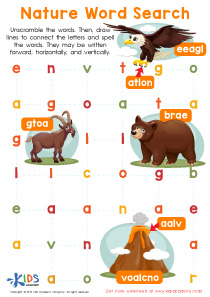
Shape Recognition Sight Words Worksheets for Ages 4-7
6 filtered results
-
From - To
Discover our engaging "Shape Recognition Sight Words Worksheets" designed for children ages 4-7! These worksheets creatively blend shape identification and sight word practice, helping young learners develop essential skills while having fun. Each activity is tailored to enhance visual recognition and vocabulary through interactive exercises that capture children's attention. From tracing and matching to coloring and identifying shapes, these worksheets provide a comprehensive learning experience. Perfect for early-grade classrooms or home learning, our resources equip kids with the foundational knowledge they need to thrive. Start their educational journey today with playful and effective learning tools that promote confidence in reading and shape recognition!
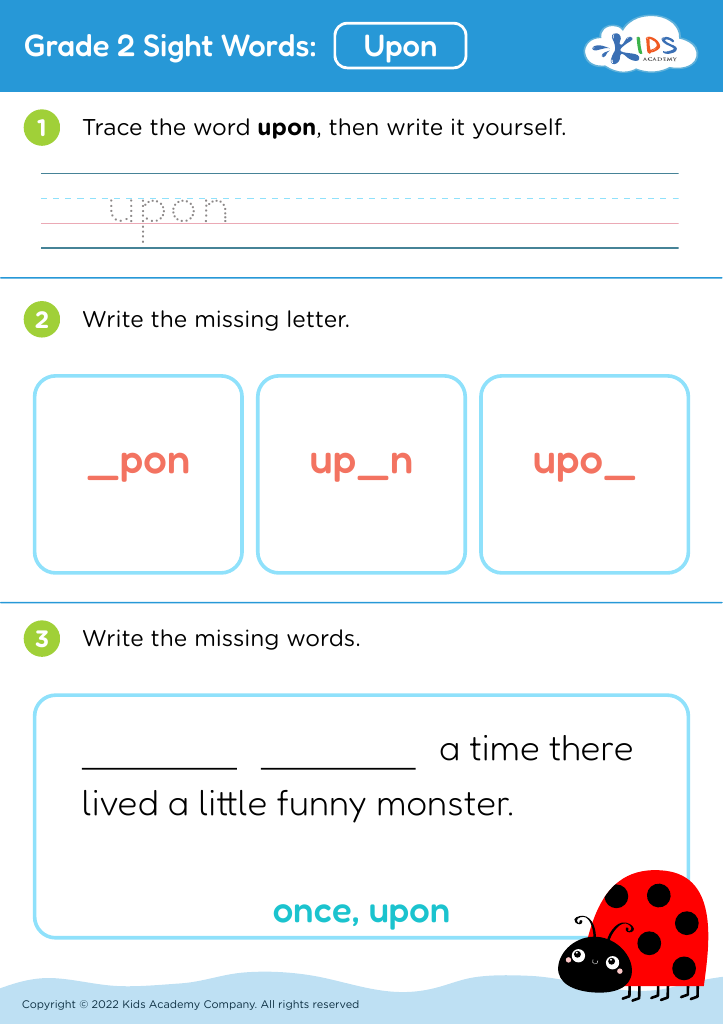







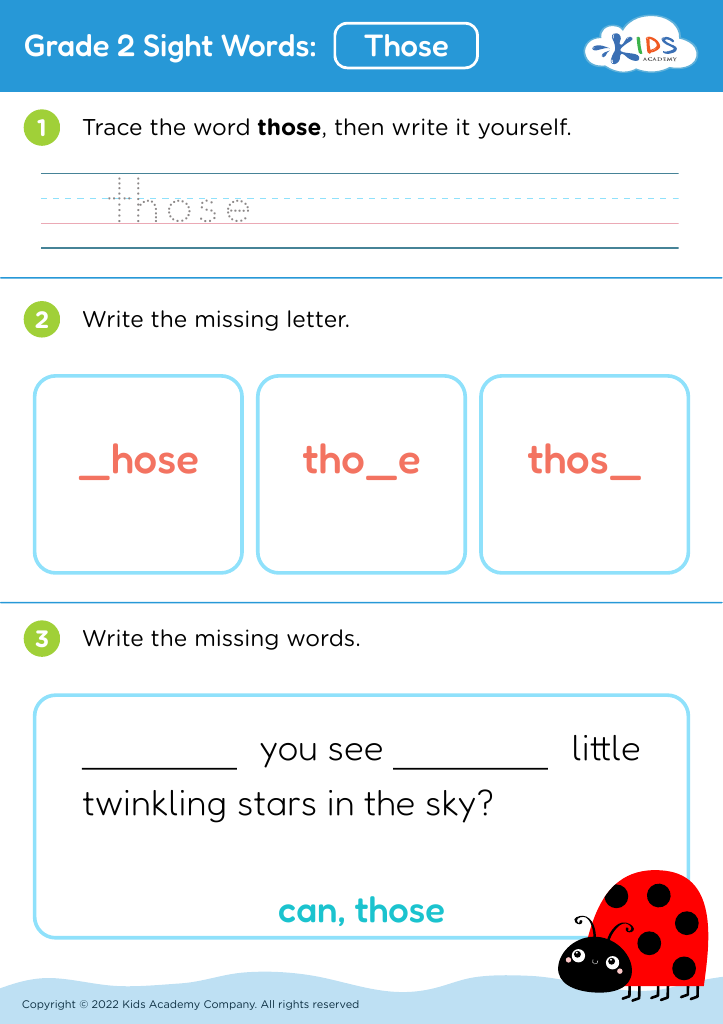
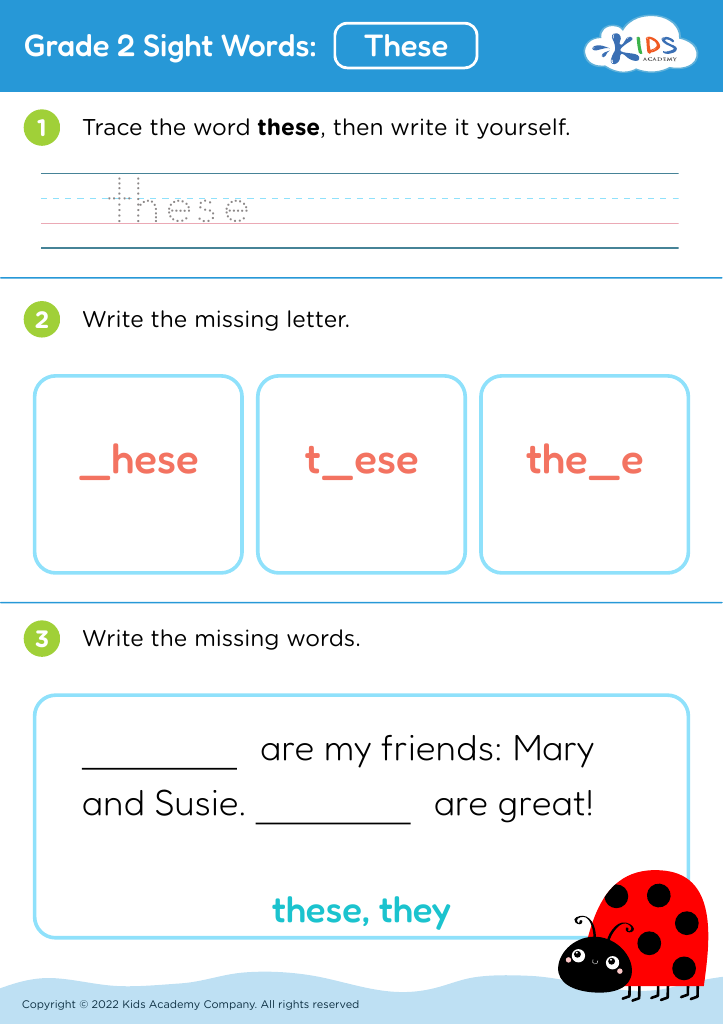
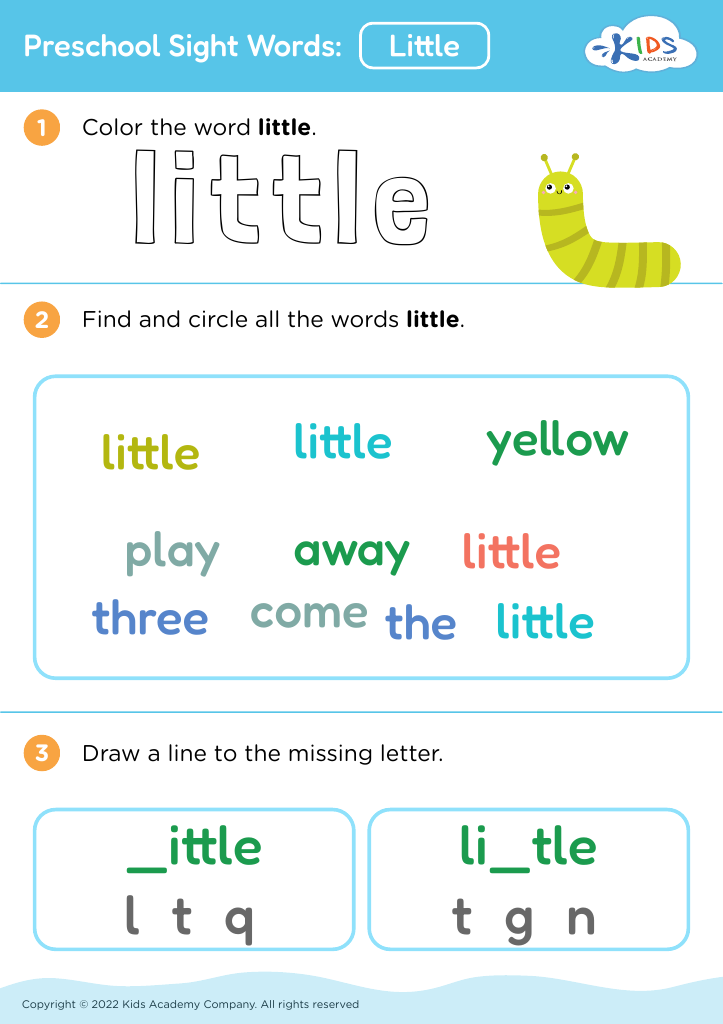
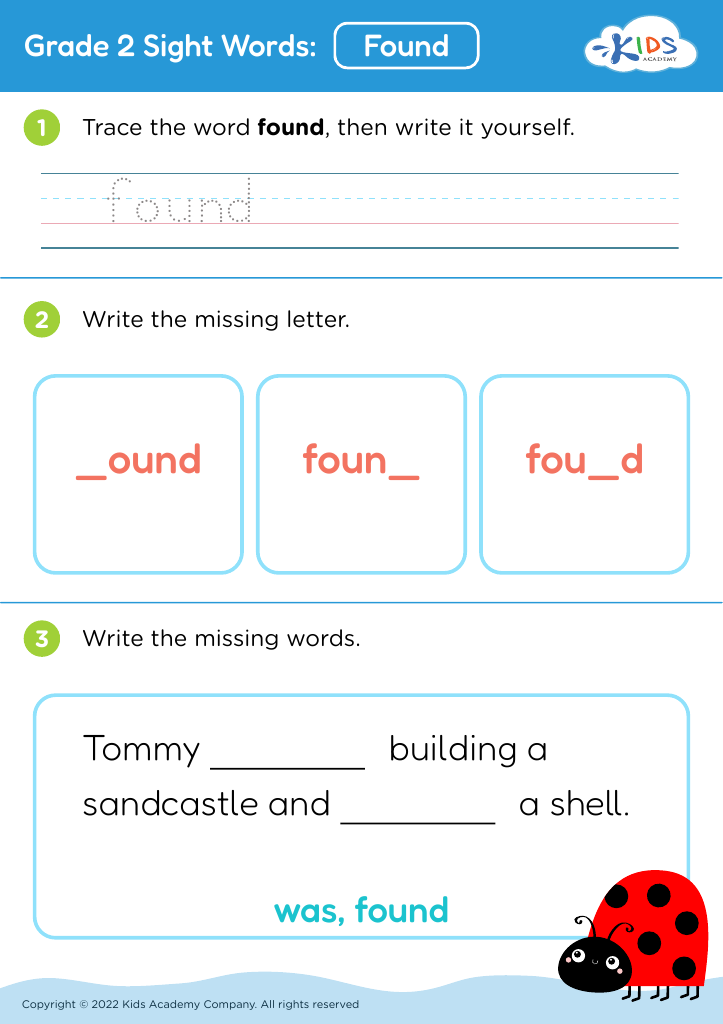
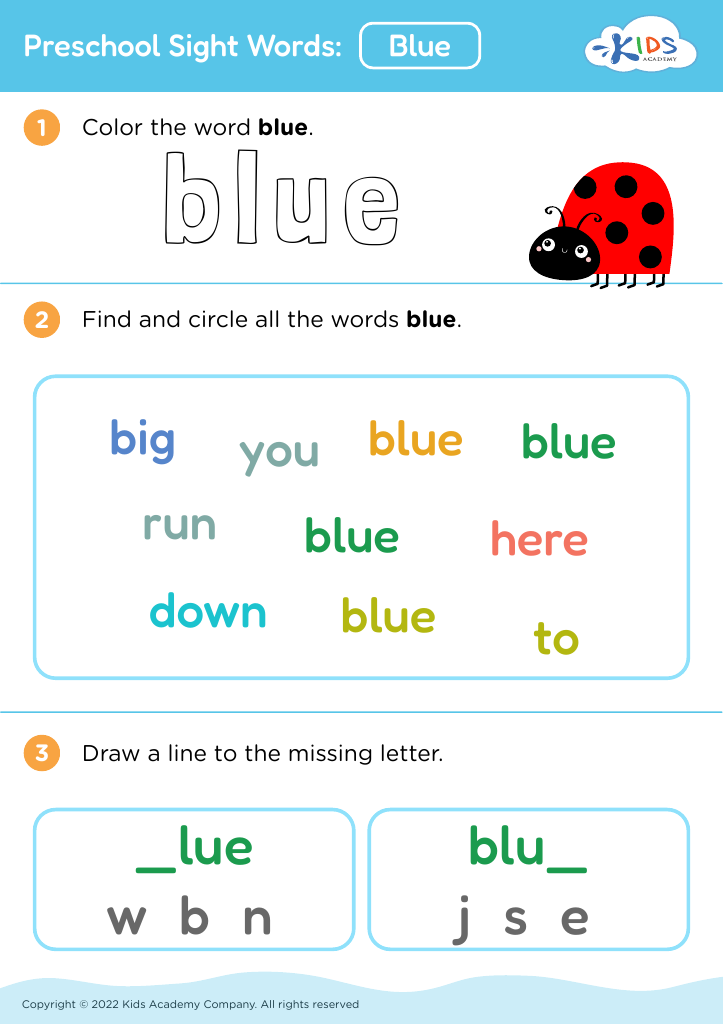








Shape Recognition Sight Words are vital for young children aged 4-7, as they lay the foundational skills for literacy and cognitive development. Recognizing these "sight words," which often include geometrical shapes and basic sight vocabulary, enhances children's ability to read and comprehend text effectively. When children master these words, they gain confidence in their reading abilities, which fosters a love for learning.
Moreover, these words contribute to the development of spatial awareness and critical thinking skills. Understanding shapes helps children in their daily lives, supporting not just literacy but also mathematics, science, and art activities through an appreciation of patterns and structures.
For parents and teachers, promoting Shape Recognition Sight Words is essential, as it encourages collaborative learning and engagement. When kids recognize and describe shapes, they learn to express ideas, enhancing communication skills. Additionally, integrating these words into fun activities or games makes learning enjoyable, capturing children’s imagination and curiosity.
In essence, Shape Recognition Sight Words serve as building blocks for skills necessary for academic success. By focusing on these key elements, parents and teachers can support holistic development in young learners, preparing them for future challenges in their educational journey.