Logical Reasoning World Around Us Worksheets for Ages 4-7
5 filtered results
-
From - To
Welcome to our "Logical Reasoning World Around Us Worksheets" designed specifically for children ages 4-7! These engaging worksheets help young learners develop critical thinking and problem-solving skills while exploring their surroundings. Through fun activities, children will strengthen their logical reasoning abilities as they identify patterns, make connections, and solve age-appropriate puzzles. Our carefully crafted resources not only enhance cognitive skills but also foster curiosity about the world. Ideal for classroom use or home learning, these worksheets provide a joyful way for kids to explore logic and reasoning in context. Start your child's journey to becoming a confident thinker today!
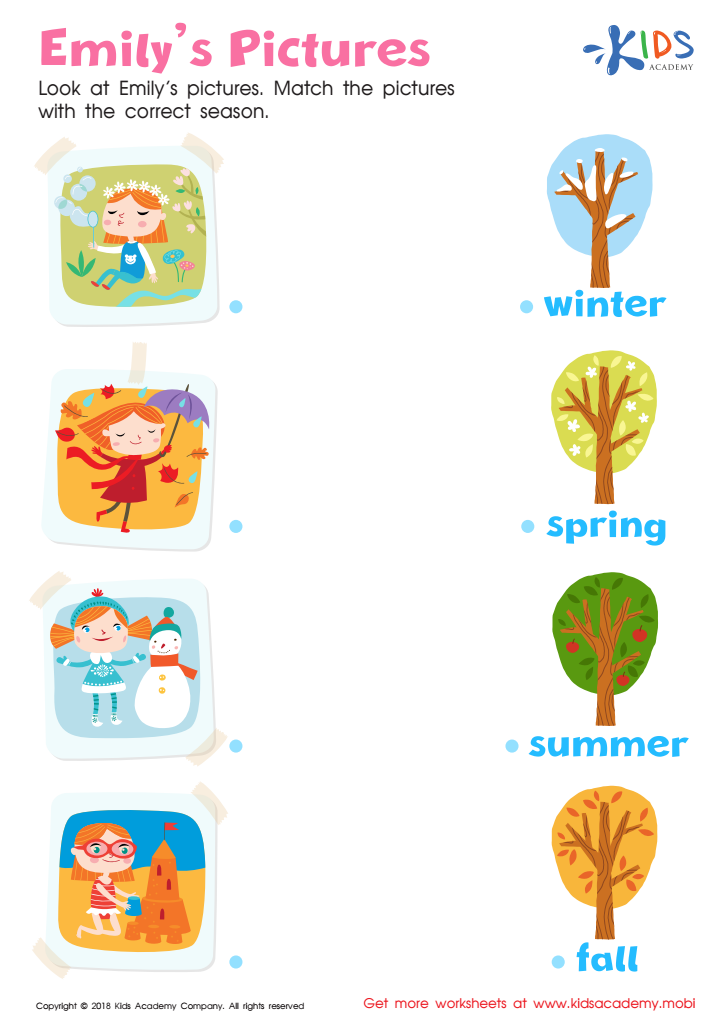
Emily's Pictures Worksheet
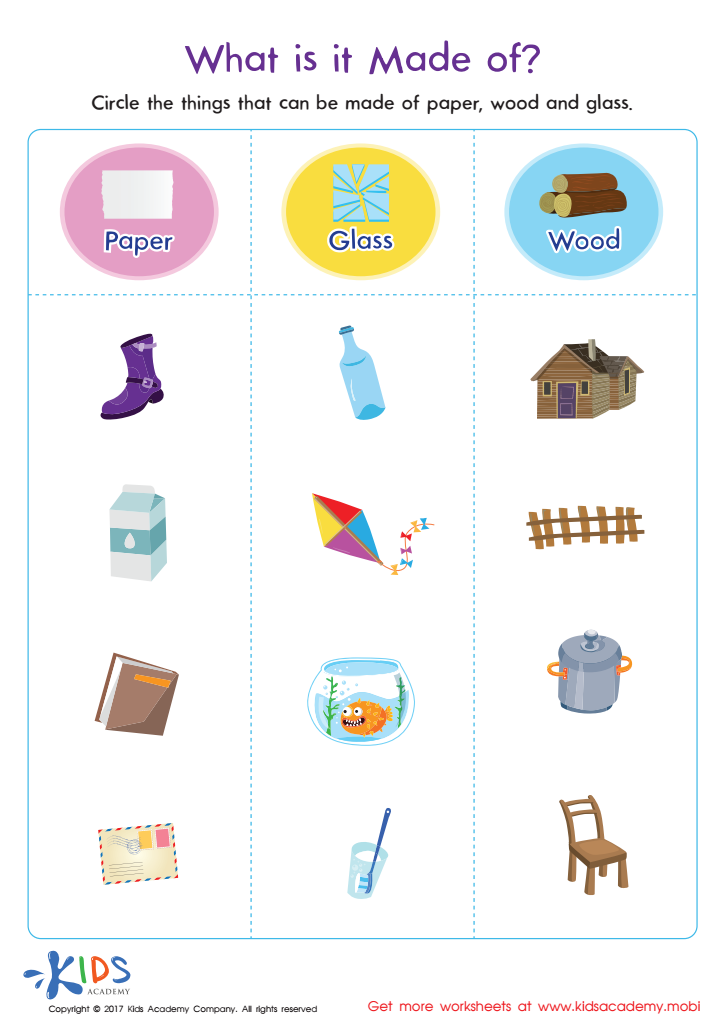
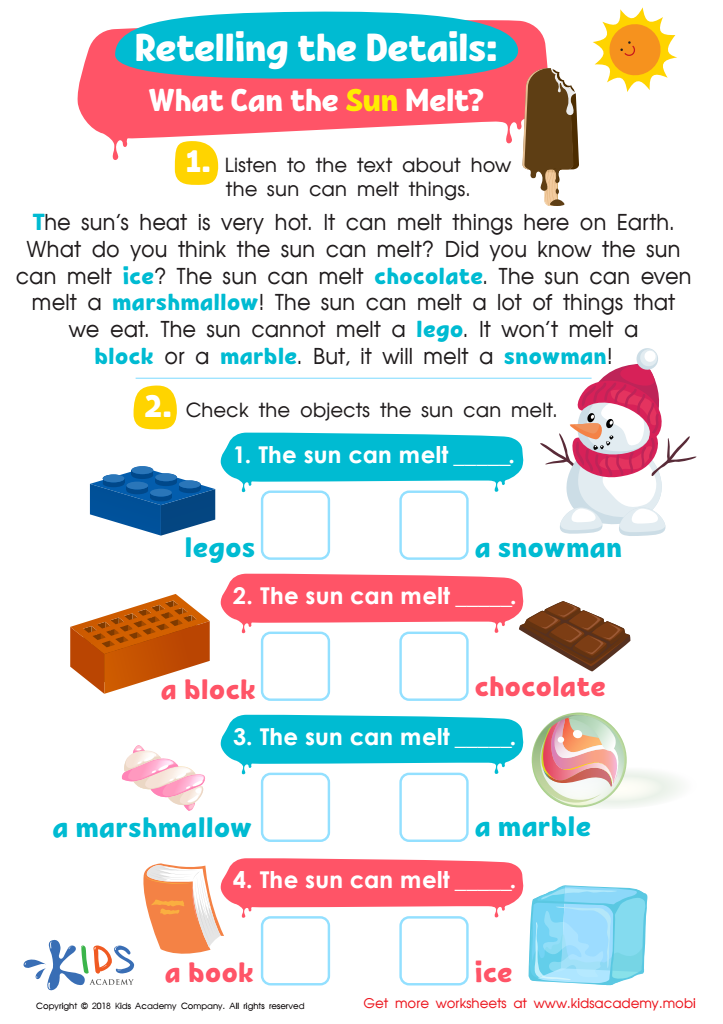
Retelling the Details: What Can the Sun Melt? Worksheet
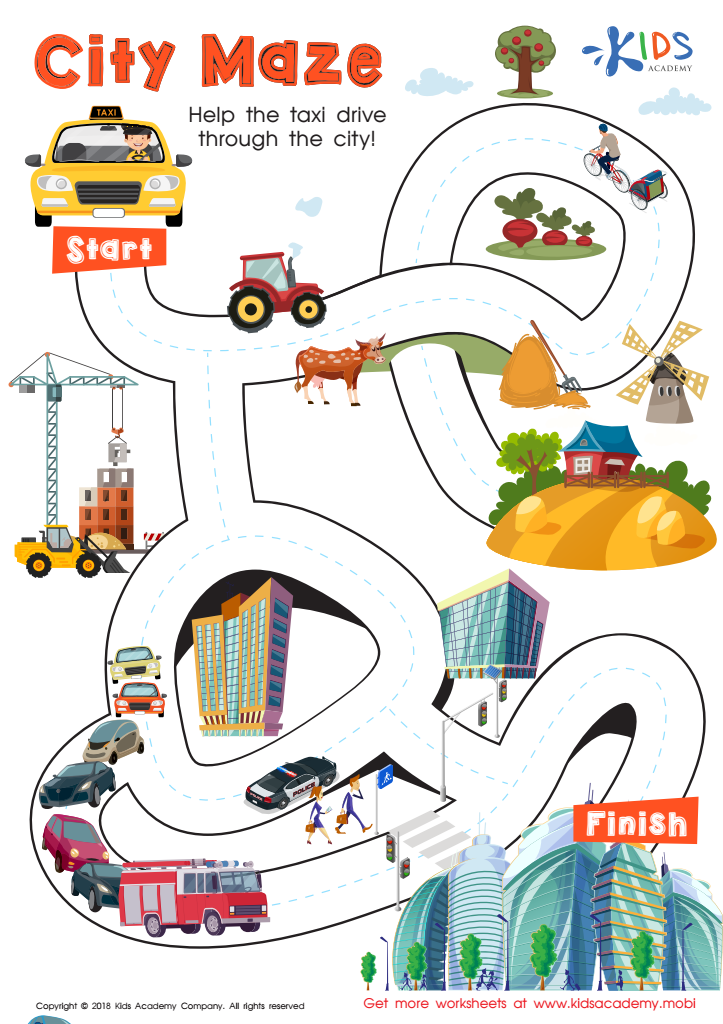
City Maze Worksheet
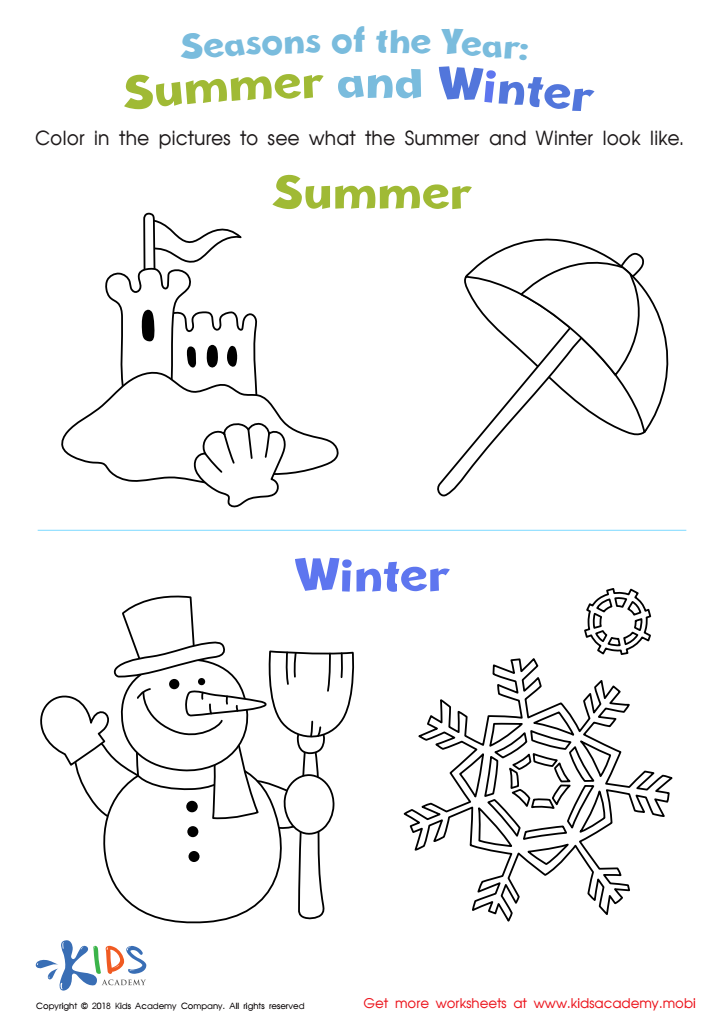
Summer and Winter Worksheet
 Assign to My Students








Logical reasoning skills are crucial for young children, particularly between ages 4-7, as they form the foundation for effective problem-solving and critical thinking. At this developmental stage, children are naturally curious about the world around them and begin to ask questions, make observations, and form connections. Teaching logical reasoning enhances their ability to analyze situations, understand cause-and-effect relationships, and draw valid conclusions.
Parents and teachers should care about developing these skills because they not only prepare children for academic success but also empower them to navigate everyday challenges confidently. Exposure to logical reasoning activities—like puzzles, pattern recognition, and simple problem-solving games—can stimulate cognitive growth and foster an understanding of how to approach problems methodically.
Furthermore, engaging children in discussions that require reasoning encourages communication skills, enhances vocabulary, and nurtures social interactions. When children learn to articulate their thought processes, they build self-confidence that will benefit them throughout their lives. Overall, nurturing logical reasoning in the early years equips children with essential life skills that enable them to think independently, make informed decisions, and face future academic endeavors with resilience and adaptability.