Phonics Skills Grammar Worksheets for Ages 4-7
7 filtered results
-
From - To
Discover our engaging Phonics Skills Grammar Worksheets designed specifically for children ages 4-7! These printable resources promote essential vocabulary building and enhance reading comprehension through fun activities. Packed with colorful illustrations and interactive exercises, our worksheets make phonics enjoyable, helping young learners master letter sounds, word blending, and spelling patterns. Tailored to meet educational standards, these resources foster a solid foundation in language arts, empowering children to express themselves with confidence. Ideal for classroom use or at-home learning, our phonics worksheets support children’s literacy growth while encouraging a lifelong love for reading and writing. Access the magic of learning today!
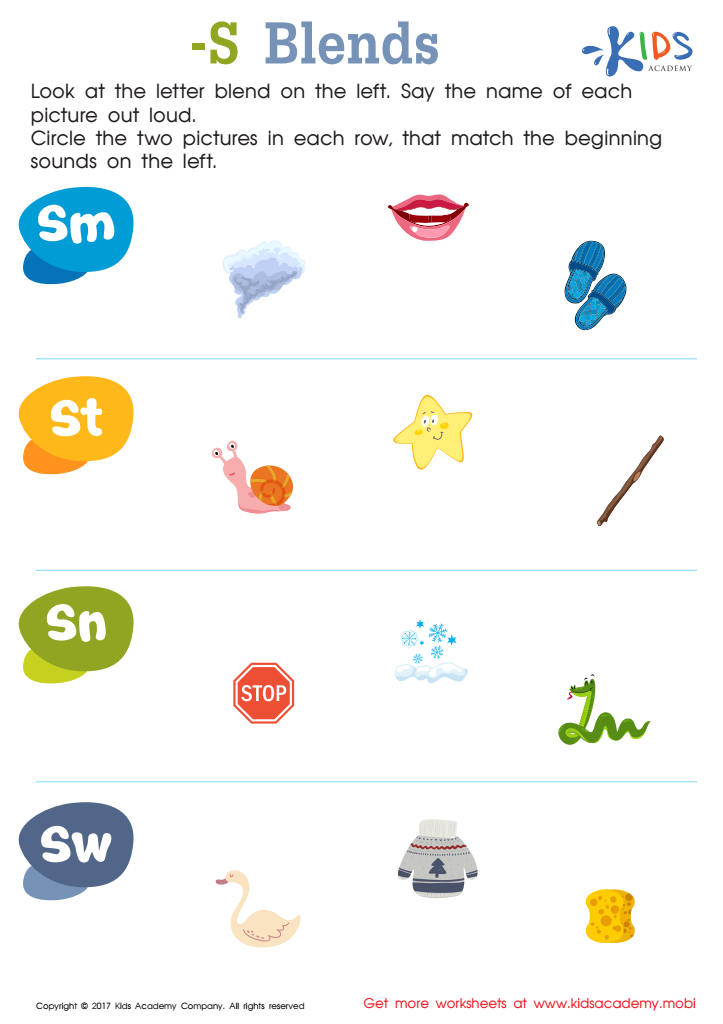
"s" Blends Spelling Printable
 Assign to My Students
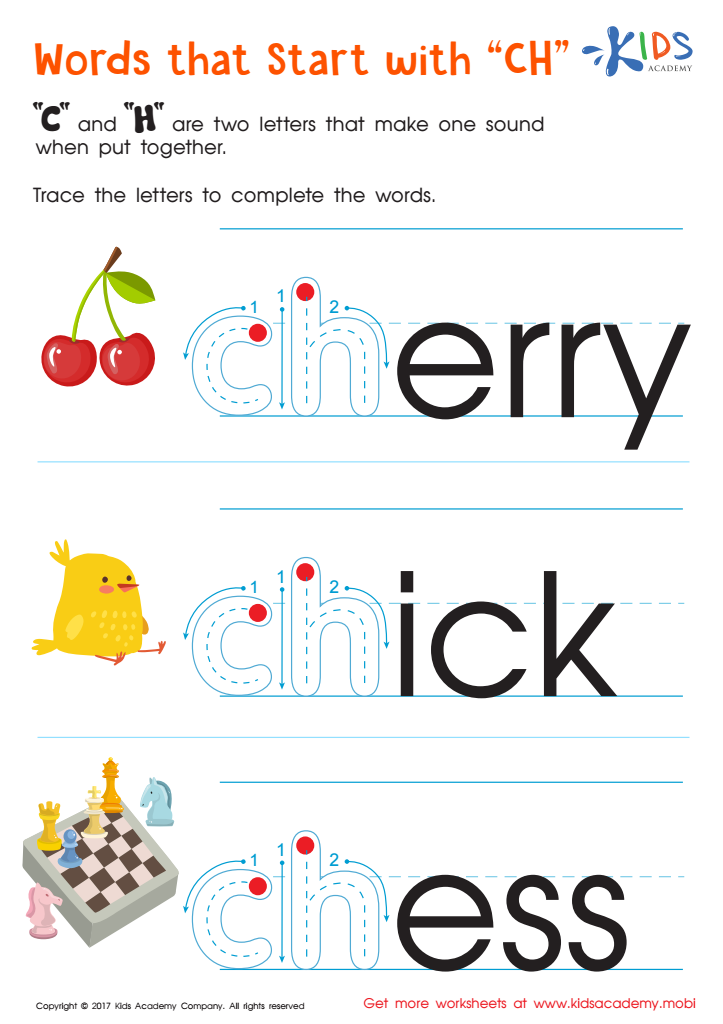
Words That Start with "ch" Spelling Worksheet
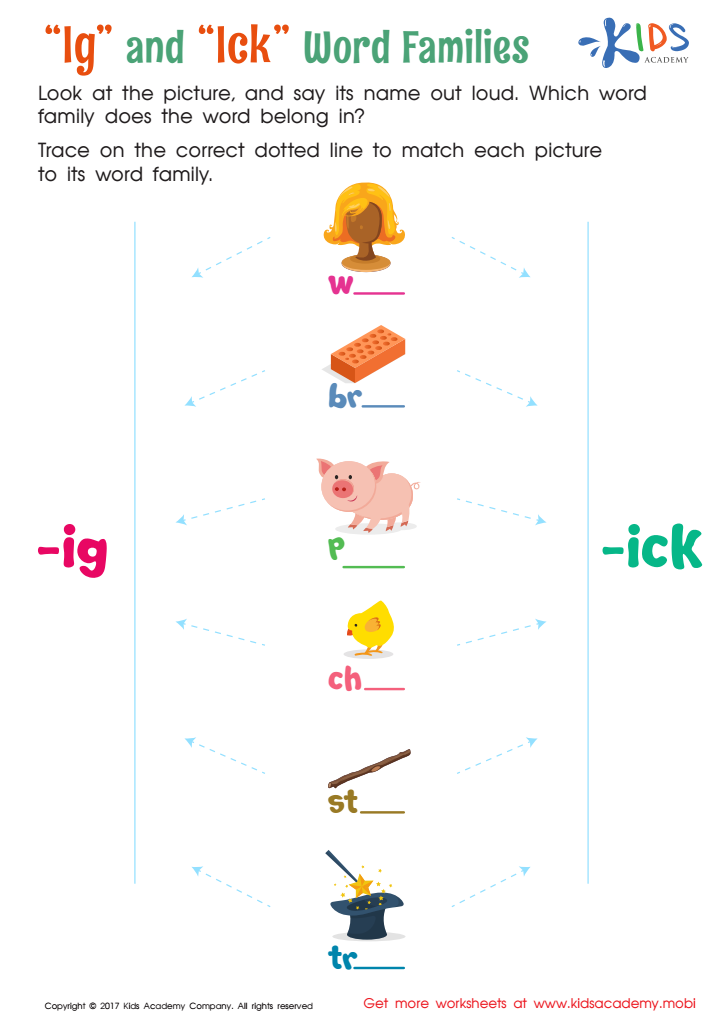
Words Families "ig" and "ick" Spelling Worksheet
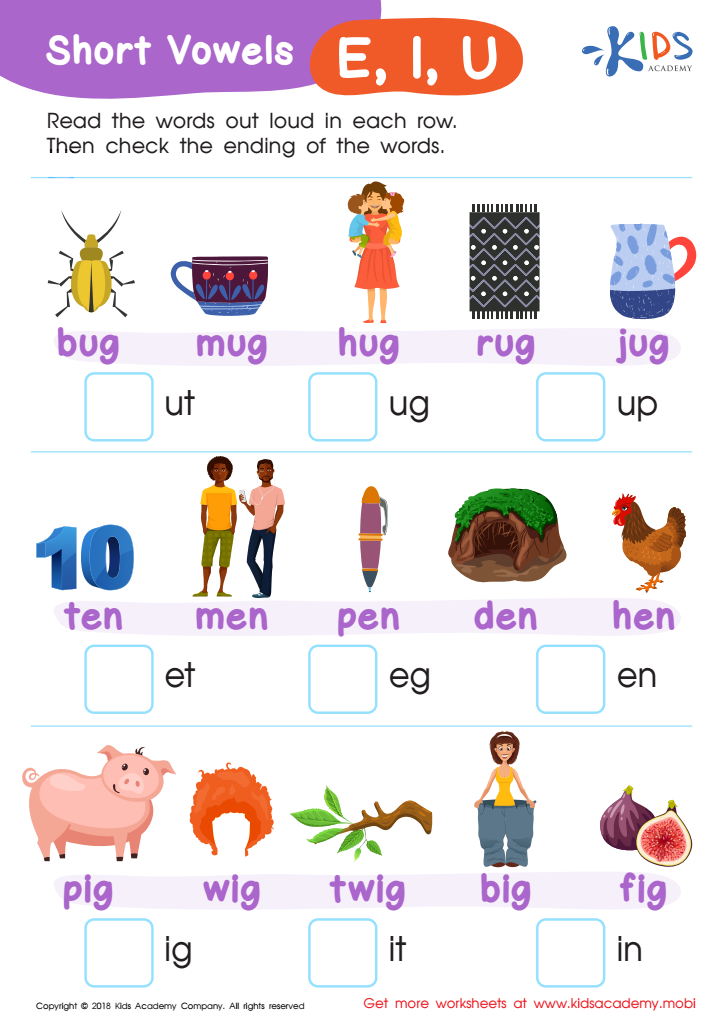
Short Vowels /e/, /i/, and /u/ Worksheet
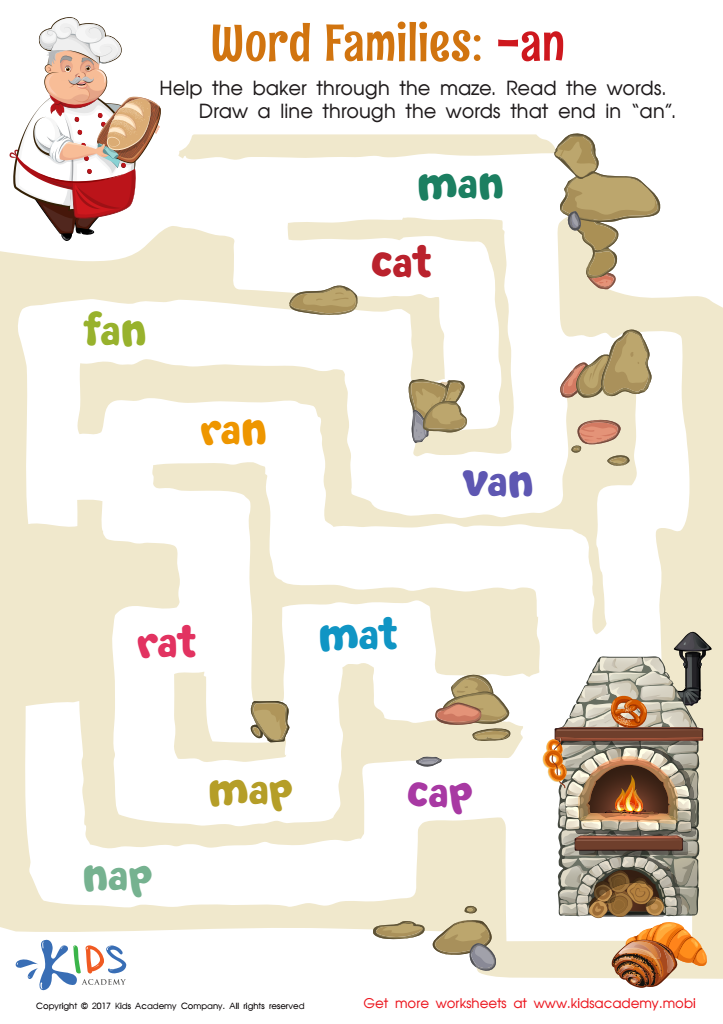
Words Families "an" Spelling Worksheet
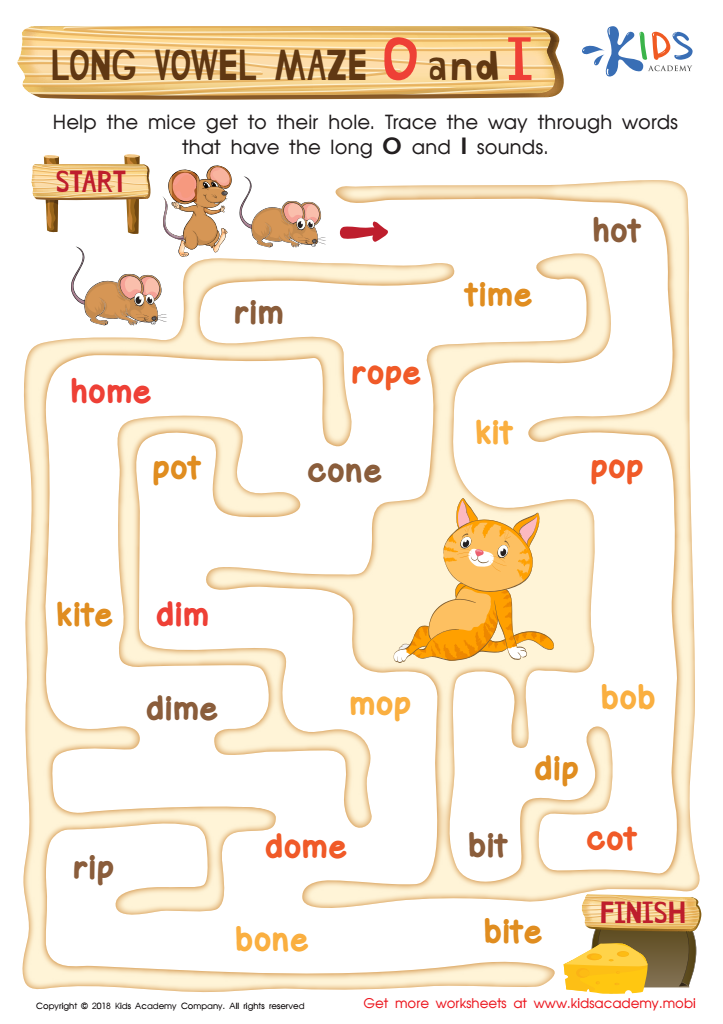
Long Vowel Maze /o/ and /i/ Worksheet
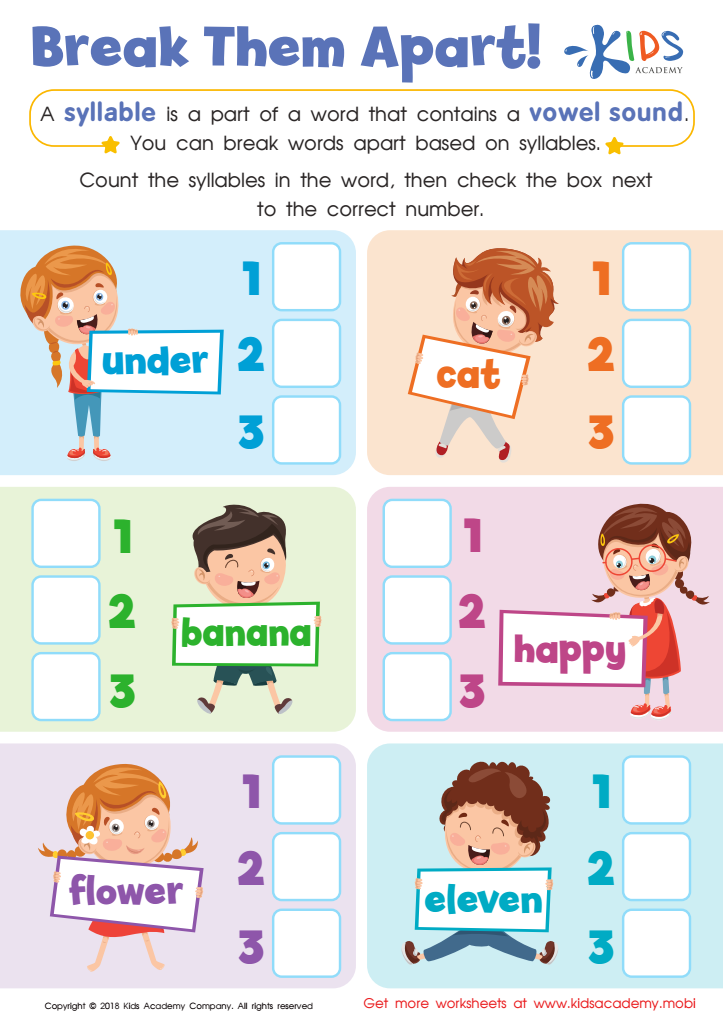
Reading: Break Them Apart Worksheet







.jpg)
Phonics skills and grammar are foundational components in early literacy development for children aged 4 to 7. During this critical period, children are learning to read and write, establishing the groundwork for future academic success.
Phonics teaches children the relationship between letters and sounds, enabling them to decode words independently. This skill is vital, as it empowers children to read fluently and enhances comprehension. When children master phonics, they can tackle increasingly complex texts, making them more confident readers.
Furthermore, understanding basic grammar helps children construct sentences and express their thoughts clearly. Early exposure to grammar not only improves writing skills but also supports effective communication, fostering social interactions and relationships with peers and adults.
Teachers and parents play a significant role in reinforcing these skills through engaging activities. Interactive games, storytelling, and guided reading can make learning enjoyable, helping children develop a positive attitude toward reading and writing.
In essence, prioritizing phonics skills and grammar equips young learners with the tools they need to succeed academically and socially. This foundational knowledge will serve them well as they progress through their educational journey, making it crucial for caregivers to invest time and effort in nurturing these skills.








