Sentence completion Punctuation Worksheets for Ages 4-7
3 filtered results
-
From - To
Explore our engaging Sentence Completion Punctuation Worksheets designed specifically for young learners aged 4-7! These worksheets provide a fun way for children to practice punctuation skills while enhancing their writing abilities. By completing sentences with the right punctuation marks, kids will boost their cognitive skills, creativity, and comprehension. Each worksheet features vibrant illustrations and age-appropriate exercises that capture children's interest, making learning enjoyable. Perfect for classrooms or home use, these resources help children gain confidence in their writing as they learn the essential rules of punctuation. Start your child's journey to becoming a proficient writer today!
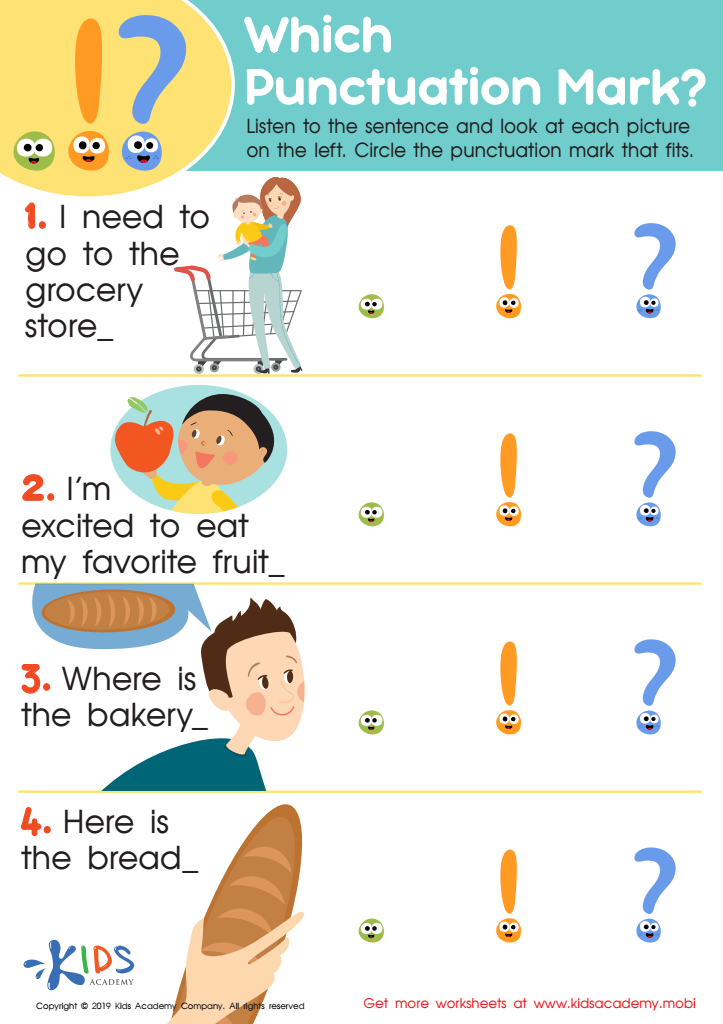
Which Punctuation Mark Worksheet
 Assign to My Students
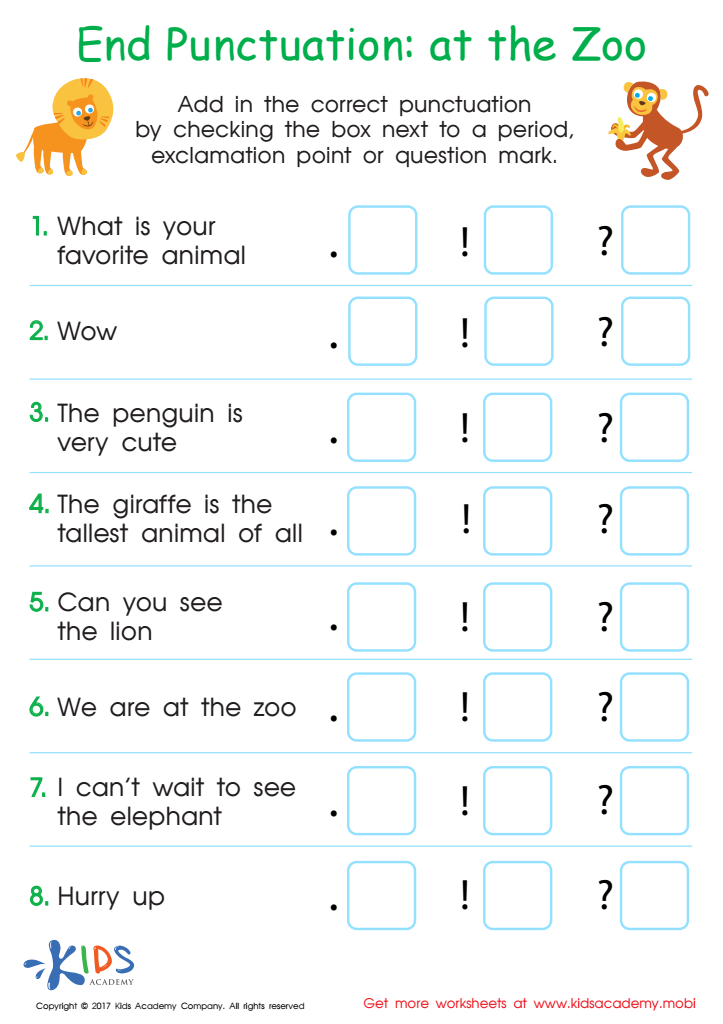
End Punctuation: At the Zoo Worksheet
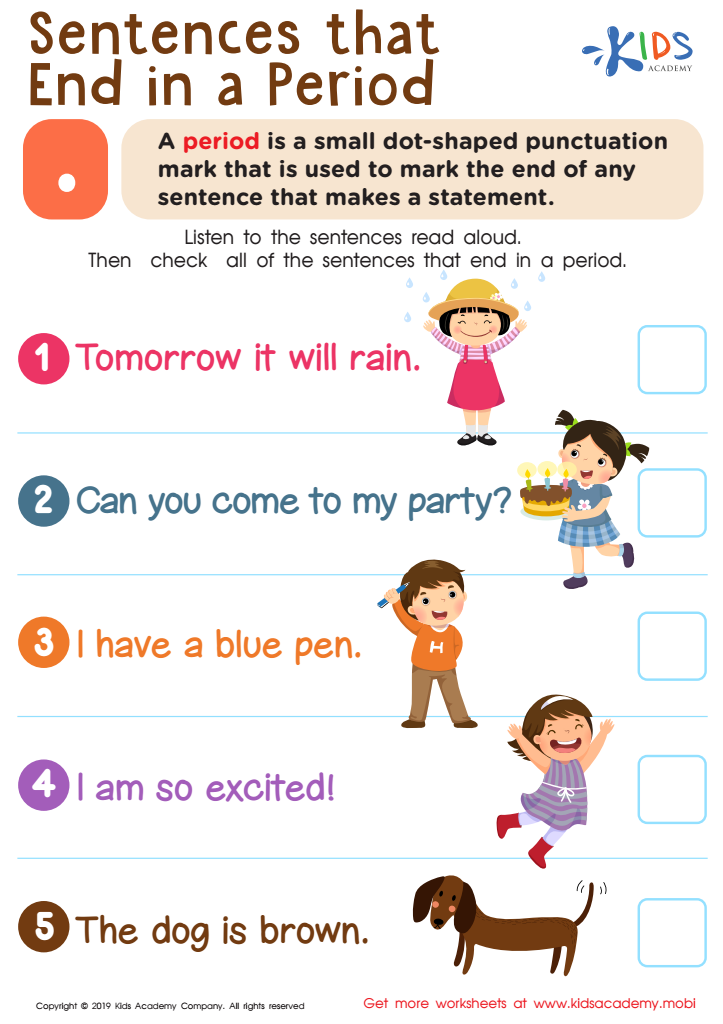
Sentences That End in a Period Worksheet




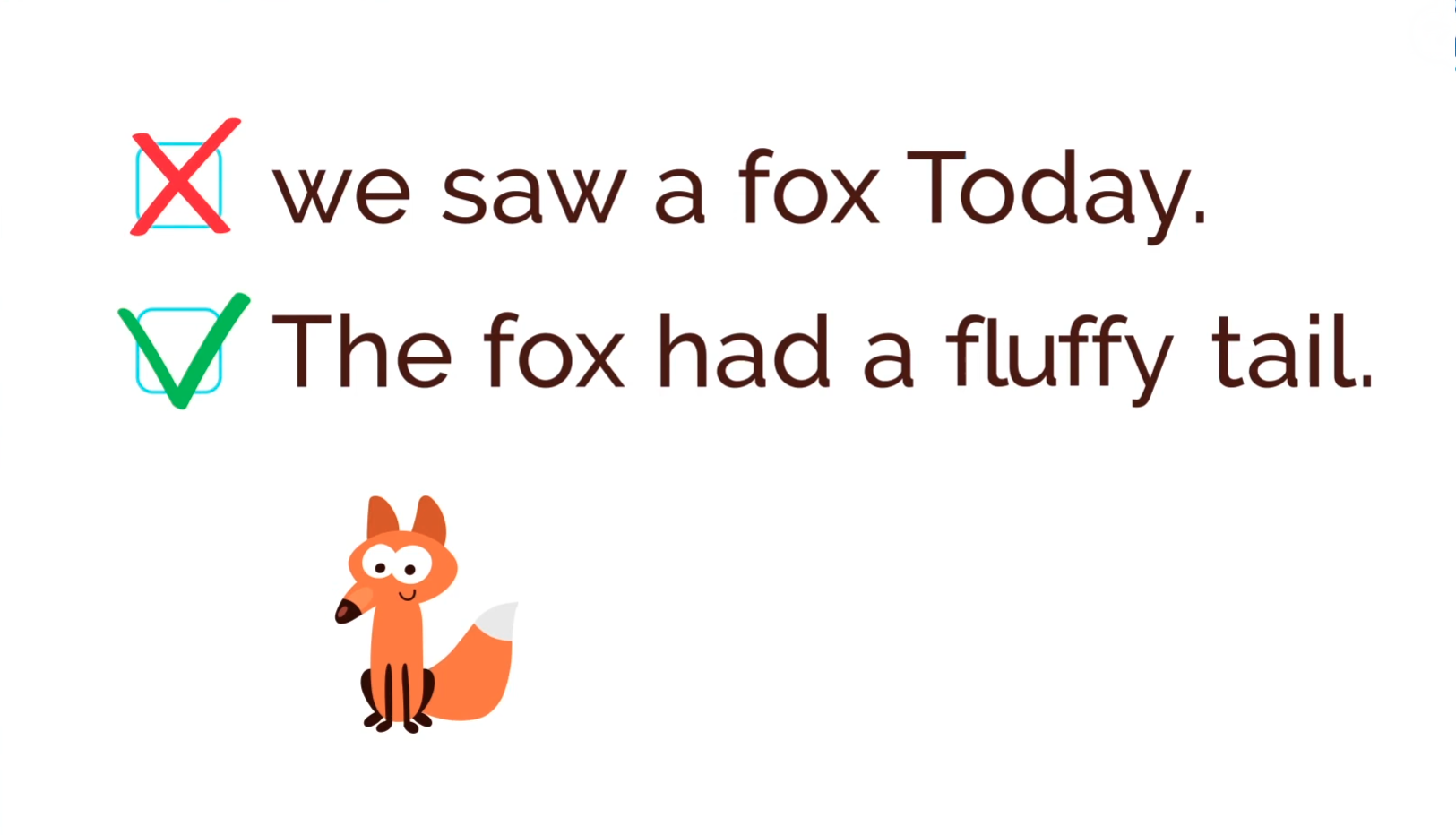



Sentence completion and punctuation are crucial skills for children aged 4-7, significantly influencing their literacy development. At this stage, children are beginning to understand the mechanics of language, and proper punctuation lays the foundation for effective communication. Teaching children to complete sentences and use punctuation fosters their ability to structure thoughts clearly, enhancing both writing and reading comprehension.
Punctuation marks are more than just symbols; they help convey meaning and emotion in sentences. For instance, using question marks denotes inquiries, while exclamation marks express excitement. Helping children recognize and understand these cues cultivates their ability to interpret written texts critically.
Moreover, practicing sentence completion promotes vocabulary development as children learn to use context clues to form cohesive thoughts. It nurtures their creativity and encourages self-expression, essential components as they progress in their education.
By prioritizing sentence completion and punctuation, parents and teachers invest in their children's long-term academic success. These foundational skills not only prepare young learners for more advanced literacy tasks but also enhance their overall communication abilities, preparing them for social interactions and future learning opportunities. In essence, mastering these skills sets children on a path to confident and competent communicators.








