Motor skills development ABC Letters Worksheets for Ages 4-8
3 filtered results
-
From - To
Enhance your child's motor skills with our engaging ABC Letters Worksheets, specifically designed for ages 4-8! These worksheets combine fun and learning as young learners practice writing and identifying letters of the alphabet. Each worksheet encourages fine motor control, hand-eye coordination, and cognitive engagement through enjoyable activities like tracing, matching, and coloring. Perfect for home or classroom use, our carefully crafted resources support early literacy development while ensuring that your child remains entertained. Promote a love for learning and set the foundation for academic success with our Motor Skills Development ABC Letters Worksheets today! Explore the joy of letters with Kids Academy!

Letter H Tracing Page









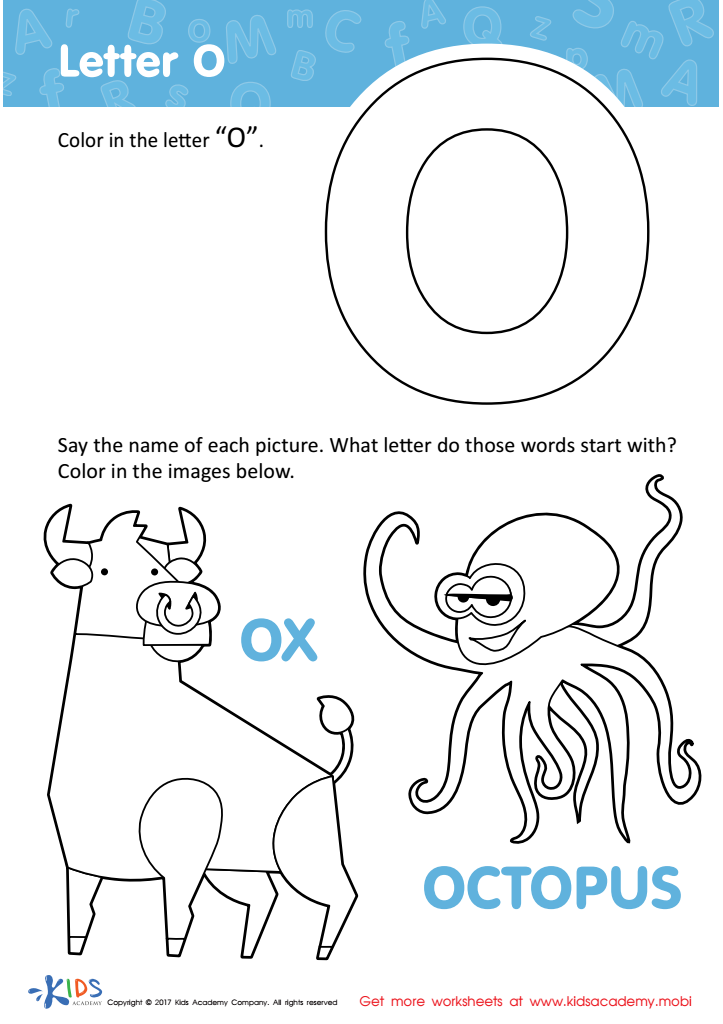
Letter O Coloring Sheet
 Assign to My Students
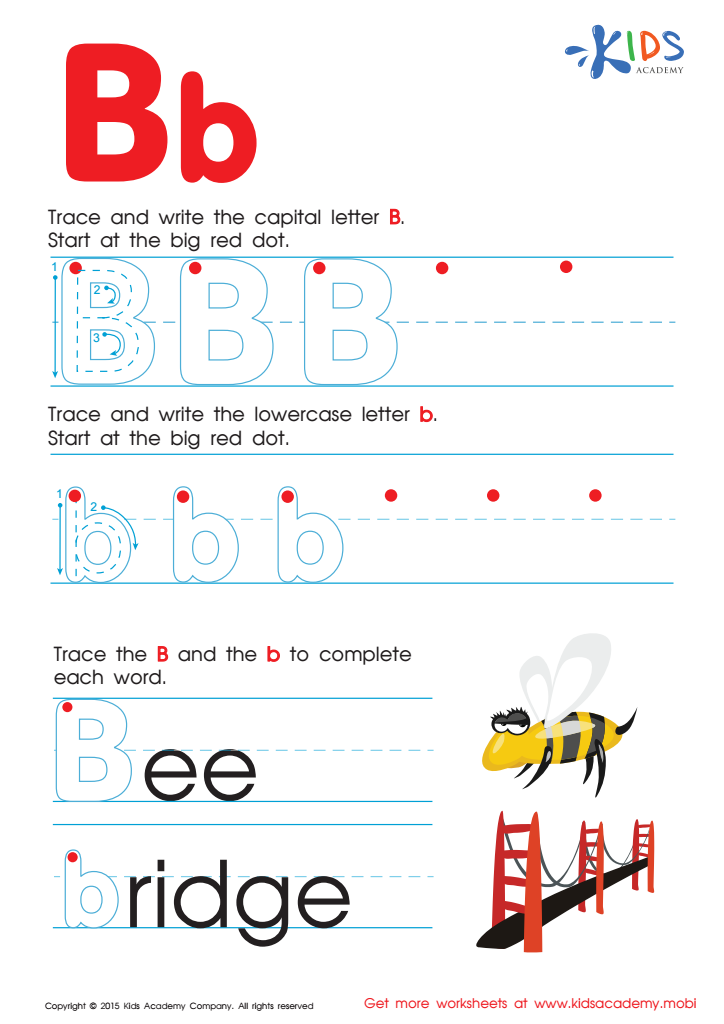
Letter B Tracing Page







Motor skills development is crucial for children aged 4-8, particularly when learning to write and recognize ABC letters. This early stage of life is characterized by rapid brain development and significant milestones in coordination and control. Fine motor skills, such as grasping a pencil or using scissors, enhance a child's ability to form letters and shapes, which is foundational for literacy skills.
Parents and teachers should prioritize motor skills development as it directly impacts academic success. Children with well-developed motor skills tend to perform better in classroom tasks and exhibit increased self-confidence. Activities that promote these skills, like crafting, drawing, and playing with building blocks, foster engagement and exploration, making learning enjoyable.
Moreover, strong motor skills aid in the development of critical thinking and problem-solving abilities, essential for cognitive growth. By focusing on this aspect of development, adults can help children improve their readiness for school and meaningful interactions with peers. Supporting motor skills development also prepares children to grasp more complex academic concepts in literacy and beyond, laying the groundwork for lifelong learning. In essence, fostering motor skills is not just about physical ability; it's about nurturing overall growth and a positive educational experience.







