Color Identification Alphabet Worksheets for Ages 4-8
6 filtered results
-
From - To
Discover our engaging Color Identification Alphabet Worksheets, thoughtfully designed for ages 4-8. These printable worksheets combine letter recognition with vibrant color activities, making learning exciting and effective. Each page features a unique letter paired with fun illustrations, encouraging children to identify and color them. By merging alphabet practice with color identification, our worksheets enhance early literacy and cognitive skills. Perfect for home or classroom use, they promote creativity while reinforcing foundational knowledge. Witness your child's enthusiasm for learning grow as they explore the ABCs through a vivid spectrum of colors. Download the Color Identification Alphabet Worksheets today and brighten up their educational journey!
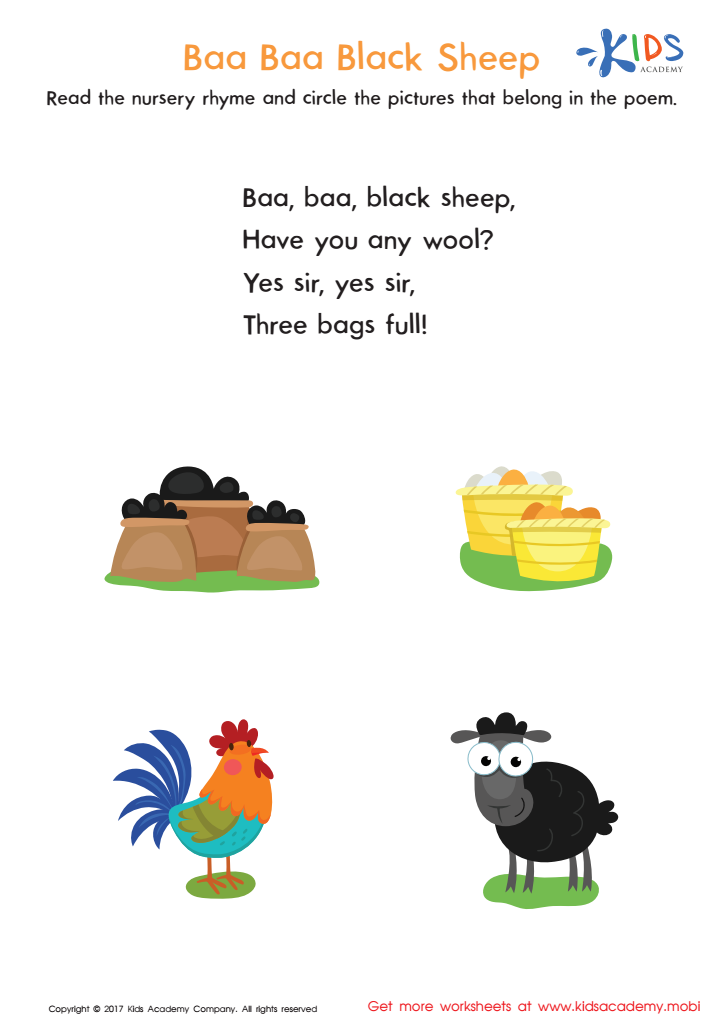
Baa Baa Black Sheep Printable
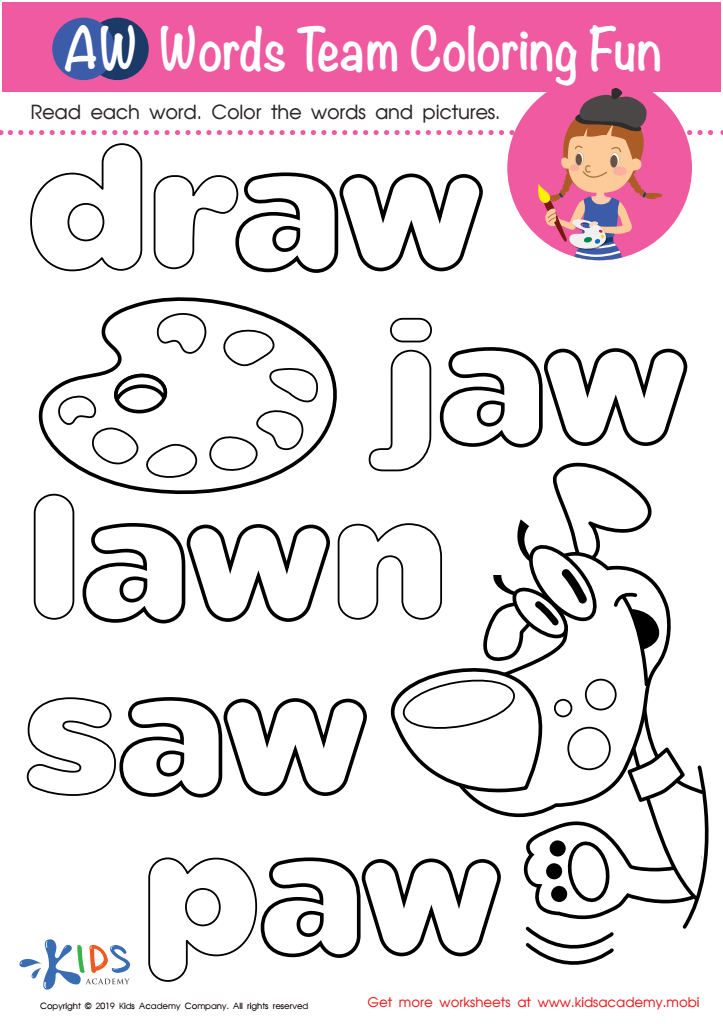
AW Words Team Coloring Fun Worksheet
 Assign to My Students
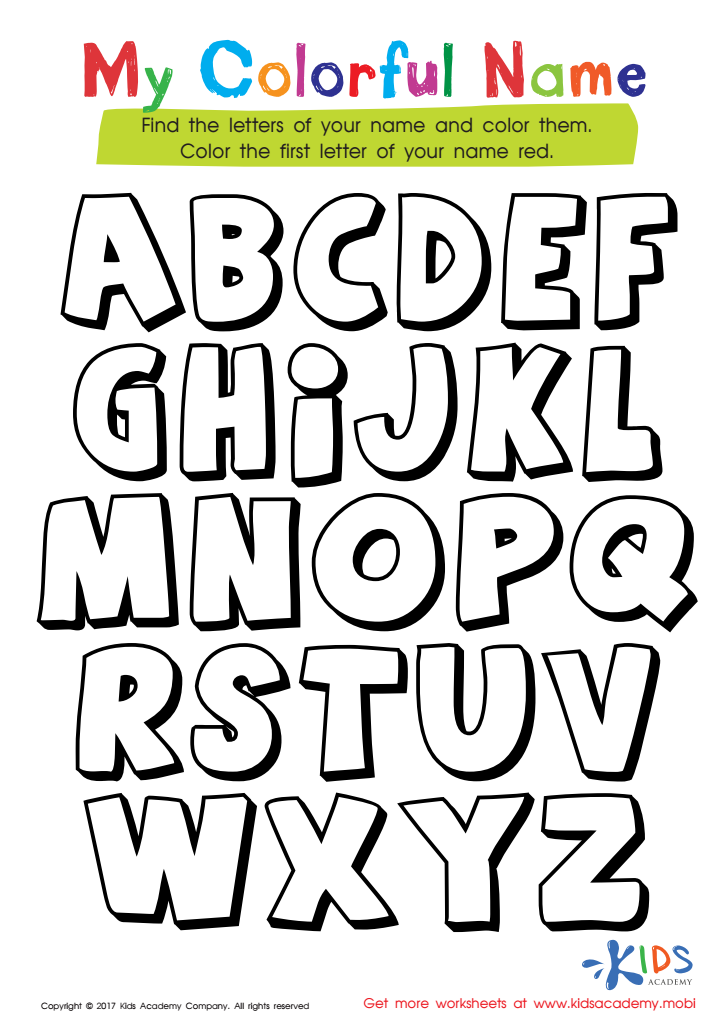
My Colorful Name Worksheet
Assign to My Students
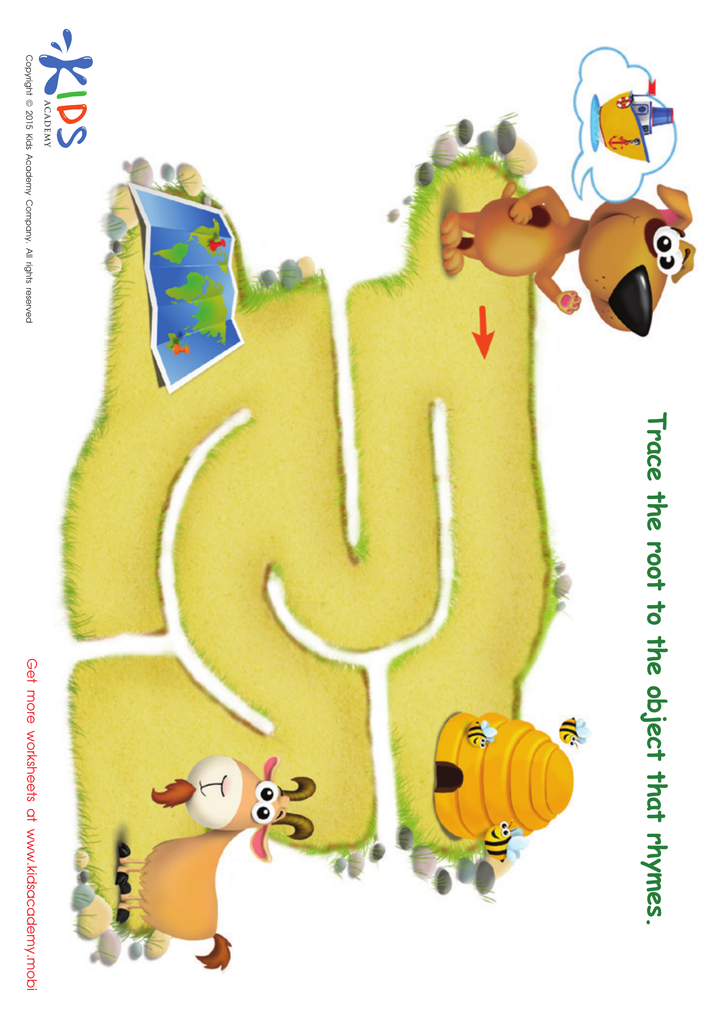
Boat Rhyming Words Worksheet
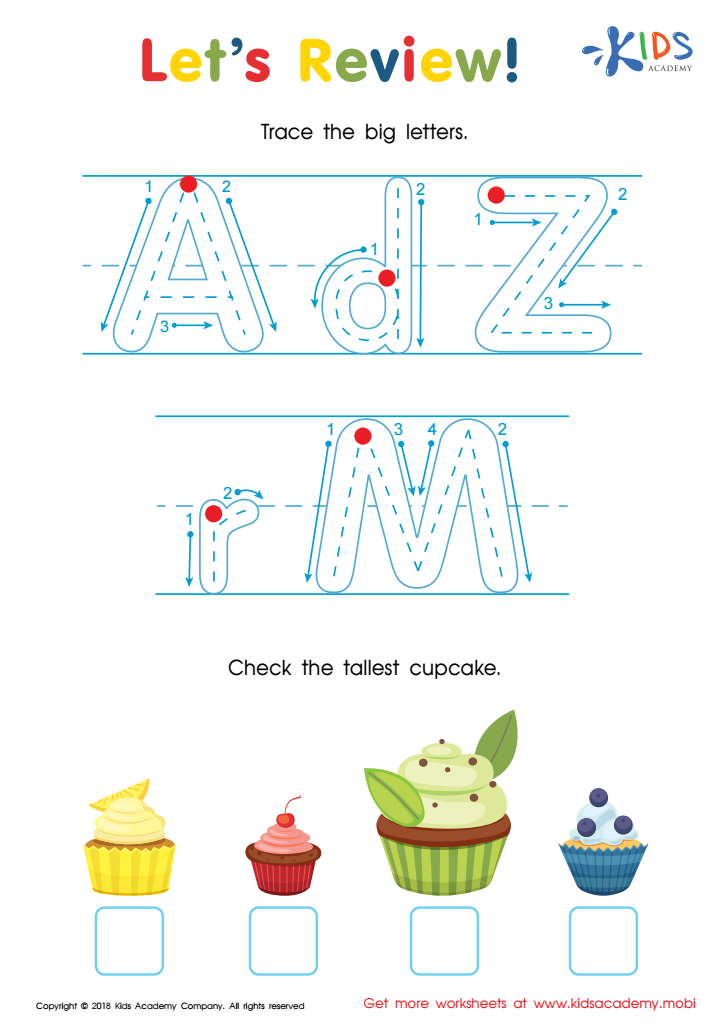
Let's Review! Big Letters Worksheet
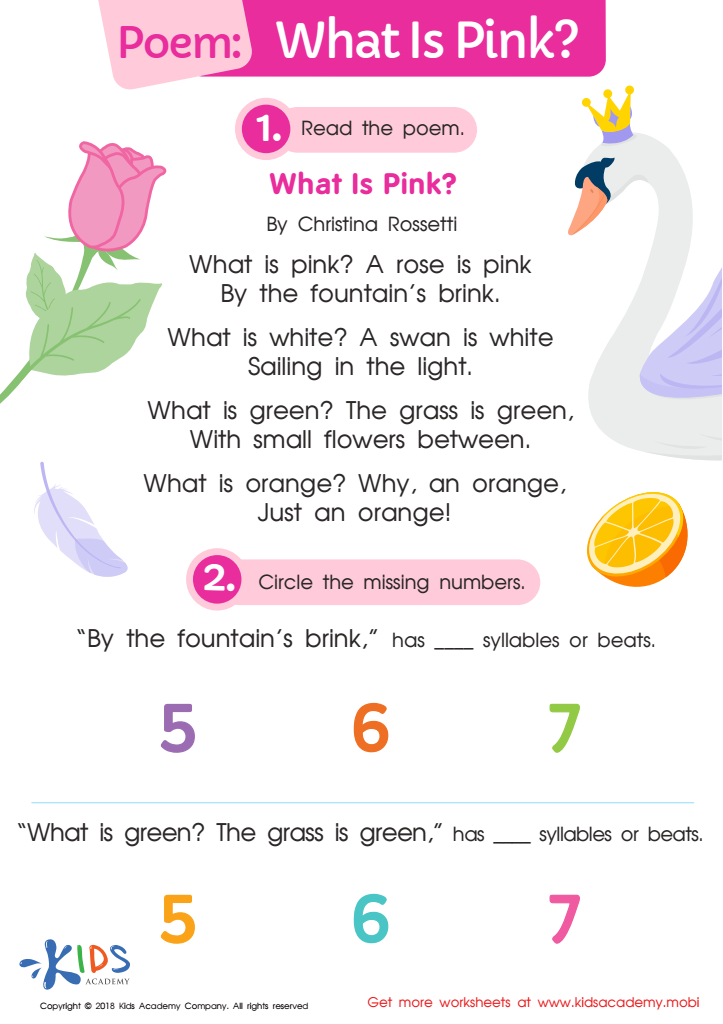
Poem: What Is Pink? Worksheet








Parents and teachers play a crucial role in the early development of children, especially in the critical ages of 4-8 years, which are foundational for cognitive growth. The Color Identification Alphabet is an educational tool that merges letter recognition with color learning, creating a multi-sensory experience that makes learning both dynamic and engaging for young minds.
By integrating colors with the alphabet, children can improve their recognition and recall abilities. Associating specific colors with different letters can enhance memory retention. For example, a child may remember the letter "A" more readily if it's consistently presented in red. This method caters to visual learners, who make up a significant portion of the learning population, and those who process information better through colors rather than solely through black-and-white text.
Additionally, the Color Identification Alphabet can support vocabulary expansion as children link objects, colors, and letters (such as “B” for a blue butterfly). This deepens understanding and makes connections in contexts they can easily grasp.
Furthermore, early exposure to such methods can lead to stronger literacy skills and a love for learning. It’s not simply about drilling information; it is about making learning an enjoyable adventure. In turn, this positive experience builds the foundation for future academic success and nurtures confidence in a young learner’s abilities.







