Handwriting improvement Letter Recognition Worksheets for Ages 4-8
5 filtered results
-
From - To
Enhance your child's handwriting and letter recognition skills with our engaging worksheets, specially designed for ages 4-8. Our "Handwriting Improvement Letter Recognition Worksheets" combine fun activities with educational techniques, ensuring young learners master letters while improving their writing abilities. Each worksheet features colorful illustrations, tracing exercises, and interactive tasks that develop fine motor skills and cognitive understanding of the alphabet. Perfect for home or classroom use, these resources will nurture confidence in young writers as they practice letter formation and recognition. Explore our collection today to empower your child's learning journey in a creative and enjoyable way!
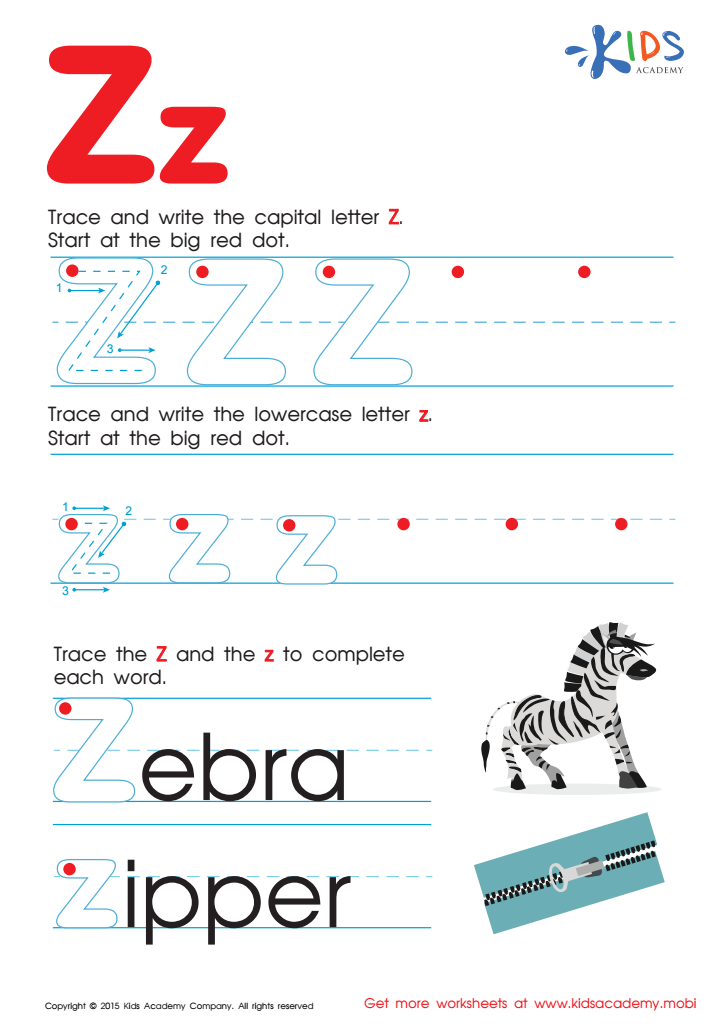
Letter Z Tracing Page
 Assign to My Students
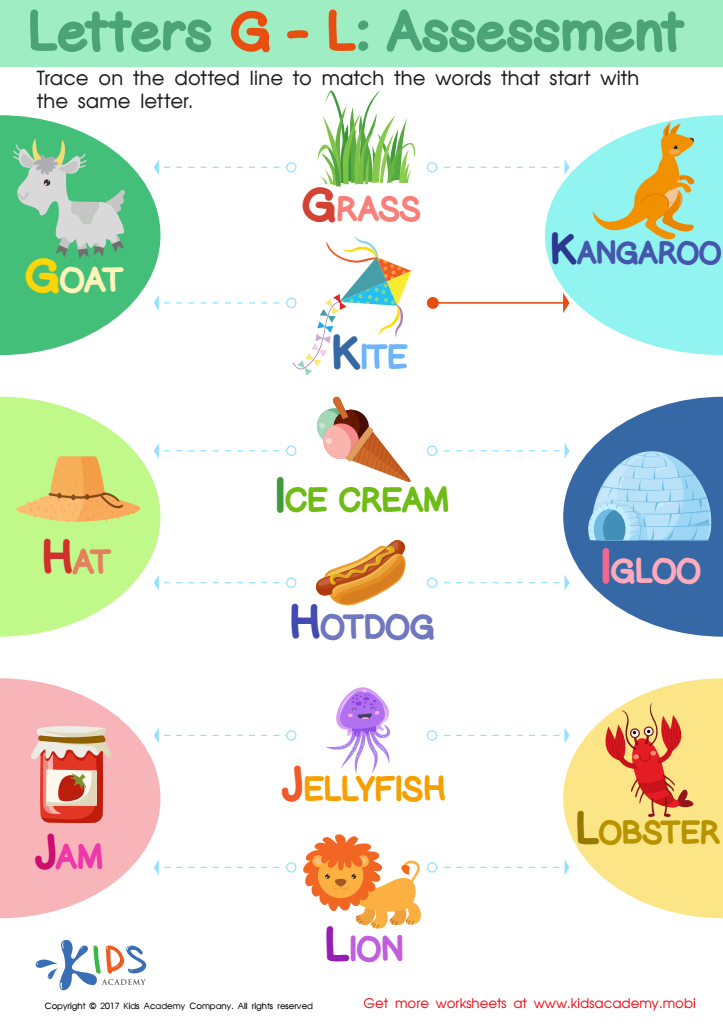
Letters G-L Worksheet
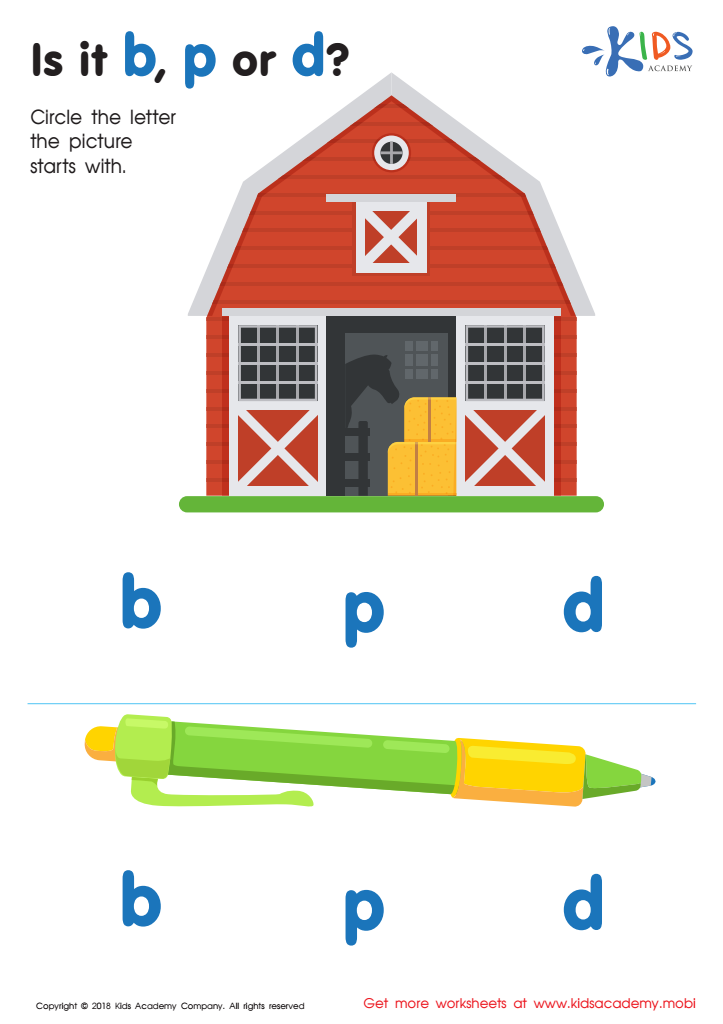
Is it b, p or d? Worksheet
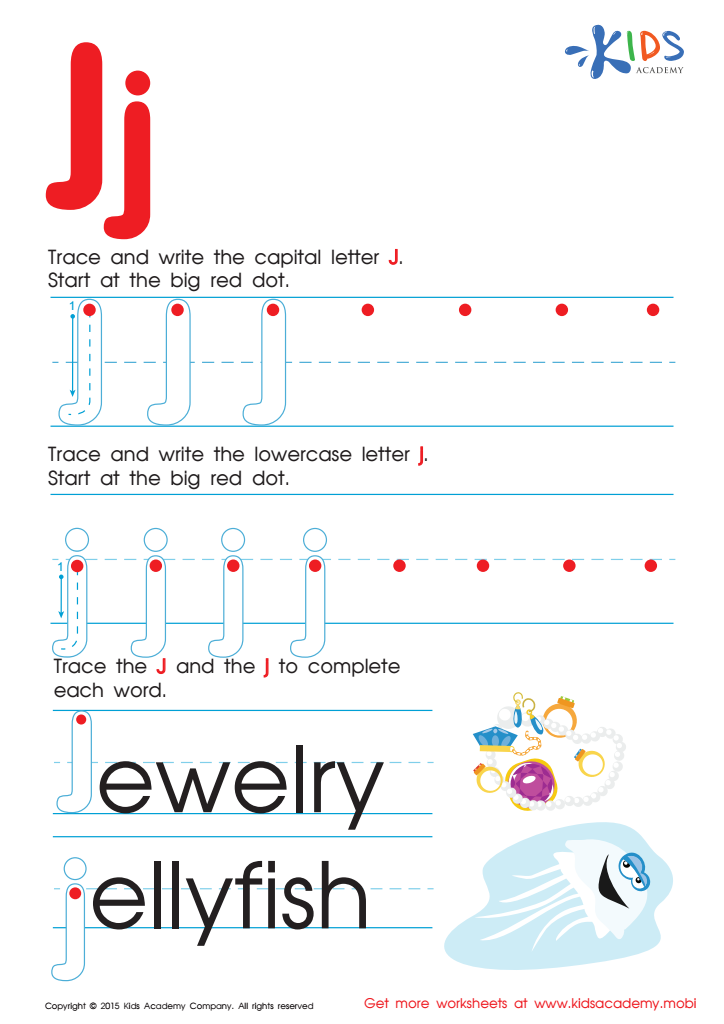
Letter J Tracing Page
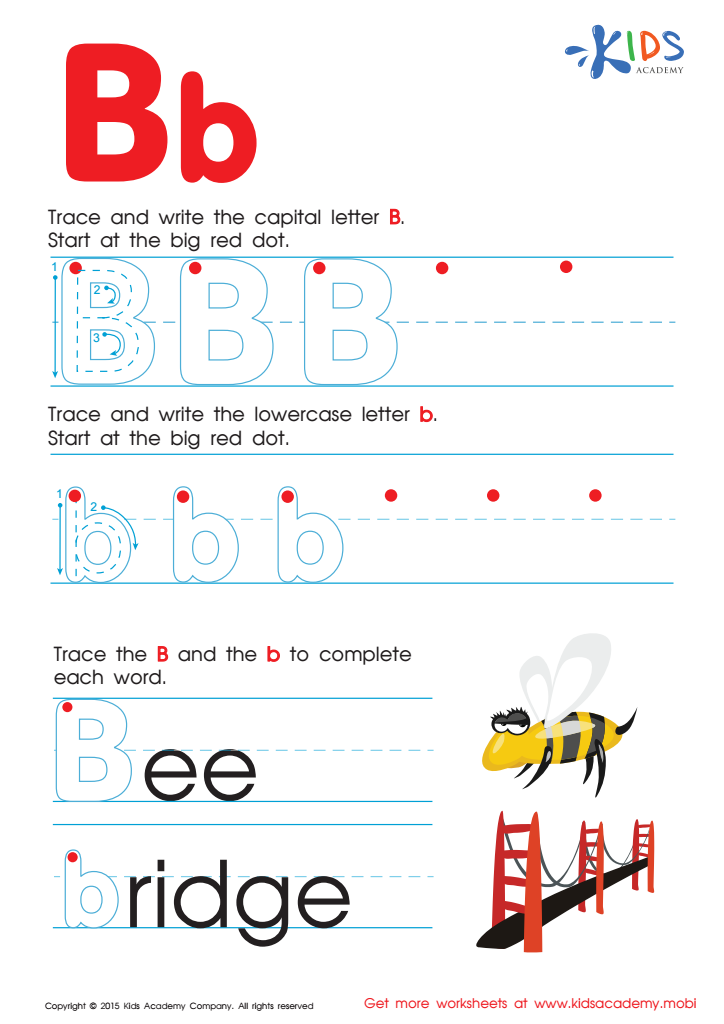
Letter B Tracing Page








Handwriting improvement and letter recognition are essential skills for children aged 4-8, forming the foundation for successful literacy development. During these formative years, children are developing fine motor skills and cognitive abilities that significantly influence their academic journey. Improved handwriting fosters better expression, allowing children to communicate their thoughts and ideas more clearly as they progress in school.
Letter recognition is equally crucial, as it helps children identify letters and understand their sounds, leading to word formation and reading comprehension. As parents and teachers nurture these skills, they enhance a child's confidence and motivation in learning. Mastery of handwriting and letter recognition not only impacts literacy but also instills discipline and focus as students learn the importance of practice and perseverance.
Moreover, strong handwriting and reading skills often correlate with increased academic success and a love for learning. When educators and caregivers prioritize these areas, they equip children with vital tools that contribute to long-term personal and academic growth. Ultimately, fostering handwriting improvement and letter recognition during these early years lays the groundwork for proficient reading and writing, ultimately shaping a child's capacity for expression, creativity, and critical thinking in a future reliant on effective communication.







