Motor skills development Letter Recognition Worksheets for Ages 4-8
5 filtered results
-
From - To
Our Motor Skills Development Letter Recognition Worksheets for Ages 4-8 blend essential learning with fun activities to boost fine motor abilities. Specifically designed for young learners, these engaging worksheets help children practice letter recognition while simultaneously honing their motor skills. Perfect for preschool and early grade children, the tasks include tracing, coloring, and drawing, ensuring a well-rounded approach to foundational literacy. Teachers and parents can trust these resources to support early education goals, fostering confidence and competence in young students. Empower your child's journey into reading with enjoyable, skill-building exercises. Visit our site for printables today!
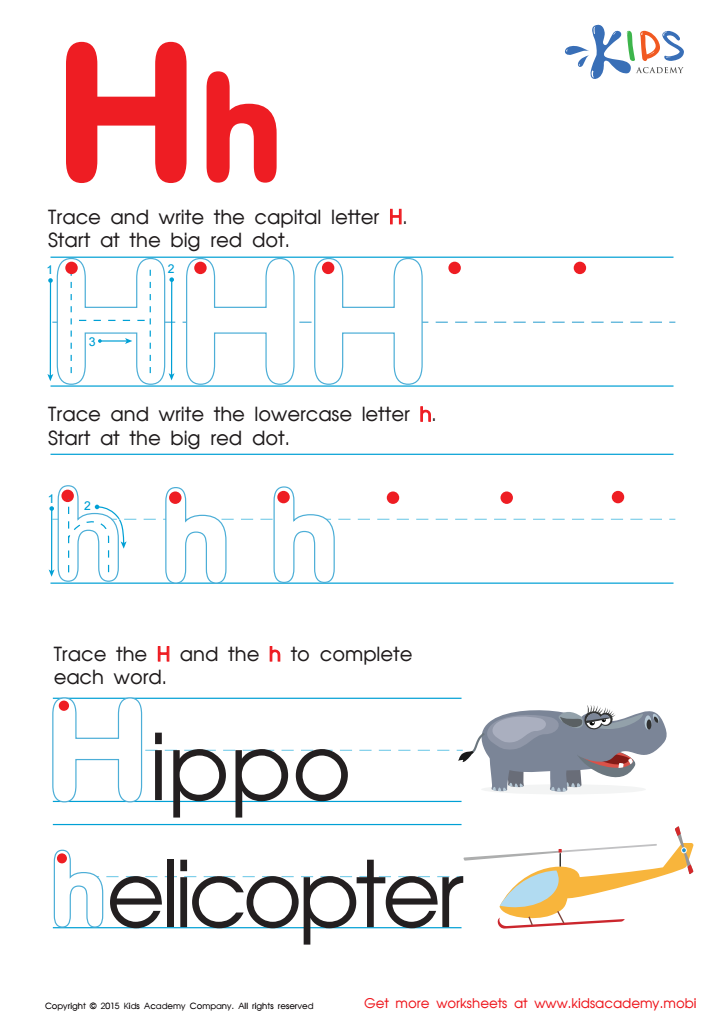
Letter H Tracing Page
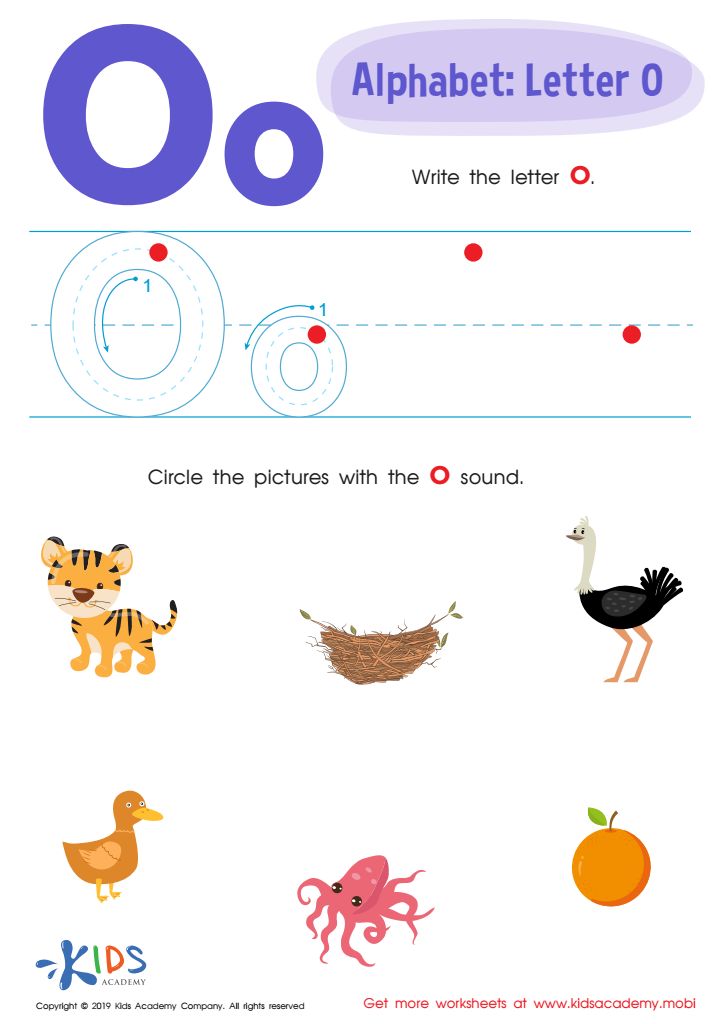
Letter O Tracing Worksheet
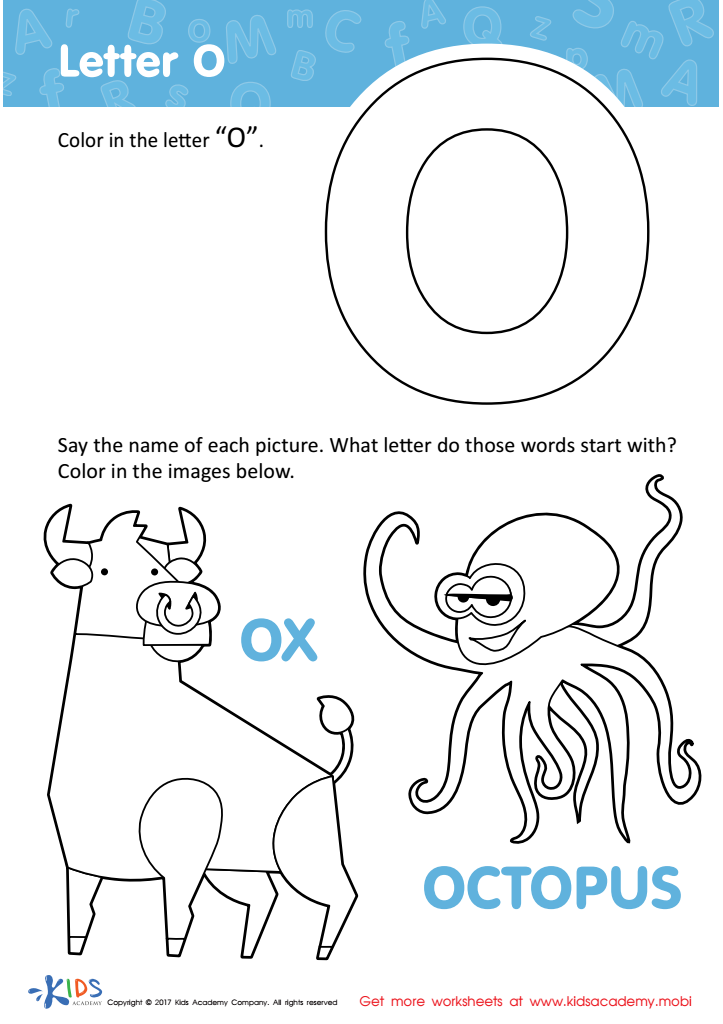
Letter O Coloring Sheet
 Assign to My Students
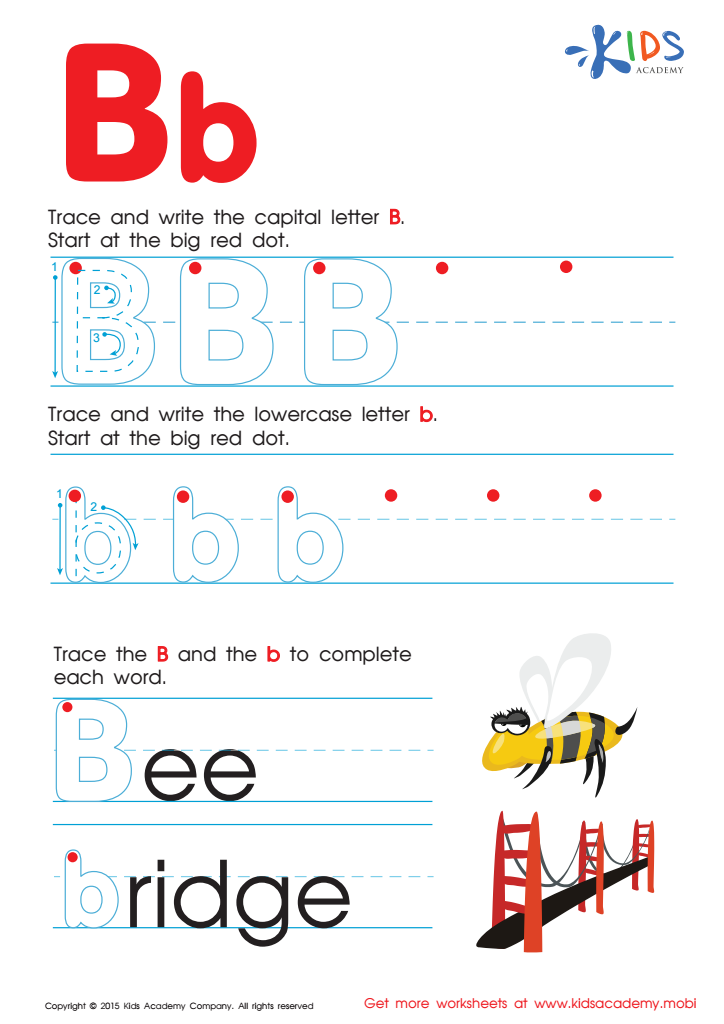
Letter B Tracing Page
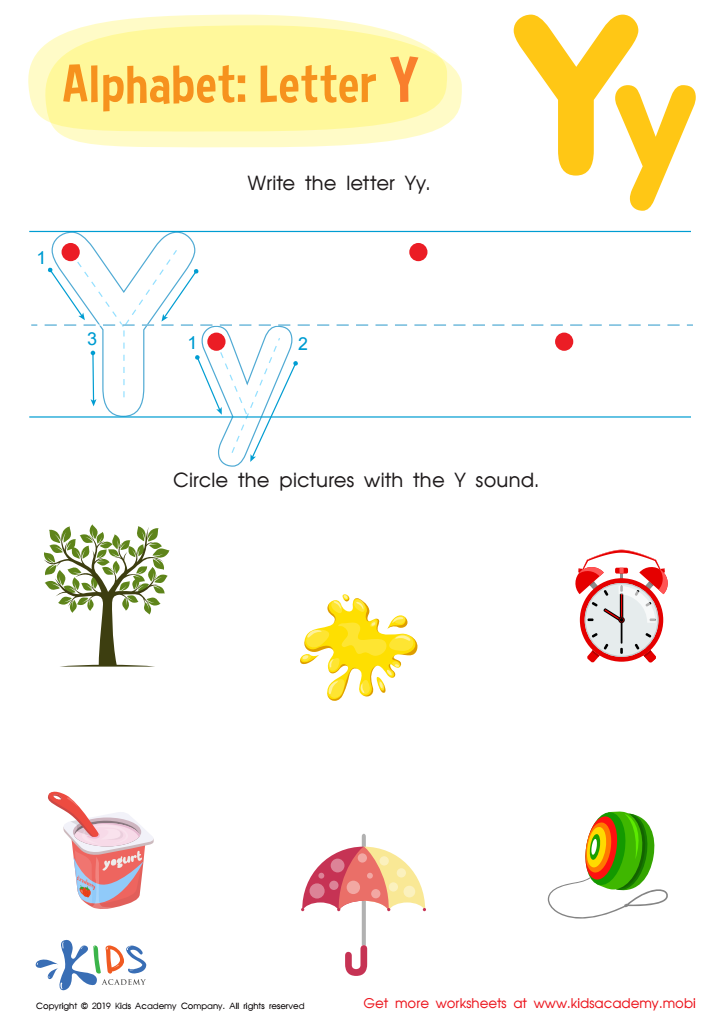
Letter Y Tracing Worksheet








Motor skills development and letter recognition are foundational components of early childhood education, and their significance cannot be overstated. For children aged 4-8, these skills are crucial in building a strong educational foundation and facilitating future academic success.
Motor skills encompass fine motor abilities, such as writing, cutting, and manipulating small objects. Developing these skills enhances hand-eye coordination and muscle strength, necessary for daily tasks and classroom activities. By mastering fine motor skills, children improve their ability to write letters, draw shapes, and undertake other academic tasks with precision, making learning more accessible and enjoyable.
Letter recognition, on the other hand, is the ability to identify and name letters—essential for reading and writing. Early recognition lays the groundwork for phonemic awareness—understanding that letters and sounds correspond—a key to decoding words. This early literacy skill is critical as it directly impacts a child’s capacity to read independently, comprehend text, and communicate effectively. Early emphasis on these skills fosters self-confidence, encourages enthusiasm for learning, and provides a smooth transition into more complex literacy and numerical tasks as children advance in their education.
Therefore, both parents and teachers should prioritize motor skills development and letter recognition, recognizing their indispensable role in a child's overall cognitive and academic growth.







