Fine Motor Skills Tracing Lines and Curves Worksheets for Ages 4-8
5 filtered results
-
From - To
Enhance your child's fine motor skills with our engaging tracing lines and curves worksheets designed specifically for ages 4-8. These worksheets provide a fun and interactive way for young learners to practice hand-eye coordination and precision while developing essential writing abilities. Each activity encourages concentration and strengthens the small muscles in their hands, preparing them for successful handwriting. With a variety of colorful designs and shapes to trace, your child will enjoy the process of learning while gaining confidence in their skills. Perfect for teachers and parents alike, these worksheets are an invaluable resource for early education exploration!
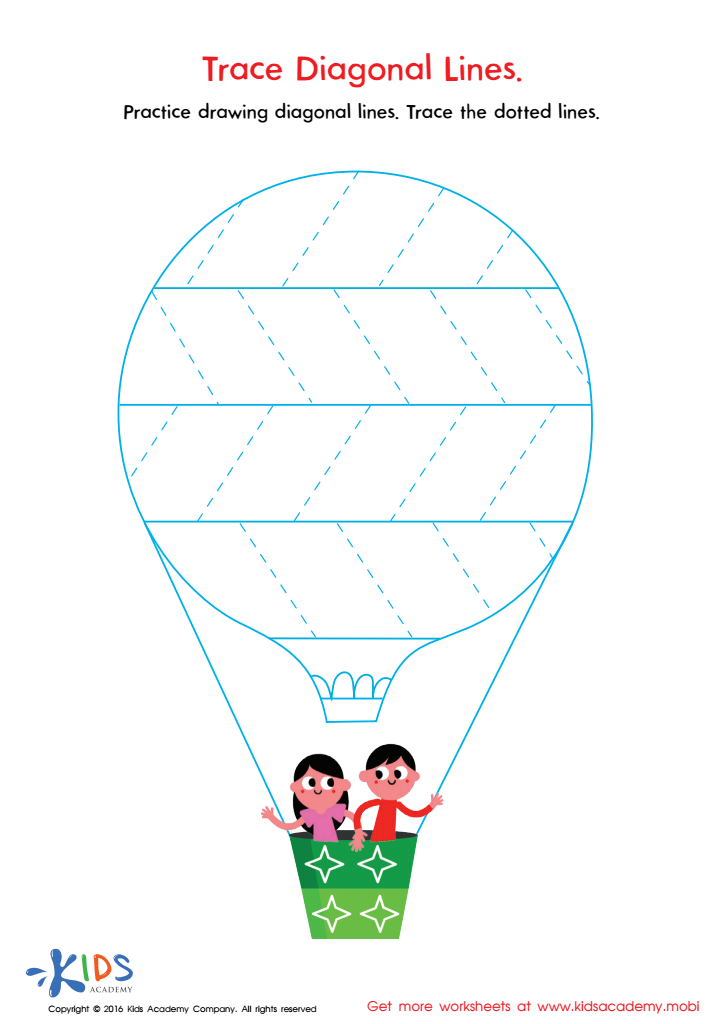
Trace Diagonal Lines Worksheet
 Assign to My Students
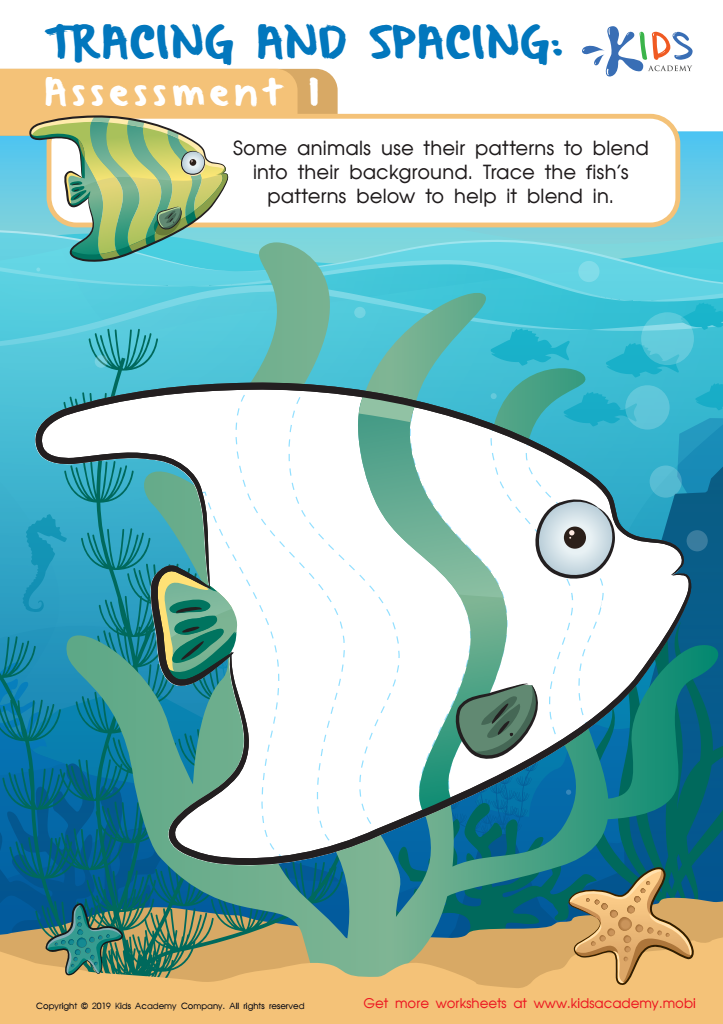
Tracing and Spacing: Assessment 1 Worksheet
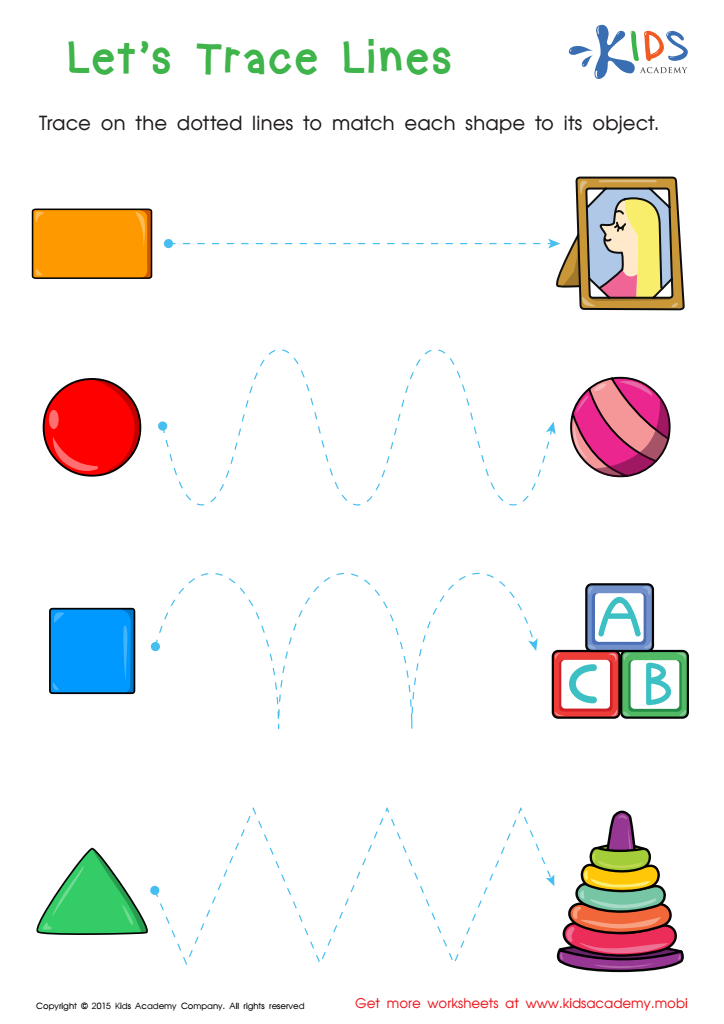
First Words: Let's Trace Lines Worksheet
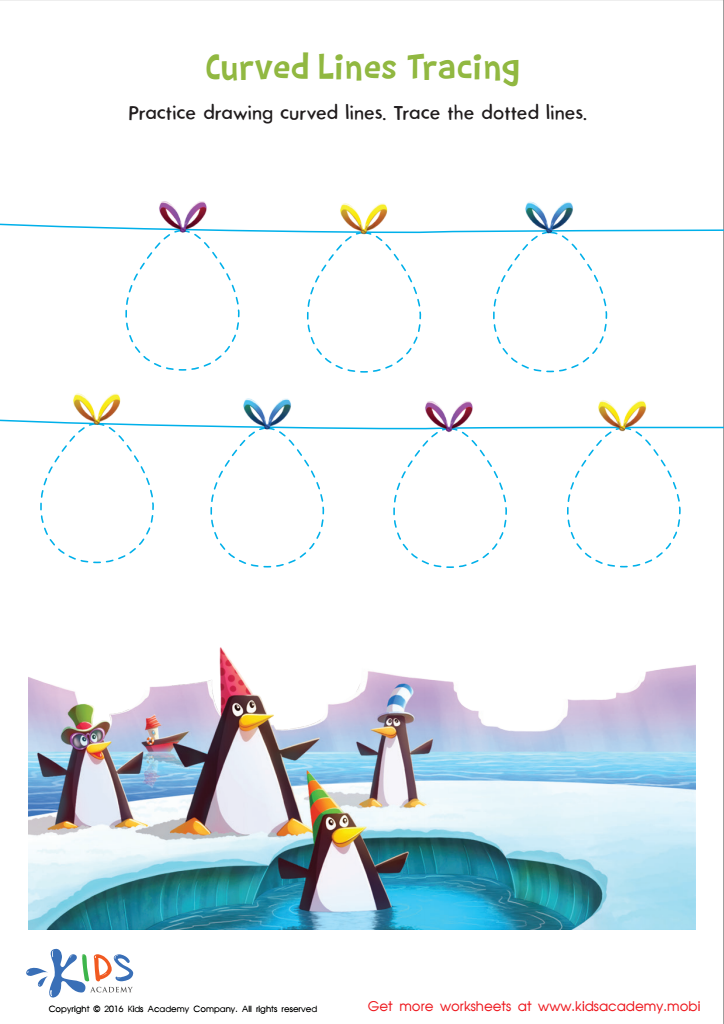
Curved Lines Tracing Worksheet

Tracing Lines Worksheet




Fine motor skills are crucial for children aged 4-8 as they play a significant role in their overall development. Tracing lines and curves helps young learners refine their dexterity, hand-eye coordination, and control over their fingers and hands. These skills are the foundation for more complex tasks later in life, such as writing, drawing, and performing everyday functional activities.
For parents and teachers, nurturing fine motor skills through tracing activities can enhance cognitive development. When children engage in these activities, they not only practice their grip and control but also enhance their focus and concentration. This foundational practice is essential for embedding spatial awareness, pattern recognition, and even early mathematical concepts, as children learn to navigate shapes, lines, and curves.
Moreover, fine motor skills are linked closely with a child's self-esteem and confidence. Mastery of these skills leads to a greater sense of achievement, encouraging them to engage in more complex tasks without frustration. By fostering an environment where fine motor skill development is prioritized through tracing and other meaningful activities, parents and teachers can support children's independence and readiness for academic and life challenges. Therefore, investing time in developing these skills can yield long-term benefits for children's overall success.








