Visual discrimination Upper & Lowercase Letters Worksheets for Ages 4-8
4 filtered results
-
From - To
Our "Visual Discrimination Upper & Lowercase Letters Worksheets" for ages 4-8 are designed to help young learners differentiate between letters. Through engaging activities and fun exercises, children will enhance their ability to spot differences and similarities between uppercase and lowercase characters. These educational worksheets support early reading skills, paving the way for successful literacy development. Perfect for both classroom and at-home learning, our carefully crafted materials aim to make learning enjoyable and effective. Set the foundation for your child’s academic journey with our interactive visual discrimination resources, and watch them thrive in recognizing letters with confidence.
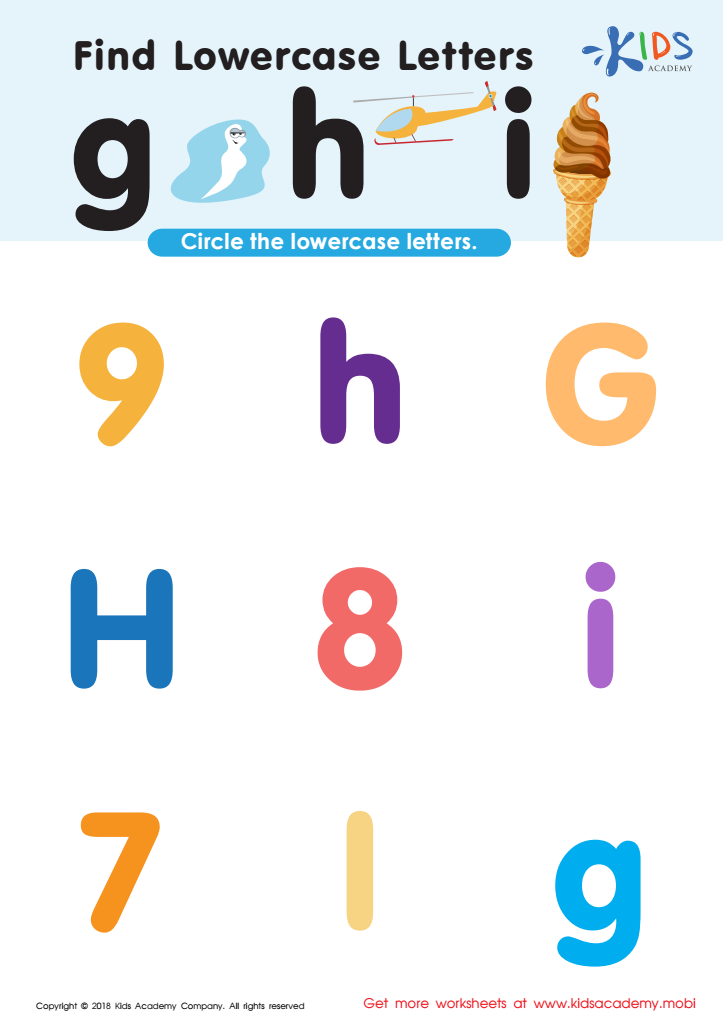
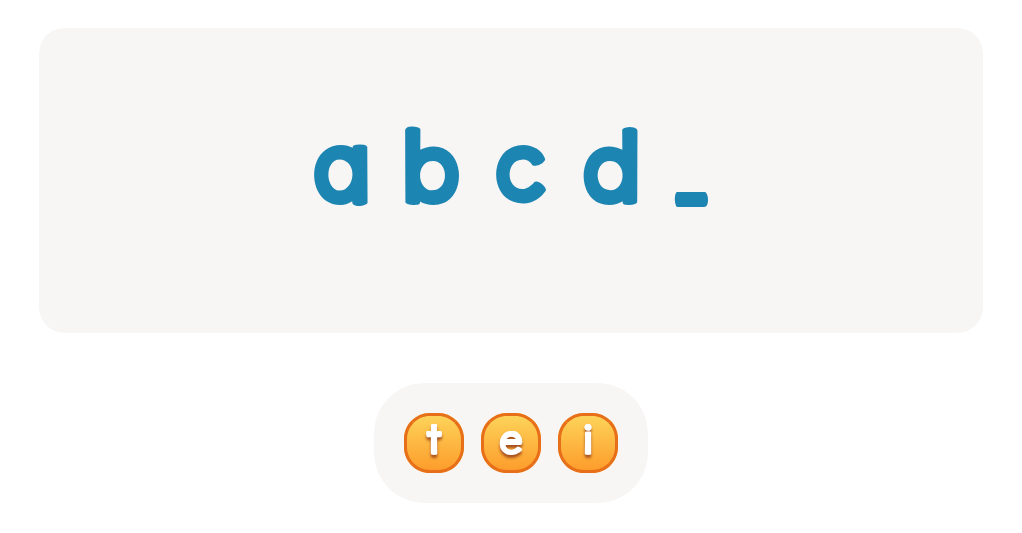
Find Lowercase Letters g h i Worksheet
 Assign to My Students
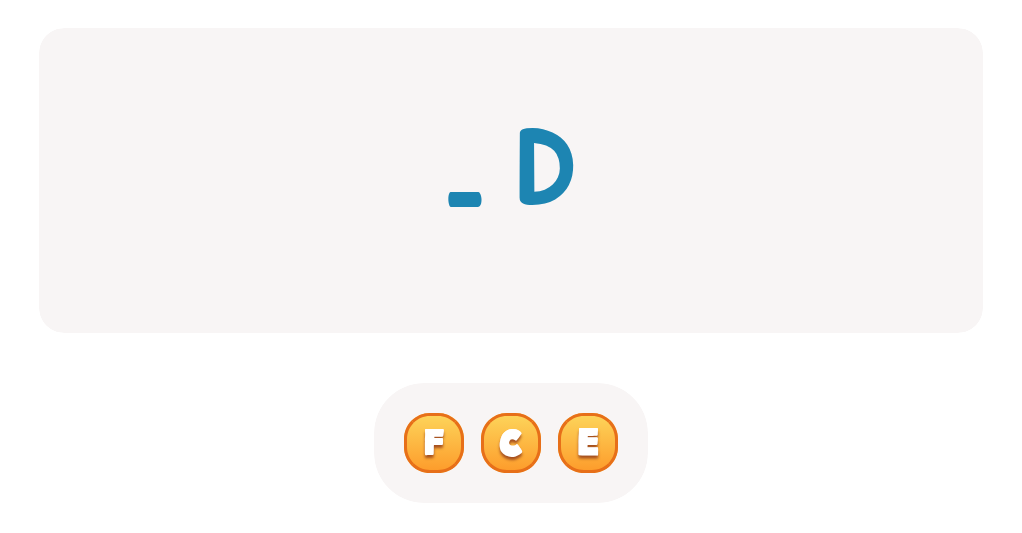

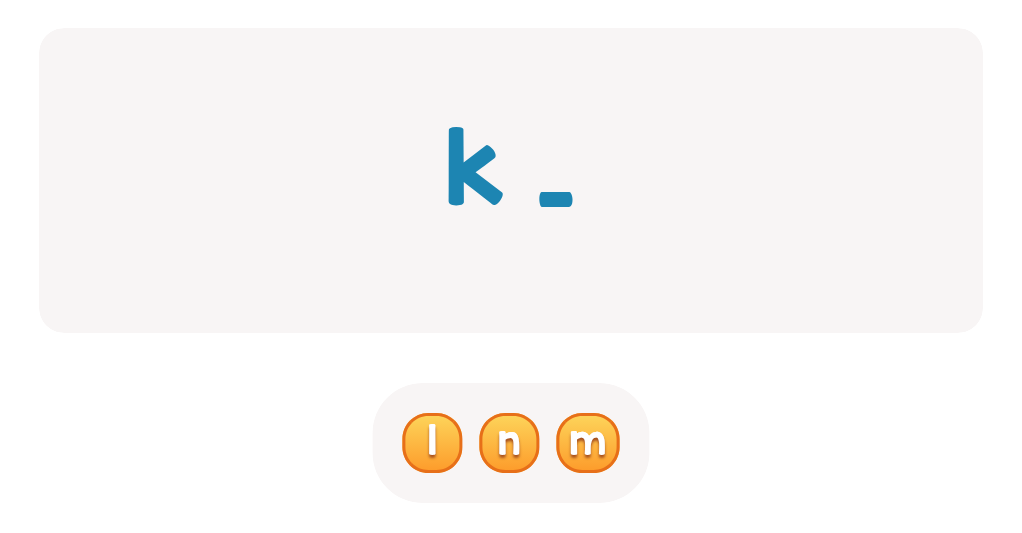
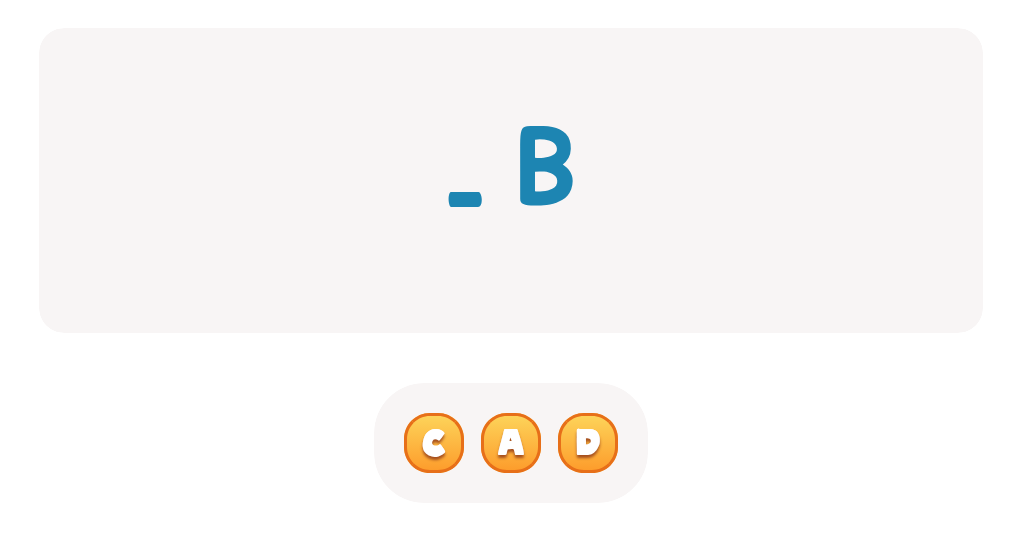
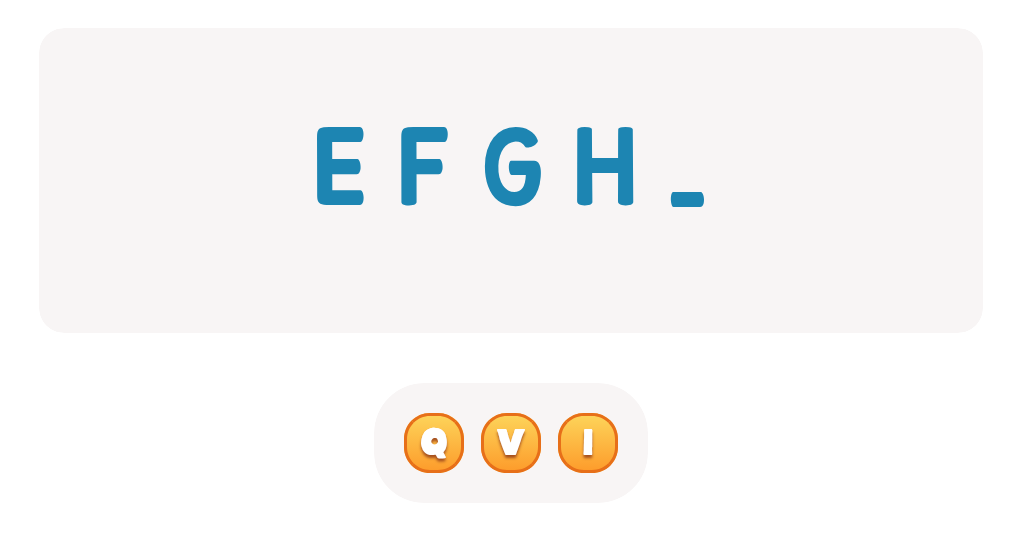
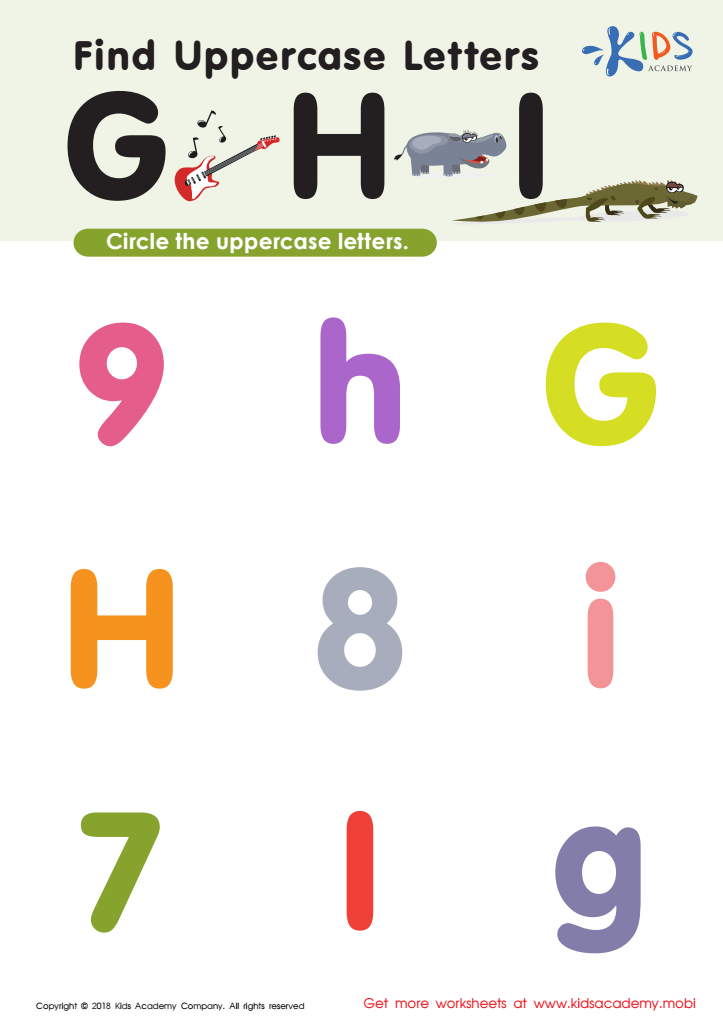
Find Uppercase Letters G, H, and I Worksheet
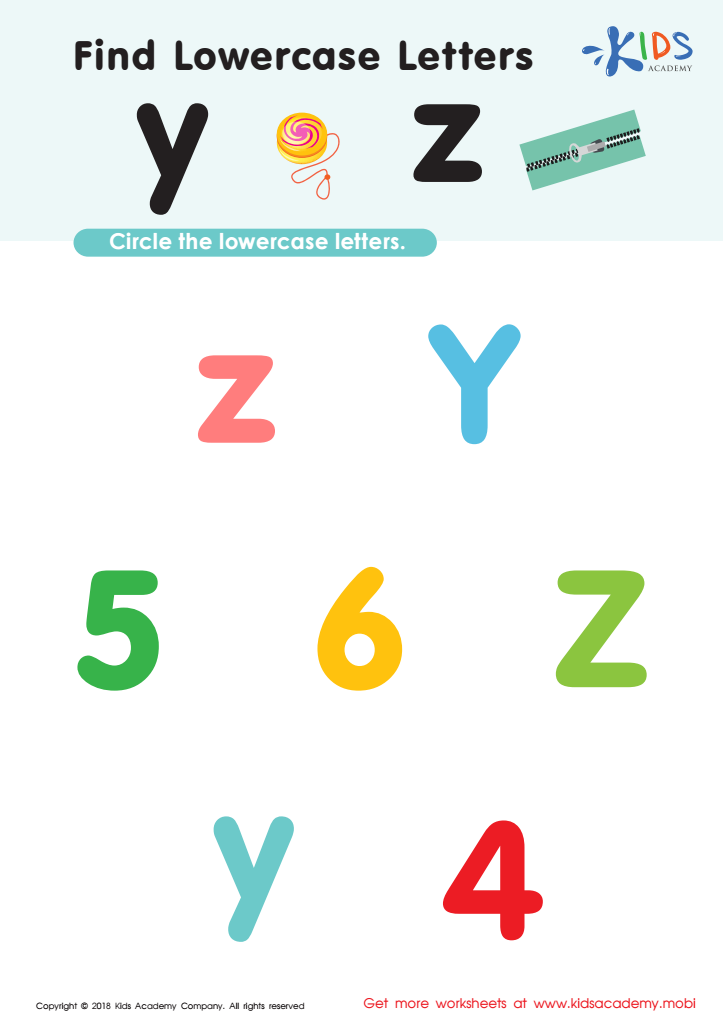
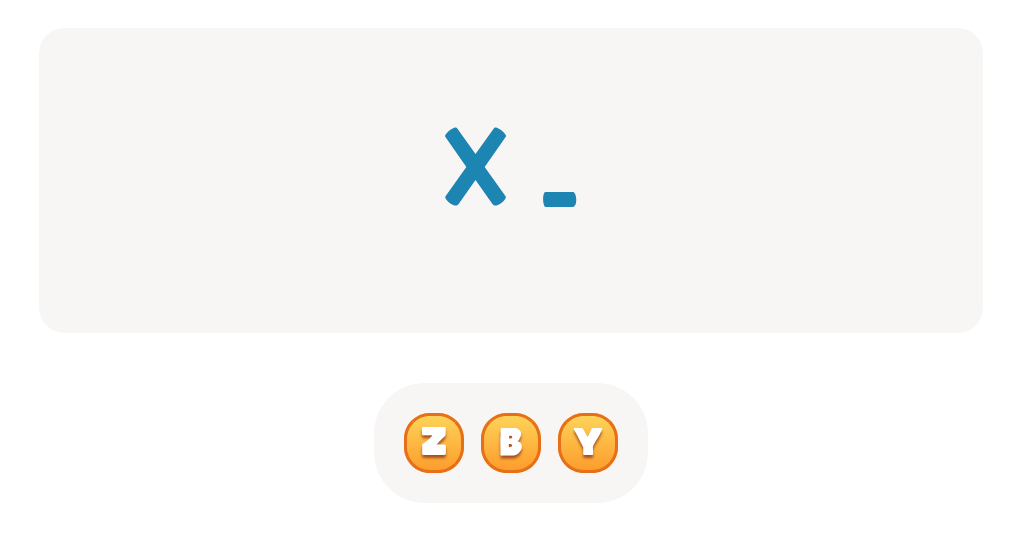
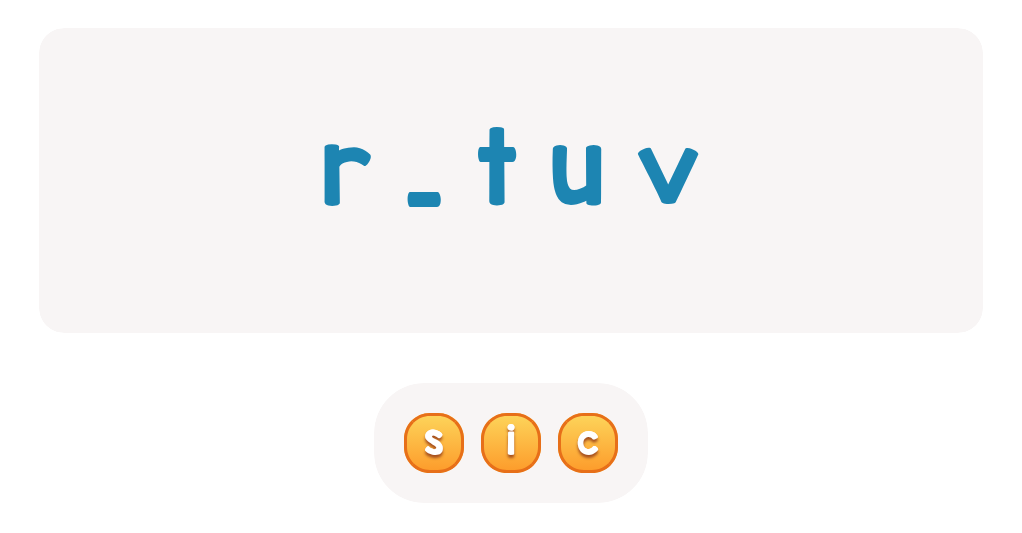
Find Lowercase Letters y z Worksheet

Find Uppercase Letters V, W, X Worksheet






Visual discrimination of uppercase and lowercase letters is crucial for children ages 4-8 as it forms the foundation for effective reading and writing. When children can distinguish between different letters accurately, they are better able to understand and produce written language. This skill directly influences their ability to recognize words, comprehend text, and communicate effectively.
One of the primary reasons parents and teachers should prioritize this skill is due to its impact on literacy development. Early literacy development sets the stage for future academic success and love for learning. Children who struggle with visual discrimination may face difficulties in spelling, reading fluency, and comprehension, potentially leading to frustration and reduced self-esteem.
Moreover, young children are in a critical period of cognitive development where they are highly receptive to learning new skills. Introducing visual discrimination activities during these early years ensures that children build a robust foundation, making the transition to more complex reading and writing tasks smoother.
Educational activities that enhance visual discrimination can be enjoyable and engaging, fostering a positive learning environment. These might include matching games, alphabet puzzles, and interactive storytelling, which not only aid skill development but also promote a love for learning. Thus, investing time in honing visual discrimination abilities is key to unlocking a child's full potential in literacy and beyond.







