Fine Motor Skills Color Words Worksheets for Ages 4-8
4 filtered results
-
From - To
Enhance your child’s fine motor skills and color word recognition with our engaging Fine Motor Skills Color Words Worksheets, designed for ages 4-8. These printable worksheets foster crucial early learning by combining the fun of coloring with the development of hand-eye coordination and precision. Perfect for young learners, including those learning English as a second language, these activities make education playful and effective. Each worksheet encourages kids to trace, color, and identify various color words, promoting both cognitive and motor skill advancement. Start your child's journey towards confident writing and color literacy today!
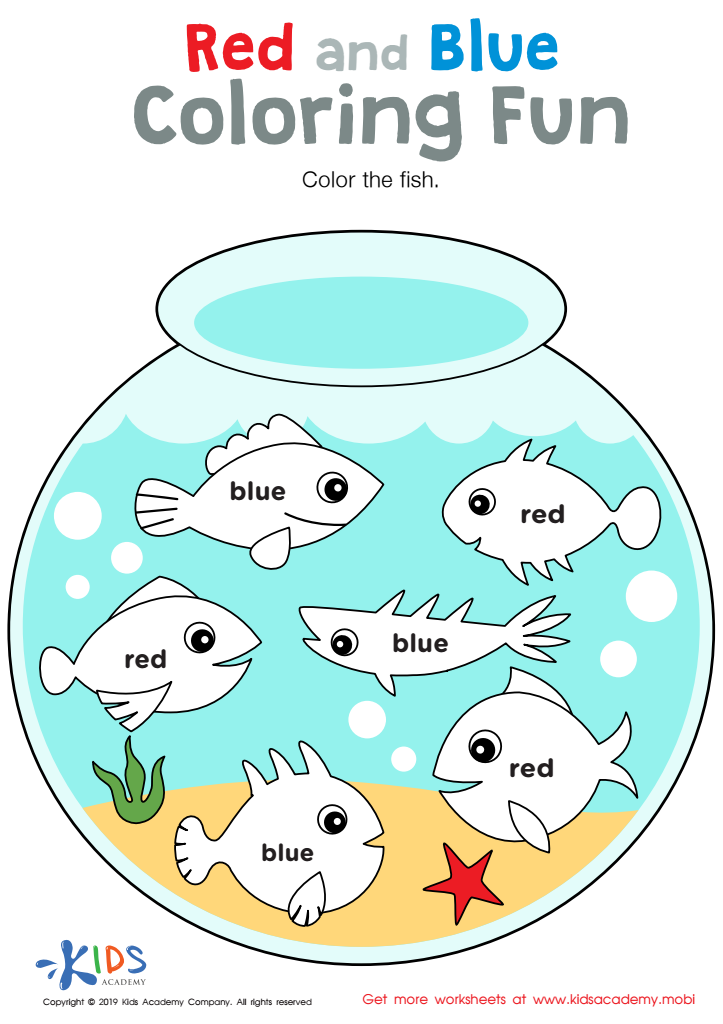
Red and Blue Coloring Fun Worksheet
 Assign to My Students
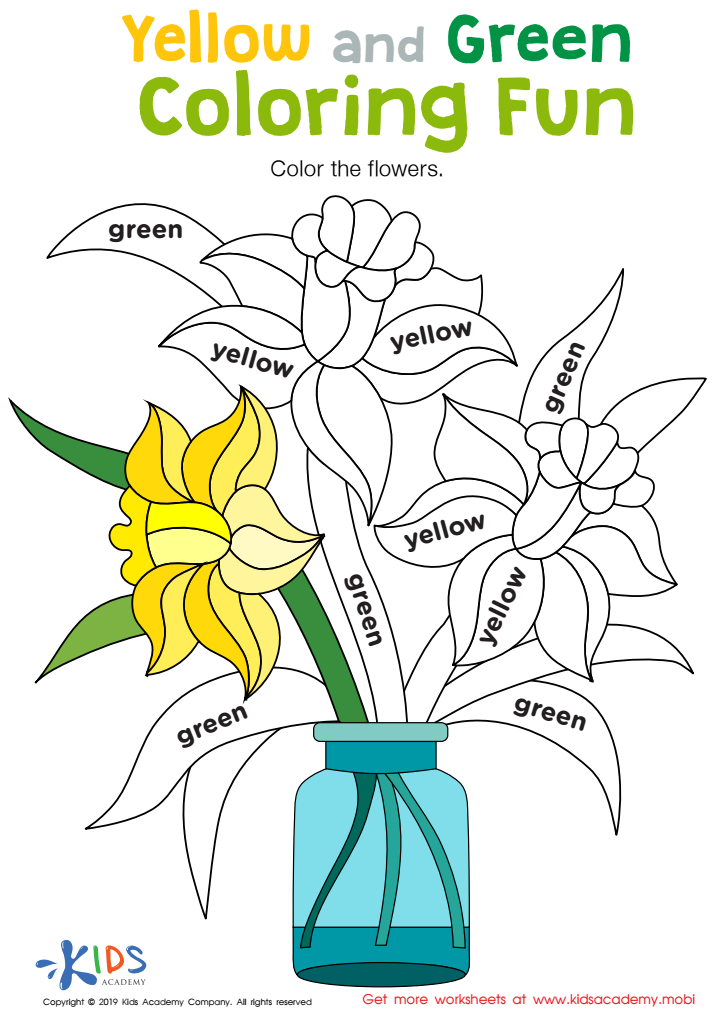
Yellow and Green Coloring Fun Worksheet
Assign to My Students
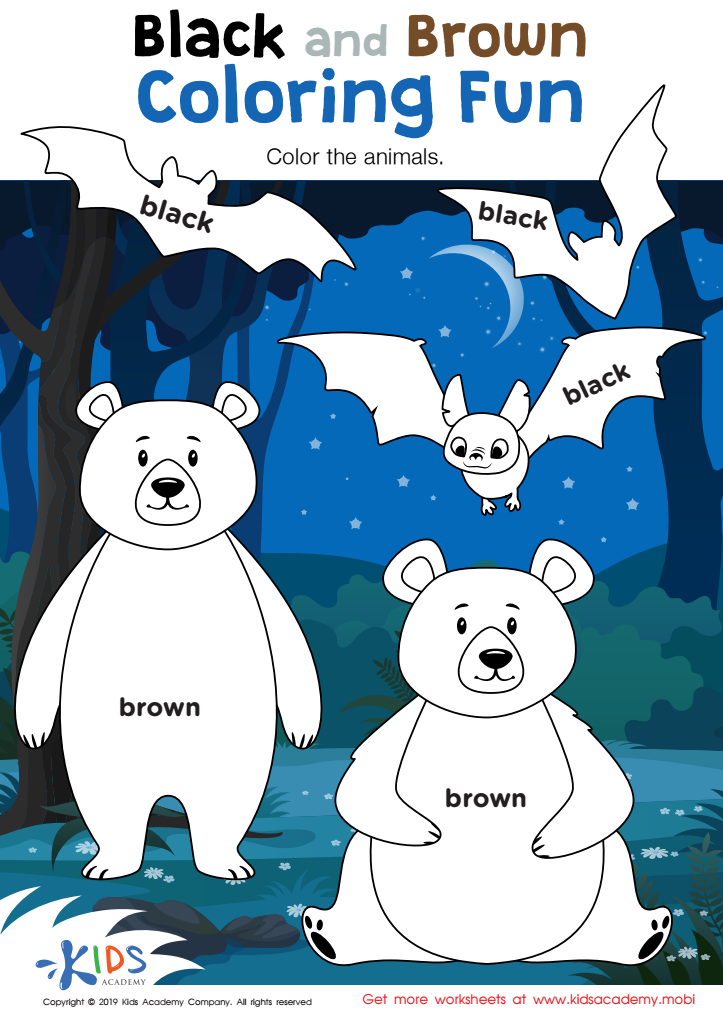
Black and Brown Coloring Fun Worksheet
Assign to My Students
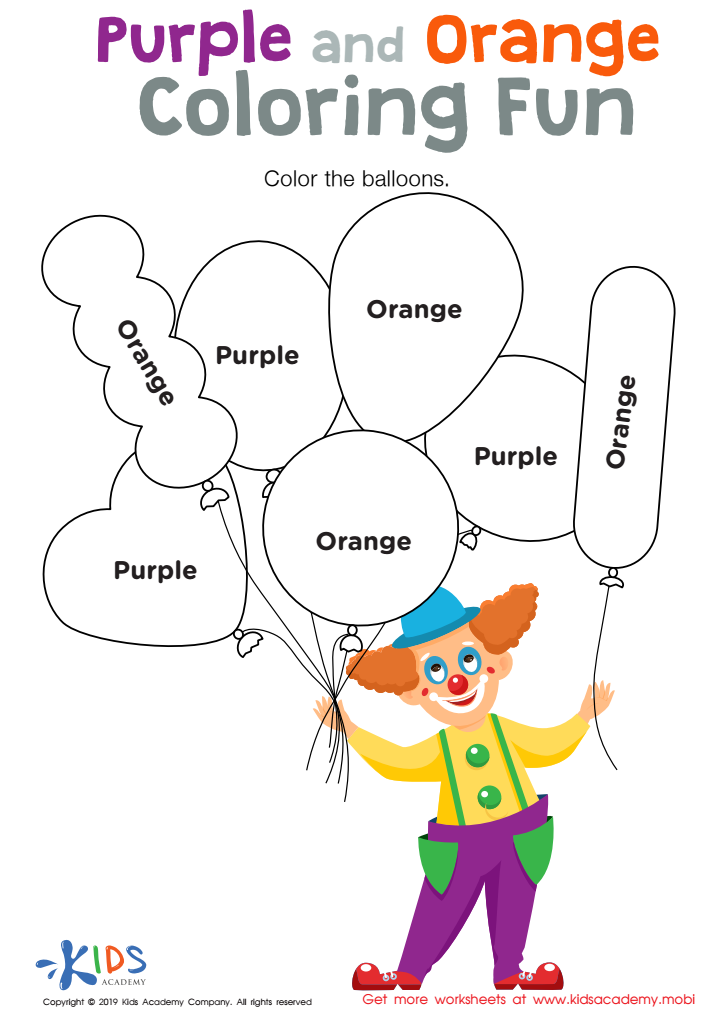
Purple and Orange Coloring Fun Worksheet
Assign to My Students



Fine Motor Skills and recognizing color words are crucial developmental milestones for children ages 4-8. Fine motor skills involve the coordination of small muscles in activities like writing, cutting, and buttoning clothes. These skills are foundational for everyday tasks and academic success. When children work on activities involving coloring within lines or tracing shapes, their hand-eye coordination, dexterity, and grip strength improve. These abilities are essential as they eventually aid in developing competent writing skills, which are pivotal for overall literacy.
Recognizing color words, on the other hand, nurtures early literacy and cognitive skills. Encouraging children to identify and read color words not only increases their vocabulary but also bridges the gap between spoken and written language, facilitating better reading comprehension. Understanding color terms enhances cognitive processes such as identifying, categorizing, and differentiating, laying a groundwork in both thinking and communication.
Incorporating fine motor skills and color word recognition into practice enriches the child's sensory experience, making learning engaging and multifaceted. Therefore, attentive cultivation in these areas prepares children more holistically for academic challenges ahead, shapes their hands-on abilities, and fosters basic literacy, setting a strong base for future educational achievements.








