Animal identification Worksheets for Ages 4-8 - Page 3
52 filtered results
-
From - To
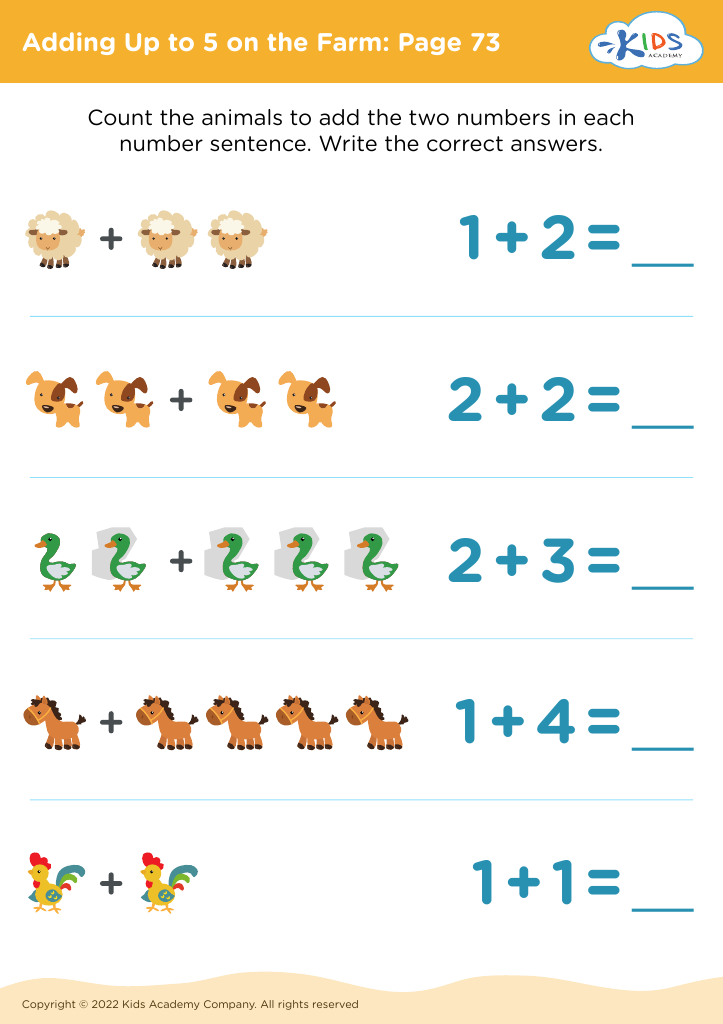
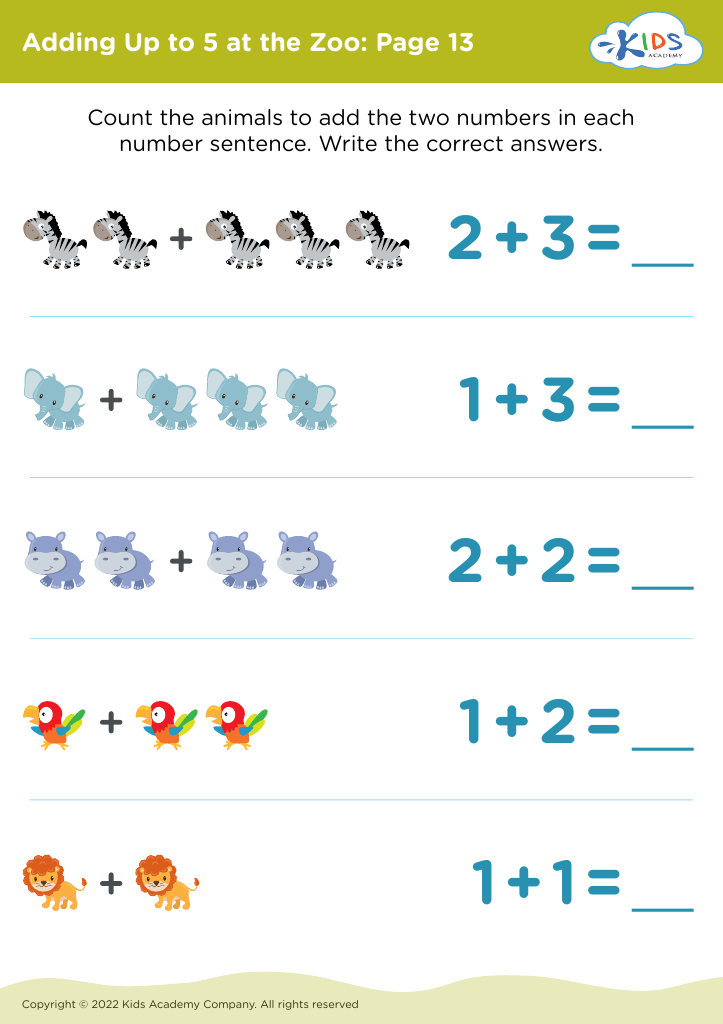
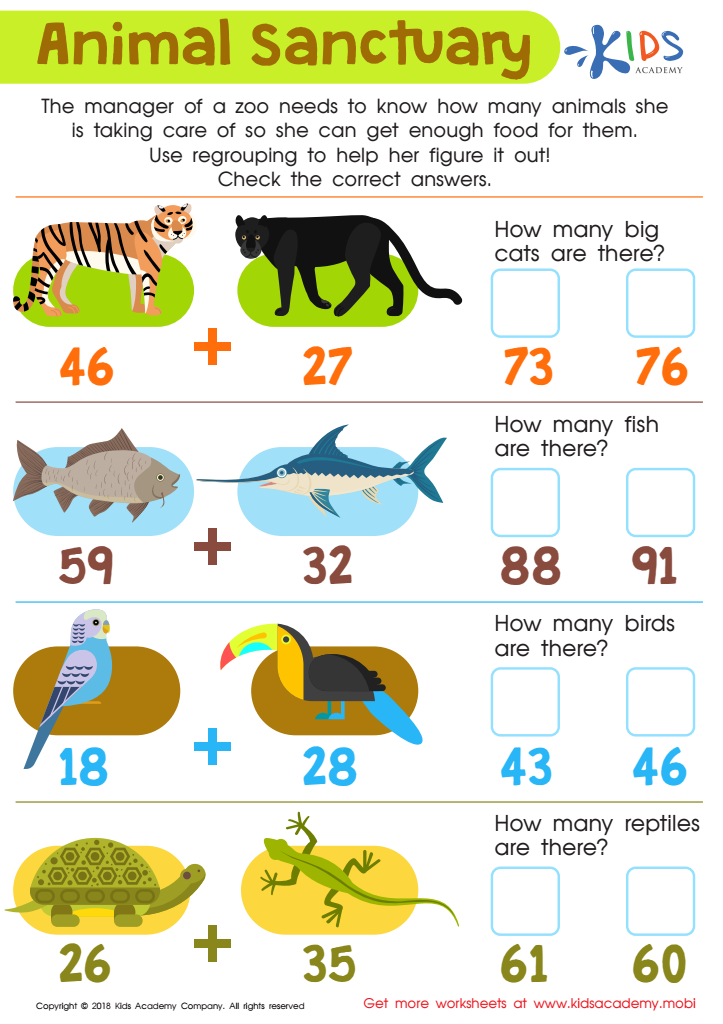
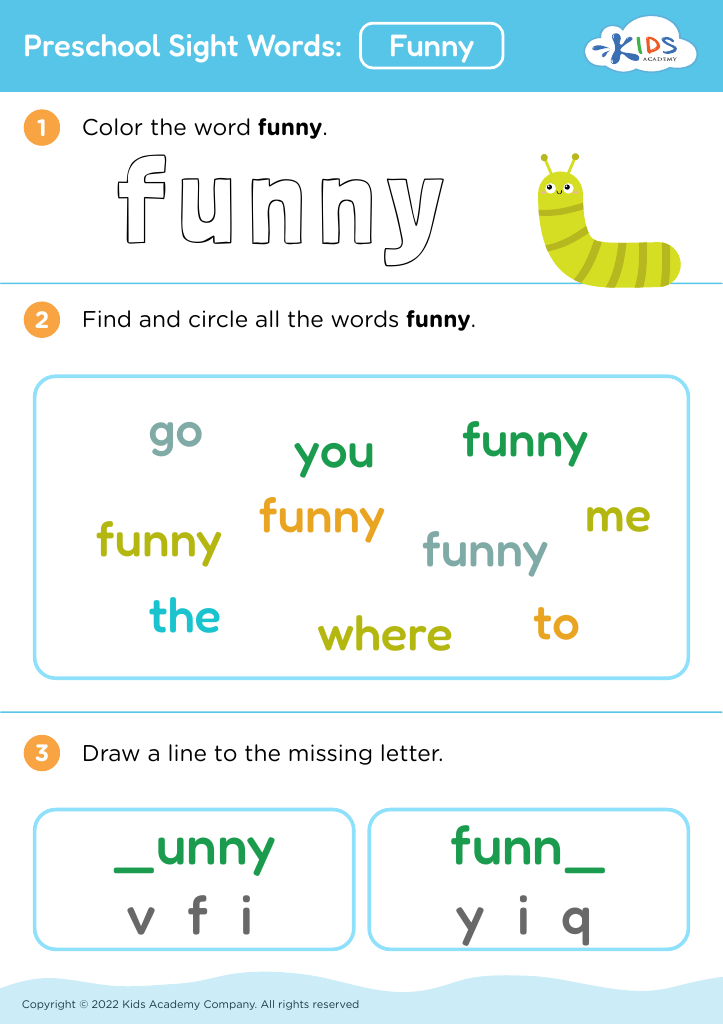
Animal Sanctuary Worksheet
 Assign to My Students




.jpg)



Parents and teachers should care about animal identification for children ages 4-8 because it broadens their understanding of the world around them and fosters curiosity. At this age, children are naturally inquisitive, and introducing them to animal identification encourages them to observe and engage with their environment. This activity promotes critical thinking skills as kids learn to differentiate between various species, understand their habitats, and recognize their unique characteristics.
Moreover, learning about animals teaches children important concepts about biodiversity and ecosystems. It instills a sense of responsibility and appreciation for living things, inspiring them to be stewards of the planet as they grow. Animal identification can also enhance language and literacy skills, as children learn the names and traits of different animals and share their knowledge with peers.
Additionally, these activities can build emotional connections; when children learn about animals, they often feel empathy towards them. Whether through books, field trips, or hands-on experiences, engaging with animals can foster a love for nature, science, and exploration. Parents and teachers play a crucial role in facilitating these connections, ensuring that lessons about animal identification are both fun and informative, laying the foundation for lifelong learning.








