Attention to Detail Worksheets for Ages 4-8 - Page 2
29 filtered results
-
From - To
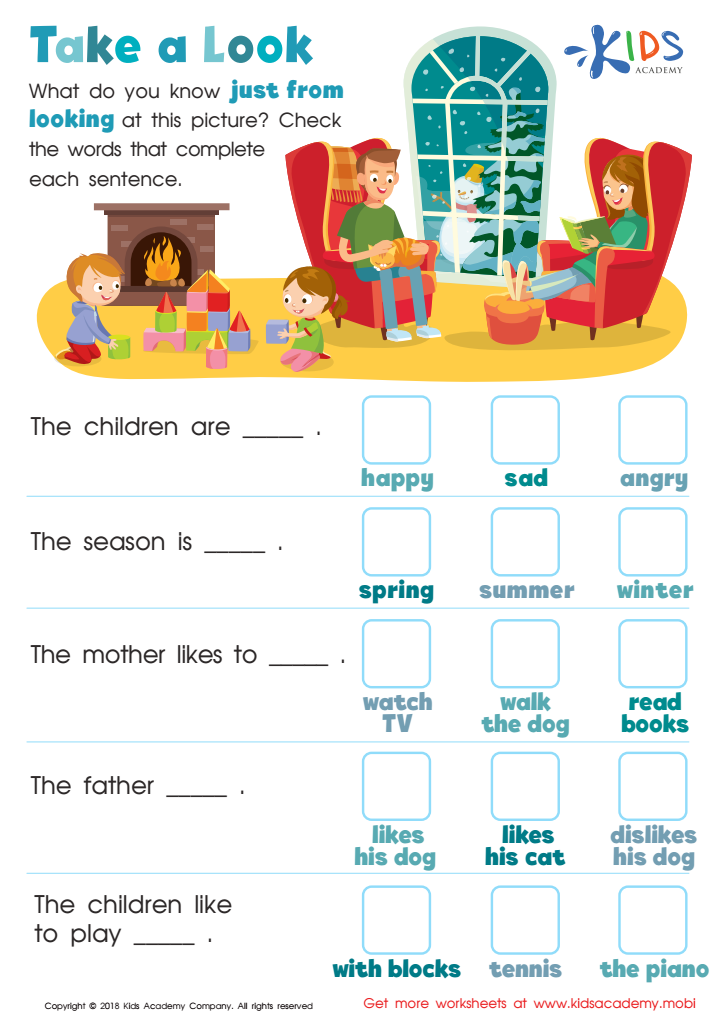
Take a Look - Part 1 Worksheet
 Assign to My Students
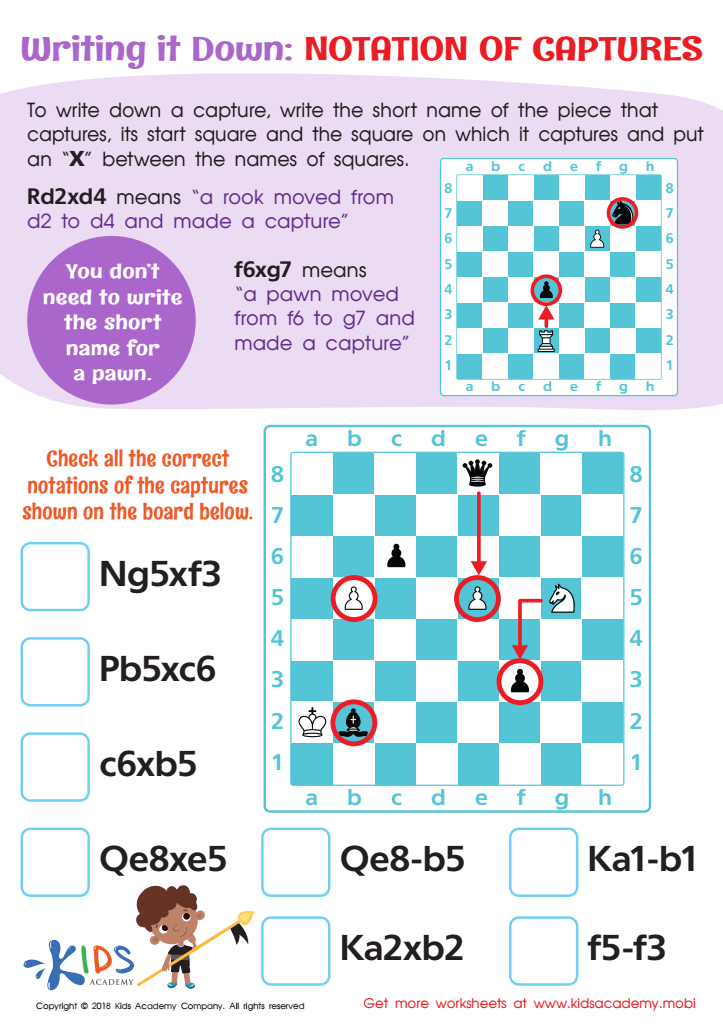
Notation of Captures Writing it Down Worksheet
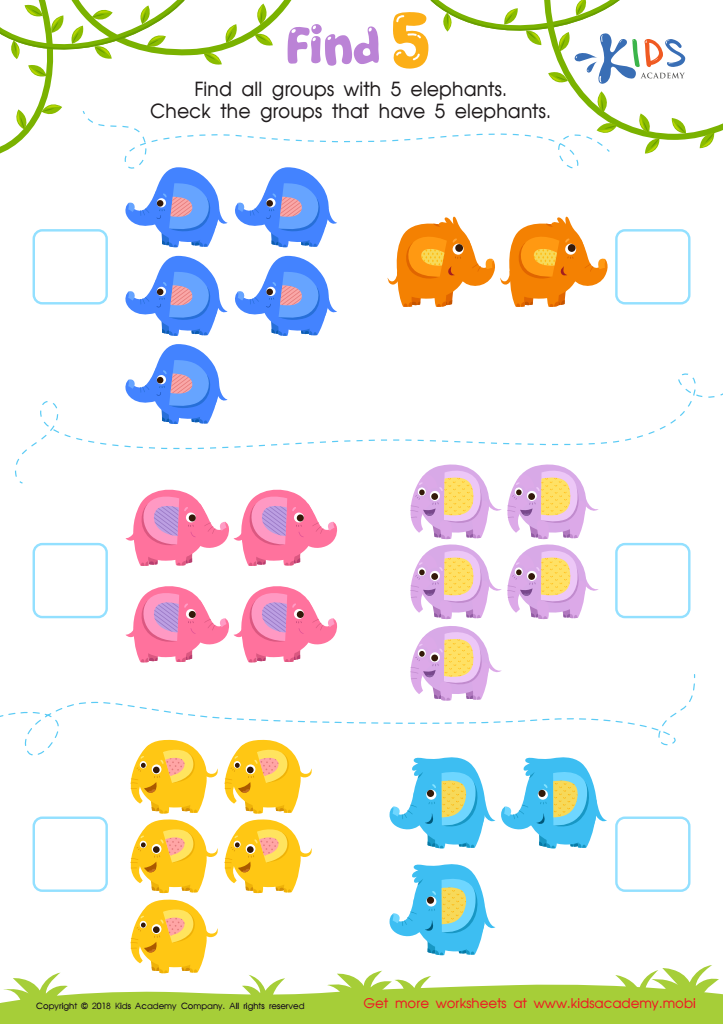
Find 5 Worksheet
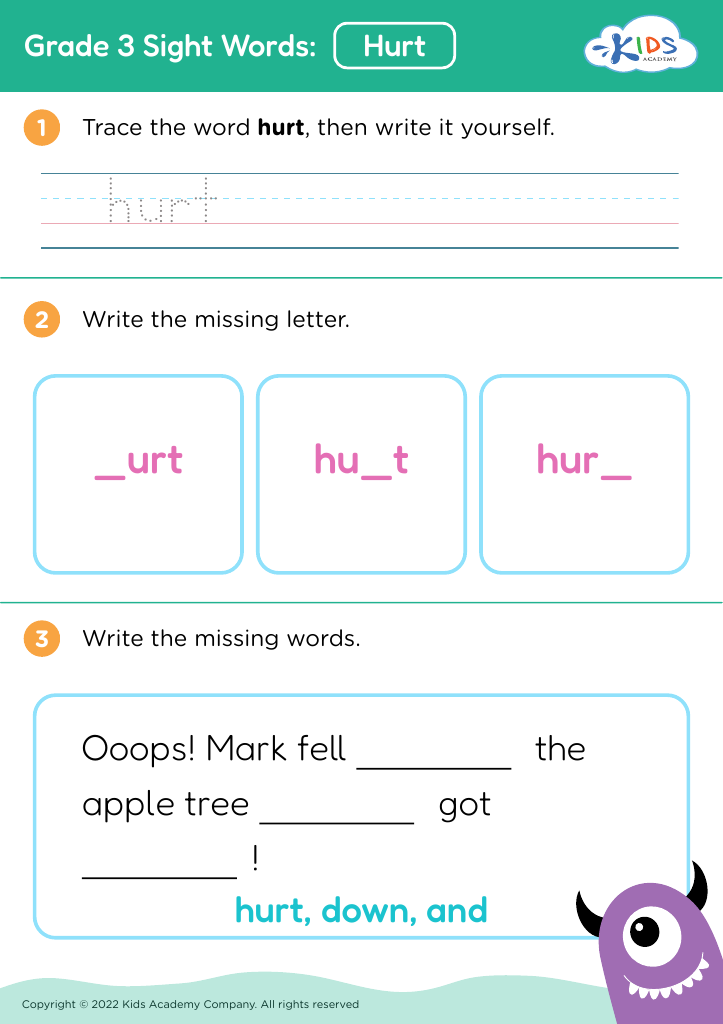








Attention to detail is a crucial skill for children ages 4-8, as it significantly influences their learning and development. During these formative years, children are building foundational cognitive abilities, which include observation, critical thinking, and problem-solving. When parents and teachers emphasize attention to detail, they foster an environment that encourages careful observation and thoroughness in tasks, from recognizing letters and numbers to completing art projects.
By honing this skill, children improve their focus and concentration, which are essential for academic success. For instance, paying close attention to instructions in reading or math allows them to grasp concepts more effectively, leading to improved performance. Moreover, attention to detail also promotes creativity and expression; children learn to notice the finer elements of their environment and can illustrate them in their drawings or storytelling.
Furthermore, encouraging attention to detail helps children develop self-discipline and responsibility. They learn the value of completing tasks with care and understanding that their efforts lead to better outcomes. Thus, through nurturing attention to detail, parents and teachers not only enhance children’s immediate learning experiences but also equip them with valuable lifelong skills instilling habits that can contribute to their future academic and social success.








